English-language podcasts

Farming Today

25/11/26 Wales new bovine TB strategy; south coast fishermen; antibiotic use.
14 min

Listen through the publisher, then discuss the episode here or arrange an in-person Roundtable. Your city determines where to meet.

Roundtables are designed for groups of four, with a shared subject and room for everyone to speak. Come for discussion, with no dating expectation.

The Welsh government has ruled out a mass badger cull as part of updated plans to tackle bovine TB. It follows months of speculation over the intentions of the new Plaid Cymru-led administration. An expert group set up to advise ministers had warned before May's Senedd election that "a step change" was needed in efforts to eradicate the disease. As part of what's described as a ‘new and pragmatic' approach ministers say targeted wildlife interventions will be developed. These could include trapping, testing and euthanising some badgers - though there's no timescale for this. All week we are looking at warming seas, and how that's affecting fisheries around Britain. Hastings in Sussex is one of the country’s biggest and oldest beach-launched fishing fleets, where small boats are pushed into the sea straight from the shingle. Competition from Europe, increased costs and regulations, and a lack of young people entering the industry, has all led to the decline of the Hastings fleet but the warmer sea temperature has added a further pressure. For many years farmers have been cutting back the amount of antibiotics they use on livestock, and in many sectors, the reductions over the last decade have been significant with sales falling by 56% since 2014. RUMA, The Responsible Use of Medicines in Agriculture, has just produced its latest annual report, which shows sales of antibiotics are still going down, but at a slower rate. One of the challenges is gathering accurate data. Presenter = Anna Hill Producer = Rebecca Rooney

Episode information is provided by the publisher. Listening takes place on the publisher’s service.

Listen at the source ↗

Featured places to meet in Palo Alto, CA

Explore these places and arrange a conversation through ThinkMatch.

City guide for Palo Alto, CA

More from Farming Today

Farming Today

21/11/26 Farming Today This Week: Cheese exports, bird flu, tree planting, re-wetting peat

23 min

We've spent the week trying to work on what the UK-EU deal on closer alignment will mean for food and farming. From gene edited crops to pesticides and red tape we discussed challenges and opportunities. Yesterday the Prime Minister hailed 'a really significant agreement' which he said 'will begin to reduce red tape for business.' What does that means for UK food producers? Bird flu is ramping up, as are measures to protect farmed poultry. From Monday kept birds in Wales will have to be inside, a measure introduced in Northern Ireland earlier this week and in England last week. In Scotland prevention zones have been brought in, meaning enhanced biosecurity but not housing orders. When the disease is found birds are culled, which is obviously devastating, but what does keeping birds inside mean on farms where hens or turkeys roam around in free range systems? Campaigners are urging the Government to invest in British tree production after recent government figures revealed the UK import

Discuss this episode

Farming Today

24/11/26 Fishing industry's unwanted bycatch; warmer waters; the aftermath of COP31

15 min

As fisheries representatives from the EU and the UK meet to discuss next year's quotas for catches, campaigners say fishermen are throwing too much away at sea. The lobby group Oceana claims100,000 tonnes of fish were thrown back into the sea last year off the UK's coast. It's calling for better monitoring and more enforcement for breaches of rules. All week we're looking at the impact that warmer waters are having on fish stocks around the UK coast. In Scotland's Western Isles, fishing is a key occupation and shellfish in particular are still exported to prestige markets around the world, but here too there are clear signs that species are adapting to changing conditions. We speak to a fish merchant in Stornaway about how it's affecting what his customers are buying. What does the failure of the COP31 climate talks in Turkey mean for the environmental targets in the future? Presenter = Anna Hill Producer = Rebecca Rooney

Discuss this episode

Farming Today

23/11/26 Warmer waters and impact on fisheries; measuring nitrogen.

12 min

We've talked a lot about this year's heatwaves and the impacts they have had on farming. We've talked less about the impact on the sea, fishing and ocean life, but this week that's what we're going to focus on, looking both at what's happening now in our warming seas and what future projections are. A report out last month warned that by 2050 warming seas could 'fundamentally reshape marine ecosystems' and so jeopardise food security. The government agency CEFAS - the Centre for Environment, Fisheries and Aquaculture Science - projected the impact of climate change on marine life. We speak to the co-lead author Dr Elena Couce. We also speak to Professor Michel Kaiser from The Lyell Centre at Heriot-Watt University about what warmer waters mean for the fishing industry, and consumers. Nitrogen fertiliser is a big topic in agriculture. It's used to help plants grow, but the ongoing war in the Middle East continues to affect global fertiliser supplies and push up prices, and using less of

Discuss this episode

Community Poll

Major sporting events should offer ways for people with limited budgets to take part.

Share your view, then see how readers voted. No sign-in required. This poll is shared across stories.

Do you agree or disagree?

Choose one answer

Common Quandary

A Common Quandary to discuss

Another conversation to explore, separate from this news story.

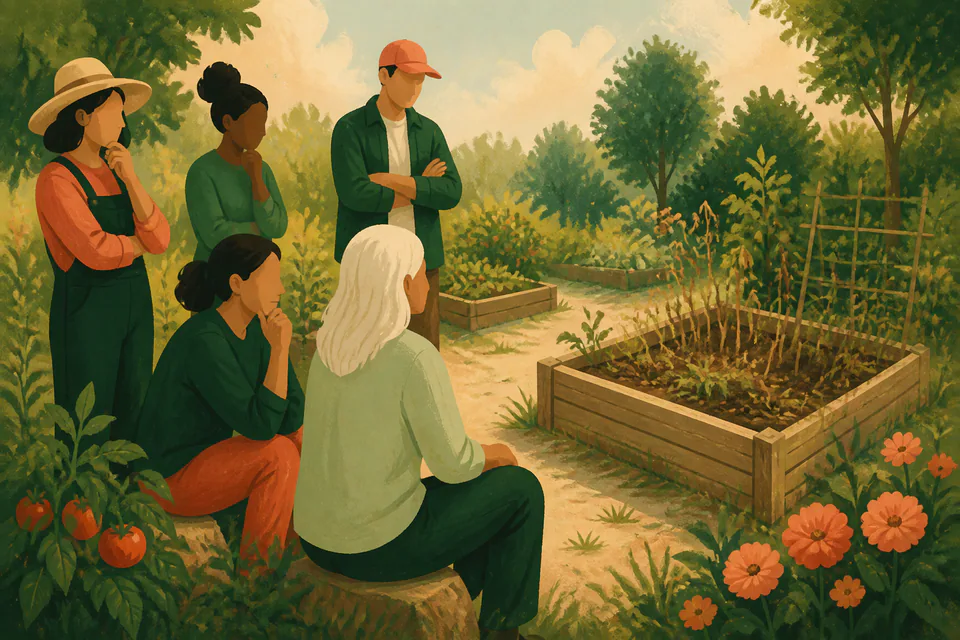
The best garden plot has been abandoned for months. Who gets to take it?

Garden plots have a three-year waiting list. One member's plot has gone untended for months and messages go unanswered, but other gardeners know they recently faced serious health problems.

How long should a shared resource remain reserved out of compassion?

Explore this quandary