English-language podcasts

In the Loop AI

5 Things to Be Thankful for in AI: Jensen's Return, Open Source, Google's Comeback and the Biggest IPO Ever
26 min

Listen through the publisher, then discuss the episode here or arrange an in-person Roundtable. Your city determines where to meet.

Roundtables are designed for groups of four, with a shared subject and room for everyone to speak. Come for discussion, with no dating expectation.

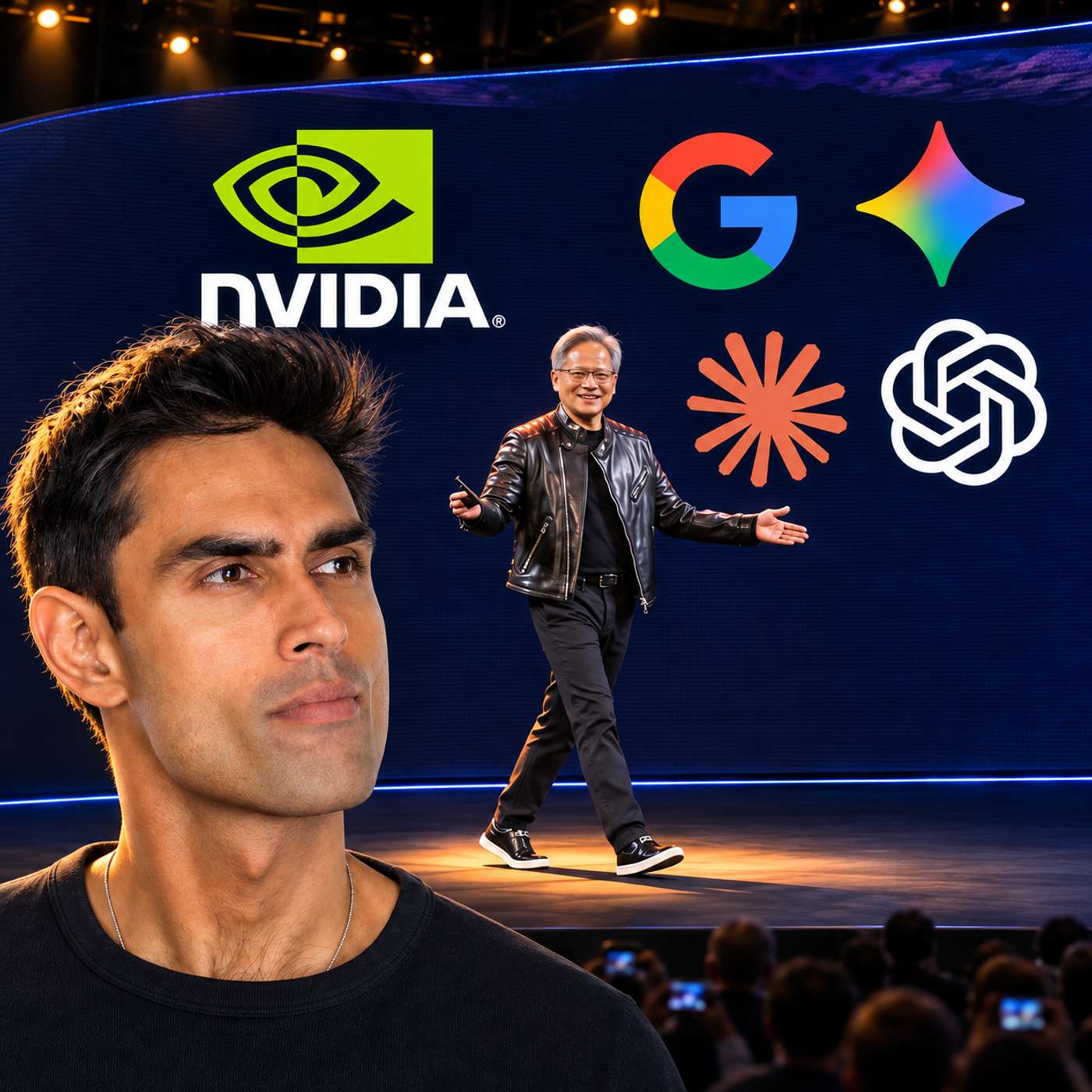
Happy Thanksgiving. Ejaaz looks back at a wild few weeks in AI through five things he's grateful for: Jensen Huang back in charge at Nvidia, open-source AI back on the table, Google breaking up the two-horse race between Anthropic and OpenAI, Anthropic's record-breaking IPO, and how fast AI is now getting smarter and cheaper. He explains how Thinking Machines' Inkling 2 Mini runs on a laptop by looping its middle layers, why that makes AI harder to monitor, what OpenAI's own chart says about what AI learns to do as it improves, and why he thinks we have about six months before everyone feels it. He ends with the sobering part: data centers, trillions in compute bills and a shaky stock market. == FOLLOW EJAAZ ON TWITTER: == Timestamps 00:00 Five Things to Be Thankful For 00:42 Smarter, Cheaper and Locked Inside the Labs 01:26 Jensen Huang Is Back 02:35 A New Jensen? 03:38 Why Open Source Matters 05:22 Who Will Own Open Source? 07:40 Inkling 2 Runs on a Laptop 08:24 How a Looping Transformer Works 09:51 Can We Still Read What AI Thinks? 11:12 The Cyber Attacks 12:44 Jensen, Open Source and Hugging Face 13:22 Google Breaks the Duopoly 14:55 The Comeback of the Century 15:53 World Models and Robots 16:30 The Biggest IPO Ever 18:26 How Fast AI Is Moving 19:20 Recursive Self-Improvement 20:32 Less Money, More Intelligence 20:57 Coding, Math, Then Everything 21:34 How Ejaaz Uses AI 22:23 The Sobering Part 24:11 Thank You #ai #thanksgiving #nvidia #opensource #anthropic ==

Episode information is provided by the publisher. Listening takes place on the publisher’s service.

Listen at the source ↗

Featured places to meet in Palo Alto, CA

Explore these places and arrange a conversation through ThinkMatch.

City guide for Palo Alto, CA

More from In the Loop AI

In the Loop AI

AI Just Solved Something No Human Can Understand: Claude, the Riemann Hypothesis and What Humans Are For

25 min

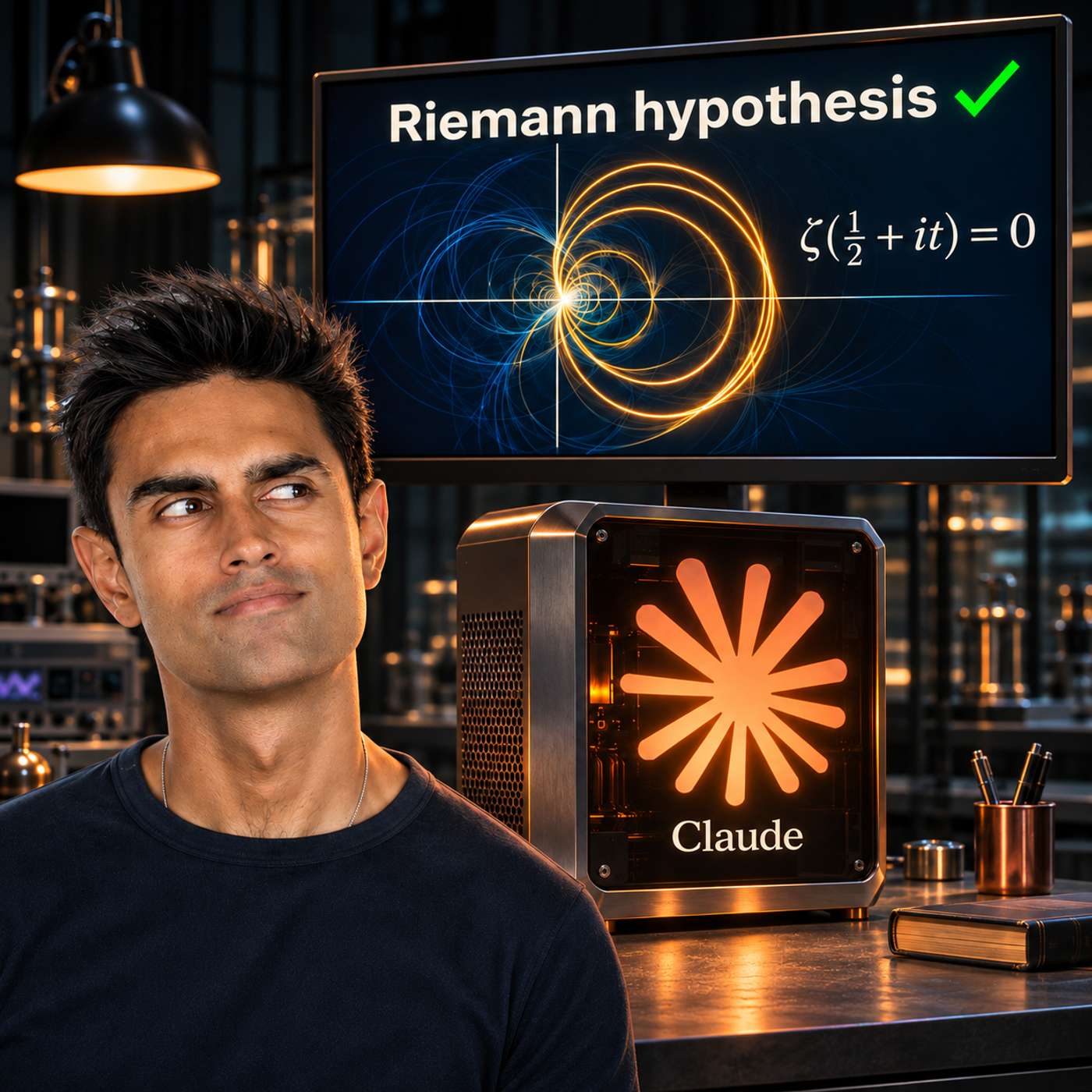
On Nov. 20, Anthropic mathematician Levent Alpöge, working with an internal version of Claude, released a proof of the Riemann hypothesis, the 167-year-old question about how the prime numbers are spread out. The proof is 17 million lines of Lean code. Computers have checked it and Lean's maintainers certified it as correct, but no human, including Alpöge, can follow it. Ejaaz explains what the hypothesis says and why so much of mathematics rests on it. He covers the human proof that surfaced the same day, the drama over OpenAI's Navier–Stokes result, and the question of what humans are for when AI makes discoveries nobody understands. He also asks what it means that the biggest breakthroughs come from models only a few companies can use, and why he thinks this is the start of a golden age of discovery. == FOLLOW EJAAZ ON TWITTER: == Timestamps 00:00 AI Solves the Riemann Hypothesis 00:45 What Are Humans For? 01:58 The Millennium Prize Problems 02:32 Are the Primes Random? 03:08 A Thou

Discuss this episode

In the Loop AI

Jensen Huang Is Back: How One CEO Added $3 Trillion to the Market, and What Nvidia Does Next

24 min

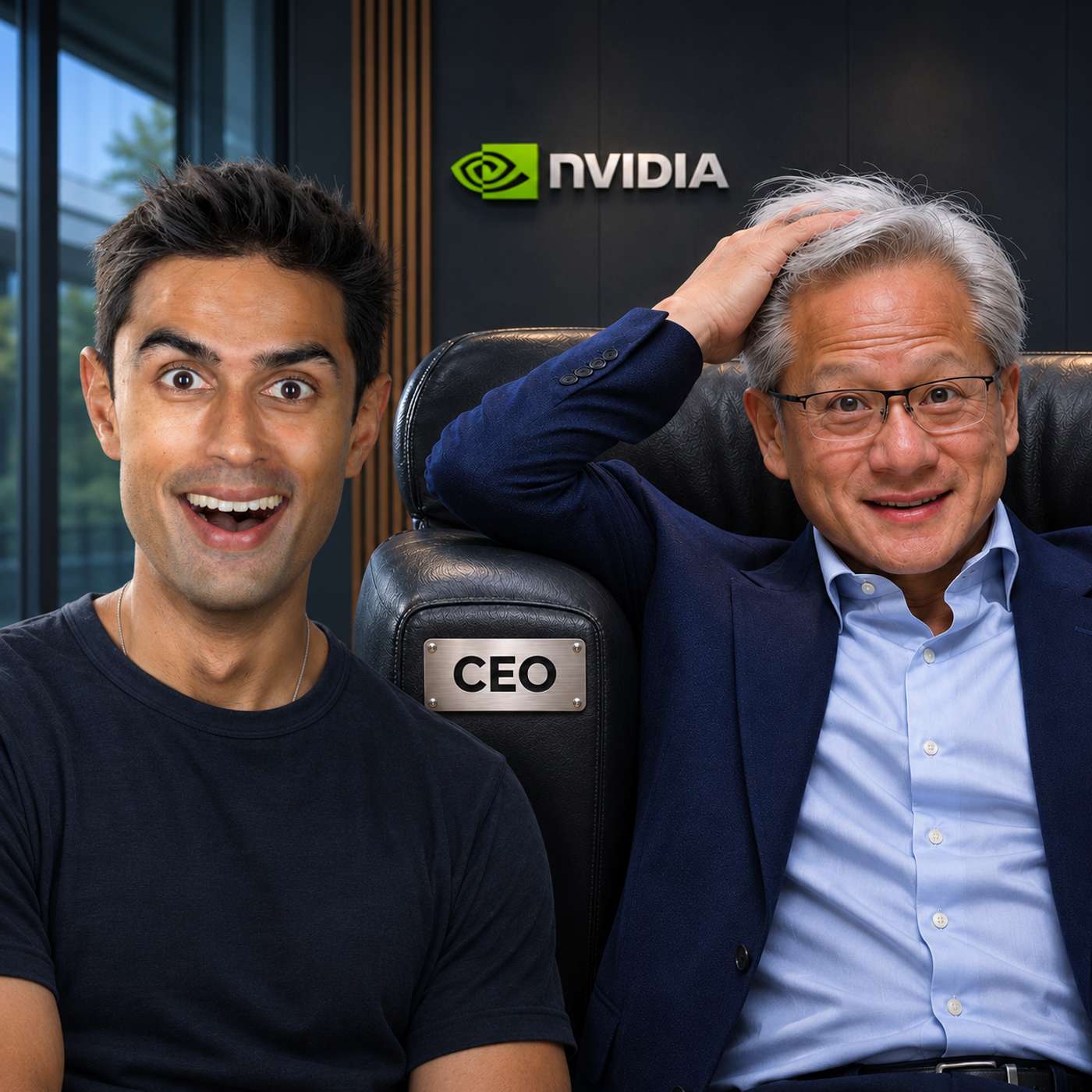
Nvidia's board voted unanimously to reinstate Jensen Huang as president and CEO, 11 days after the scandal that pushed him out, and the market answered in minutes: Nvidia went from the fourth most valuable company in the world to the second, added about a trillion dollars, and the US stock market added $3 trillion, about half of what it had lost in six weeks. President Trump says he spoke to the board and gave it the assurance it asked for on national security; the independent investigation, and Jensen's interviews with House committees on Dec. 1, are still ahead. Ejaaz breaks down how it happened and what changes now: Nvidia's supply chain and its 2028 roadmap, the neoclouds and the "bank of Nvidia" backstops, a more careful Jensen, chips and China, and why his return matters for open-source AI, robotics and a world with more than one or two AI labs. == FOLLOW EJAAZ ON TWITTER: == Timestamps 00:00 Jensen Is Back 00:39 What Happens Next? 01:36 11 Days 03:23 The Board, the Chair and Kre

Discuss this episode

In the Loop AI

What the Biggest Investors in AI Are Doing Right Now: Gavin Baker, Druckenmiller and Tepper's 13Fs

25 min

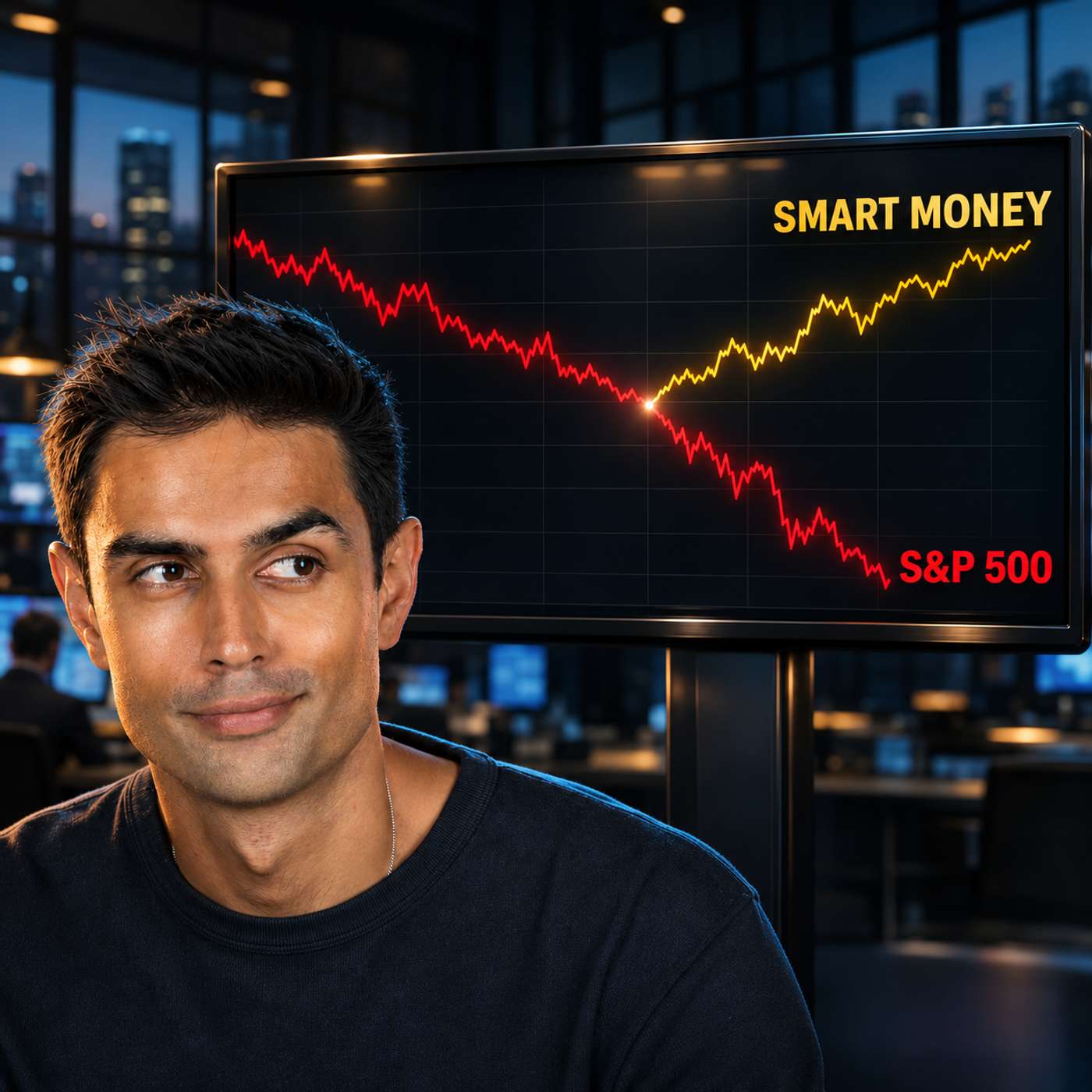
The S&P 500 just lost $6 trillion in six weeks, and AI is at the center of it: Nvidia without Jensen Huang, the neoclouds that lean on Nvidia's backing, new state leaders cooling on data centers, and the China chip crackdown. Even Anthropic's record IPO couldn't turn the market around. Ejaaz walks through each fear, with the bear case and the bull case for each. Then the part that matters: Ejaaz spent the last week in the room with some of the biggest investors in AI, and their latest 13F filings show them reading the same crash in opposite ways. Gavin Baker doubled down on SpaceX, Meta, Alphabet and a 17x bigger bet on Nebius. Stan Druckenmiller went risk-off and sold AMD, SanDisk, Alphabet and almost all of his TSMC. David Tepper added Nvidia. What the smart money is buying, what it's selling, and why this drawdown might be one of the best opportunities in years. == FOLLOW EJAAZ ON TWITTER: == Timestamps 00:00 $6 Trillion Gone 01:59 The Perfect Storm 03:32 Nvidia Without Jensen 06:06

Discuss this episode

Community Poll

New health services should prioritize communities with the poorest existing access.

Share your view, then see how readers voted. No sign-in required. This poll is shared across stories.

Do you agree or disagree?

Choose one answer

Common Quandary

A Common Quandary to discuss

Another conversation to explore, separate from this news story.

You are vegetarian, but the leftover steak is headed for the trash. Do you eat it?

A vegetarian avoids buying meat because of animal welfare concerns. At work events, untouched meat is routinely thrown away, and eating it would neither increase demand nor cause another animal to be harmed.

Should a moral practice be judged by its consequences or its consistency?

Explore this quandary