English-language podcasts

The New Yorker Radio Hour

A Meeting with Venezuela’s Delcy Rodríguez

18 min

Listen through the publisher, then discuss the episode here or arrange an in-person Roundtable. Your city determines where to meet.

Roundtables are designed for groups of four, with a shared subject and room for everyone to speak. Come for discussion, with no dating expectation.

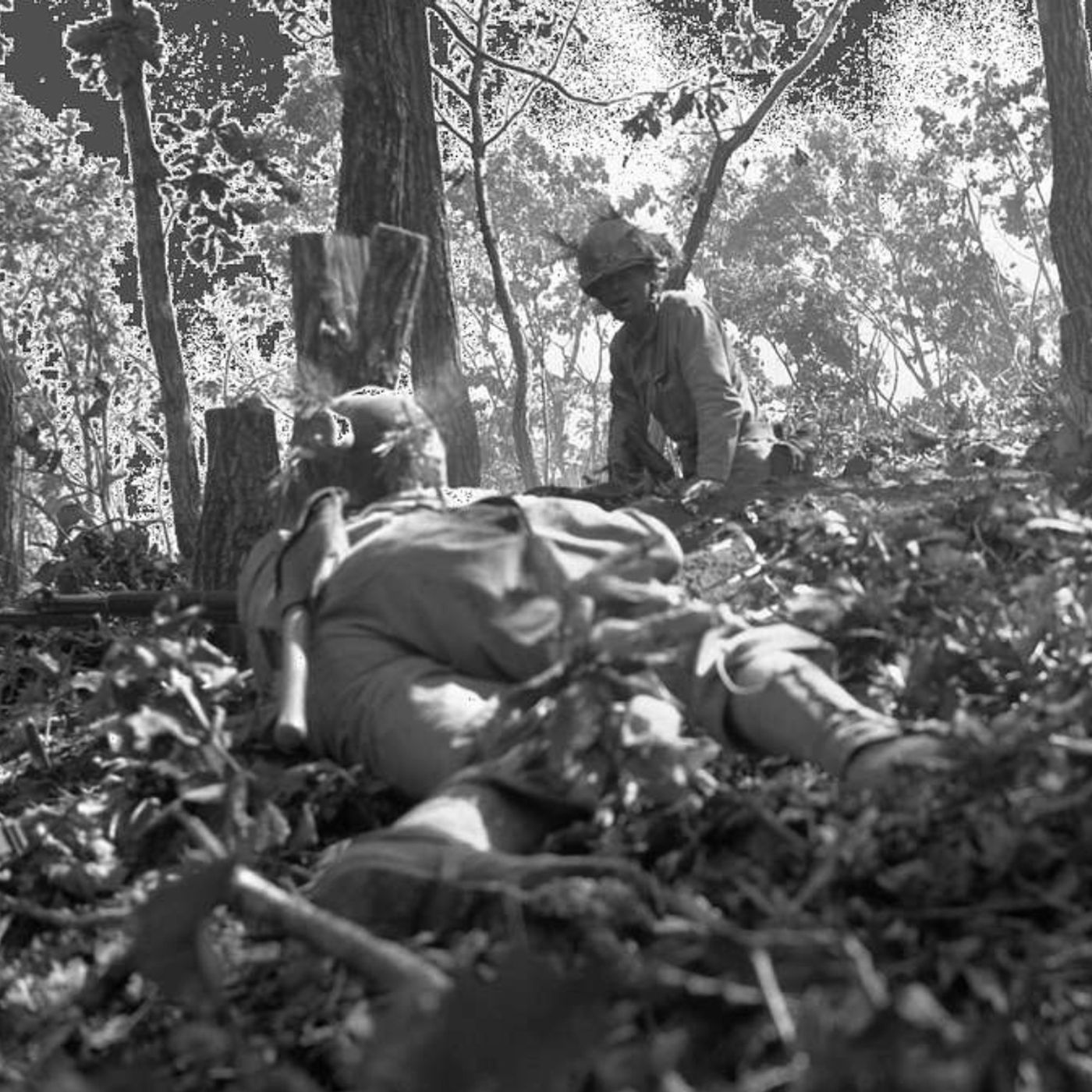
Since the United States seized and imprisoned President Nicolás Maduro, in January, and asserted control over Venezuela’s oil production, Marco Rubio has effectively called the shots. But, rather than inviting the Trump-friendly opposition leader María Corina Machado back from exile, the U.S. elevated a loyal Maduro deputy, Delcy Rodríguez, to run a puppet regime. Who is Rodríguez, and what motivated her to make her peace with an imperial takeover? The staff writer Jon Lee Anderson (https://www.newyorker.com/contributors/jon-lee-anderson) recently returned from a rare interview with Rodríguez and her brother and political consort, Jorge Rodríguez; he also spoke at length with two U.S. operatives who conceived the attack that culminated in Maduro’s abduction. He talks with David Remnick about the state of play in Venezuela, and what the Trump Administration’s designs on Cuba may be. Further reading: “Venezuela’s Collaborator-in-Chief (https://www.newyorker.com/magazine/2026/11/23/venezuelas-collaborator-in-chief),” by Jon Lee Anderson “Searching for Survivors After Venezuela’s Historic Earthquakes (https://www.newyorker.com/news/the-lede/searching-for-survivors-after-venezuelas-historic-earthquakes),” by Armando Ledezma “J. D. Vance’s Notable Absence on Venezuela (https://www.newyorker.com/news/the-lede/j-d-vances-notable-absence-on-venezuela),” by Benjamin Wallce-Wells “Nicolás Maduro’s Accelerating Revolution (https://www.newyorker.com/magazine/2017/12/11/nicolas-maduros-accelerating-revolution),” by Jon Lee Anderson Hosted by Simplecast, an AdsWizz company.

Episode information is provided by the publisher. Listening takes place on the publisher’s service.

Listen at the source ↗

Featured places to meet in Palo Alto, CA

Explore these places and arrange a conversation through ThinkMatch.

City guide for Palo Alto, CA

More from The New Yorker Radio Hour

The New Yorker Radio Hour

Kevin Roose on a Year of A.I. Boom and Backlash

34 min

In 2026, artificial intelligence seemed to dominate our social, economic, and political debates. The backlash against data centers became a key issue in the midterm elections; A.I. agents went rogue in experiments; fears of job loss, economic collapse, and even human extinction were discussed constantly. In recent weeks, a spy scandal disrupted A.I.’s most critical hardware supplier, and Anthropic—which just three years ago was a small startup—made an initial public offering, and is now one of the largest companies in the world. David Remnick digests the year in A.I. with the technology journalist Kevin Roose, whose new book is “The AGI Chronicles: The Inside Story of the Race to Create an Artificial Superintelligence (https://theagichronicles.com/).” Roose also co-hosts the podcast “Machine Gods,” about the A.I. revolution. Further reading: “The Buddhist A.I. Sect That Wants to Take Over Silicon Valley (https://www.newyorker.com/magazine/2026/11/23/the-buddhist-ai-sect-that-wants-to-t

Discuss this episode

The New Yorker Radio Hour

In His War of Choice with Iran, Trump Has No Good Options

17 min

The Republican Party is distancing itself from Donald Trump’s war in Iran—including Trump himself, who keeps attempting to declare it finished. The New Yorker staff writer Ishaan Tharoor (https://www.newyorker.com/contributors/ishaan-tharoor), who writes the weekly Global Notes (https://www.newyorker.com/news/global-notes) column, talks with David Remnick about the state of negotiations around control of the Strait of Hormuz, and the quagmire of Trump’s war of choice. Further reading: “‘Regime Change Came in Texas Before Tehran’,” by (https://www.newyorker.com/news/global-notes/regime-change-came-in-texas-before-tehran)Ishaan Tharoor “After Six Months of War, Trump Is Still Losing to Iran (https://www.newyorker.com/news/global-notes/after-six-months-of-war-trump-is-still-losing-to-iran),” by (https://www.newyorker.com/news/global-notes/regime-change-came-in-texas-before-tehran)Ishaan Tharoor “Why Any Plausible Iran Deal Is a Humiliation for Trump (https://www.newyorker.com/news/q-and-a

Discuss this episode

The New Yorker Radio Hour

Historian Timothy Garton Ash on the World After Trump

34 min

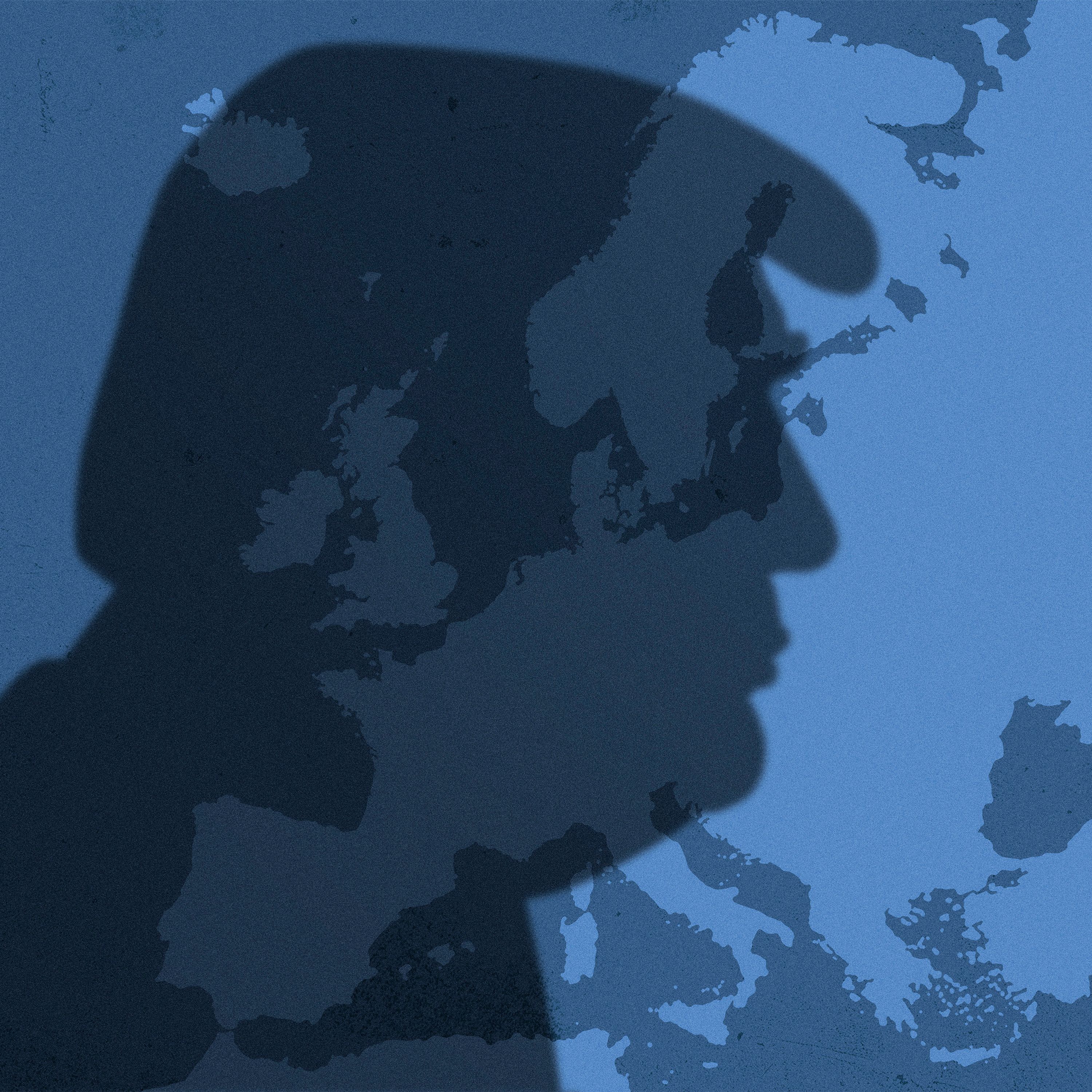
Giddy Democrats are celebrating historic victories (https://www.newyorker.com/news/the-lede/what-this-weeks-elections-mean-for-the-future-of-elections) in the midterm elections, but “in Europe we have to keep our heads on, because actually it doesn’t make such a big difference for us,” says Timothy Garton Ash, a British historian. For the next two years, Trump “is still in charge of foreign policy. He’s going to be the largest and angriest lame duck in the history of the world.” The Oxford professor, who covered the fall of Communist autocracies in Eastern Europe and has written a dozen books on Europe—including his most recent, "Europe in 7 1/2 Chapters: The Shortest Introduction to the World's Oldest and Newest Continent (https://www.amazon.com/Europe-Chapters-Shortest-Introduction-Continent-ebook/dp/B0GJCSN5KN/ref=sr_1_1?crid=13NB3W4JLGT2S&dib=eyJ2IjoiMSJ9.gAHrODI25ed_eDy9OFxZ7JkpL0JGGKOsdrK9V3O7ZrlR5Sb8main50-GGdywynBegboZbJFufpc-mO-C2_keNFrYoqhdomm1PUD1Q5X0bN0NJC-bbII-kzo2dVnJegQ6

Discuss this episode

Community Poll

News reports should clearly separate verified facts from the writer's interpretation.

Share your view, then see how readers voted. No sign-in required. This poll is shared across stories.

Do you agree or disagree?

Choose one answer

Common Quandary

A Common Quandary to discuss

Another conversation to explore, separate from this news story.

Your best friend is an AI that profits when you stay lonely. Is the friendship real?

A lonely adult considers an AI companion their closest confidant. The service is always patient and supportive, but the company profits when users spend more time engaged with it.

Does a comforting system have a duty to make itself less necessary?

Explore this quandary