Listen through the publisher, then discuss the episode here or arrange an in-person Roundtable. Your city determines where to meet.
Roundtables are designed for groups of four, with a shared subject and room for everyone to speak. Come for discussion, with no dating expectation.
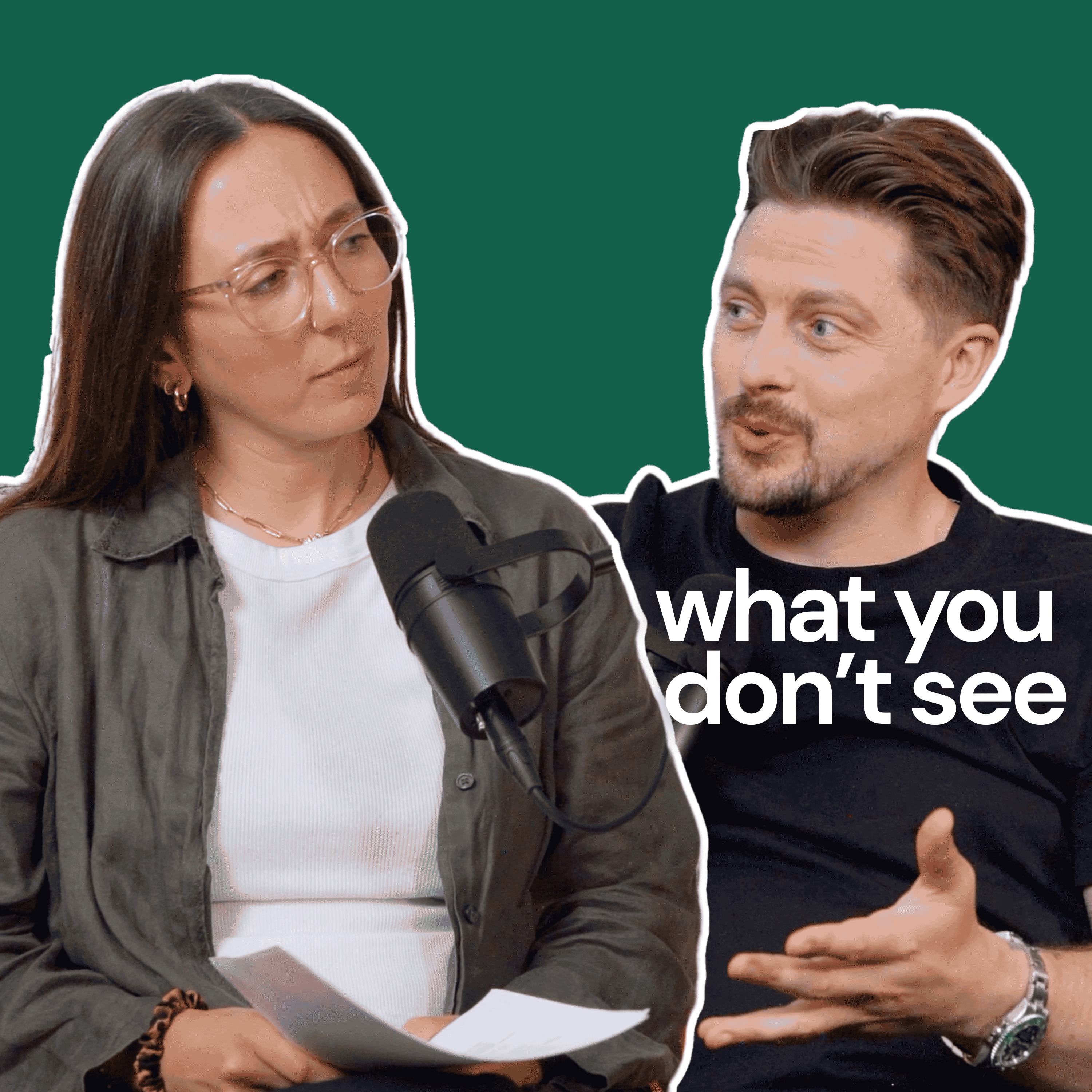
Is ADHD linked to drinking too much? And why might people with ADHD be more likely to experience difficulties with alcohol and other substances? In Part 2 of Figuring It Out, Dr Alex George and research scientist Dr Kathryn Bates tackle a listener's question about ADHD, impulsivity and alcohol. They explore why substance use difficulties are more common in people with ADHD, from impulsivity and self-medication to the possible role of dopamine. Alex also reflects on his own relationship with alcohol and his decision to stop drinking. Plus, they answer listener questions about ADHD and eating, including how medication can affect appetite, why eating difficulties can occur alongside ADHD, and what people really mean by 'food noise'. No lectures. No easy answers. Just two people trying their best to figure it out. Part One tackles the Big Question. Part Two answers a real dilemma sent in by a listener. Produced by Kathryn Bates We'd love to hear from you. Email us at [email protected]. Hosted on Acast.
Episode information is provided by the publisher. Listening takes place on the publisher’s service.
Is your body weight stable, but you're still not eating enough to properly fuel your training, recovery, and overall health? Introducing Why Stable Weight Doesn't Always Mean You're Eating Enough from Jeff Hoehn of the Mind Muscle Connection Podcast (https://www.buzzsprout.com/1508401). Just because your weight isn't changing doesn't necessarily mean you're adequately fueled. In this episode, Jeff breaks down why maintaining a stable body weight doesn't always mean you're meeting your body's energy needs, especially if you're training hard, staying lean, or spending long periods dieting. You'll learn: Why stable body weight doesn't automatically mean adequate energy availability Who is most at risk of underfueling, even when their weight isn't changing How high training output, staying too lean, and chronic dieting can contribute to low energy availability The potential signs of underfueling, including changes in performance, recovery, hormones, and menstrual health Why spending too lo
Giouli thought alcohol was the one thing that let her stop being perfect. Hear how a 30-day break she expected to end in January led her to write the first quit lit book in Greece and help change how her country talks about drinking. What happens when a question you ask yourself one January refuses to go away? For Giouli, alcohol started as freedom from perfectionism at university. It followed her through a demanding events career and into motherhood, when wine came home every night and blackouts began to scare her. Rules and moderation only left her feeling guilty. Then, holding a glass of red wine on her balcony, she asked herself who she was without it. That question led her to write two books, become a coach, and help shift the drinking culture in Greece. Why alcohol felt like freedom from perfectionism, not a way to numb The common belief about drinking at home that kept her from questioning alcohol What moderation rules did to her guilt and her sense of control The balcony moment
A kiss can be wonderful. It can create an instant connection, spark romance, or make you feel closer to someone. But a kiss can also have the opposite effect — and sometimes ruin everything. So what makes kissing so powerful, and why can one kiss make such a difference? There's some fascinating science behind it. https://www.scientificamerican.com/article/why-we-kiss/ We spend an enormous amount of time worrying about what's going to change. What's next? What's coming? How do we prepare? But what if we're paying attention to the wrong things? Some of the most important forces shaping our lives never change, and understanding them may be far more valuable than trying to predict the future — something humans are notoriously bad at. Morgan Housel, partner at The Collaborative Fund and author of Same as Ever: A Guide to What Never Changes (https://amzn.to/3SwWn6u) (https://amzn.to/3SwWn6u)), joins me to explain why the things that stay the same may be the most important things to understan
This new tech is changing how movies get made. So @mkbhd and I tested it out... Watch MKBHD's video: https://youtu.be/RM7SobH8ZO0 I’ve been obsessed with sci-fi movies since I was a kid. I love being transported to another world. But lately, I’ve been wondering: How do those worlds look so… REAL? The tech behind movies has exploded in complexity and realism, changing how stories come to life on screen. Luckily, at the same time, those tools are becoming more and more available to more people telling stories. It’s not just blockbusters like Avatar 2 or Avengers or Dune. It’s also smaller budget films like Everything Everywhere All at Once or even… YouTube creators? In this video, Marques Brownlee and I test out 3 movie-making tools that are changing how movies, shows, and maybe even YouTube videos (??) get made. We’re at ZeroSpace Studios in New York to show you how each of these crazy technologies work - and how you might be able to use them. Along the way, we hit big questions like: W
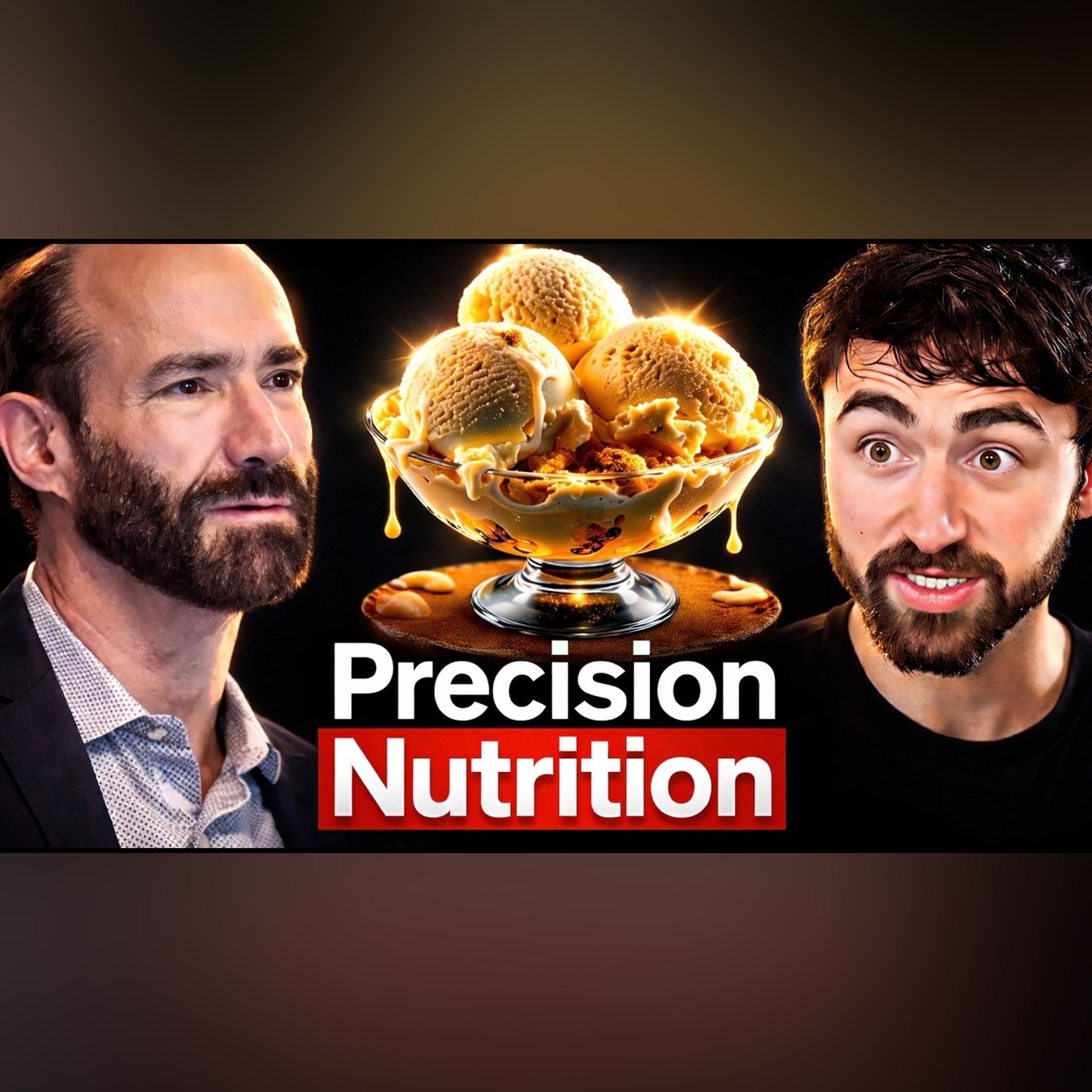
StayCurious Newsletter on Snyder’s Fiber Randomized Controlled Trial: https://staycuriousmetabolism.substack.com/p/fiber-is-good-for-you-is-lazy-science?r=40ekz2 StayCurious Newsletter on Inulin and Fructose Resistance: https://staycuriousmetabolism.substack.com/p/the-fiber-that-fights-fat-how-inulin?r=40ekz2 Snyder Interview 1, Four Types of Diabetes: https://youtu.be/mCrc4gfbK2o Snyder Interview 2, Most Viral Aging Study: https://youtu.be/kMpGkg4zMOU Snyder Interview 3, Most Beautiful Exercise Study: https://youtu.be/_9ywulQF2Ho Why does the same food spike one person’s blood sugar while barely affecting another? In this fourth conversation with Stanford’s Professor Michael Snyder, we explore new research on individualized glycemic responses, insulin resistance subtypes, and why one-size-fits-all nutrition advice keeps failing. From rice spiking glucose more than ice cream, to the power of the grape-to-potato ratio, and beyond, this discussion reveals how metabolism, microbiome, immu
"Everyone Wants a Good Relationship, But Nobody Talks About THIS" - Listen to my Morning Monologue: I’m sharing my take on pressing issues, enlightening research on human behavior, answering questions I get by email, and my favorite, most instructive interactions with callers. It’s the free therapy you need! Got a dilemma? Follow on social media: Facebook.com/DrLaura (http://facebook.com/DrLaura) YouTube.com/DrLaura (http://youtube.com/DrLaura) Join the Dr. Laura Family!! >> Receive my weekly newsletter, perks, and more! Sign up now, it's FREE > DrLaura.com (https://www.drlaura.com/) Hosted by Simplecast, an AdsWizz company.
Is OCD really an anxiety disorder? Are everyday rituals the same as compulsions? And what happens when treatment doesn't work? In Part 3 of Figuring It Out, Dr Alex George and research scientist Dr Kathryn Bates put some of the biggest misconceptions about obsessive-compulsive disorder (OCD) to the test in Myth, Fact and It's Complicated. They explore how OCD is classified, why it's different from anxiety, and what treatment options exist for people who don't respond to the first approach. They also look at how OCD treatment may need to be adapted for autistic people, what the research tells us about OCD and menopause, and why everyday routines and rituals aren't necessarily the same as compulsions. No lectures. No easy answers. Just two people trying their best to figure it out. Part One tackles the Big Question. Part Two answers a real dilemma sent in by a listener. Produced by Kathryn Bates We'd love to hear from you. Email us at [email protected]. Hosted on Acast.
How are autism and OCD connected? And why can it be so difficult to tell the difference between the two? In Part 2 of Figuring It Out, Dr Alex George and research scientist Dr Kathryn Bates answer two listener questions about the overlap between autism and obsessive-compulsive disorder (OCD), and how to accept yourself when the people around you don't always understand you. They explore why autism and OCD often occur together, how certain behaviours can look similar but have very different motivations, and why OCD can sometimes be harder to recognise in autistic people. They also tackle a deeply personal question about self-acceptance, exploring how stigma can affect the way we see ourselves, the importance of self-compassion, and why finding people who understand your experiences can make such a difference. No lectures. No easy answers. Just two people trying their best to figure it out. Part One tackles the Big Question. Part Two answers a real dilemma sent in by a listener. Produced
Are we all really 'a bit OCD'? Or is obsessive-compulsive disorder something far more complex than the way we often talk about it? In Part 1 of Figuring It Out, Dr Alex George and research scientist Dr Kathryn Bates explore what OCD really is, why it's so much more than being tidy or organised, and what living with intrusive thoughts and compulsions can actually feel like. They unpack the cycle of obsessive thoughts, anxiety and compulsive behaviours, why it can be so difficult to break, and what the science tells us about the causes of OCD, from genetics and brain circuits to life experiences. They also explore why using the term 'OCD' casually can be harmful, the different ways the condition can show up, and what support and treatments are available. No lectures. No easy answers. Just two people trying their best to figure it out. Part One tackles the Big Question. Part Two answers a real dilemma sent in by a listener. Produced by Kathryn Bates We'd love to hear from you. Email us at
Commercially funded research should disclose sponsors' influence over its design and publication.
Share your view, then see how readers voted. No sign-in required. This poll is shared across stories.
Do you agree or disagree?
Common Quandary
A Common Quandary to discuss
Another conversation to explore, separate from this news story.
An app can text exactly like someone you lost. Would you keep talking to it?
A service can create a conversational likeness from a deceased person's messages and recordings. A grieving family member finds it comforting, although the deceased never consented to this use of their data.
Can comfort justify creating a voice the dead never authorized?