Listen through the publisher, then discuss the episode here or arrange an in-person Roundtable. Your city determines where to meet.
Roundtables are designed for groups of four, with a shared subject and room for everyone to speak. Come for discussion, with no dating expectation.
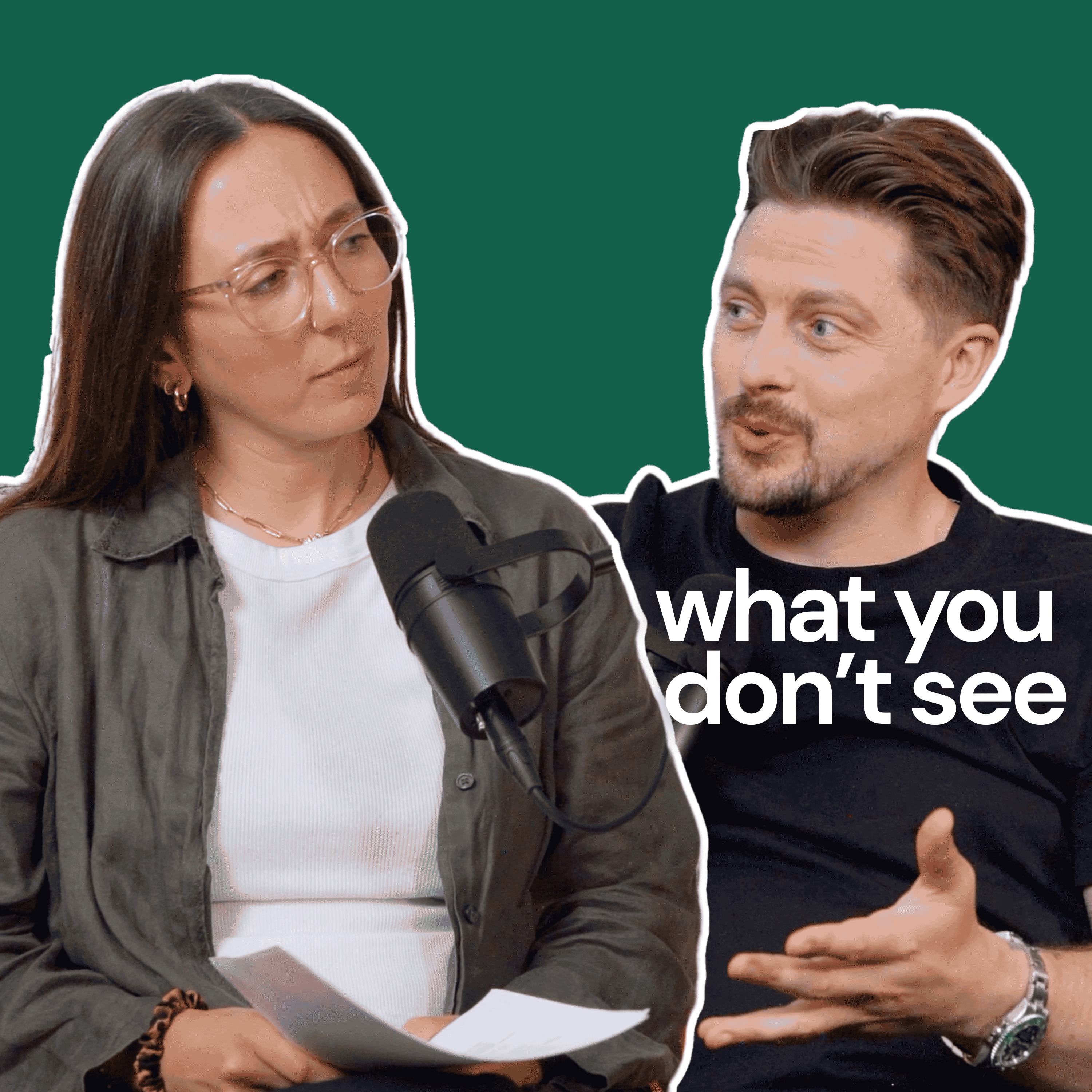
Is OCD really an anxiety disorder? Are everyday rituals the same as compulsions? And what happens when treatment doesn't work? In Part 3 of Figuring It Out, Dr Alex George and research scientist Dr Kathryn Bates put some of the biggest misconceptions about obsessive-compulsive disorder (OCD) to the test in Myth, Fact and It's Complicated. They explore how OCD is classified, why it's different from anxiety, and what treatment options exist for people who don't respond to the first approach. They also look at how OCD treatment may need to be adapted for autistic people, what the research tells us about OCD and menopause, and why everyday routines and rituals aren't necessarily the same as compulsions. No lectures. No easy answers. Just two people trying their best to figure it out. Part One tackles the Big Question. Part Two answers a real dilemma sent in by a listener. Produced by Kathryn Bates We'd love to hear from you. Email us at [email protected]. Hosted on Acast.
Episode information is provided by the publisher. Listening takes place on the publisher’s service.
To check the transcript: https://www.buzzsprout.com/2379282 Imagine someone who has lived abroad for many years. One evening, they're talking to a friend about their hometown. They mention the streets they used to walk down, the familiar voices, and the little things they never thought they'd miss. Their friend asks: “Why do you get so emotional whenever you talk about your hometown? Do you want to move back?” They reply: “It's not that simple. It goes deeper than that. I miss a version of my life that doesn't exist there anymore.” Hello everyone, and welcome to Daily English. Today's expression is “It goes deeper than that.” We use this expression when something is more complicated, meaningful, or emotionally significant than it first appears. In other words, there's something beneath the surface that people might not immediately recognize. In our opening example, the person isn't necessarily longing to return to their hometown. What they miss might be their childhood, the people they
There's a pattern that has ruined more lives than almost anything else. Uploaded 02-06-26 People decide what they want. They set a goal. They write down the number. They put a date on it. They tell their friends. They make a plan. And somewhere between week 3 and week 6, the goal quietly dies. The plan falls apart. The date is going to come and go. And the person who set the goal sits in their disappointment and tries to figure out what went wrong. They blame their willpower. They blame their schedule. They tell themselves next January will be different. But that isn't what went wrong. They didn't fail because the goal was wrong. They failed because they had it backwards. They tried to install the goal before they built the habit. They built the destination before they built the road. They wrote the postcard before they laid the bricks. A goal without a habit underneath it is a wish dressed up in a deadline. It cannot survive. It was never going to survive. This seminar lays out why th
A kiss can be wonderful. It can create an instant connection, spark romance, or make you feel closer to someone. But a kiss can also have the opposite effect — and sometimes ruin everything. So what makes kissing so powerful, and why can one kiss make such a difference? There's some fascinating science behind it. https://www.scientificamerican.com/article/why-we-kiss/ We spend an enormous amount of time worrying about what's going to change. What's next? What's coming? How do we prepare? But what if we're paying attention to the wrong things? Some of the most important forces shaping our lives never change, and understanding them may be far more valuable than trying to predict the future — something humans are notoriously bad at. Morgan Housel, partner at The Collaborative Fund and author of Same as Ever: A Guide to What Never Changes (https://amzn.to/3SwWn6u) (https://amzn.to/3SwWn6u)), joins me to explain why the things that stay the same may be the most important things to understan
This new tech is changing how movies get made. So @mkbhd and I tested it out... Watch MKBHD's video: https://youtu.be/RM7SobH8ZO0 I’ve been obsessed with sci-fi movies since I was a kid. I love being transported to another world. But lately, I’ve been wondering: How do those worlds look so… REAL? The tech behind movies has exploded in complexity and realism, changing how stories come to life on screen. Luckily, at the same time, those tools are becoming more and more available to more people telling stories. It’s not just blockbusters like Avatar 2 or Avengers or Dune. It’s also smaller budget films like Everything Everywhere All at Once or even… YouTube creators? In this video, Marques Brownlee and I test out 3 movie-making tools that are changing how movies, shows, and maybe even YouTube videos (??) get made. We’re at ZeroSpace Studios in New York to show you how each of these crazy technologies work - and how you might be able to use them. Along the way, we hit big questions like: W
Listen to the full 1 Hour plus Between Friends episode. Go Directly to this Patreon Episode "I Just Need Everyone to Go Away plus Unicorn Lifeguards, Stalkers, Trauma and Me Fully Melting Down" Picture this: Your houseguest arrives in an hour, the furniture delivery is a disaster, and the bed is in the WRONG room! Chalene shares the hilarious chaos of trying to move a massive bed herself, in a tight dress and heels, while Bret gets sent on an emergency hardware store run. But just when they think they've got it handled, things take a painful turn! This story is part of The Saturday Spill series a little peek into the wild, unfiltered stuff that usually stays on Patreon. Some weeks it's hilarious, some weeks it's jaw-dropping, but it's always real life that doesn't quite fit on the regular show. If you're into a little chaos and behind-the-scenes tea, you're in the right place. If you love it, amazing…you can listen to the full, unedited version here https://Chalene.com/more (https://ww
If you're training hard but feeling wiped, eating a restricted diet for your gut, or just never hungry after a tough workout, you might not be getting the protein you need. This episode breaks down how much you really need and how to get it without upsetting your gut. YOU'LL TAKEAWAY: Macronutrients and calories 101, and how restrictive diets throw off your balance How your body digests protein, and why it matters before workouts The many roles of protein, from enzymes and iron storage to post-workout appetite How much protein you need, plus 3 easy low FODMAP ways to boost it — RESOURCES & LINKS MENTIONED: ⤵️ Want high touch coaching support for IBS & fuelling performance? Apply for coaching. (http://gutfitnutrition.com/apply) Free Training: How to Control IBS So You Can Fuel Your Training Without a Lifelong Low FODMAP Diet (https://gutfitnutrition.com/heal-ibs-training-live) Supporting your immune system when you're sick (Ep. 70) (https://open.spotify.com/episode/5bCto0jWLcbC5hQW4hrH6
How are autism and OCD connected? And why can it be so difficult to tell the difference between the two? In Part 2 of Figuring It Out, Dr Alex George and research scientist Dr Kathryn Bates answer two listener questions about the overlap between autism and obsessive-compulsive disorder (OCD), and how to accept yourself when the people around you don't always understand you. They explore why autism and OCD often occur together, how certain behaviours can look similar but have very different motivations, and why OCD can sometimes be harder to recognise in autistic people. They also tackle a deeply personal question about self-acceptance, exploring how stigma can affect the way we see ourselves, the importance of self-compassion, and why finding people who understand your experiences can make such a difference. No lectures. No easy answers. Just two people trying their best to figure it out. Part One tackles the Big Question. Part Two answers a real dilemma sent in by a listener. Produced
Are we all really 'a bit OCD'? Or is obsessive-compulsive disorder something far more complex than the way we often talk about it? In Part 1 of Figuring It Out, Dr Alex George and research scientist Dr Kathryn Bates explore what OCD really is, why it's so much more than being tidy or organised, and what living with intrusive thoughts and compulsions can actually feel like. They unpack the cycle of obsessive thoughts, anxiety and compulsive behaviours, why it can be so difficult to break, and what the science tells us about the causes of OCD, from genetics and brain circuits to life experiences. They also explore why using the term 'OCD' casually can be harmful, the different ways the condition can show up, and what support and treatments are available. No lectures. No easy answers. Just two people trying their best to figure it out. Part One tackles the Big Question. Part Two answers a real dilemma sent in by a listener. Produced by Kathryn Bates We'd love to hear from you. Email us at
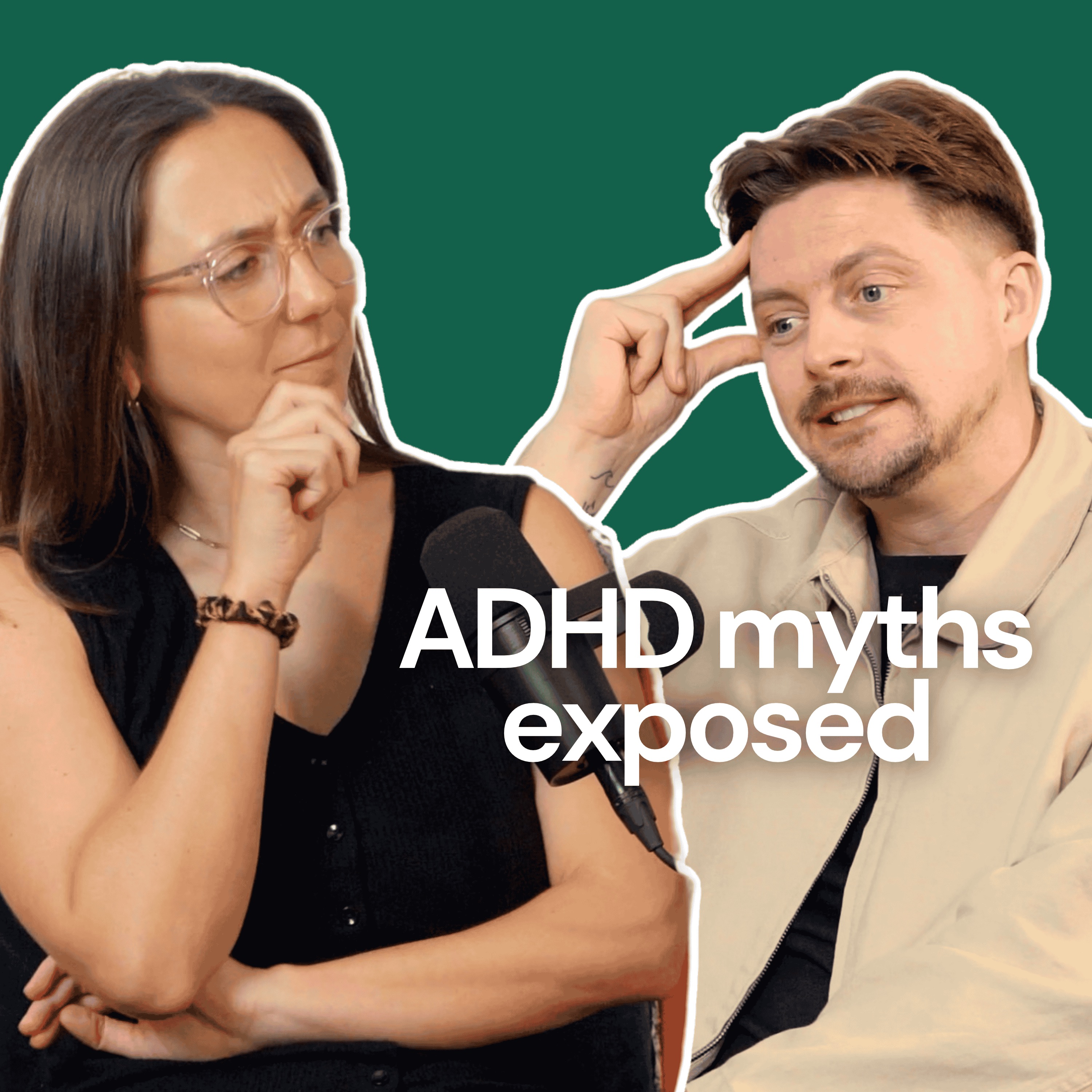
How much of what we see about ADHD on social media is actually true? And are some of the most common beliefs about ADHD backed by science? In Part 3 of Figuring It Out, Dr Alex George and research scientist Dr Kathryn Bates put some of the biggest claims about ADHD to the test in Myth, Fact and It's Complicated. From misleading ADHD advice on TikTok to the links between ADHD and smartphone use, they explore what the evidence really tells us. They also look at how menopause may affect ADHD symptoms, whether people with ADHD can thrive in creative environments, and whether children really grow out of ADHD. Plus, is ADHD genuinely becoming more common, or have we simply got better at recognising it? No lectures. No easy answers. Just two people trying their best to figure it out. Part One tackles the Big Question. Part Two answers a real dilemma sent in by a listener. Produced by Kathryn Bates We'd love to hear from you. Email us at [email protected]. Hosted on Acast.
Sporting success should include character and contribution, not only winning.
Share your view, then see how readers voted. No sign-in required. This poll is shared across stories.
Do you agree or disagree?
Common Quandary
A Common Quandary to discuss
Another conversation to explore, separate from this news story.
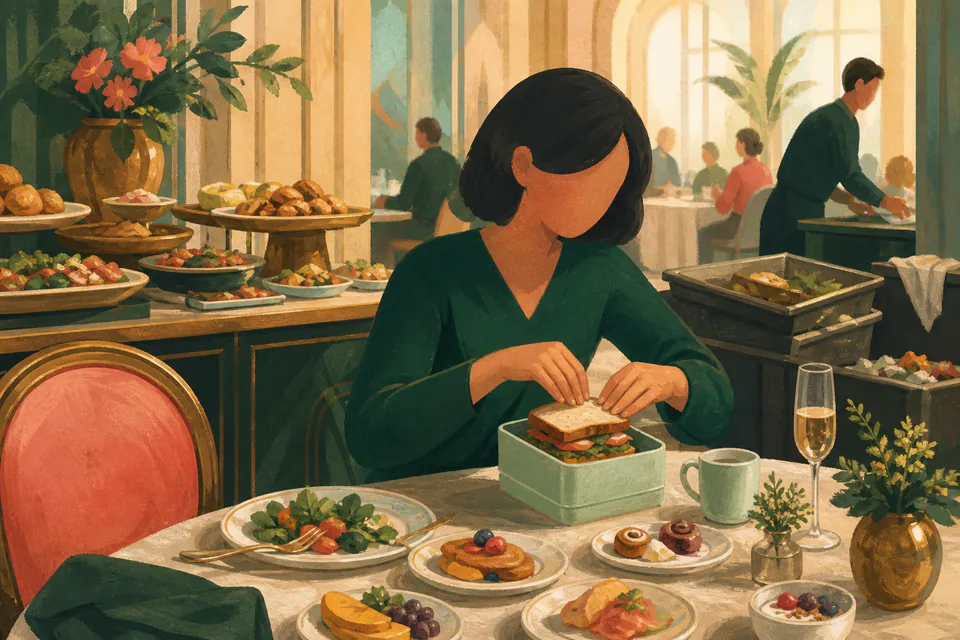
The buffet is unlimited while you are inside. Can one sandwich leave in your pocket?
An expensive hotel brunch advertises unlimited food but forbids takeout. You are full, yet quietly assembling a sandwich for later would cost the hotel almost nothing. Several trays will likely be discarded after service.
Does preventing waste justify ignoring the boundary of a bargain?