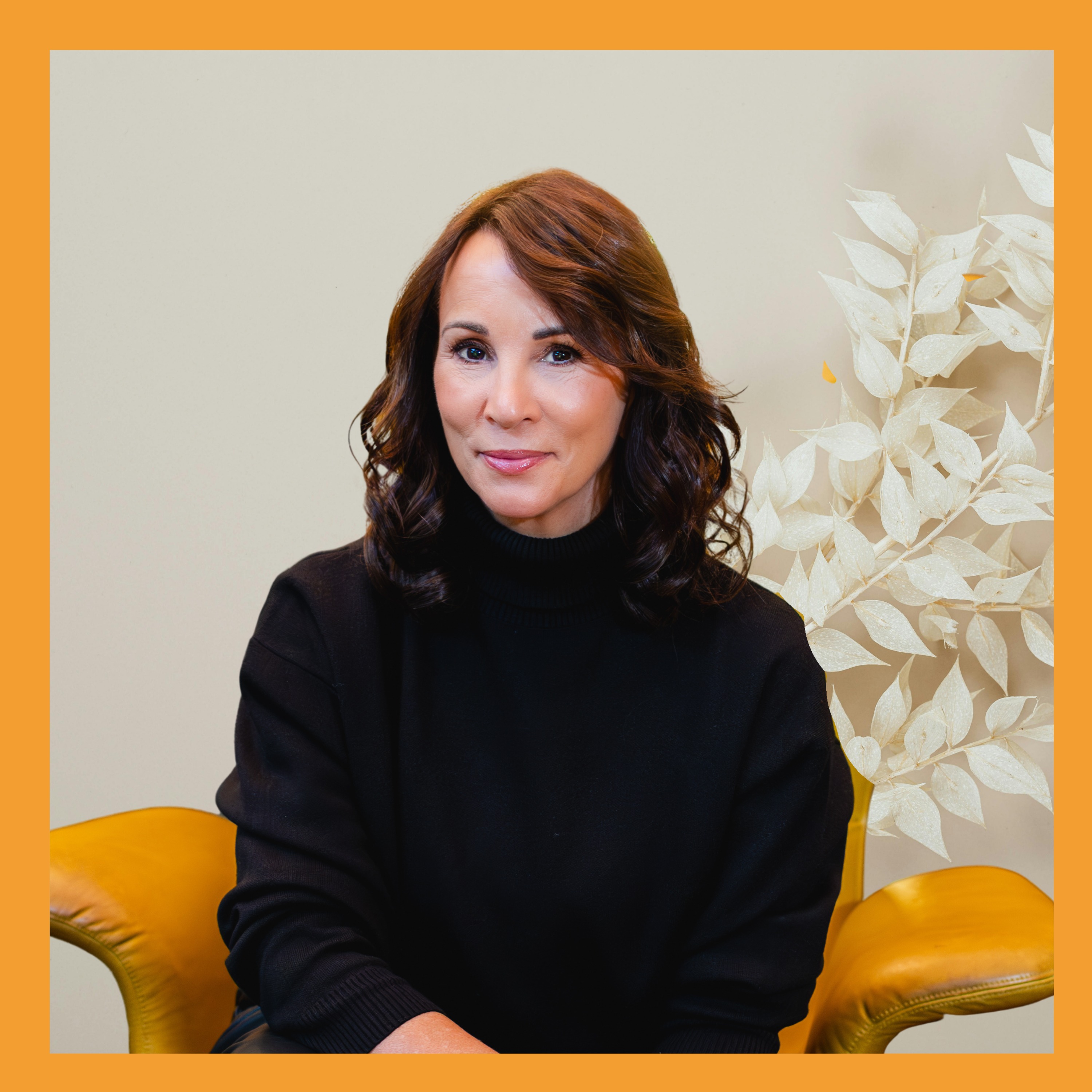
Andrea McLean on finding happiness after losing everything
Listen through the publisher, then discuss the episode here or arrange an in-person Roundtable. Your city determines where to meet.
Roundtables are designed for groups of four, with a shared subject and room for everyone to speak. Come for discussion, with no dating expectation.
How do you rebuild your life after financial ruin? Andrea McLean joins psychotherapist Julia Samuel to discuss shame, burnout and finding resilience. For more than two decades, Andrea McLean was one of Britain's most recognisable television presenters, best known for her years on Loose Women. But after walking away from her successful career to pursue her own business, her life unravelled. Her business struggled, she became seriously ill and she and her husband eventually lost their home. Behind the public image of success, Andrea was confronting profound feelings of shame, failure and a loss of identity. In this deeply personal conversation with psychotherapist Julia Samuel, Andrea opens up about the emotional consequences of losing everything she had worked for and the reality of financial ruin. She recalls being told that her star had faded, the shame surrounding her two divorces and the devastating impact of financial insecurity. After years of pushing through stress and ignoring her body's warning signs, Andrea became critically ill with sepsis and kidney failure, forcing her to reconsider how she wanted to live. Together, Andrea and Julia explore why we tie our self-worth so closely to success, the vital difference between shame and guilt, and how prolonged stress can affect our emotional and physical wellbeing. Andrea also shares how she and her husband rebuilt their lives in Spain, learning to live with less, let go of external expectations and find happiness in a simpler life. This is a powerful conversation about shame, resilience and rebuilding your identity when life doesn't go to plan, and why our circumstances and experiences do not define our worth. Looking for therapy? If you're looking for support or help finding the right therapist, visithttps://www.samueltherapypractice.com/www.samueltherapypractice.com (https://www.samueltherapypractice.com/). Support resources: Financielle – A female-focused financial wellbeing app offering budgeting tools, money management guidance and practical support to help women take control of their finances.financielle.co.uk (https://www.financielle.co.uk/) Martin Lewis / MoneySavingExpert – Andrea used the website for practical financial guidance, debt information and reassurance that other businesses were experiencing similar difficulties.moneysavingexpert.com (https://www.moneysavingexpert.com/) Mind – Information and support for people experiencing mental health difficulties.https://www.mind.org.uk/mind.org.uk (http://mind.org.uk/) Chapters: 00:00 Understanding shame and the difference between shame and guilt 05:18 Divorce, leaving television and losing everything 09:00 Why we tie our self-worth to success and failure 14:14 Rebuilding confidence when your identity falls apart 20:42 The impact of prolonged stress on physical health 23:58 Nearly dying and making the decision to move to Spain 28:53 Finding hope and processing difficult emotions 33:18 Financial shame and the lessons of losing everything 48:52 Knowing when to stop fighting and let go 52:06 Shameless, vulnerability and sharing our stories If you found this conversation helpful: You may also enjoy Julia's conversation with Trinny Woodall, exploring how to face our fears, navigate life's most difficult challenges and find the courage to move forward. Listen to the episode here. (https://podcasts.apple.com/ie/podcast/trinny-woodall-on-fear-friendship-and-facing-the-past/id1646616622?i=1000628511348) Watch Therapy Works onhttps://www.youtube.com/@juliasamuelmbe/videosJulia's YouTube channel (https://www.youtube.com/@juliasamuelmbe/videos) and subscribe tohttps://juliasamuel.substack.com/Therapy Works on Substack (https://juliasamuel.substack.com/) for weekly insights into emotional wellbeing. Subscribehttps://www.thetimes.com/subscribe/here (https://www.thetimes.com/subscribe/) to The Times and The Sunday Times to enjoy unlimited digital access to all our journalism. Guest: Andrea McLean Producer: Georgie Rutherford Executive Producer: Emily Leahy Video Producer: Darren Michael Hosted on Acast.
Episode information is provided by the publisher. Listening takes place on the publisher’s service.
Listen at the source ↗