English-language podcasts

Therapy Works

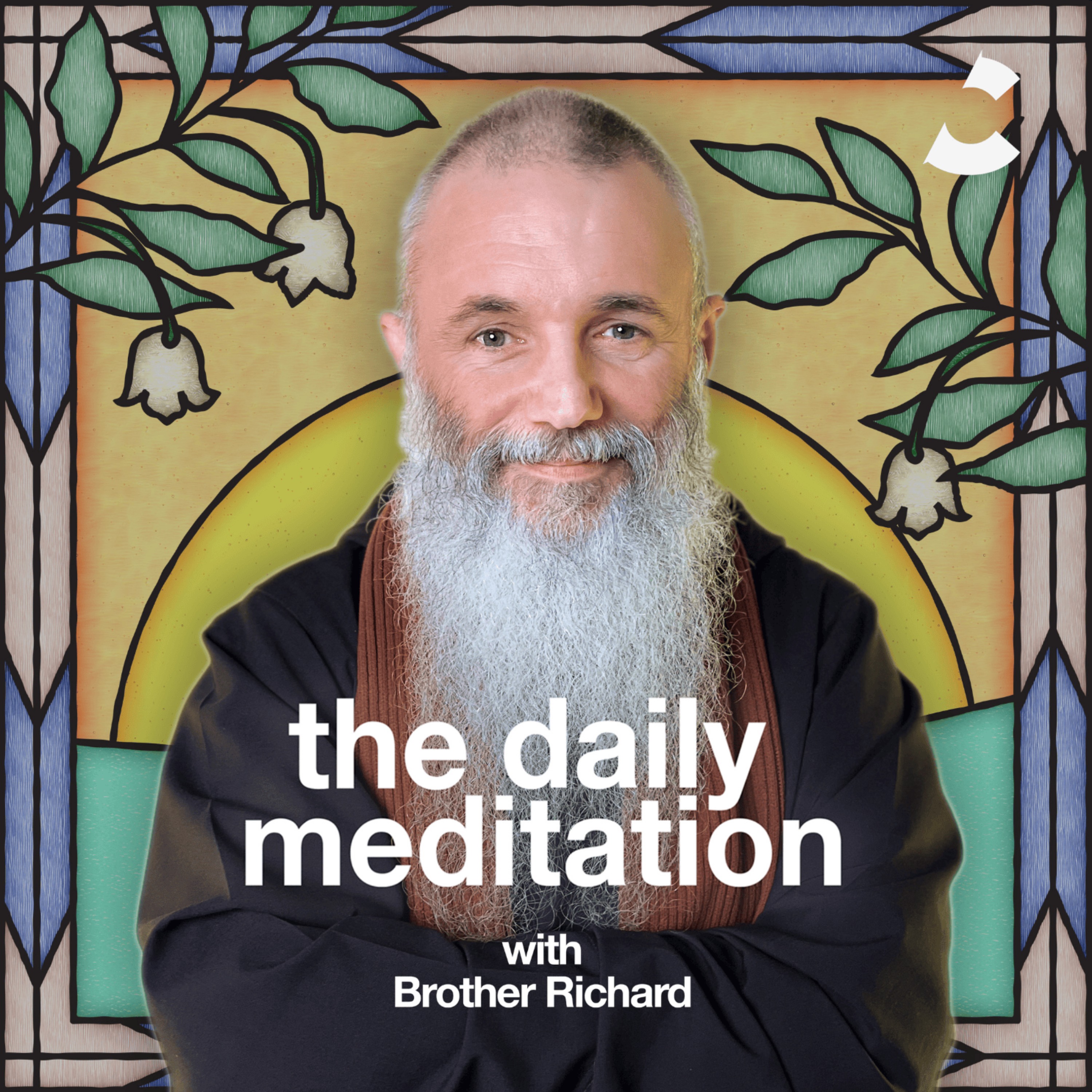
I feel jealous of my daughter's in-laws. How do I stop comparing? | Agony Aunties

11 min

Listen through the publisher, then discuss the episode here or arrange an in-person Roundtable. Your city determines where to meet.

Roundtables are designed for groups of four, with a shared subject and room for everyone to speak. Come for discussion, with no dating expectation.

How can you stop feeling jealous of your child’s in-laws? Psychotherapist Julia Samuel explores how to process feeling far away from an adult child, and how to maintain closeness despite distance. This week's listener is a mother whose adult daughter lives far away, while her partner's mother lives nearby and has more money to spend on holidays, lunches and family occasions. Although she understands the practical reasons why her daughter sees her in-laws more frequently, she can't help feeling sad, jealous and increasingly left out of her daughter's everyday life. Having spent several difficult years caring for elderly and unwell relatives, the listener and her husband are emotionally exhausted. She misses the spontaneous cups of tea and conversations they once shared with their daughter and worries that she's becoming part of another, closer family. Together, Julia Samuel and her daughters Sophie and Emily discuss why jealousy and grief are natural responses to changing family relationships, how comparisons between parents and in-laws can undermine our sense of worth, and why having more money or time to offer doesn't make someone a more valuable parent. They also explore how feelings of rejection can lead us to withdraw, unintentionally creating even greater distance in the relationships we most want to protect. The Agony Aunties offer practical advice on staying connected across geographical distance, creating meaningful family traditions and communicating feelings of sadness without placing guilt or responsibility on adult children. They also reflect on the importance of nurturing your own relationships and wellbeing, and why the unique bond between a parent and child cannot be replaced by someone else's wealth or availability. Chapters: 00:00 – Feeling jealous of your daughter's in-laws 01:03 – Understanding grief, jealousy and distance 01:49 – Finding ways to stay connected when living apart 03:39 – Why comparing families can damage relationships 04:47 – How to talk to your daughter without blame 05:31 – Remembering your unique value as a parent 06:07 – The emotional toll of caring for elderly relatives 06:43 – Finding fulfilment beyond your children 07:43 – Creating family traditions that bring you together 08:54 – Talking honestly without making your child feel guilty Support and further reading: If you're struggling with changing family relationships, feelings of jealousy or loneliness, the following organisations and resources may be helpful: Family Lives (https://www.familylives.org.uk/) – Support and advice for parents and families navigating relationship difficulties and changing family dynamics. Relate (https://www.relate.org.uk/) – Relationship counselling and support for families, couples and individuals. Mind (https://www.mind.org.uk/) – Information and support for managing difficult emotions, loneliness and mental wellbeing. Carers UK (https://www.carersuk.org/) – Practical and emotional support for people caring for elderly or unwell family members. Please do send in your Agony Aunties questions to: [email protected] You can also watch episodes of Therapy Works on Julia'shttps://www.youtube.com/@juliasamuelmbe/videosYouTube page (https://www.youtube.com/@juliasamuelmbe/videos). Hosts: Julia Samuel, Emily Samuel, Sophie Samuel Producer: Georgie Rutherford Executive Producer: Emily Leahy Video Producer: Darren Michael Hosted on Acast.

Episode information is provided by the publisher. Listening takes place on the publisher’s service.

Listen at the source ↗

Featured places to meet in Palo Alto, CA

Explore these places and arrange a conversation through ThinkMatch.

City guide for Palo Alto, CA

More from Therapy Works

Therapy Works

Andrea McLean on finding happiness after losing everything

72 min

How do you rebuild your life after financial ruin? Andrea McLean joins psychotherapist Julia Samuel to discuss shame, burnout and finding resilience. For more than two decades, Andrea McLean was one of Britain's most recognisable television presenters, best known for her years on Loose Women. But after walking away from her successful career to pursue her own business, her life unravelled. Her business struggled, she became seriously ill and she and her husband eventually lost their home. Behind the public image of success, Andrea was confronting profound feelings of shame, failure and a loss of identity. In this deeply personal conversation with psychotherapist Julia Samuel, Andrea opens up about the emotional consequences of losing everything she had worked for and the reality of financial ruin. She recalls being told that her star had faded, the shame surrounding her two divorces and the devastating impact of financial insecurity. After years of pushing through stress and ignoring h

Discuss this episode

Therapy Works

Therapy has changed our family dynamic. What can I do? | Agony Aunties

15 min

Can therapy change family dynamics for the worse? Psychotherapist Julia Samuel explores what happens when an adult child's growth creates tension at home. This week's listener is a parent whose adult daughter has been in therapy for several years. While they've seen her grow in confidence and become happier, they've also noticed a change in how she relates to the family. Her increasing use of therapeutic language has left them feeling judged, patronised and afraid of saying the wrong thing. Psychotherapist Julia Samuel and her daughters Sophie and Emily explore how therapy can affect family dynamics and why personal growth can sometimes create unexpected tensions in our closest relationships. The listener misses the humour and ease they once shared with their daughter, but worries that speaking up could damage their relationship. Julia shares her own experience of bringing therapy into family life, while Emily reflects on how attending therapy as a young adult affected her relationship

Discuss this episode

Therapy Works

JJ Chalmers on surviving a bomb blast, PTSD and the hidden cost of trauma

62 min

How do you rebuild your life after an extreme trauma? Psychotherapist Julia Samuel speaks to broadcaster JJ Chalmers about living with PTSD. In 2011 JJ Chalmers survived a devastating bomb blast while serving as a Royal Marines commando in Afghanistan. The explosion left him with life-changing injuries and killed three of his fellow servicemen. He went on to rebuild his life, becoming a successful BBC presenter and a familiar face on Strictly Come Dancing. But behind this extraordinary story of resilience, JJ was living with the mental health consequences of trauma that would take more than a decade to fully confront. In this personal conversation with Julia Samuel, JJ Chalmers opens up about living with PTSD, chronic pain and the emotional toll of surviving something so catastrophic. He describes how the military taught him to suppress fear and push through unimaginable circumstances, but how those same survival mechanisms eventually began to affect his everyday life. After years of t

Discuss this episode

Community Poll

Essential services should offer a workable alternative to smartphone-only access.

Share your view, then see how readers voted. No sign-in required. This poll is shared across stories.

Do you agree or disagree?

Choose one answer

Common Quandary

A Common Quandary to discuss

Another conversation to explore, separate from this news story.

You match with a friend's ex from ten years ago. Do you need permission to go out?

A dating app matches you with someone your close friend dated seriously a decade ago. Both are now single and rarely speak, but the breakup was painful at the time. The match asks you to keep the first date private.

Do old relationships create lasting claims over a friend's future choices?

Explore this quandary