Astronomers Discover the Earliest and Most Compact Quasar Pair Ever Found
52 min
Listen through the publisher, then discuss the episode here or arrange an in-person Roundtable. Your city determines where to meet.
Roundtables are designed for groups of four, with a shared subject and room for everyone to speak. Come for discussion, with no dating expectation.
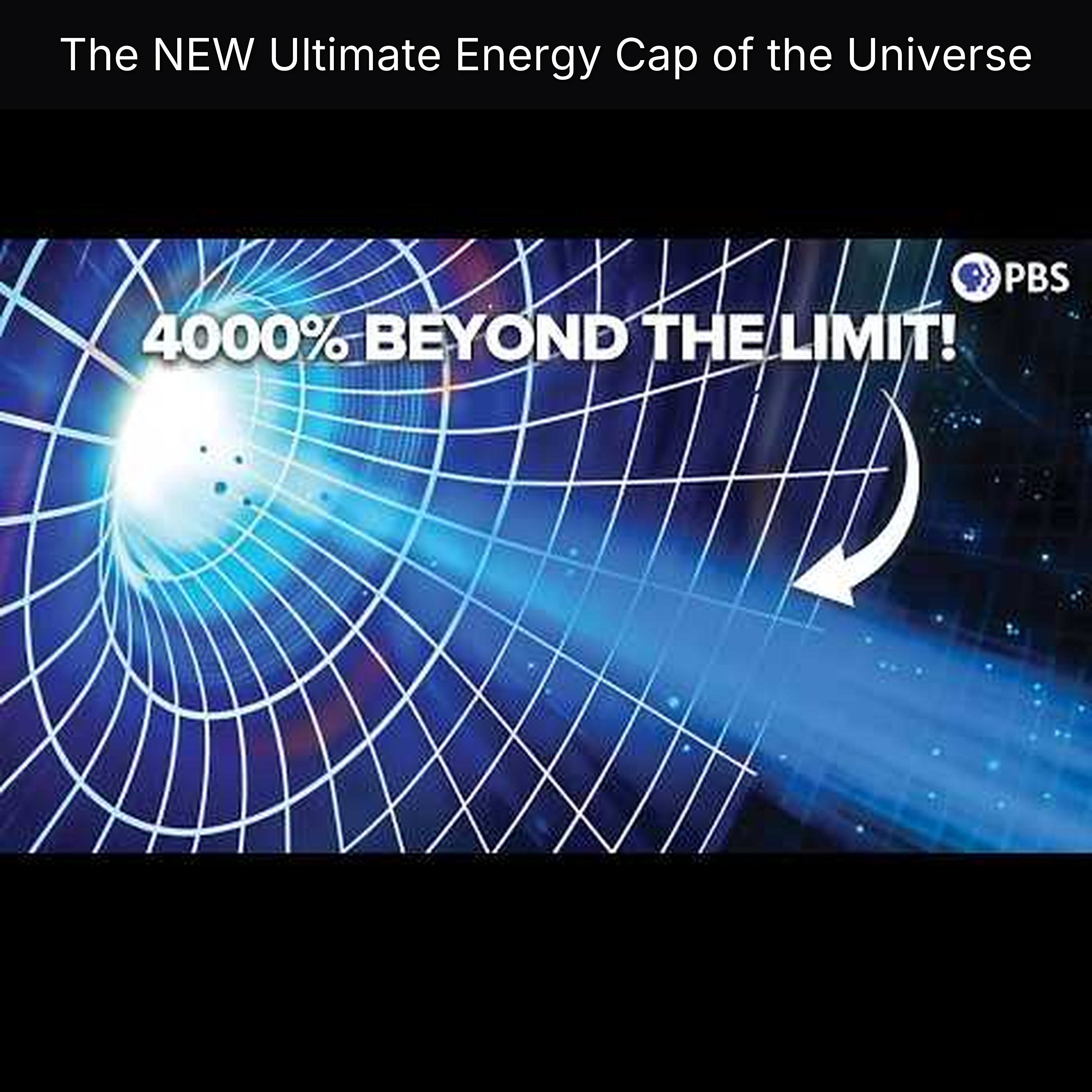
Astronomers have discovered an extraordinarily ancient pair of quasars, powered by supermassive black holes, just 900 million years after the Big Bang. Observed with the James Webb Space Telescope and Gemini North, this tightly packed cosmic duo challenges existing theories about how black holes grew in the early universe. The discovery offers a rare opportunity to investigate the formation of the first massive cosmic structures. This episode includes AI-generated content.
Episode information is provided by the publisher. Listening takes place on the publisher’s service.
Scientists have developed a powerful computational method that could dramatically expand the world of two-dimensional materials. By examining thousands of crystal structures, researchers have uncovered promising candidates with unusual electronic and magnetic properties. The discovery could open new possibilities for next-generation electronics, spintronics, and nanotechnology, revealing how much potential remains hidden in materials we already know. This episode includes AI-generated content.
THE SEARCH FOR THE ULTIMATE RED LIGHT THERAPY IS OVER! After decades of exploring wellness technologies, Michael Jaco sits down with Rob Rene, founder of Exodus Strong, to explore the Red Light+ Total Body Reset system, the science behind red and near-infrared light, and why this technology has become such an important part of their wellness conversation. Rob's remarkable personal journey—including surviving five near-death experiences—inspired his mission to develop practical wellness tools that people can incorporate into their everyday lives. Discover the full-body Red Light+ Mat, designed for convenient 20-minute sessions, and the portable Red Light+ Wand, created for targeted use on areas such as the knees, shoulders, hands, and lower back. Michael and Rob discuss the technology, personal experiences, and how red light therapy may support a daily wellness routine. BLACK FRIDAY–CYBER MONDAY LISTENER EXCLUSIVE! This is your opportunity to explore Exodus Strong's special holiday offe
Explore how the Hubble Space Telescope reveals the Universe, from iconic images to major discoveries, and how it complements the James Webb Space Telescope. "ASTROMAN: the Dark Sky Guardian" is a podcast channel that aims to explore popular science in multiple disciplines and research on interdisciplinary approaches, such as sustainability, dark-sky protection, astrophotography, space exploration, astronomy innovation, inclusive science communication, and STEAM Education by integrating science and arts. Exodus Chun-Long Sit, also known as the ASTROMAN, is a transmedia astronomy educator, popular science author, STEAM educator, and science communicator in Hong Kong. He is recently the National Astronomy Education Coordinator (Chair of Hong Kong, China) of the International Astronomical Union and President of Starrix. He was also an International Committee Member of the Dark Sky International, regularly organizing public lectures at the Hong Kong Space Museum and the Hong Kong Science Mu
One evening, a mother was putting her three-year-old son to bed, just as she'd done countless times before. She read him a story, rubbed his back, and waited for him to fall asleep. But for no apparent reason, she suddenly became overwhelmed by sadness. The feeling was so intense that she began to cry. Later that night, she woke to the unmistakable sounds of someone playing with her son's favorite building blocks. When she went to investigate, she found him sound asleep and his toys put away. But something in the room wasn't quite as she'd left it. Over the following nights, that same unexplained sadness returned. It wasn't until she thought about the time of year, and a heartbreaking loss she'd experienced a decade earlier, that she began to wonder whether these strange occurrences might be connected. Could someone she'd lost have found a way to visit? #RealGhostStoriesOnline #TrueGhostStories #SpiritVisitations #AfterDeathCommunication #SignsFromBeyond #ChildSpirit #ParanormalEncount
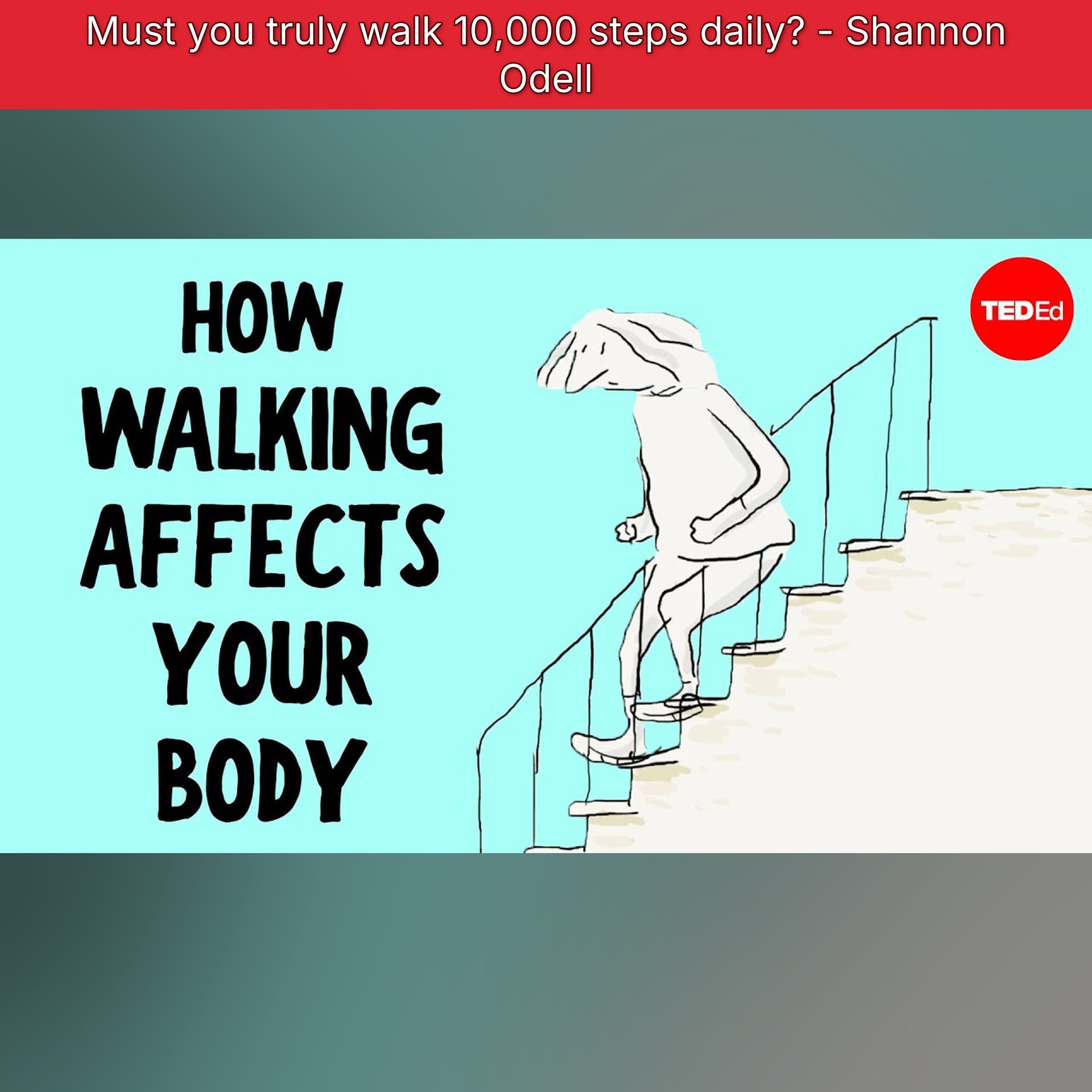
Discover the benefits of walking, and how this simple exercise can positively impact the health of your body and brain. -- For years, Jean Béliveau walked from country to country, with the goal of circumnavigating the globe on foot. While few people have the time or desire to walk such extreme lengths, research shows that adding even a modest amount of walking to your daily routine can dramatically improve your health. So, what exactly happens to your body when you increase your step count? Shannon Odell investigates. Lesson by Shannon Odell, directed by Avi Ofer. This video made possible in collaboration with Speed & Scale Learn more about how TED-Ed partnerships work: https://bit.ly/TEDEdPartner A special thanks to James Sallis and Lawrence Frank who provided information and insights for the development of this video. Support Our Non-Profit Mission ---------------------------------------------- Support us on Patreon: http://bit.ly/TEDEdPatreon Check out our merch: http://bit.ly/TEDED
The Euclid space telescope has uncovered a remarkable collection of cosmic gravitational lenses, offering new opportunities to investigate some of the universe’s greatest mysteries. These natural magnifying glasses reveal distant galaxies through the distortion of light, providing astronomers with valuable clues about dark matter, cosmic structure, and the hidden architecture of the universe. This episode includes AI-generated content.
A mysterious radio signal is drawing astronomers attention with its remarkably regular flashes every eight minutes. Its source challenges expectations about which stellar remnants can produce such signals, while offering a promising new way to uncover hidden objects across our galaxy. This episode includes AI-generated content.
A massive new simulation is offering an unprecedented look at the universe's earliest stages, exploring how the first structures emerged from cosmic darkness. The research provides fresh insights into the mysterious era that shaped the cosmos and how the universe evolved into the vast structure we see today. This episode includes AI-generated content.
A striking scientific discovery should face stronger scrutiny before changing established practice.
Share your view, then see how readers voted. No sign-in required. This poll is shared across stories.
Do you agree or disagree?
Common Quandary
A Common Quandary to discuss
Another conversation to explore, separate from this news story.
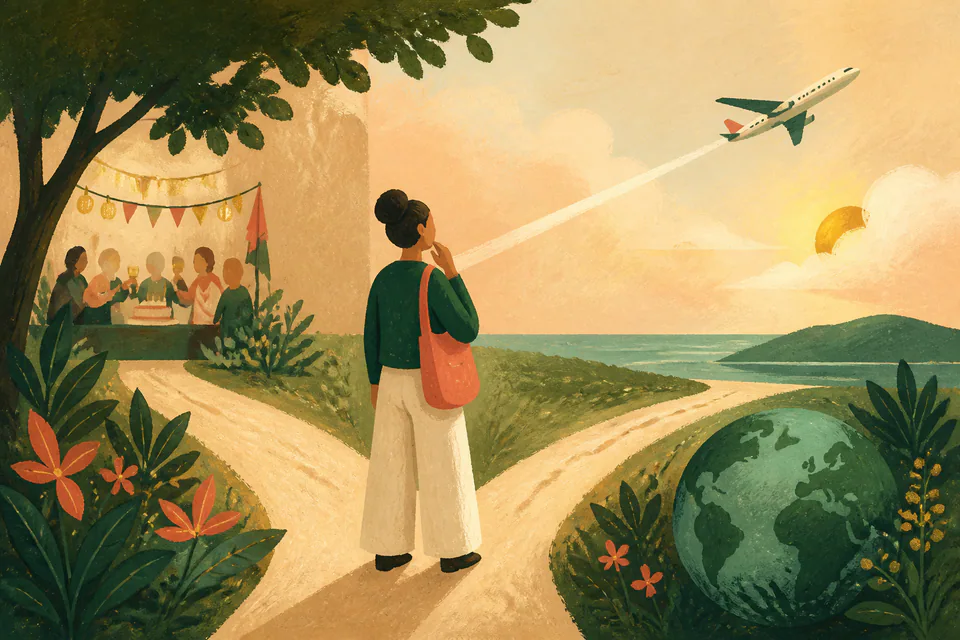
You lecture everyone about climate change—then get invited on a dream flight. Do you go?
A close friend living overseas invites you to an important celebration. Flying is affordable but carbon-intensive. Your individual decision will not determine whether the flight operates, yet it conflicts with commitments you publicly encourage others to make.
When is a small personal contribution to a large harm morally significant?