English-language podcasts

The Science of Happiness

Awe-Makers: Designing Cities for Connection
17 min

Listen through the publisher, then discuss the episode here or arrange an in-person Roundtable. Your city determines where to meet.

Roundtables are designed for groups of four, with a shared subject and room for everyone to speak. Come for discussion, with no dating expectation.

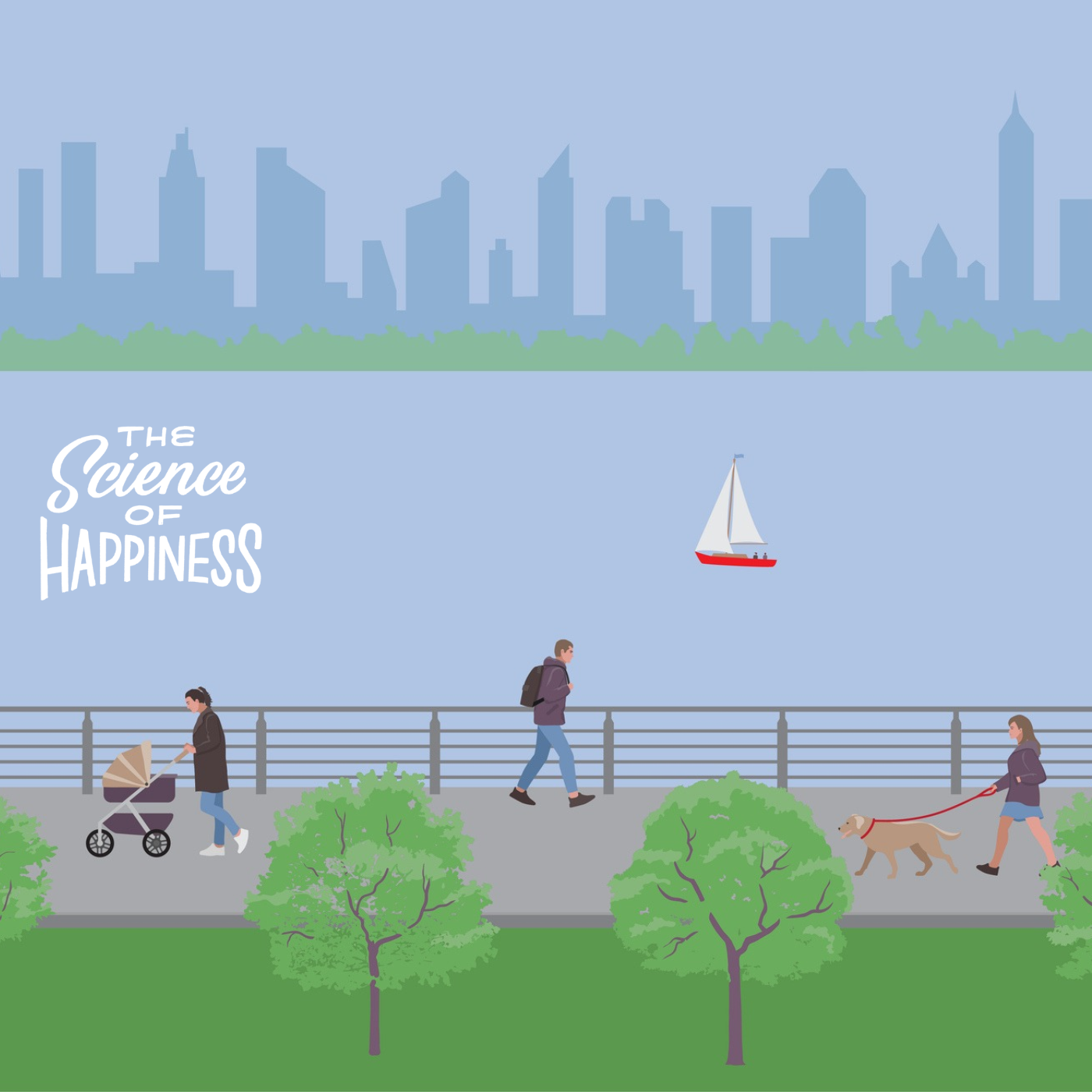
What if our cities were designed to help us slow down, take in the world around us, and connect with the people we encounter every day? Social anthropologist and urban designer Louise Vogel Kielgast shares how thoughtful public spaces can make room for more awe and human connection in everyday life. Summary: The places we live shape how we feel, connect, and experience the world around us. In our new Awe-Makers series, we meet the people reimagining public spaces that make public life thrive. We begin with social anthropologist and urban designer Louise Vogel Kielgast, who shares how thoughtful city design can create more opportunities for awe, from welcoming public spaces and urban nature to everyday encounters with strangers. She explores how putting people, especially children, at the center of urban planning can help build communities where everyone has more room to wonder and connect. How To Do This Practice: Slow down and look around: The next time you're walking, biking, or commuting, take a moment to move at a slower pace. Notice what's happening around you rather than focusing only on where you're going. Explore a shared space: Visit a neighborhood park, farmers market, public garden, waterfront, or town square. Look for places that invite you to pause, explore, and spend time with others. Notice the small wonders: Pay attention to details you might normally overlook, like a beautiful tree, a piece of public art, the sound of music, or an unexpected interaction between strangers. Make room for connection: Smile at someone, make eye contact, or strike up a brief conversation. Even small moments of social connection can help us feel more connected to our communities. See your surroundings through a child's eyes: Notice what might spark a child's curiosity, from an interesting texture to a bird in a tree. Let yourself approach the world with that same sense of openness and discovery. Think about how your community could inspire awe: What would make your neighborhood more welcoming, beautiful, or connected? Consider how you might contribute, whether by supporting a community garden, attending a local event, or advocating for more inviting public spaces. Scroll down for a transcription of this episode. Today’s Guest: LOUISE VOGEL KIELGAST is a social anthropologist and urban designer. Learn more about the Cities of Awe initiative and join a growing community of awe makers by visiting www.citiesofawe.com (http://www.citiesofawe.com/). Related Science of Happiness episodes: Cities of Awe Series:https://tinyurl.com/2vyhxvny An We Walk Through Nature and Possibility:https://tinyurl.com/mr3arrbc Funding for this series is supported by the Gambrell Foundation, who believe a great life grows from strong relationships, a sense of belonging, and moments of awe and wonder. Learn more about their work at gambrellfoundation.org (http://gambrellfoundation.org/). We’d love to hear about your experience with this practice! Share your thoughts at [email protected] or use the hashtag #happinesspod. Find us on Apple Podcasts:https://tinyurl.com/2p9h5aap Help us share Happiness Break! Leave a 5-star review and share this link:https://tinyurl.com/2p9h5aap Transcription: https://tinyurl.com/4h4ykt7r

Episode information is provided by the publisher. Listening takes place on the publisher’s service.

Listen at the source ↗

Featured places to meet in Palo Alto, CA

Explore these places and arrange a conversation through ThinkMatch.

City guide for Palo Alto, CA

More from The Science of Happiness

The Science of Happiness

36 Questions to Spark Intimacy

19 min

What if you could fall in love, or forge deep connections, in just 45 minutes? Our guests, Kristen Meinzer and Jolenta Greenberg of By The Book podcast, try out 36 questions with their partners to see if they can strengthen their connection. Summary: In this episode of The Science of Happiness we explore the science behind the famous 36 questions designed to spark romance and deepen connections between people. Guests Kristen Meinzer and Jolenta Greenberg share what happened when they tried the questions with their husbands, revealing how the practice helped them rediscover intimacy, learn new things about each other, and feel closer. Psychologists Arthur and Elaine Aron, who developed the questions, explain why gradually building vulnerability, listening with care, and sharing openly can strengthen relationships of all kinds. How To Do This Practice: Find a comfortable, quiet space: Set aside about 45 minutes to spend with someone you want to feel closer to. Put away distractions and g

Discuss this episode

The Science of Happiness

The Science of Kindness and Connection

27 min

Psychologist and meditation teacher Tara Brach explores how practicing kindness and compassion can strengthen our relationships, ease loneliness, and help us feel more connected to others. Summary: Kindness can do more than brighten someone's day; it can help us feel happier, less lonely, and more connected to the people around us. On this episode of The Science of Happiness, psychologist and meditation teacher Tara Brach explores the science of kindness, self-compassion, and how we can keep our hearts open during difficult times. She also shares her RAIN practice, a four-step approach to meeting challenging emotions with greater awareness and care. How To Practice RAIN: Recognize: Notice what you're feeling. Name the emotion or experience that's present, whether it's anger, fear, sadness, or something else. Allow: Let the feeling be there without trying to push it away or change it. Remind yourself, “This belongs.” Investigate: Get curious about what's underneath the emotion. Ask your

Discuss this episode

The Science of Happiness

Happiness Break: A Practice in Saying Yes

9 min

Discover how practicing acceptance can help you let go of fear, open your heart, and meet life's challenges with greater love and compassion. How To Do This Practice: Begin With Acceptance: Take a moment to acknowledge whatever is happening in your life right now, without trying to change, resist, or judge it. Repeat the Affirmation: Slowly read or repeat these words, allowing yourself to take in their meaning: I am thankful for the enduring capacity to love that has come to me from the sacred heart of the universe. May everything that happens to me today open my heart more and more. Reconnect With Love: Remember that your capacity to love endures, no matter what challenges you face or how others treat you. Practice Loving-Kindness: Consider how your thoughts, words, feelings, and actions can express kindness toward yourself, those close to you, and all beings. Look for Opportunities to Give Love: Think about how you can be a compassionate presence for someone who feels alone, lost, or

Discuss this episode

Community Poll

Changing a public decision in response to new evidence is a sign of responsible leadership.

Share your view, then see how readers voted. No sign-in required. This poll is shared across stories.

Do you agree or disagree?

Choose one answer

Common Quandary

A Common Quandary to discuss

Another conversation to explore, separate from this news story.

You wear an expensive outfit once and return it spotless. Clever or dishonest?

You buy an expensive outfit for a single event, keep it spotless, and return it the next day. The store's generous policy allows returns without asking whether an item was worn.

Does exploiting a policy differ from breaking a rule?

Explore this quandary