English-language podcasts

Everyday Wellness: Midlife Hormones, Menopause, and Science for Women 35+

BONUS: A Detailed Guide to Healthy Hormones with Dr. Lara Briden | Hormones, Women's Health, Healthy Hormones
68 min

Listen through the publisher, then discuss the episode here or arrange an in-person Roundtable. Your city determines where to meet.

Roundtables are designed for groups of four, with a shared subject and room for everyone to speak. Come for discussion, with no dating expectation.

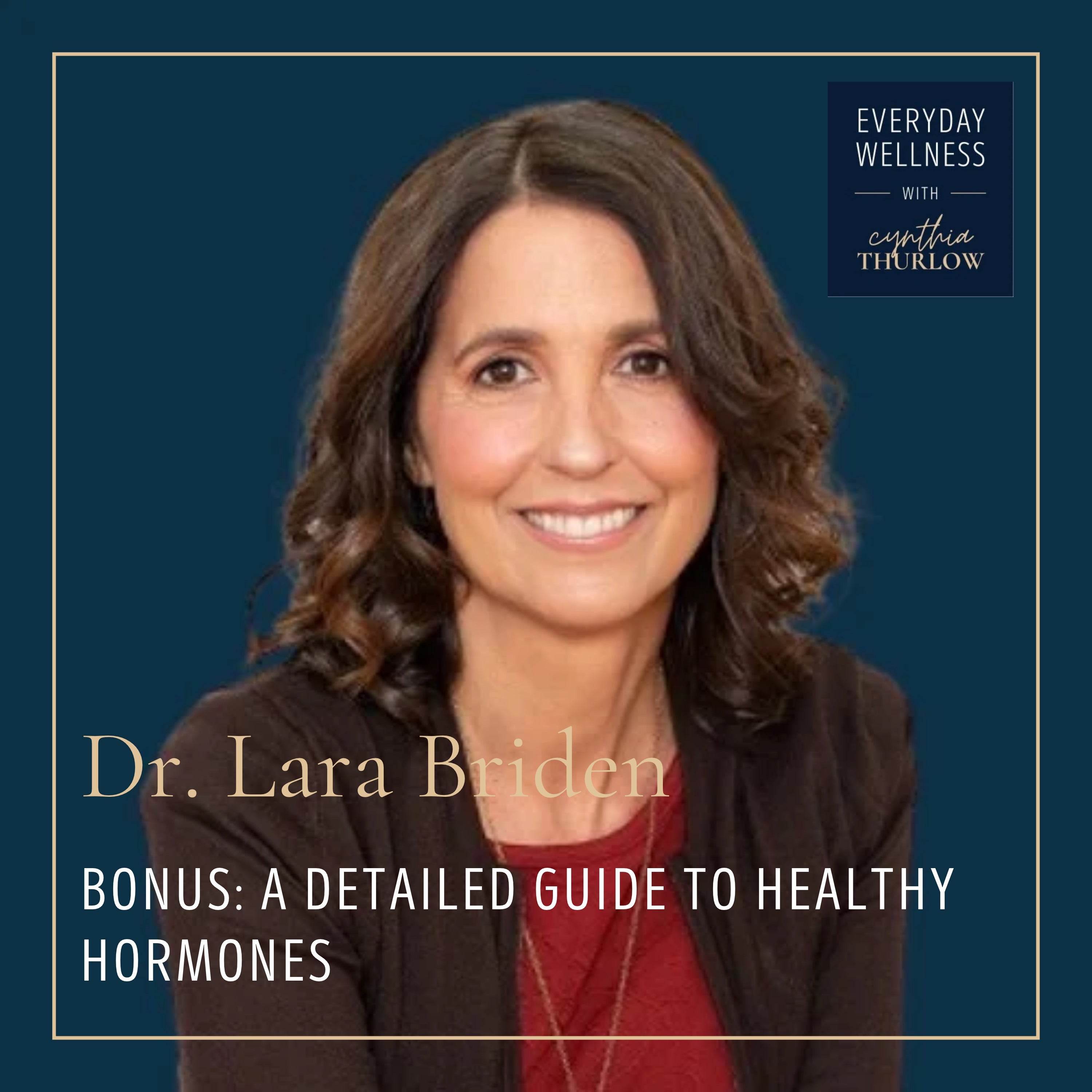
I am excited to connect with Dr. Lara Briden today! She is one of my favorite naturopathic doctors and the author of the bestselling books Period Repair Manual and Hormone Repair Manual. She has 25 years of experience in women's health, and she currently has consulting rooms in Christchurch, New Zealand, where she treats women with PCOS, PMS, endometriosis, perimenopause, and many other hormone- and period-related health problems. Dr. Briden is a wealth of information! She brings a fresh perspective and a positive voice to the health and wellness space, and I often recommend her book, Hormone Repair Manual, to my clients and patients. Today, she and I dive into her background as an evolutionary biologist and discuss how she became passionate about supporting and advocating for women throughout their lives. We talk about perspectives on aging, what the second puberty (perimenopause) is, and the impact of histamine, mast cell granulation, and estrogen. We discuss fat redistribution in middle age and the loss of insulin sensitivity. We speak about how using alcohol impacts brain health, sleep, the gut microbiome, appetite, cravings, and hinders estrogen metabolism. We also touch on ways to address dysfunctional uterine bleeding in middle age, how middle age affects the nervous system, and the role of inflammatory foods, including dairy. I hope you enjoy our discussion as much as I did! Stay tuned for more! IN THIS EPISODE YOU WILL LEARN: Dr. Briden’s journey from evolutionary biology to becoming an advocate for women’s health Shifting perspectives on aging and embracing the changes of midlife Understanding why perimenopause remains widely misunderstood and when symptoms can begin The connection between hormonal fluctuations, histamine responses, and the “second puberty” of perimenopause Fat redistribution during midlife and the metabolic challenges associated with menopause and modern lifestyles Natural treatments and hormone therapy options for managing heavy perimenopausal bleeding The potential link between cow’s dairy and inflammatory reactions What women should know about hormonal changes following a partial or complete hysterectomy Estrogen’s role in brain health and the effects of alcohol on the body Exploring hormone therapy options while considering effectiveness and potential side effects Connect with Cynthia Thurlow Cynthia’swebsite (https://cynthiathurlow.com/). Submit your questions to [email protected] The Midlife Pause Supplement Line (https://themidlifepause.com/) Connect with Dr. Lara Briden Website (https://www.larabriden.com/) OnFacebook (https://m.facebook.com/LaraBriden?_rdr=),Instagram (https://www.instagram.com/larabriden/), and X (https://x.com/LaraBriden) Dr. Briden’sblog (https://www.larabriden.com/blog/) Dr. Briden’s podcast, The Period Revolutionary (https://www.larabriden.com/podcast/) Books mentioned: Period Repair Manual (https://amzn.to/3OrkHBi)(for women in their 20s and 30s) by Dr. Lara Briden Hormone Repair Manual (https://amzn.to/3v7UqRw) (for women of 40-plus) by Dr. Lara Briden The XX Brain: The Groundbreaking Science Empowering Women to Maximize Cognitive Health and Prevent Alzheimer's Disease (https://www.amazon.com/Brain-Groundbreaking-Empowering-Cognitive-Alzheimers/dp/0593083113) by Lisa Mosconi, PhD

Episode information is provided by the publisher. Listening takes place on the publisher’s service.

Listen at the source ↗

Featured places to meet in Palo Alto, CA

Explore these places and arrange a conversation through ThinkMatch.

City guide for Palo Alto, CA

More from Everyday Wellness: Midlife Hormones, Menopause, and Science for Women 35+

Everyday Wellness: Midlife Hormones, Menopause, and Science for Women 35+

Ep. 672 Heart Health Differences in Men and Women with Dr. Troy Badger | Heart Health, Menopause & Cardiovascular Risk, Preventive Cardiology

68 min

Today, I’m honored to connect with Dr. Troy Badger. He is a board-certified cardiologist and interventionalist and the founder of Cardiostrong, a concierge preventive cardiology clinic in Provo, Utah, focused on reducing cardiovascular risk, optimizing metabolic health, and improving strength and cardiorespiratory fitness for executives and athletes. In today’s conversation, we discuss Dr. Badger’s gender- and age-specific approach to heart health, including treatment differences for men and women, and diagnoses such as INOCA, SCAD, vasospastic disease, and Takotsubo. We examine emotions and their influence on heart health, coronary ischemia and cardiomyopathies, labs and diagnostics, how Dr. Badger assesses risk in his patients, and the differences between a CAC and a CCTA. Dr. Badger also shares the labs he finds essential for all patients and discusses the role of VO2 Max, cardiovascular training, and lifestyle—specifically nutrition, the use of GLP-1 drugs, and a multidisciplinary

Discuss this episode

Everyday Wellness: Midlife Hormones, Menopause, and Science for Women 35+

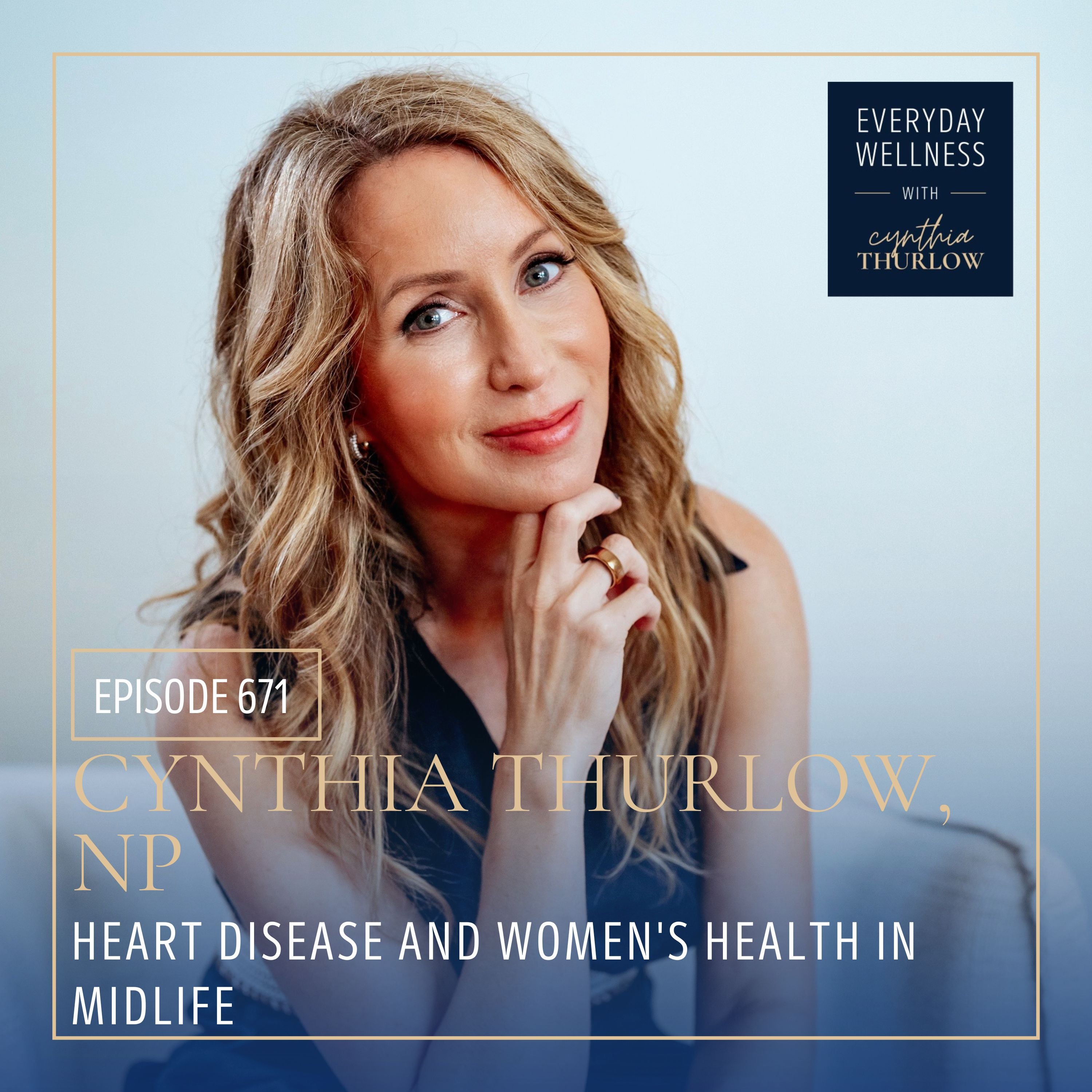
Ep. 671 Heart Disease and Women's Health in Midlife | Menopause, Cardiovascular Health, Women’s Health

18 min

Heart disease remains the leading cause of death among women, yet many women are unaware of their cardiovascular risks or the ways heart disease can present differently in women than in men. Today, I'm continuing our Metabolic Health Midlife Minute series with an important discussion about women's cardiovascular health. Drawing on my years of experience in cardiology, I explain why women are often diagnosed later, why their symptoms may be overlooked or dismissed, and how decades of underrepresentation in cardiovascular research have contributed to ongoing differences in diagnosis and treatment. I discuss the symptoms women may experience during a heart attack, the importance of cardiac rehabilitation, and why traditional cardiovascular risk calculators may not provide a complete picture of individual risk. I also explore coronary microvascular disease, the cardiovascular changes associated with perimenopause and menopause, and the importance of understanding markers such as Lp(a), Apo

Discuss this episode

Everyday Wellness: Midlife Hormones, Menopause, and Science for Women 35+

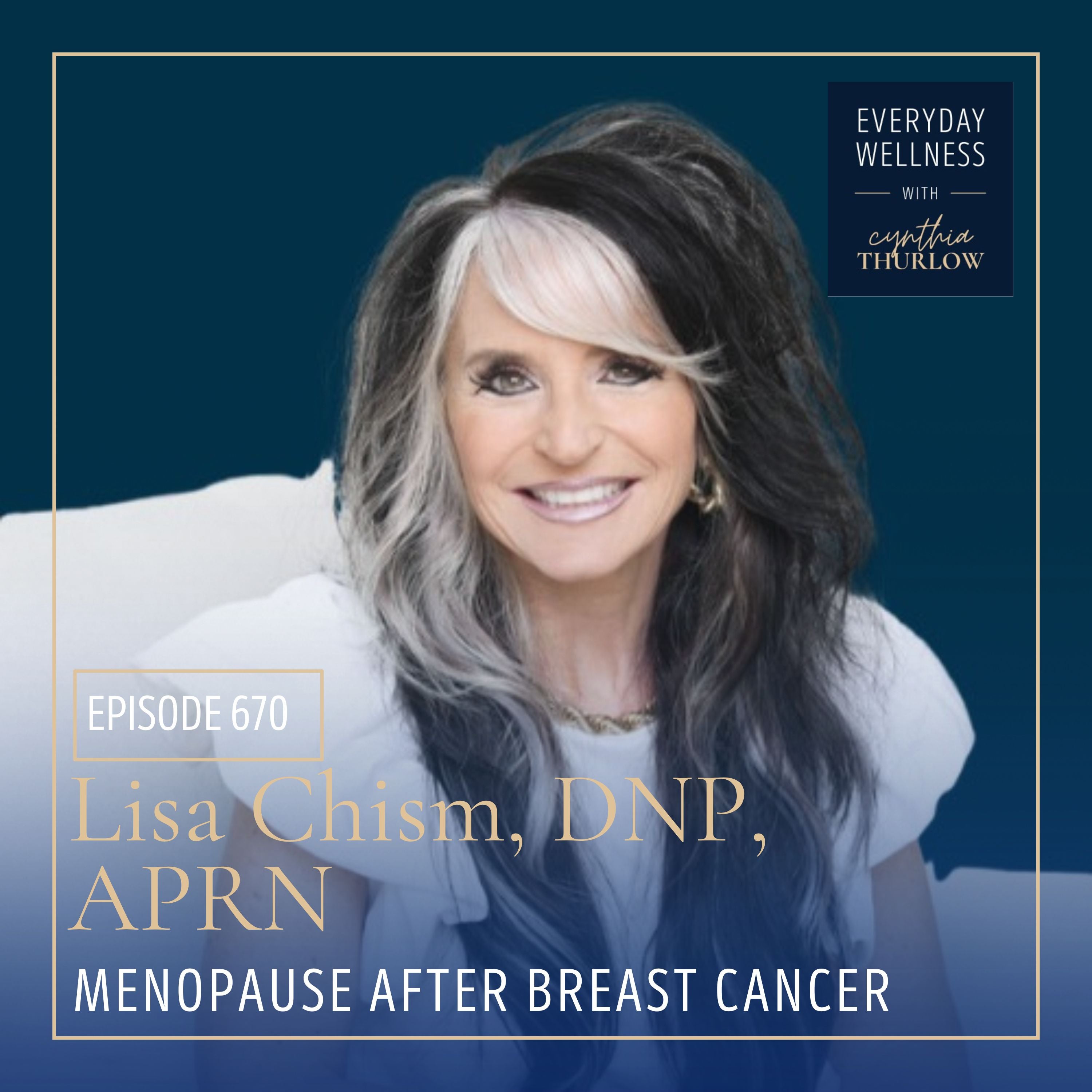
Ep. 670 Menopause After Breast Cancer with Lisa Chism, DNP, APRN | Menopause Symptoms, Breast Cancer, Women's Hormone Health

64 min

Today, I am delighted to welcome back my friend and colleague, Lisa Chism, NP. Lisa has more than three decades of nursing experience and has spent many years caring for women diagnosed with breast cancer and those at elevated risk. She holds specialty certifications in menopause, sexual health, and breast care and is a fellow of both the American Academy of Nursing and the American Association of Nurse Practitioners. After listeners asked for more conversations about breast cancer survivorship and nonhormonal treatment options, I was the first person I thought of inviting back to the podcast. In our conversation, we discuss why survivorship care should begin at diagnosis, how chemotherapy can trigger temporary or permanent menopause, and why fertility considerations deserve attention early in treatment. We explore breast density, individualized screening, and the growing role of AI in breast cancer risk assessment. Lisa explains how tamoxifen and aromatase inhibitors affect menopausal

Discuss this episode

Community Poll

Reinterpreting familiar stories for new audiences is usually worthwhile.

Share your view, then see how readers voted. No sign-in required. This poll is shared across stories.

Do you agree or disagree?

Choose one answer

Common Quandary

A Common Quandary to discuss

Another conversation to explore, separate from this news story.

Would you want a doctor to give you a fake pill if the lie might make you feel better?

A patient has persistent symptoms that have not responded to standard treatments. A harmless placebo may help, but its effect could weaken if the clinician fully explains that it contains no active medicine.

Can a beneficial deception respect the person it helps?

Explore this quandary