English-language podcasts

TED-Ed

Can you outsmart the apples and oranges fallacy? - Elizabeth Cox
9 min

Listen through the publisher, then discuss the episode here or arrange an in-person Roundtable. Your city determines where to meet.

Roundtables are designed for groups of four, with a shared subject and room for everyone to speak. Come for discussion, with no dating expectation.

Dig into the false analogy fallacy, which assumes that because two things share a characteristic, they must be alike in other respects. Uploaded 05-04-21 -- It’s 1997. The United States Senate has called a hearing about global warming. Some expert witnesses point out that past periods in Earth’s history were warmer than the 20th century. Because such variations existed long before humans, they claim the current trend is also the result of natural variation. Can you spot the problem with this argument? Elizabeth Cox explores the false analogy fallacy. Lesson by Elizabeth Cox, directed by TOGETHER. Support Our Non-Profit Mission ---------------------------------------------- Support us on Patreon: http://bit.ly/TEDEdPatreon Check out our merch: http://bit.ly/TEDEDShop ---------------------------------------------- Connect With Us ---------------------------------------------- Sign up for our newsletter: http://bit.ly/TEDEdNewsletter Find us on Twitter: http://bit.ly/TEDEdTwitter Peep us on Instagram: http://bit.ly/TEDEdInstagram ---------------------------------------------- Keep Learning ---------------------------------------------- View full lesson: https://ed.ted.com/lessons/can-you-outsmart-the-apples-and-oranges-fallacy-elizabeth-cox Dig deeper with additional resources: https://ed.ted.com/lessons/can-you-outsmart-the-apples-and-oranges-fallacy-elizabeth-cox#digdeeper (https://ed.ted.com/lessons/can-you-outsmart-the-apples-and-oranges-fallacy-elizabeth-cox) Animator's website: https://wearetogether.ca/ ---------------------------------------------- Thank you so much to our patrons for your support! Without you this video would not be possible! Ryan Weiler, Jesse Lira, Ezekiel Raui, Itay Levi, Cameron Chakraverty, Petr Vacek, Rhys Patterson, Dennis, Margaret King, Olivia Fu, Katrina Adams, Regina Post, Mary Collins, Kari Teffeau, clumsybunnie, Adam Leos, Jeremy Laurin, Cindy Lai, Liz, Hannah Nommé, Rajath Durgada Manjunath, Dan Nguyen, Chin Beng Tan, Alejandro Gomez, Tom Boman, Karen Warner, Isorn Sookwanish, Iryna Panasiuk, Diane Gallin, Aaron Torres, Janice ESL, Vasundhar, Dessislava Vassileva, Denka Wee, Daru Bhargav, Brett Kaufman, Amy, Michael Clement, Christopher Lye, Ghaith Tarawneh, Nathan Milford, Tomas Beckett, Alice Ice, Kurt Paolo Sevillano, Max Salas, Xavi Ramos, Khoa Nguyen Anh, Ron Kakar, Jennifer Heald and flóra lili donáti.

Episode information is provided by the publisher. Listening takes place on the publisher’s service.

Listen at the source ↗

Featured places to meet in Palo Alto, CA

Explore these places and arrange a conversation through ThinkMatch.

City guide for Palo Alto, CA

More from TED-Ed

TED-Ed

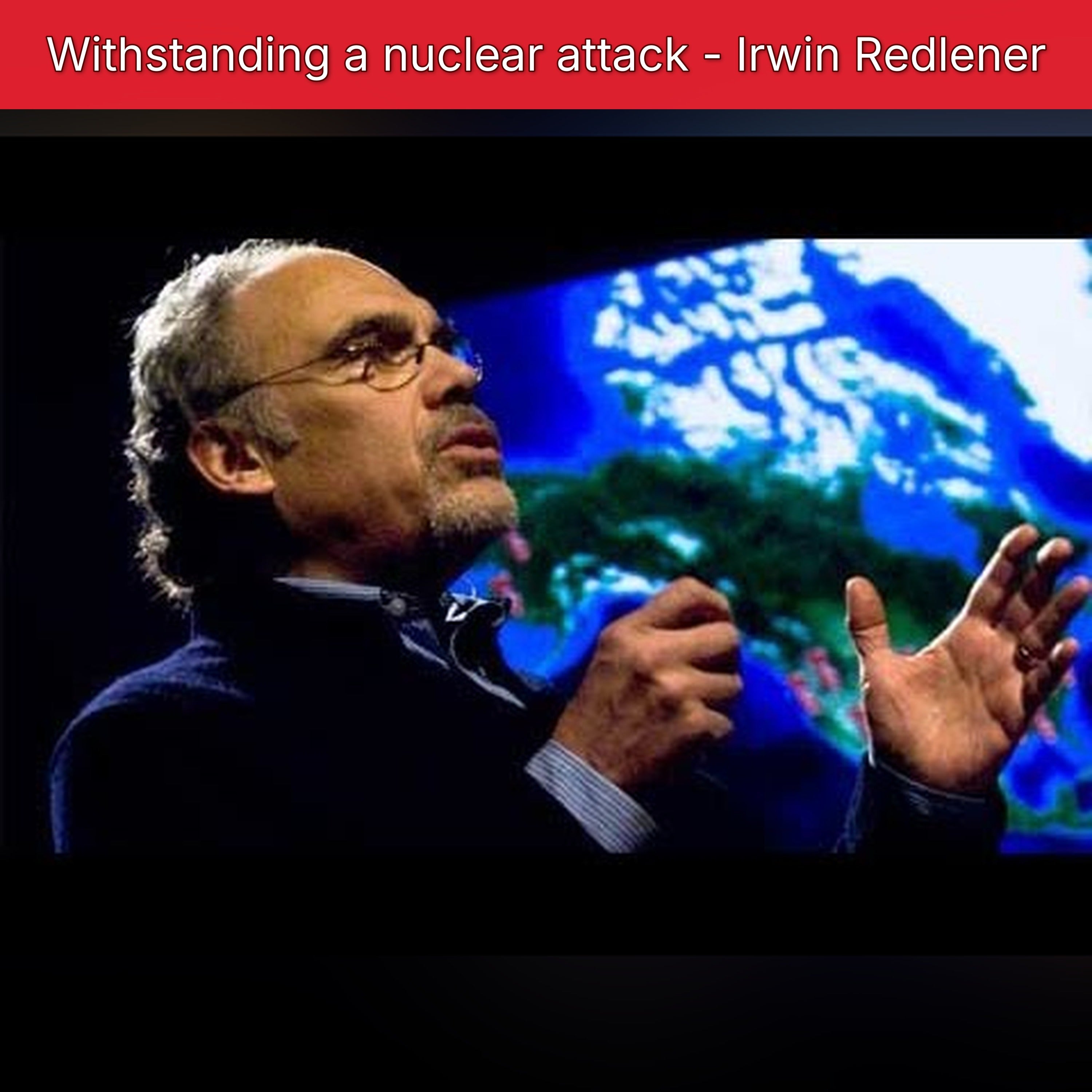
Withstanding a nuclear attack - Irwin Redlener

33 min

View full lesson: http://ed.ted.com/lessons/surviving-a-nuclear-attack-irwin-redlener The face of nuclear terror has changed since the Cold War, but disaster-medicine expert Irwin Redlener reminds us the threat is still real. He looks at some of history's farcical countermeasures and offers practical advice on how to survive an attack. Talk by Irwin Redlener.

Discuss this episode

TED-Ed

The true reason polio poses such a threat

10 min

Explore what makes polio so dangerous, what is causing the 21st century resurgence of cases, and how we can eradicate the disease. -- In 1952, polio was everywhere: killing or paralyzing roughly half a million people annually. Yet just 10 years later, paralytic polio cases in the US dropped by 96% and we were on track to get rid of polio for good. But in recent years, the virus started striking back. So, what’s behind these recent spikes? Explore the dangers of poliovirus and the possibility of eradicating this deadly disease. Directed by Anton Bogaty. This video made possible in collaboration with Gates Ventures Learn more about how TED-Ed partnerships work: https://bit.ly/TEDEdPartner A special thanks to Ananda Bandyopadhyay, Amber Zeddies, and Kathleen O'Reilly who provided information and insights for the development of this video. Support Our Non-Profit Mission ---------------------------------------------- Support us on Patreon: http://bit.ly/TEDEdPatreon Check out our merch: htt

Discuss this episode

TED-Ed

How to fool a GPS - Todd Humphreys

21 min

Todd Humphreys forecasts the near-future of geolocation when millimeter-accurate GPS "dots" will enable you to find pin-point locations, index-search your physical possessions ... or to track people without their knowledge. And the response to the sinister side of this technology may have unintended consequences of its own. (Filmed at TEDxAustin.) Uploaded 26-06-13 Talk by Todd Humphreys.

Discuss this episode

Community Poll

Sporting success should include character and contribution, not only winning.

Share your view, then see how readers voted. No sign-in required. This poll is shared across stories.

Do you agree or disagree?

Choose one answer

Common Quandary

A Common Quandary to discuss

Another conversation to explore, separate from this news story.

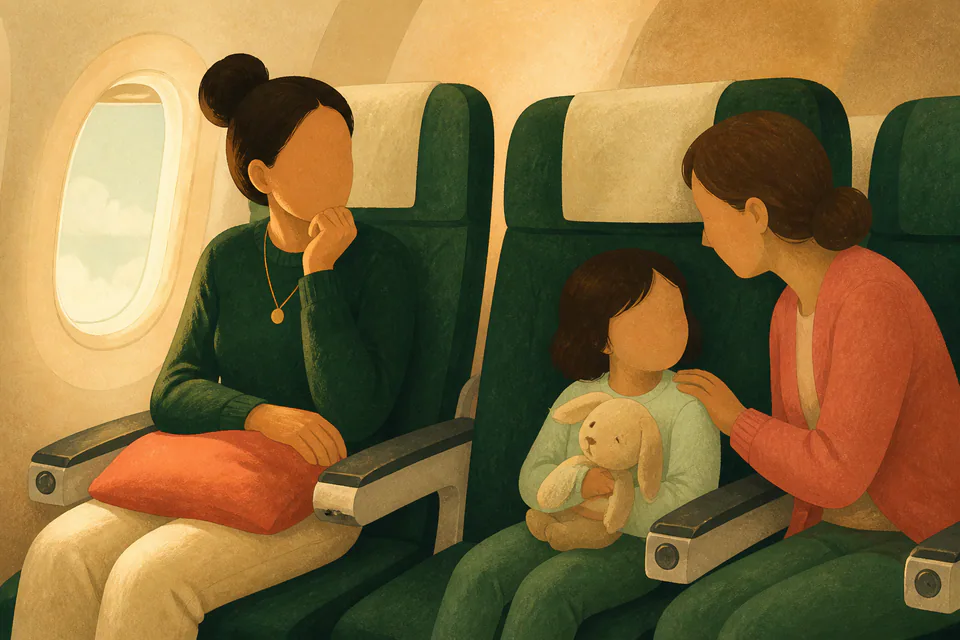
You paid extra for the aisle seat. Must you trade with a parent?

You reserved and paid extra for an aisle seat on a long flight. A parent asks you to trade for a middle seat so they can sit beside their young child after the airline separated them.

When does another person's predicament become your responsibility?

Explore this quandary