Diffuse Large B-Cell Lymphoma — A Grand Rounds Program
62 min
Listen through the publisher, then discuss the episode here or arrange an in-person Roundtable. Your city determines where to meet.
Roundtables are designed for groups of four, with a shared subject and room for everyone to speak. Come for discussion, with no dating expectation.
Featuring a presentation by Dr Matthew Matasar, including the following topics: Selection of First-Line Therapy for Patients with Diffuse Large B-Cell Lymphoma (DLBCL) (0:00) Clinician Survey Results Regarding First-Line Treatment of DLBCL (11:41) Current and Future Roles of Monoclonal and Bispecific Antibodies in Therapy for Relapsed/Refractory (R/R) DLBCL (16:01) Clinician Survey Results Regarding the Use of Monoclonal and Bispecific Antibodies for R/R DLBCL (28:47) Evidence-Based Incorporation of Antibody-Drug Conjugates (ADCs) into the Management of R/R DLBCL (34:34) Clinician Survey Results Regarding the Use of ADCs for R/R DLBCL (46:31) Discussion of Questions from the Community (50:20) CME information and select publications (https://researchtopractice.com/GR2026/DLBCL)
Episode information is provided by the publisher. Listening takes place on the publisher’s service.
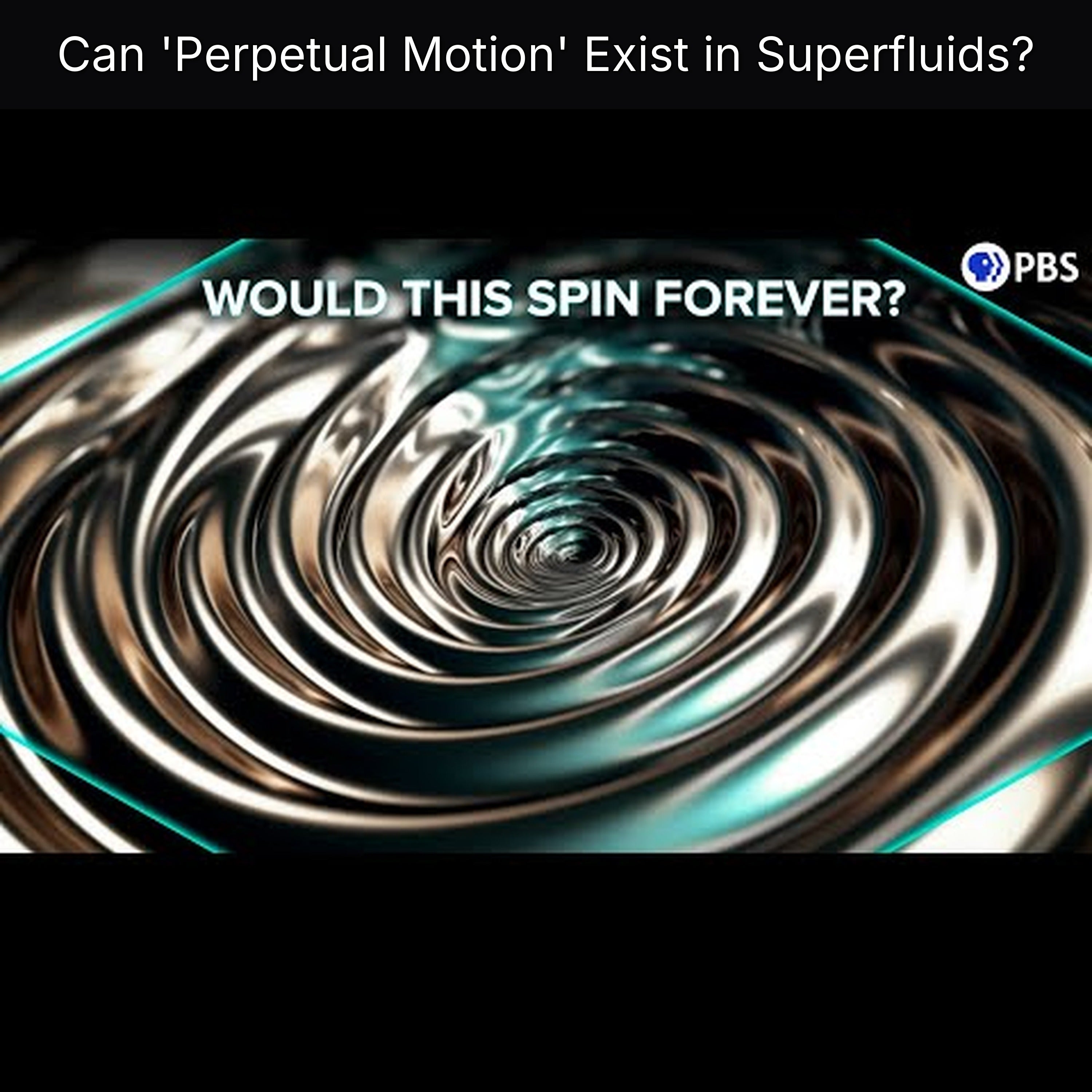
Thank you to Brilliant for Supporting PBS. To learn more go to https://brilliant.org/SpaceTime/ PBS Member Stations rely on viewers like you. To support your local station, go to:http://to.pbs.org/DonateSPACE Sign Up on Patreon to get access to the Space Time Discord! The weird rules of quantum mechanics lead to all sorts of bizarre phenomena on tiny scales— particles teleporting through walls or being in multiple places at once or simultaneously existing and not. Shame all this magical behavior doesn’t happen on scales large enough for us to see. Except that there is a way for us to see large-scale quantum weirdness, and that’s Bose-Einstein Condensates & Superfluids. Check out the Space Time Merch Store Sign up for the mailing list to get episode notifications and hear special announcements! Search the Entire Space Time Library Here: https://search.pbsspacetime.com/ Hosted by Matt O'Dowd Written by Fernando Franco Felix & Matt O'Dowd Post Production by Leonardo Scholzer, Yago Ballari
This is a special edition of Keto Consults with Dr. Boz and Jennifer Marie all about updating our audience on Jennifer’s Keto Journey. We’ve spent a lot of our recent time together talking about all different topics relating to the Keto Diet. I encourage you to watch the playlist “Best of Live with Dr. Boz”. It’s a collection of the best topics that we’ve covered on this show: https://bit.ly/2JVWhSj This episode however is all about Jennifer as we try and keep everyone up to date on her Keto Journey. Thanks for tuning into my channel. Find more stories and information at my website: www.BozMD.com BOOK-LINK - ANYWAY YOU CAN. AUDIBLE: https://adbl.co/2SLLfS1 PAPERBACK= (Affilate link) https://amzn.to/2rf1fPP The most common questions I get ... 1) "Doc, what BLOOD METER do you recommend?" ANSWER: FORACARE: http://bit.ly/2QKGmKG For years my diabetics told me this system was great. I tried several others before I bought this one. I can't count the number of times I have tested my blood onl
Trauma and PTSD Expert Arielle Schwartz discusses how journaling and writing practices can help individuals work through trauma and facilitate healing, even without a therapist. She shares practical tips, mental models, and personal insights on trauma, shame, and post-traumatic growth. Sign up for my free Panic Attacks course https://courses.therapyinanutshell.com/ending-panic-attacks-and-anxiety-attacks Can trauma journaling help with healing trauma? In this conversation, Dr. Arielle Schwartz joins me to explore how writing and narrative therapy can support processing and integrating trauma, building self-compassion, and finding greater connection with yourself and others. Whether you’re navigating PTSD, complex PTSD, or painful experiences from your past, approaching your story can feel overwhelming. We discuss how to begin gently, build a foundation of safety, and recognize when it’s time to pause and reach for support. https://drarielleschwartz.com (https://drarielleschwartz.com/)
Paper: https://www.cell.com/cell/fulltext/S0092-8674(24)00779-7 How does stress impact gut health? New science reveals a pathway whereby an emotion regulation center in the brain, the amygdala, signals to intestinal glands in the gut that feed particular good gut bacteria to improve gut health. Stress inhibits this pathway, leading to changes in the microbiome and “tummy troubles.” These new data provide mechanistic insights into how certain stress reduction practices, including those reviewed in this video, may help to improve gut health and reduce unpleasant symptoms – bloating, diarrhea, and constipation – plagues many of us. What’s good for the mind is good for the gut, and what good for the gut is good for the brain. #guthealth #mentalhealth #anxietyrelief Chapters 0:00 – How Does Stress Impact Gut Health? 0:57 – New Paper in Cell 2:40 – Lactobacillus are Fed by Brunner’s Glands 3:29 – Vagus Nerve Controls Brunner’s Glands 4:35 – Bloating. Yikes! 5:04 – The Amygdala controls the M
The first sentence you think in the morning becomes the instructions for your day. Before your feet touch the floor, before you check your phone, before the world gets a single word in, your mind is wide open. Soft, receptive, half in the dream state, ready to accept whatever you tell it. And whatever you say in those first few moments, the subconscious takes as the plan for the day. ⠀ So today the plan is the most powerful one there is. Everything is working out for me. ⠀ Play this the moment you wake up, every morning. Listen in bed, in the shower, with your first cup of coffee. Speak the declarations out loud with me if you can, softly or silently if you need to. A week in you will start to see it. A month in you will start to expect it. Small things line up first. Parking spots. Perfectly timed payments. Kind messages. Then bigger things. One morning you will wake up and realize everything really is working out for you, and it has been all along. ⠀ Free 21-Day Large Sums of Money C
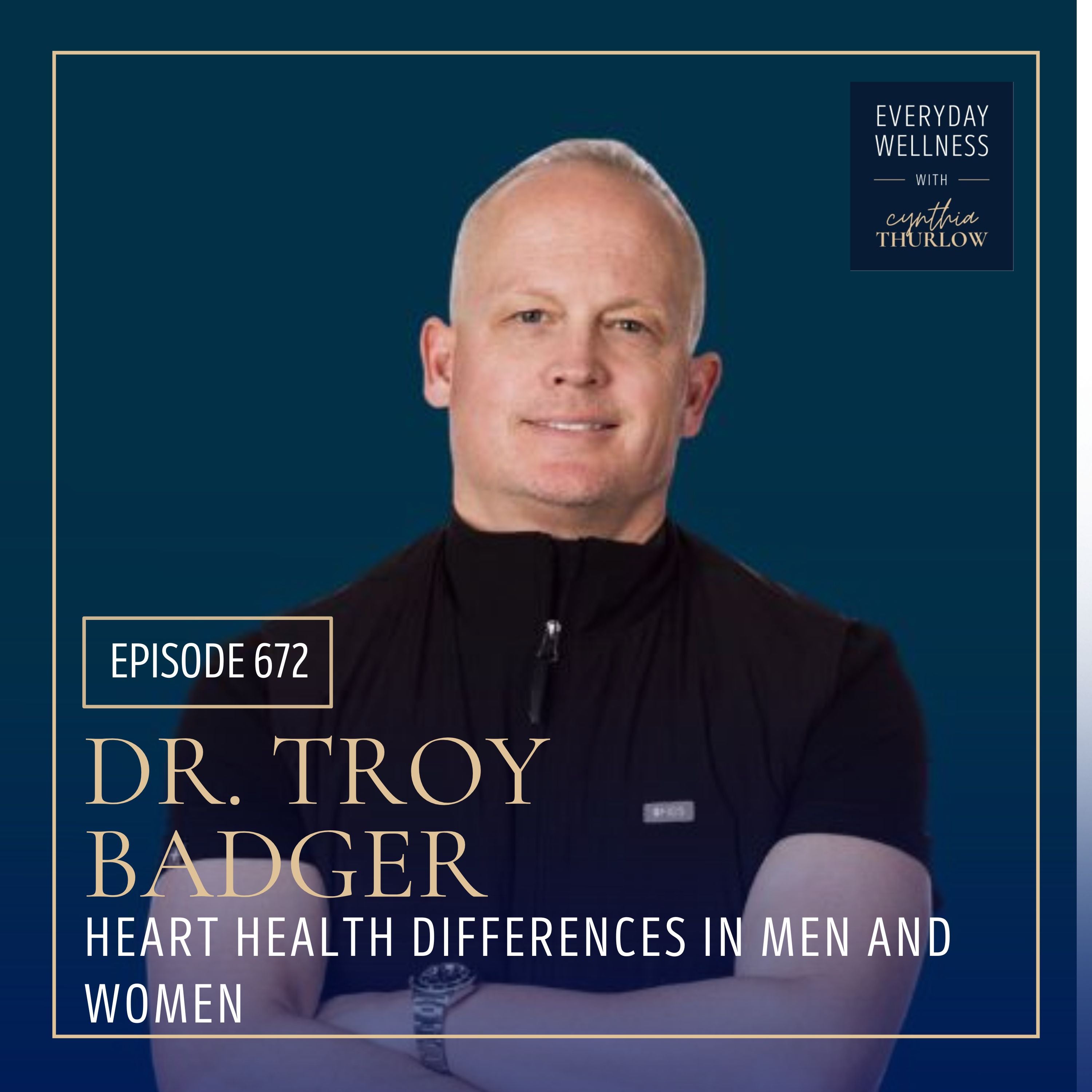
Today, I’m honored to connect with Dr. Troy Badger. He is a board-certified cardiologist and interventionalist and the founder of Cardiostrong, a concierge preventive cardiology clinic in Provo, Utah, focused on reducing cardiovascular risk, optimizing metabolic health, and improving strength and cardiorespiratory fitness for executives and athletes. In today’s conversation, we discuss Dr. Badger’s gender- and age-specific approach to heart health, including treatment differences for men and women, and diagnoses such as INOCA, SCAD, vasospastic disease, and Takotsubo. We examine emotions and their influence on heart health, coronary ischemia and cardiomyopathies, labs and diagnostics, how Dr. Badger assesses risk in his patients, and the differences between a CAC and a CCTA. Dr. Badger also shares the labs he finds essential for all patients and discusses the role of VO2 Max, cardiovascular training, and lifestyle—specifically nutrition, the use of GLP-1 drugs, and a multidisciplinary
Featuring perspectives from Prof Chan Chea and Dr Matthew Matasar, including the following topics: Introduction (0:00) Prologue: Saturday Night Fever (1:35) Baby Boomers' Guide to Mechanisms of Action (3:07) Second-Line Treatment (12:36) Complications Associated with Bispecific Antibodies (23:41) Case Presentations (25:52) New Bispecific T-Cell Engagers — Surovatamig (26:24) Other Novel Agents (50:05) CME information and select publications (https://researchtopractice.com/BispecificsFL2026)
Featuring perspectives from Dr Sagar Lonial and Dr Paul G Richardson, including the following topics: Multiple Myeloma (0:00) Introduction: ESMO 2026; Recent FDA Approvals (1:53) Chimeric Antigen Receptor T-Cell Therapy — Dr Lonial (2:46) Bispecific Antibodies — Dr Lonial (19:16) Antibody-Drug Conjugates — Dr Richardson (37:08) Up-Front Treatment; Cereblon E3 Ligase Modulators — Dr Richardson (50:10) CME information and select publications (https://researchtopractice.com/activity/integrating-new-advances-into-community-oncology-practice-6/)
Featuring perspectives from Dr Neeraj Agarwal and Dr Emmanuel S Antonarakis, including the following topics: Introduction: ESMO 2026; Recent FDA Approvals (0:00) Selection of Endocrine Therapy — Dr Antonarakis (2:24) Utility of PARP Inhibitors — Dr Agarwal (22:59) AKT Inhibition for PTEN-Deficient Disease — Dr Antonarakis (35:42) Radiopharmaceuticals — Dr Agarwal (45:02) CME information and select publications (https://researchtopractice.com/activity/integrating-new-advances-into-community-oncology-practice-7/)
Health systems should prioritize the most urgent needs when capacity is limited.
Share your view, then see how readers voted. No sign-in required. This poll is shared across stories.
Do you agree or disagree?
Common Quandary
A Common Quandary to discuss
Another conversation to explore, separate from this news story.
If a good deed is filmed for likes, is it still a good deed?
A local creator films themselves buying groceries for strangers. The videos generate substantial income, but they also inspire donations and allow the creator to help more people.
Do mixed motives diminish a genuinely helpful act?