English-language podcasts

The Thomistic Institute

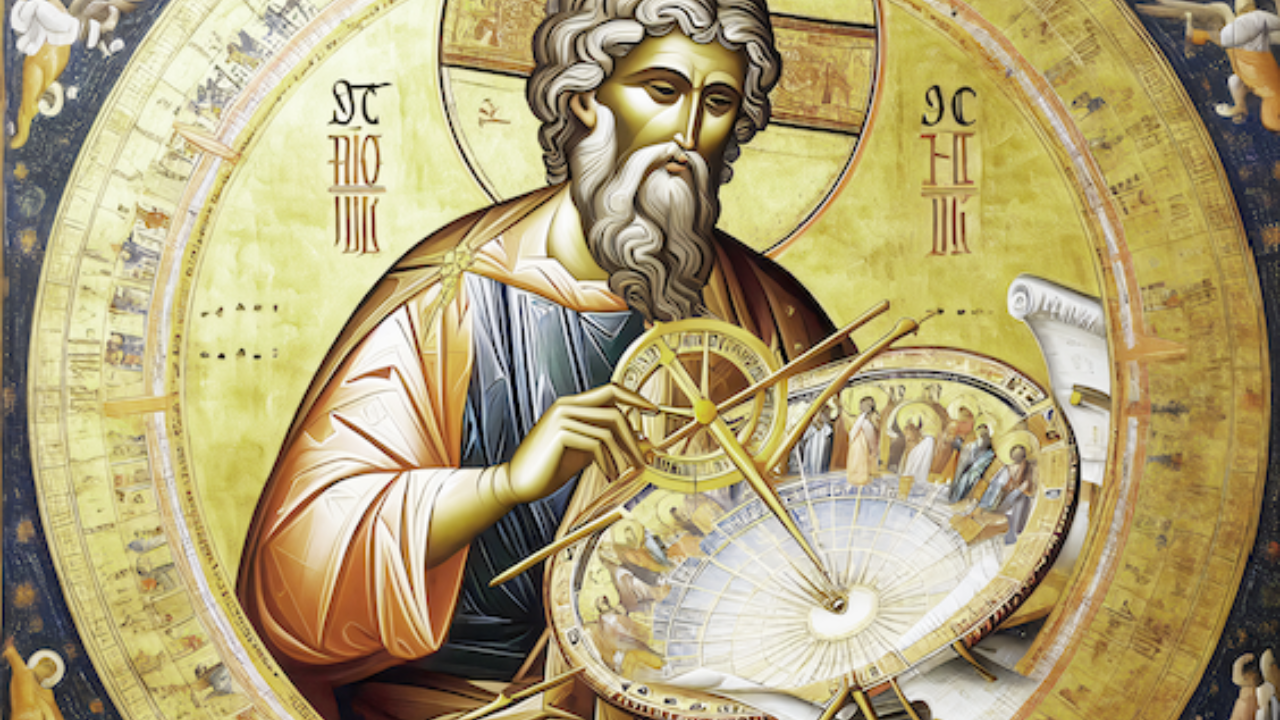
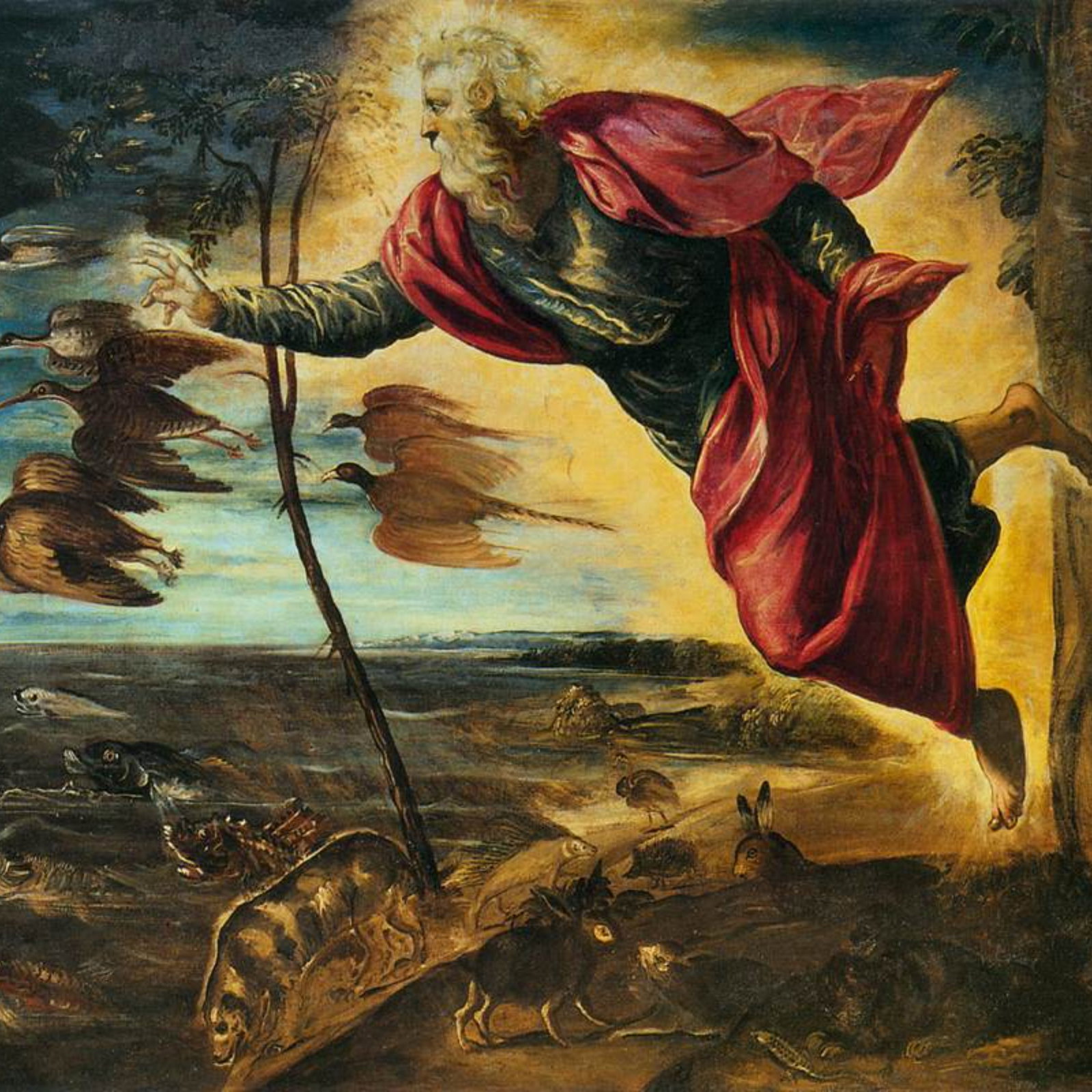
Divine Foreknowledge and Evolutionary Biology - Fr. Timothy Bellamah, O.P.
44 min

Listen through the publisher, then discuss the episode here or arrange an in-person Roundtable. Your city determines where to meet.

Roundtables are designed for groups of four, with a shared subject and room for everyone to speak. Come for discussion, with no dating expectation.

Utilizing St. Thomas Aquinas’s framework of primary and secondary causality, Fr. Timothy Bellamah, O.P. reconciles Catholic doctrine with evolutionary biology by explaining how God governs the world through the natural operations of created things. This lecture was given on September 19th, 2026, at Dominican House of Studies. About the Speaker: Fr. Bellamah was born and raised in Washington, D.C. He entered the Order of Preachers in 1991 and was ordained a priest in 1998. He studied at Wake Forest University (B.S., 1982), the Pontifical Faculty of the Immaculate Conception (M.Div. and S.T.B., 1997; S.T.L, 1999) and the Ecole Pratique des Hautes Etudes, Paris, (Ph.D., Section des sciences Religieuses, 2008). He has previously taught at Providence College in the Department of Theology and the Department of the Development of Western Civilization. From 2010 to 2018 he served as editor of the speculative review The Thomist and is a member of the Leonine Commission, a team of Dominican scholars responsible for the production of critical Latin editions of the writings of St. Thomas Aquinas. He is also currently preparing a critical Latin edition of the Commentary on John’s Gospel by one of St. Thomas’ Dominican contemporaries, William of Alton. Keywords: Divine Foreknowledge, Evolutionary Biology, Causality, Intelligent Design, Naturalism, Teleology, Creationism, Providence, Nature, Faith and Reason, Science

Episode information is provided by the publisher. Listening takes place on the publisher’s service.

Listen at the source ↗

Featured places to meet in Palo Alto, CA

Explore these places and arrange a conversation through ThinkMatch.

City guide for Palo Alto, CA

More from The Thomistic Institute

The Thomistic Institute

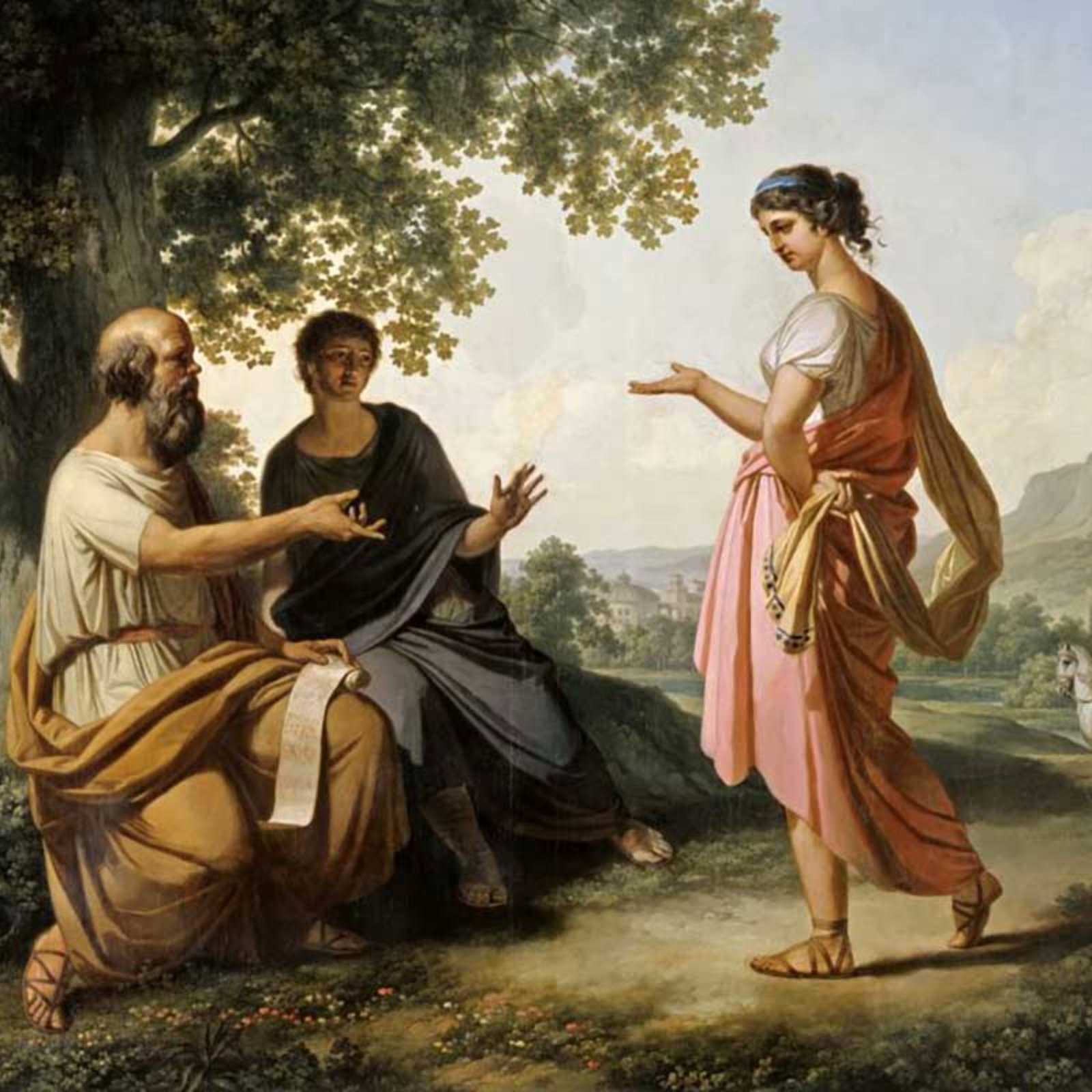
Sexes in the City: Men and Women in Plato's Republic - Dr. Kevin Kambo

54 min

Dr. Kevin Kambo analyzes the classical concept of "homophrosune," or oneness of mind, as a model for integrating the masculine and feminine temperaments of courage and orderliness, providing his listeners with a picture of the sexes harmoniusly unified in the household and city. This lecture was given on September 22nd, 2026, at New York University. About the Speaker: Kevin M. Kambo is an assistant professor of philosophy at the University of Dallas in Irving, TX. Before completing his doctoral studies at the Catholic University of America, he earned a bachelor of science in Chemistry at Stanford University and worked as an intellectual property paralegal in Manhattan, NY. Dr. Kambo specialises in classical Greek philosophy, particularly on Platonic moral psychology and on the dramatic elements of Platonic dialogues. He also works on the reception of Platonic thought through history, from late antique (e.g., in Clement of Alexandria and Augustine of Hippo) through contemporary (e.g., W

Discuss this episode

The Thomistic Institute

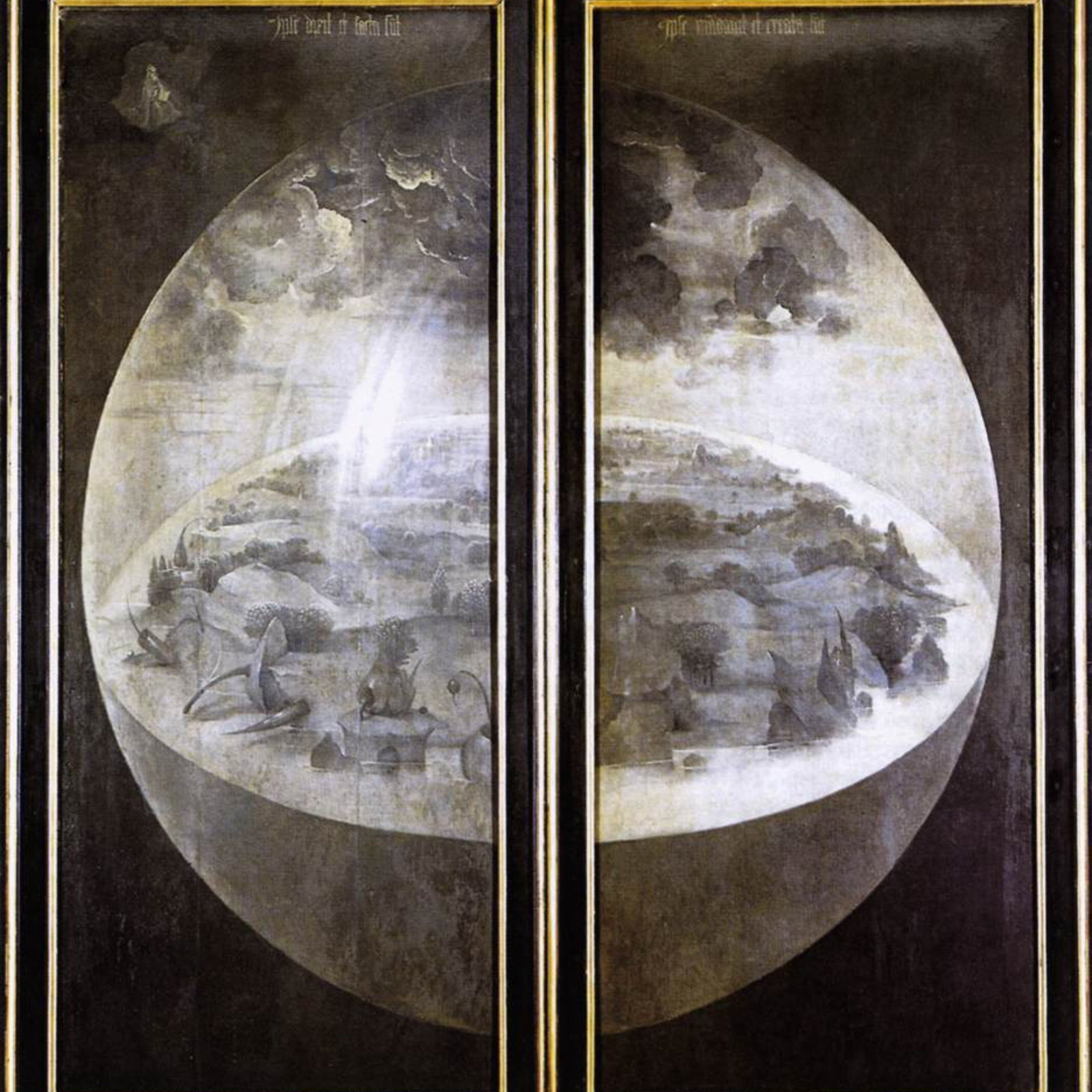
The Life and Times of a Flat-Earther: A Sketch of a Pseudo Controversy - Fr. Timothy Bellamah, O.P.

44 min

By analyzing the writings of Thomas Aquinas and other historical records, Fr. Timothy Bellamah, O.P. debunks the pseudo-controversy of the medieval "flat-earth" myth to demonstrate that the Church has long supported scientific inquiry. This lecture was given on September 20th, 2026, at Dominican House of Studies. About the Speaker: Fr. Bellamah was born and raised in Washington, D.C. He entered the Order of Preachers in 1991 and was ordained a priest in 1998. He studied at Wake Forest University (B.S., 1982), the Pontifical Faculty of the Immaculate Conception (M.Div. and S.T.B., 1997; S.T.L, 1999) and the Ecole Pratique des Hautes Etudes, Paris, (Ph.D., Section des sciences Religieuses, 2008). He has previously taught at Providence College in the Department of Theology and the Department of the Development of Western Civilization. From 2010 to 2018 he served as editor of the speculative review The Thomist and is a member of the Leonine Commission, a team of Dominican scholars responsi

Discuss this episode

The Thomistic Institute

The Goodness of Love - Prof. Scott J. Roniger

48 min

Because the modern erosion of language has obscured our understanding of the good, Prof. Scott J. Roniger argues that we must recover an authentic, ecstatic definition of love grounded in community to overcome cultural despair. This lecture was given on September 18th, 2026, at Vanderbilt University. About the Speaker: Dr. Scott J. Roniger is Associate Professor of Philosophy at Loyola Marymount University in Los Angeles, where he directs the Lonergan Center for Catholic Faith and Culture. He held the Fr. Robert H. Taylor, SJ Chair in Philosophy from 2022-2024. Dr. Roniger earned a Baccalaureate in Sacred Theology (STB), summa cum laude, and a Masters of Sacred Theology, magna cum laude, from the Pontifical University of St. Thomas Aquinas in Rome. He then earned a Master of Arts in Philosophy from the University of Chicago and a Licentiate in Philosophy (Ph.L.), summa cum laude, from the Pontifical University of the Holy Cross in Rome. He earned his doctorate in philosophy, with disti

Discuss this episode

Community Poll

Officials should explain how public consultation changed their final decision.

Share your view, then see how readers voted. No sign-in required. This poll is shared across stories.

Do you agree or disagree?

Choose one answer

Common Quandary

A Common Quandary to discuss

Another conversation to explore, separate from this news story.

You lecture everyone about climate change—then get invited on a dream flight. Do you go?

A close friend living overseas invites you to an important celebration. Flying is affordable but carbon-intensive. Your individual decision will not determine whether the flight operates, yet it conflicts with commitments you publicly encourage others to make.

When is a small personal contribution to a large harm morally significant?

Explore this quandary