Listen through the publisher, then discuss the episode here or arrange an in-person Roundtable. Your city determines where to meet.
Roundtables are designed for groups of four, with a shared subject and room for everyone to speak. Come for discussion, with no dating expectation.
Could your diet be keeping you awake? We sit down with registered dietitian and sleep nutrition expert Karman Meyer, RDN, author of Eat to Sleep, to uncover the surprising connection between food and sleep. From sleep-supporting nutrients and everyday foods to supplements that may impact your ability to catch some Z's, we explore what the science actually says. Find out how a few strategic changes to your eating habits could help you sleep more soundly!
Episode information is provided by the publisher. Listening takes place on the publisher’s service.
If you are in your 30s or 40s, eating the way you always have and moving the way you always have, and your body has stopped responding the same way, you are not imagining it. Your weight, energy, sleep, and cravings can all shift at once. And the advice most of us fall back on (eat less, push harder, add another supplement) was built for a body you do not have anymore. In this episode of The Ovary Club, I sit down with my dear friend Keri Glassman to talk about what is actually changing in your body during these two decades and the "healthy" habits that may be working against you now. We get into why skipping breakfast and long fasts can backfire for women, what years of stress can do to your cortisol curve, why cutting carbs can shortchange both your hormones and your muscle, and the simple ingredient prep system Keri has relied on for decades to eat well during the busiest weeks. Keri Glassman is a nationally recognized registered dietitian, bestselling author, and the founder of the
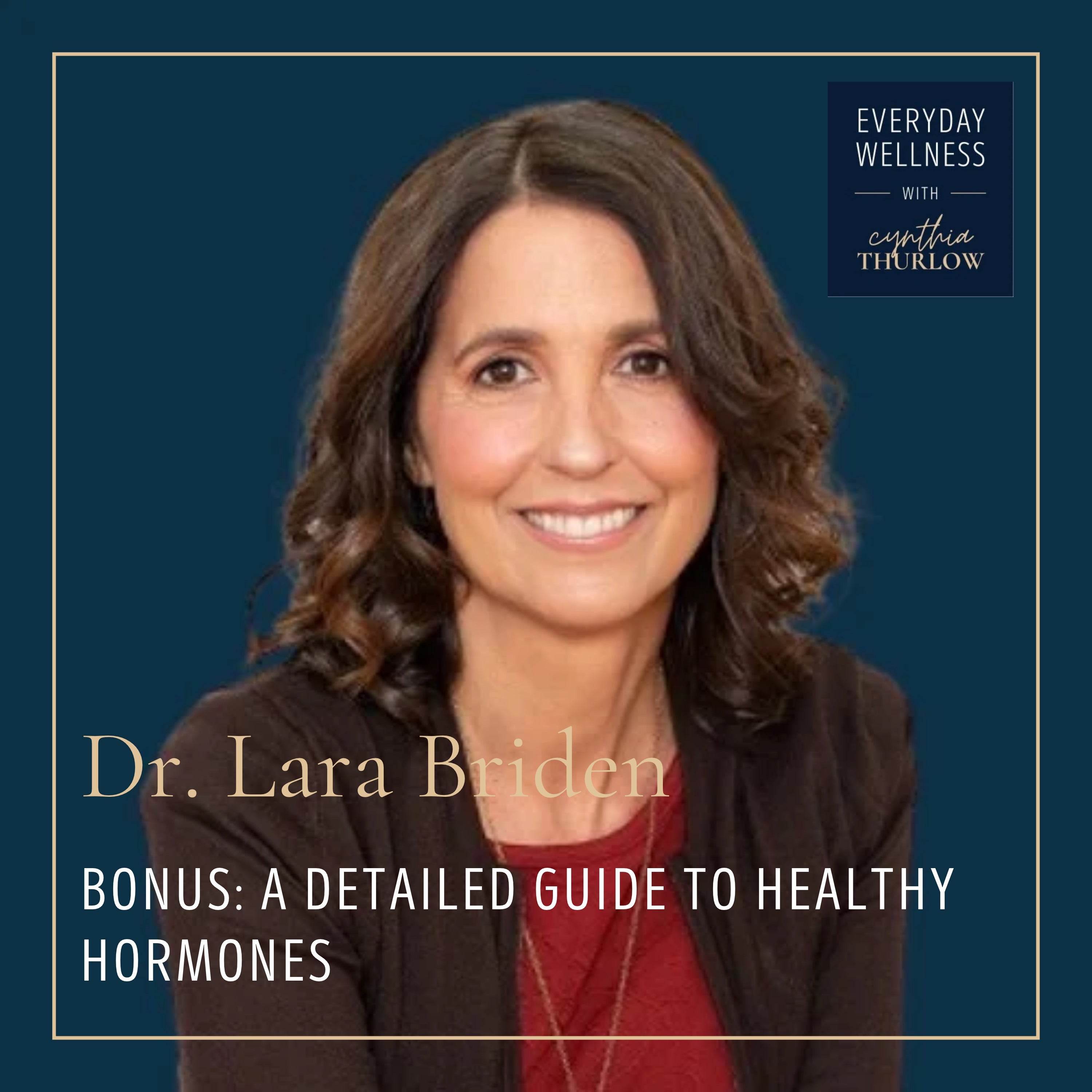
I am excited to connect with Dr. Lara Briden today! She is one of my favorite naturopathic doctors and the author of the bestselling books Period Repair Manual and Hormone Repair Manual. She has 25 years of experience in women's health, and she currently has consulting rooms in Christchurch, New Zealand, where she treats women with PCOS, PMS, endometriosis, perimenopause, and many other hormone- and period-related health problems. Dr. Briden is a wealth of information! She brings a fresh perspective and a positive voice to the health and wellness space, and I often recommend her book, Hormone Repair Manual, to my clients and patients. Today, she and I dive into her background as an evolutionary biologist and discuss how she became passionate about supporting and advocating for women throughout their lives. We talk about perspectives on aging, what the second puberty (perimenopause) is, and the impact of histamine, mast cell granulation, and estrogen. We discuss fat redistribution in mi
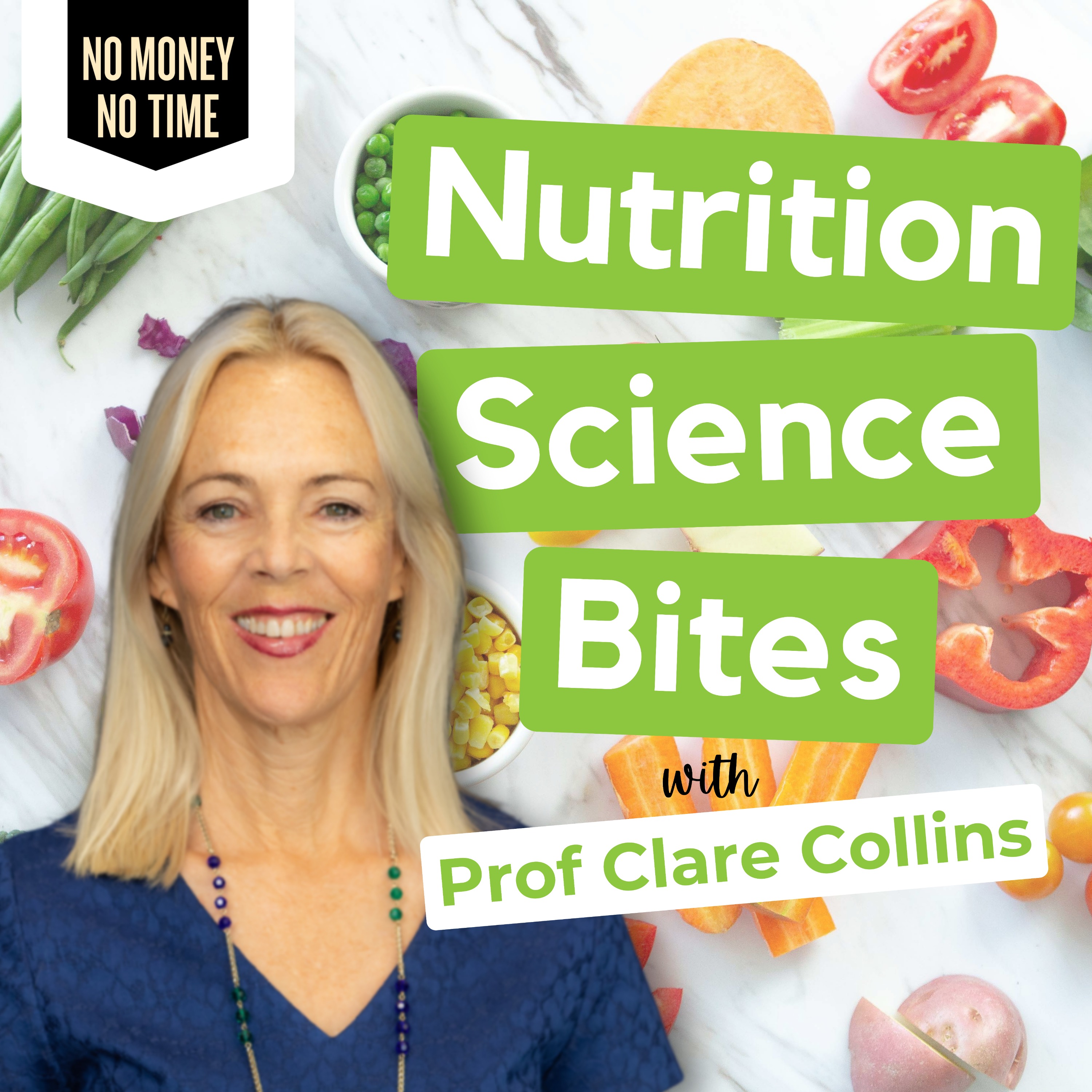
Professor Clare Collins speaks with Melbourne dietitian and gut-health researcher Sarah Melton about diet stacking, which is the phenomena of combining multiple dietary strategies at the same time, often without a clear plan. Diet stacking can severely limit food choice,, increase stress and reduce the number of foods a person feels confident to eat. They discuss how 'stacked diets' risk not being nutritional adequate, how restrictions can affect nutrition, health and wellbeing, and why diagnosis and professional guidance are important - before removing foods from your usual intake. Key Topics Diet stacking is an increasing phenomenon that clinicians are seeing Gut conditions can include identifiable diseases, like coeliac disease and inflammatory bowel disease, and disorders of gut-brain interaction, like irritable bowel syndrome. The more diets that are stacked, the more food groups excluded and the greater the risk for poor nutrition, health and wellbeing Some diet combinations may
Get Dr. Vonda's insights Want to understand what's happening in your body — and what to do next? Each week, Dr. Vonda shares science-backed guidance on strength, bone health, muscle, and longevity — the same way she speaks to her patients. Clear. Practical. No noise. Weight loss was never the real goal. It's losing the fat that harms us while keeping the muscle that protects us. With GLP-1s on the rise and midlife women hitting fat loss walls, getting this right matters more than ever. Dr. Bill Campbell, professor of exercise science and director of the Performance and Physique Enhancement Laboratory at the University of South Florida. We talk about the two keys to fat loss without muscle loss: resistance training and protein. Bill explains what "heavy" really means, why protein may be an underrated fat loss tool, and how poor sleep can stall fat loss in perimenopause. Because in midlife, the smartest strategy isn't always doing more, it's doing what works. What we explore: - How resis
Does eating more protein and doing more resistance training actually help you lose more fat and preserve muscle? Or could you be doing far more than you need to? In this fascinating episode of the Optimal Protein Podcast, Vanessa Spina welcomes exercise physiology researcher Mikael Kanaan, MSc, to explore two new studies challenging conventional thinking about protein requirements, resistance training, and body recomposition during fat loss. What happens when researchers compare three different protein intakes during calorie restriction? Does dramatically increasing resistance-training volume offer greater protection against muscle loss? The findings may surprise you! They also dive into fascinating research on metabolic adaptation, including why your metabolism can slow down during weight loss—even when you maintain or gain muscle—and whether diet breaks can help restore your metabolic rate. Plus, an eye-opening discussion about how testosterone, estrogen, cortisol, and insulin influe
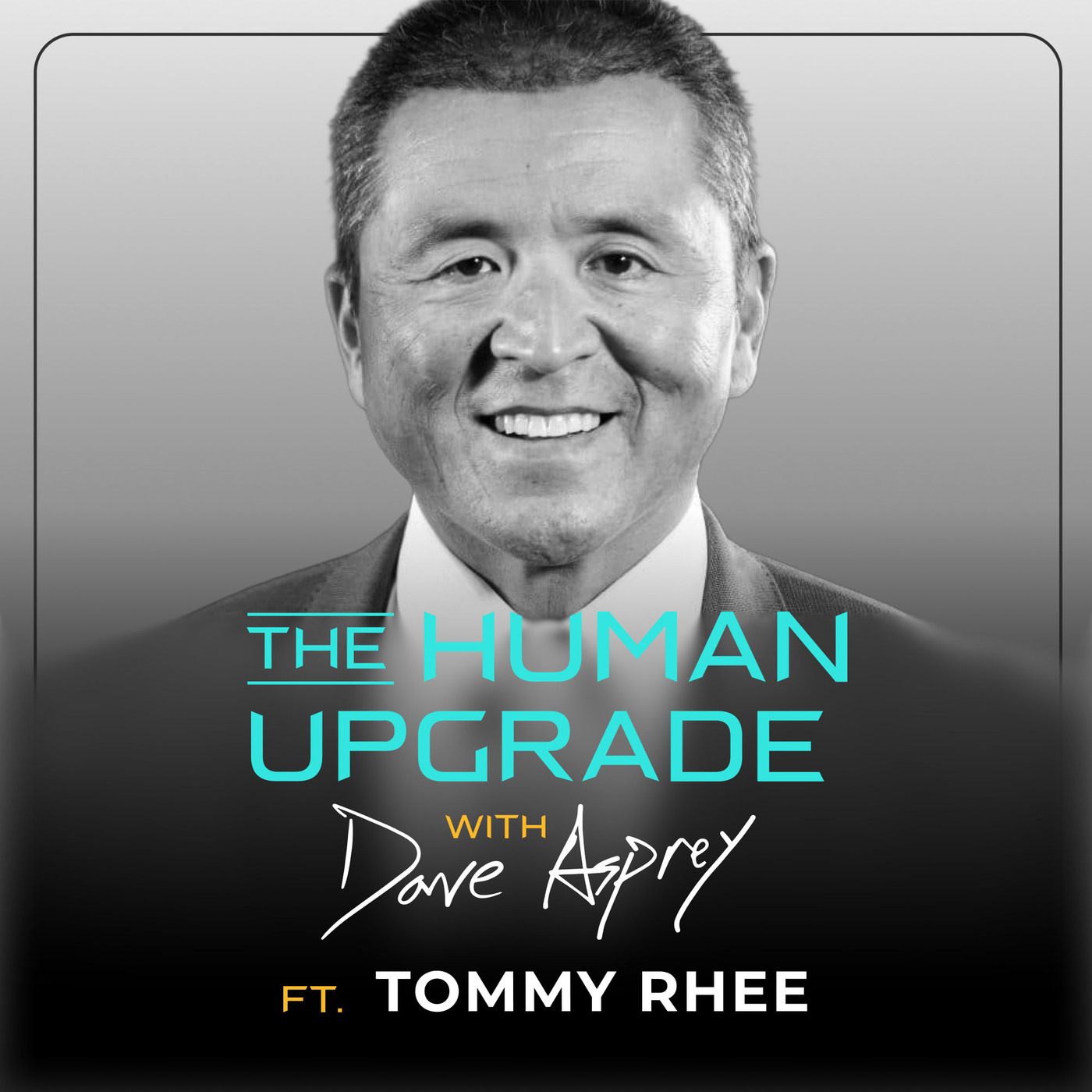
Whole-Body Vibration, Longevity, Nitric Oxide, Bone Density & Cellular Health Host Dave Asprey sits down with Dr. Tommy Rhee, sports chiropractor, regenerative medicine expert, and former practitioner with the Tampa Bay Buccaneers and UCLA Athletics, to explore whole-body vibration, longevity, nitric oxide production, blood circulation, bone density, muscle activation, and the science of mechanical stimulation. Drawing on more than 20 years of clinical experience working with professional and Olympic athletes, Dr. Rhee explains how specific vibration frequencies may influence cellular signaling, cardiovascular function, and physical performance. Dave and Tommy examine why whole-body vibration has become a popular biohacking technology and how just a few minutes of mechanical stimulation may support multiple systems throughout the body. Dr. Rhee explains how standing on a vibration platform creates rapid muscle contractions and mechanical forces that stimulate circulation and may activa
Inflammation has become one of nutrition's biggest buzzwords, but is it always something we should be worried about? We sat down with registered dietitian and author Jackie London, MS, RD, CDN, to unpack what inflammation really is, why it's not always the enemy, and what actually contributes to chronic inflammation. Plus, we bust popular diet myths and share practical, evidence-based ways to support your body's inflammatory response. Find out what's worth adding to your plate and what's just hype!
School policy should consider all families rather than follow the loudest parental voices.
Share your view, then see how readers voted. No sign-in required. This poll is shared across stories.
Do you agree or disagree?
Common Quandary
A Common Quandary to discuss
Another conversation to explore, separate from this news story.
You scratched a borrowed heirloom and repaired it perfectly. Do you confess?
You borrow a family heirloom for an event and accidentally leave a small scratch. A careful repair makes it almost invisible, and its owner happily accepts it back without noticing anything.
What is confession for when the harm has already been repaired?