Encore: Bryce Courtenay's son on his father's many secrets
50 min
Listen through the publisher, then discuss the episode here or arrange an in-person Roundtable. Your city determines where to meet.
Roundtables are designed for groups of four, with a shared subject and room for everyone to speak. Come for discussion, with no dating expectation.
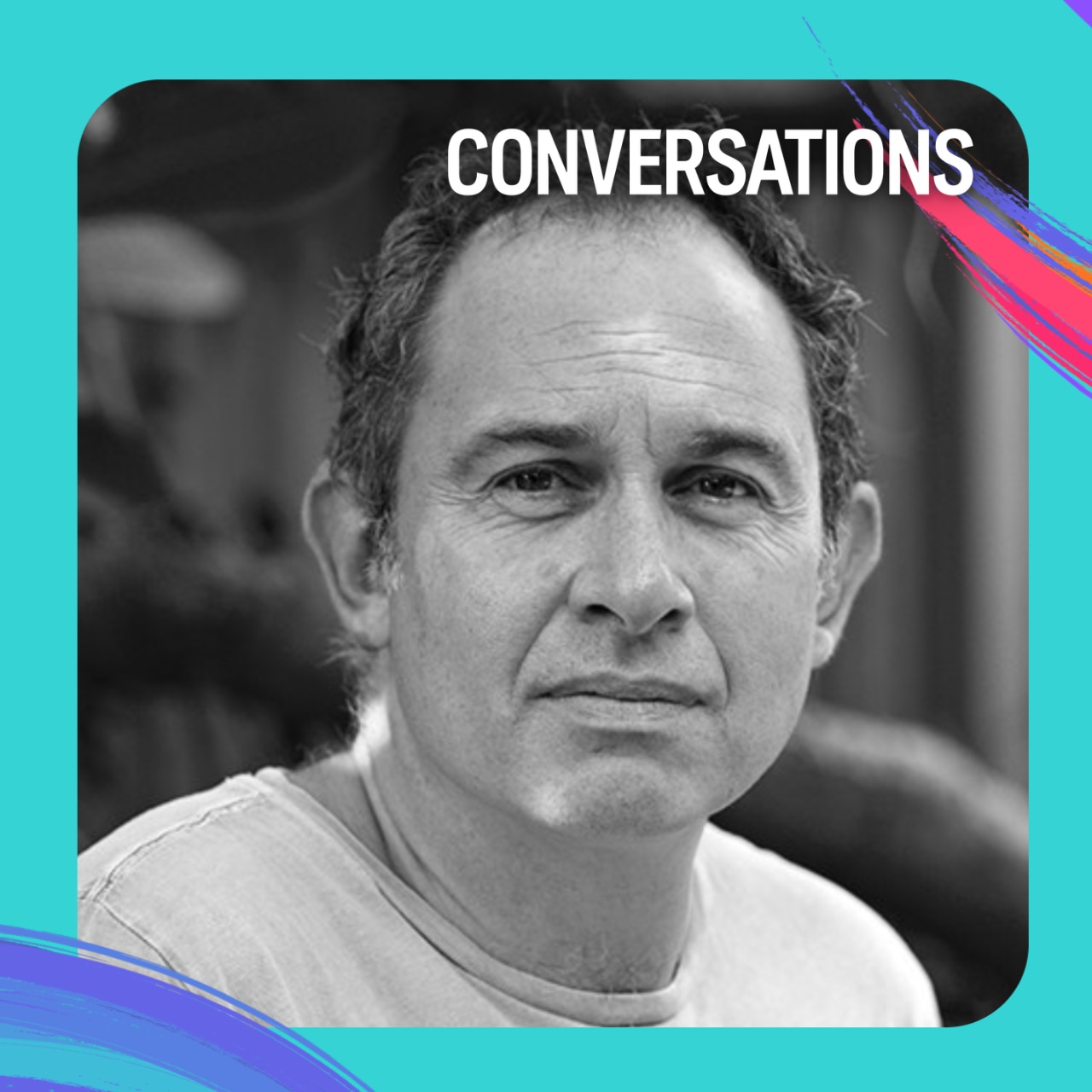
Growing up with brilliant writer as a father, Adam Courtenay slowly became aware of many gaps and untruths in his dad's life story. So he decided to set the record straight, once and for all. When Adam was growing up, he saw his Dad as a hero. Bryce worked in advertising so he knew all the latest, coolest trends, and at bedtime, Bryce told Adam and his brothers amazing stories about his life in South Africa and the Courtenay family’s noble origins. When Bryce went from adman to wildly successful writer with his debut novel, The Power of One, Adam couldn’t have been prouder. As Adam grew older, he became aware of the gaps in the stories his father told so well, and realised just how many lies Bryce had told his family and the nation. At first, Adam tried to ignore the fables and fibs - he wanted badly to believe them because they made Bryce's storytelling so powerful. But when Adam became a writer himself, an author of historical books and a journalist, he needed to champion the truth above all else. Further information My Father Bryce is published by Hachette.
Episode information is provided by the publisher. Listening takes place on the publisher’s service.
For too long now, Catholic scholars and many of the faithful have felt compelled to align themselves with a Darwinian account of life's origins. But as modern evolutionary theory faces a rising wave of disconfirming evidence, the evidence for both intelligent design and a first human couple, Adam and Eve, is stronger than ever. So it's a good time for Catholics to reevaluate their relationship with Darwin. On this classic ID The Future from the archive, physicist Dr. Brian Miller welcomes Father Martin Hilbert to the podcast to discuss his book A Catholic Case for Intelligent Design. Source (https://idthefuture.com/2293/)
Read: Matthew 28:19-20; Hebrews 4:12 (https://www.biblegateway.com/passage/?search=Matthew+28%3A19-20%3B+Hebrews+4%3A12) Sheri clutched her new book to her chest as she held the phone to her ear. “Yes, you totally need to read it! The last few chapters are great!” “You always find such fun books! I’ll look for it at the library the next time I go,” her friend Megan said. “Oh, my dad is calling. I’ve got to go.” Sheri hung up, then went into the family room and plopped on the couch beside Mom. “You really enjoyed that book, didn’t you?” Mom said as she folded some towels. “Yes!” Sheri flipped through it. “It’s the best I’ve read in ages! There’s romance, heroes and villains, battles of good versus evil, and so much more!” “That does sound exciting.” Mom smiled. “I know of another book like that, filled with good versus evil, heroes battling villains, and even romance. It’s my favorite.” Sheri furrowed her brow. “What book is that?” Mom held up the book beside her. “The Bible. Have you t
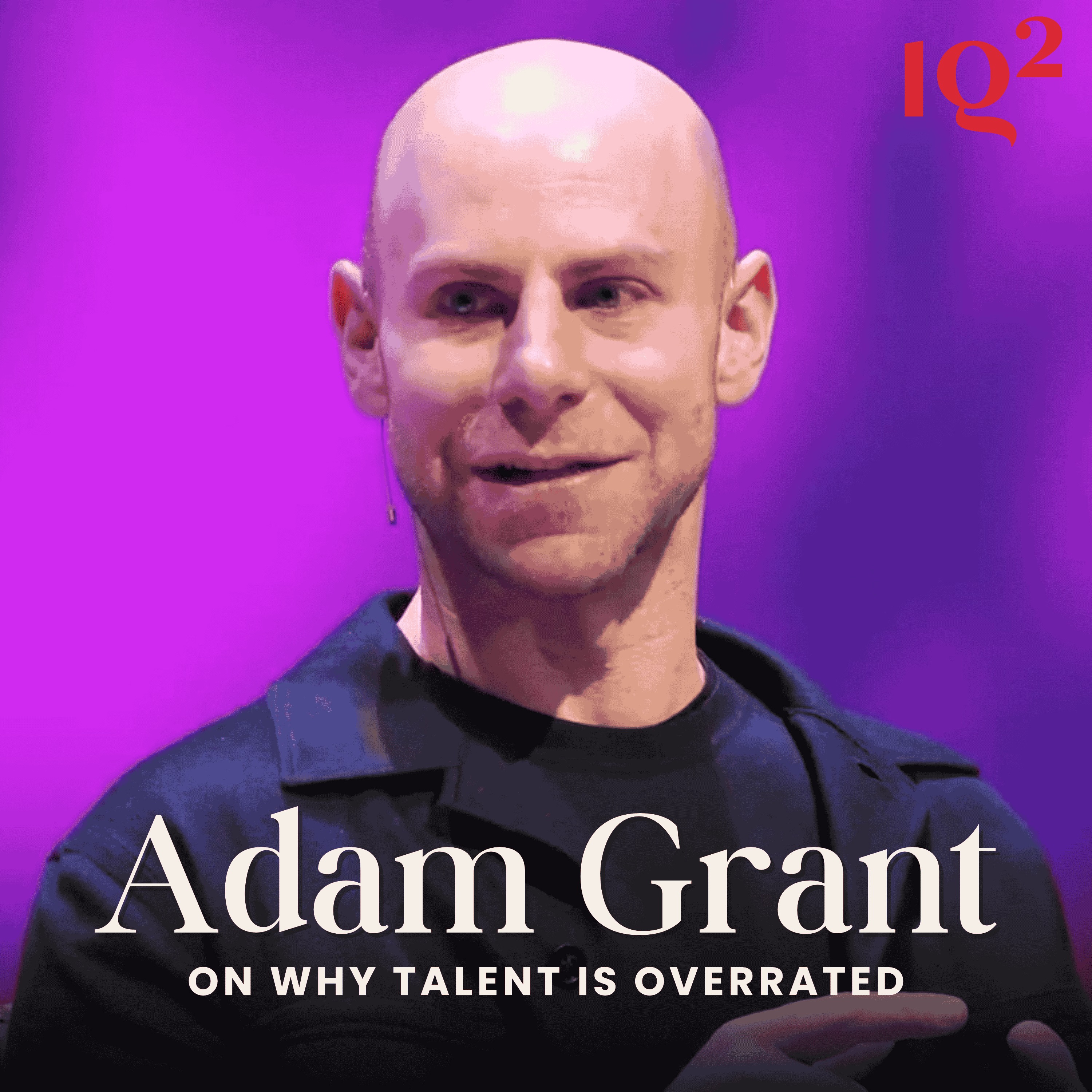
Adam Grant is one of the most sought after organisational psychologists in the world. He has provided expert advice to many of the world’s greatest business leaders, including Bill Gates and Sheryl Sandberg, equipping them with the mental tools to find motivation and meaning, rethink assumptions, and achieve greatness in their business and personal lives. In January 2024 Grant came to the Intelligence Squared stage for a rare, exclusive London event where he shared his revolutionary framework for how we can all exceed the expectations and aspirations we have set for ourselves. Drawing on his new book Hidden Potential he explained that despite living in a world that tends to admire people who start out with innate talent, there is clear scientific evidence that we can all bridge the biology gap and improve ourselves dramatically. In conversation with economist and FT columnist Tim Harford, Grant wove together groundbreaking evidence, surprising insights, and vivid story telling to take
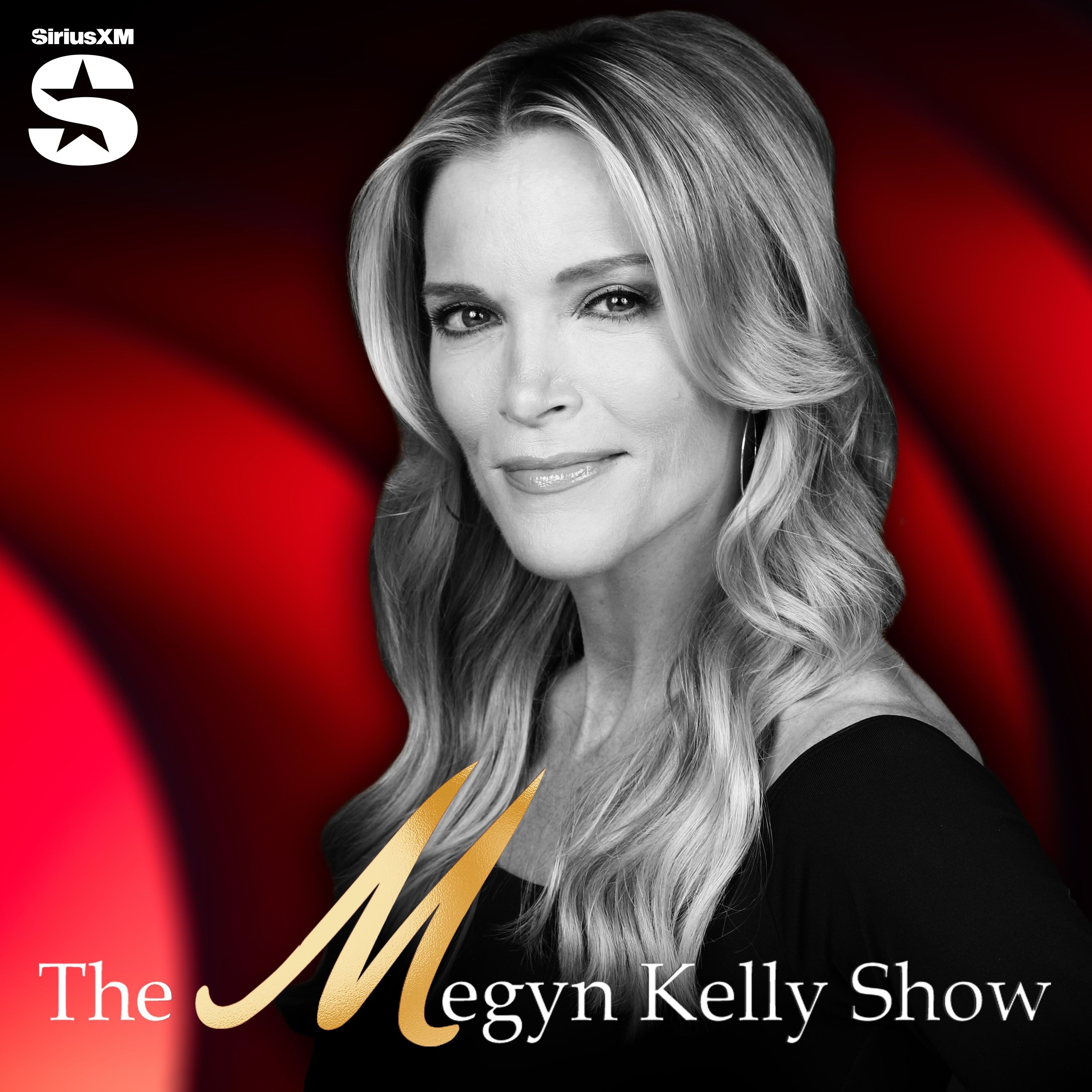
Megyn Kelly is joined by Mark Geragos, co-host of In The Well, Ashleigh Merchant, co-host of The MK True Crime Show, and Viva Frei, Rumble creator and former litigator, to discuss exactly how Russell Brand was railroaded by the UK legal system, the effort by politicians to censor and silence him, Meghan Markle’s father Thomas ruled competent to stand trial, why he still may not make it to trial on the alarming CSAM charges against him, why prosecutors are attempting to try the 15-year-old son of Kim Zolciak and Kroy Biermann as an adult, the inside story about the disturbing charges he previously faced in juvenile court, how one top MIT scientist won his defamation case against his female colleague who he had a relationship with, the way she tried to spin the consensual relationship into a "MeToo" type situation, the shocking deposition video and text messages released showing what was really going on, the looksmaxxing influencer Clavicular being charged with r*pe, additional context a
My special guest tonight is author and cryptozoologist Lyle Blackburn who's here to discuss an upright walking creature that resembles a lizard terrorizing a town in South Carolina. From the swamplands near Bishopville, South Carolina, come reports of a seven-foot-tall, scaly humanoid creature the locals call the "Lizard Man." Over the years, the creature has been seen by numerous witnesses, including a teenager who claimed it attacked him one night near a remote area called Scape Ore Swamp. The young man's testimony and physical evidence was so compelling, it not only launched a serious investigation by the local sheriff's office but an all-out monster hunt that drew hundreds of people to the small town. This real-life "creature from the black lagoon" has inspired major national news coverage, even a call from the famous CBS news anchor, Dan Rather, as he and the rest of the world clamored to know more about Bishopville's elusive monster. The case is often mentioned in books, websites
Join NCI University today to master human behavior and influence: Uploaded 20-10-22 What if we were made to believe something so strange that it would change the fabric of society? These two lies are the two most powerful forces that marketing and medicine....and even politics seem to sell us. 1️⃣ LIE ONE: Focus on symptoms and not causes. 2️⃣ LIE TWO: Pleasure is the same as happiness. In this video, I'll explore with you, the causes of some of these deceptions, and I hope you'll come to see that our culture is almost rooted in these two deceptions. From marketing and sales to medicine and politics, these LIES seem to be interwoven in the fabric of our culture as a whole. Knowing them and being aware of them will make you start seeing these EVERYWHERE you look. DOWNLOAD THE APP: https://team.chasehughes.com/share/Sxaxa8CW58Q_4sKk?utm_source=manual (https://team.chasehughes.com/share/Sxaxa8CW58Q_4sKk) THE FATE MODEL: https://www.youtube.com/watch?v=PbEJ_y7tscY&feature=share&utm_source=
Journalist Cory Doctorow on why we need to dig deeper into the scary messaging around AI to flip the narrative so it works FOR us instead of the other way around. AI is now widely seen as a job destroyer, a slop maker, a privacy invader and another burden on the warming planet. But journalist Cory Doctorow believes that much of the messaging around AI--which says it's coming to eat our jobs and families--is hype that's being driven by the same people who are selling AI, and he doesn't buy it. For Cory, the most important aspect of a new technology isn't what the machine does, it's who it does it for and who it does it to. And how we use AI is really a question of power. He thinks the people pushing this new technology want to scare us to drive up the share price of their companies, which are a very long way from seeing a return on their massive investments in AI. Cory says there's no getting rid of AI, but we can think about how to make this new technology work for us as individual wor
Growing up David McAllister was tormented by school bullies for his dancing, but within years, it was clear he was one of the best ballet dancers of his generation. When David was a little boy, he would tuck tea towels into his undies and dance around in front of the TV. He watched his own reflection in the screen (the TV was turned off) as he twirled and leapt around the lounge room. At 7, David went to his first ballet class at a suburban scout hall and loved it right away. But doing ballet was a kind of social death for a boy, in the 1970s in Western Australia. David says the torment he went through at school spurred him on. After winning at place at the Australian Ballet School, he joined the Australian Ballet company in 1983. One artistic director told him his nose was all wrong and he would never be cast as a prince, but he eventually danced many principal roles. David was named as the Artistic Director of the Australian Ballet in 2001 and spent 20 years guiding the company. Furt
Euahleyai and Gamillaroi law academic, Larissa Behrendt on continuing her flawed but extraordinary dad's work and forging her own path as the first Aboriginal woman to study law at Harvard. Larissa grew up hearing mischievous stories from her dad Paul, who grew up in an orphanage. Their family had been touched by Australian government policy when Larissa's grandmother was taken from her home country as a girl. After her parents met in the Navy, the family relocated to Cooma, NSW, where Larissa was born. The family lived in the second-last house on the last street in town, where kangaroos hopped by and Larissa and her younger brother could explore their surrounds. Larissa's father Paul became involved with the community in Redfern in the 1970s and Larissa would often join him there, where she was introduced to the idea of Aboriginal self-determination, which would go on to shape her life's work. After a near-death experience, Larissa's dad started to research his family story in the arc
News organizations should disclose major financial relationships that could influence their coverage.
Share your view, then see how readers voted. No sign-in required. This poll is shared across stories.
Do you agree or disagree?
Common Quandary
A Common Quandary to discuss
Another conversation to explore, separate from this news story.
A stranger is behaving horribly in public. Do you record them?
You witness a stranger berating a service worker in public. Recording could create accountability and protect the worker, but posting the video could expose everyone involved to a permanent online audience.
Who gets to decide when public behavior becomes public content?