Listen through the publisher, then discuss the episode here or arrange an in-person Roundtable. Your city determines where to meet.
Roundtables are designed for groups of four, with a shared subject and room for everyone to speak. Come for discussion, with no dating expectation.
EP 3888: There’s No Substitute for Hard Work Success rarely happens by accident. Whether you want to build a successful career, become a better leader, improve your physical health, strengthen your relationships or create a life you are proud of, there is one principle that remains constant. There is no substitute for hard work. We […] The post EP 3888 There’s no substitute for hard work (https://www.thestronglifeproject.com/the-strong-life-podcast/ep-3888-theres-no-substitute-for-hard-work/) appeared first on The Strong Life Project (https://www.thestronglifeproject.com/).
Episode information is provided by the publisher. Listening takes place on the publisher’s service.
What if success isn't something you chase, but something you attract through the person you become? Real success begins with personal growth, self discipline, and the value you bring to the world. Instead of constantly searching for shortcuts or waiting for opportunities, focus on developing the skills, mindset, and character that make meaningful achievements possible. This powerful motivational speech explores timeless principles of success, wealth creation, personal development, and the importance of becoming more valuable to others. Discover why your personal growth influences your results, how daily discipline shapes your future, and why helping others achieve their goals can become one of the most powerful foundations for your own success. In this motivational journey, you'll explore: • The Attraction Principle: Why success is connected to the person you become rather than simply what you pursue. • The Marketplace Rule: How developing valuable skills and contributing to others can
American swimmer Michael Phelps knows about paving the road to greatness. As the most decorated Olympian of all time, Phelps holds 28 medals. Additionally, he holds all-time records for Olympic gold medals, Olympic gold medals in individual events and Olympic medals in individual events. Uploaded 28-06-20 But getting to the top, and staying there, wasn’t easy. In this episode, Phelps sits down with Tony Robbins to discuss becoming one of the most successful athletes of all time. They talk about his training schedule, the highs of being an Olympic athlete and the let down that happens after the Olympics are over. Phelps also discusses the depressive states he would fall into because he wasn’t sure who he was outside of swimming. Raised mostly by his mother after his parents’ divorce, he had a lot of unresolved anger toward his father. These feelings of hurt and rejection played a big role in his decision to ask for help for his mental health struggles in 2012. During in-patient treatmen
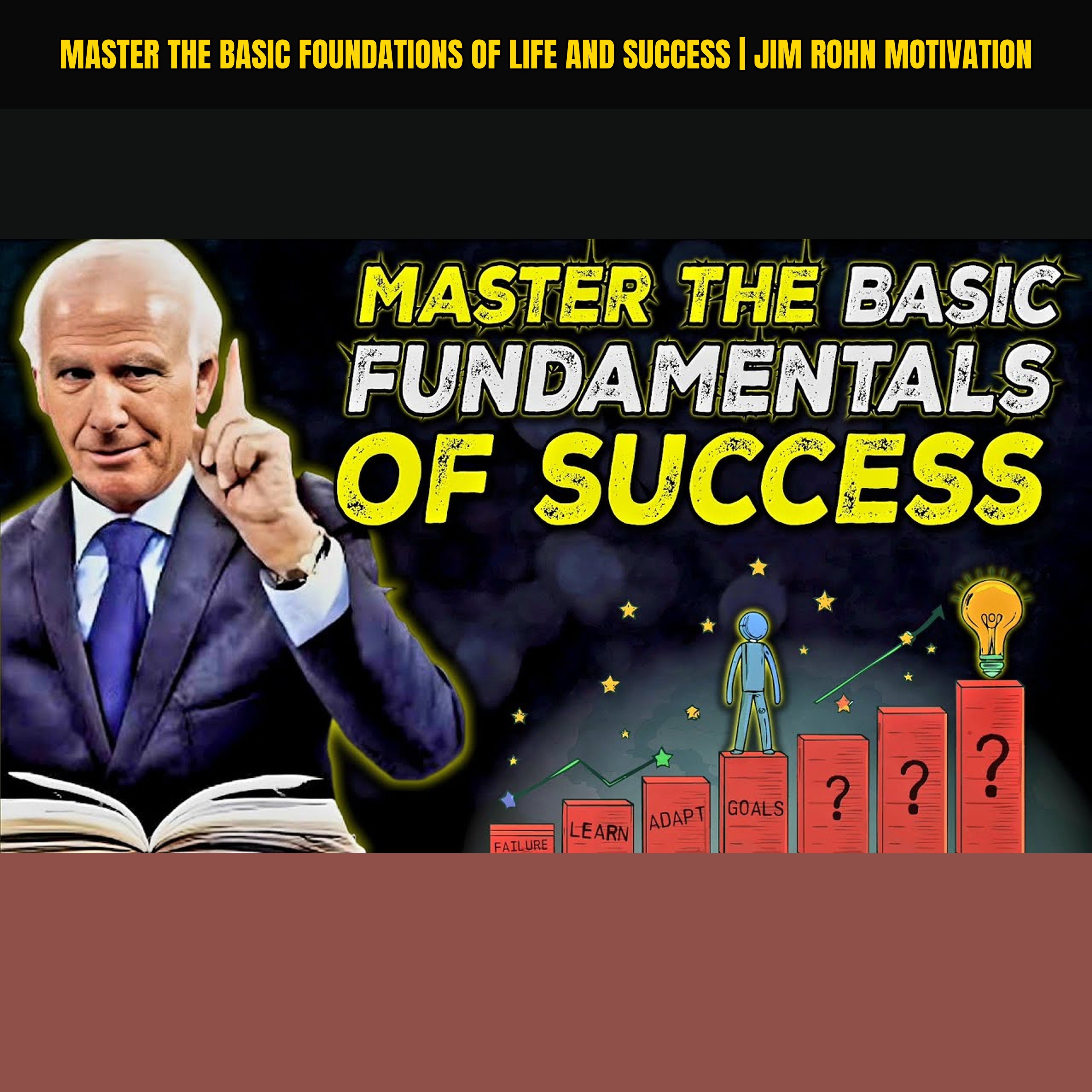
#JimRohnMotivation #JimRohn #JimRohnSpeech Success is not about complexity—it is about mastering the fundamentals. Most people spend their lives looking for shortcuts, hacks, and quick fixes, only to stay stuck in the same cycle of frustration and mediocrity. The truth is, success is built on simple habits, simple disciplines, and simple decisions—repeated consistently over time. In this Jim Rohn Motivation video, learn the timeless principles that separate those who win from those who quit. Key Topics From This Motivational Video: Why most people fail—not because they are not capable, but because they are not consistent The difference between working hard once in a while and executing daily at a high level Why mindset, habits, and discipline are more important than talent or intelligence How the most successful people in the world operate with precision and focus The truth about motivation—it is unreliable, and success comes from discipline This Jim Rohn Motivational Video Is Perfect
Explore how the Right to Repair movement is pushing back against companies which don’t want consumers fixing their products. -- Today, some companies are working hard to prevent consumers from repairing products on their own. In many cases, repair can only be done by the original manufacturer, if at all. With limited repair options available, we end up buying new and throwing more items out. So, how exactly do companies prevent repair? And what can consumers do about it? Aaron Perzanowski investigates. Lesson by Aaron Perzanowski, directed by Nick Hilditch. Support Our Non-Profit Mission ---------------------------------------------- Support us on Patreon: http://bit.ly/TEDEdPatreon Check out our merch: http://bit.ly/TEDEDShop ---------------------------------------------- Connect With Us ---------------------------------------------- Sign up for our newsletter: http://bit.ly/TEDEdNewsletter Find us on Twitter: http://bit.ly/TEDEdTwitter Peep us on Instagram: http://bit.ly/TEDEdInstagr
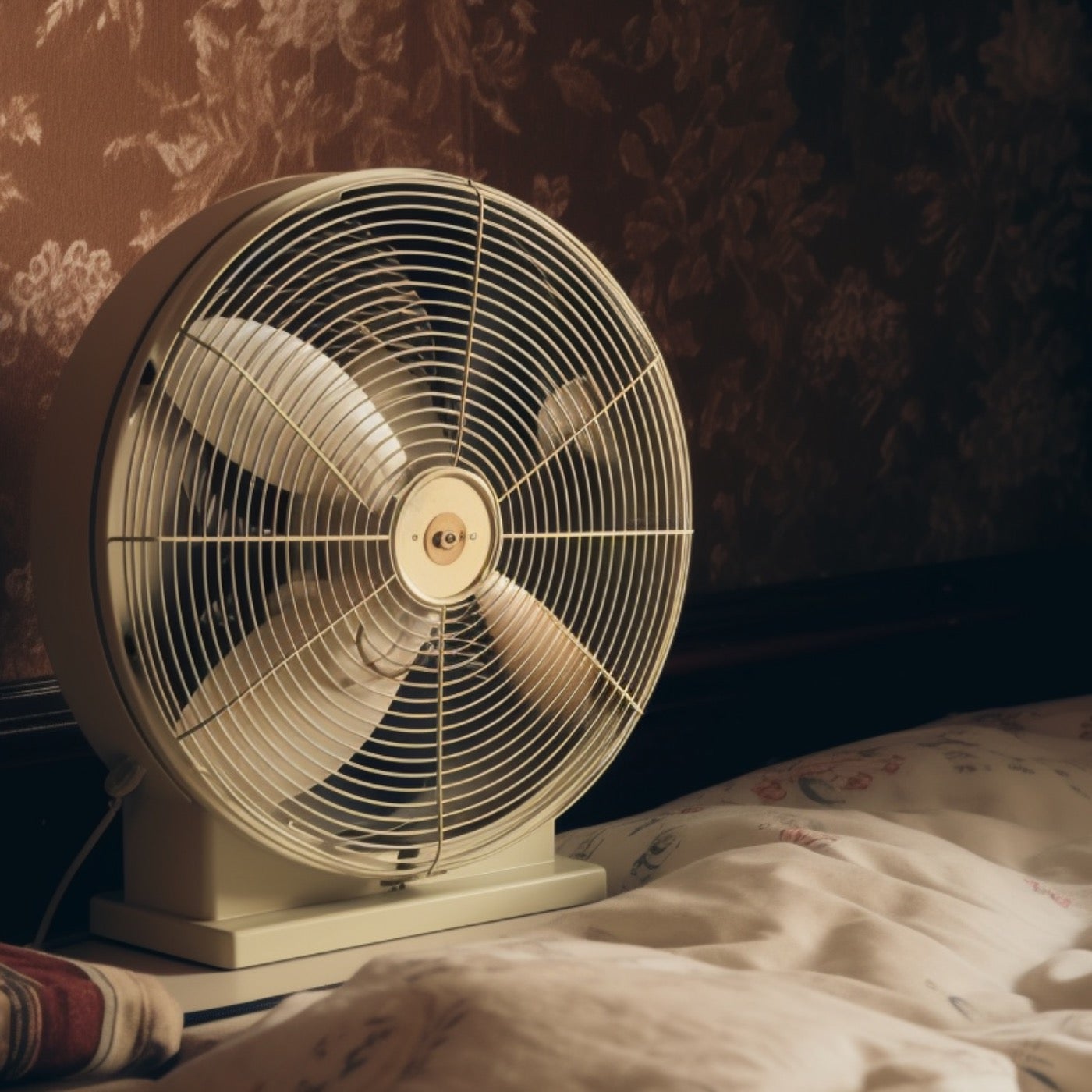
Welcome to our podcast featuring 10 hours of white noise from a strong box fan for sleep, meditation, and stress relief. Immerse yourself in the steady and soothing sound of a powerful box fan, providing a constant stream of white noise. Whether you're struggling with sleep, seeking a focused state for meditation, or in need of stress relief, this podcast offers the perfect solution. Let the gentle hum of the box fan create a calming ambiance, masking unwanted background noises and promoting a sense of relaxation and tranquility. Tune in and allow the consistent white noise to lull you into a deep and restful sleep, enhance your meditation practice, or simply provide a moment of peace amidst a busy day. - 10 hours, white noise, strong box fan, sleep, meditation, stress relief, podcast, steady sound, soothing, powerful, constant stream, focused state, calming ambiance, background noises, relaxation, tranquility, gentle hum, masking, deep sleep, enhance meditation practice, moment of pea
PBS Member Stations rely on viewers like you. To support your local station, go to:http://to.pbs.org/DonateSPACE Sign Up on Patreon to get access to the Space Time Discord! Superconductive materials seem miraculous. Their resistanceless flow of electricity has been exploited in some powerful ways—from super-strong magnets used in MRIs, particle accelerators and fusion plants. And then there’s, their bizarre ability to levitate in magnetic fields. But the broader use of superconductors is limited because they need to be cooled to extremely low temperatures to work. But what if we could produce superconductivity at room temperature? It would change the world. Check out the Space Time Merch Store Search the Entire Space Time Library Here: https://search.pbsspacetime.com/ Hosted by Matt O'Dowd Written by Matt O'Dowd Post Production by Leonardo Scholzer, Yago Ballarini, Adriano Leal & Stephanie Faria Directed by Andrew Kornhaber Associate Producer: Bahar Gholipour Executive Producers: Eric
Fear has a way of quietly taking control of your life. It convinces you to stay where you are, avoid difficult conversations, delay decisions, tolerate situations you know aren’t good for you, and settle for a life that is far smaller than the one you are capable of living. In this episode of The Strong Life Project, we explore how fear impacts your thinking, your relationships, your career, your leadership, and ultimately your ability to live a meaningful life. Fear doesn’t always look like panic. Sometimes it looks like procrastination, overthinking, making excuses, people pleasing, avoiding conflict, or constantly waiting for the perfect moment. The problem is that every time you allow fear to make a decision for you, you reinforce the belief that you are incapable of handling what comes next. Over time, this creates a pattern of avoidance that undermines confidence, resilience, emotional strength, and personal growth. Learning to manage fear doesn’t mean becoming fearless. It means
You cannot genuinely love someone while only accepting the parts of them that are convenient, comfortable, or easy to deal with. Real relationships require us to accept that people are complex, imperfect, and sometimes difficult. If we want meaningful relationships, we must learn to love people as whole human beings rather than expecting them to fit neatly into the expectations we have created for them. In this episode of The Strong Life Project, Shaun O’Gorman explores what it means to love people without constantly trying to change, control, fix, or reject the parts of them that make us uncomfortable. Too often, we tell people we love them while simultaneously criticising their personality, dismissing their emotions, or demanding they behave differently to make our own lives easier. This does not mean accepting toxic behaviour, abandoning boundaries, or tolerating disrespect. Loving someone fully and maintaining healthy boundaries can coexist. The challenge is learning the difference
There is a lot of pressure in today’s world to be someone you’re not. We spend time trying to fit in, impress people, meet expectations, and create an image of who we think we should be. In the process, we can lose sight of who we actually are. In Episode 3900 of The Strong Life Project, Shaun O’Gorman explores the power of simply being yourself and why your authenticity might have a greater impact on someone else’s life than you realise. You don’t need to have all the answers. You don’t need to be perfect. You don’t need to pretend that life has always been easy or that you have everything figured out. Sometimes the most powerful thing you can do is be honest about your experiences, your mistakes, your challenges, and the lessons you’ve learned along the way. Your willingness to be genuine can give someone else permission to do the same. Your story might help someone feel less alone. Your honesty might encourage someone who is struggling to keep going. Your ability to show up authenti
Patients should be able to compare expected treatment costs before choosing care.
Share your view, then see how readers voted. No sign-in required. This poll is shared across stories.
Do you agree or disagree?
Common Quandary
A Common Quandary to discuss
Another conversation to explore, separate from this news story.
You paid extra for the aisle seat. Must you trade with a parent?
You reserved and paid extra for an aisle seat on a long flight. A parent asks you to trade for a middle seat so they can sit beside their young child after the airline separated them.
When does another person's predicament become your responsibility?