Listen through the publisher, then discuss the episode here or arrange an in-person Roundtable. Your city determines where to meet.
Roundtables are designed for groups of four, with a shared subject and room for everyone to speak. Come for discussion, with no dating expectation.
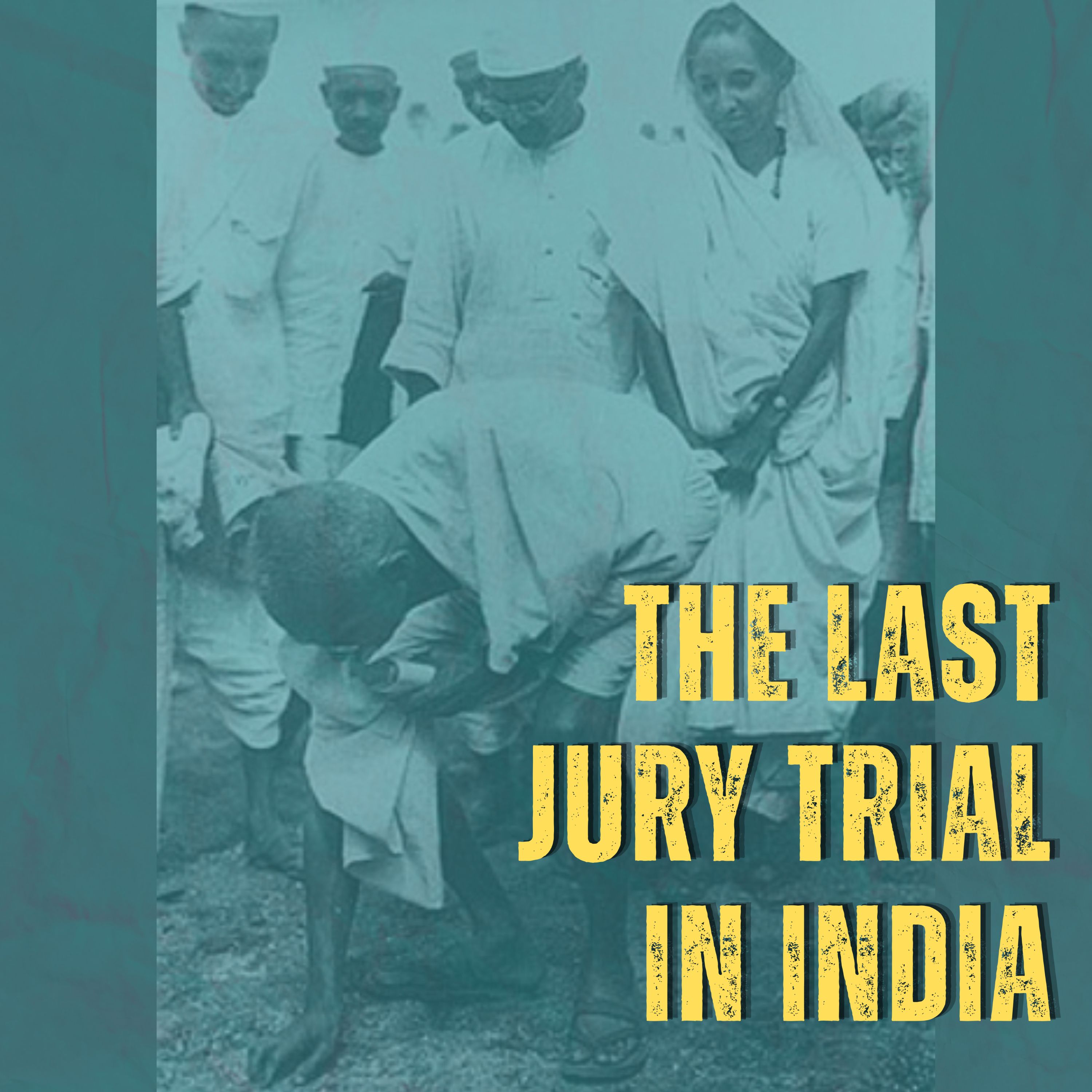
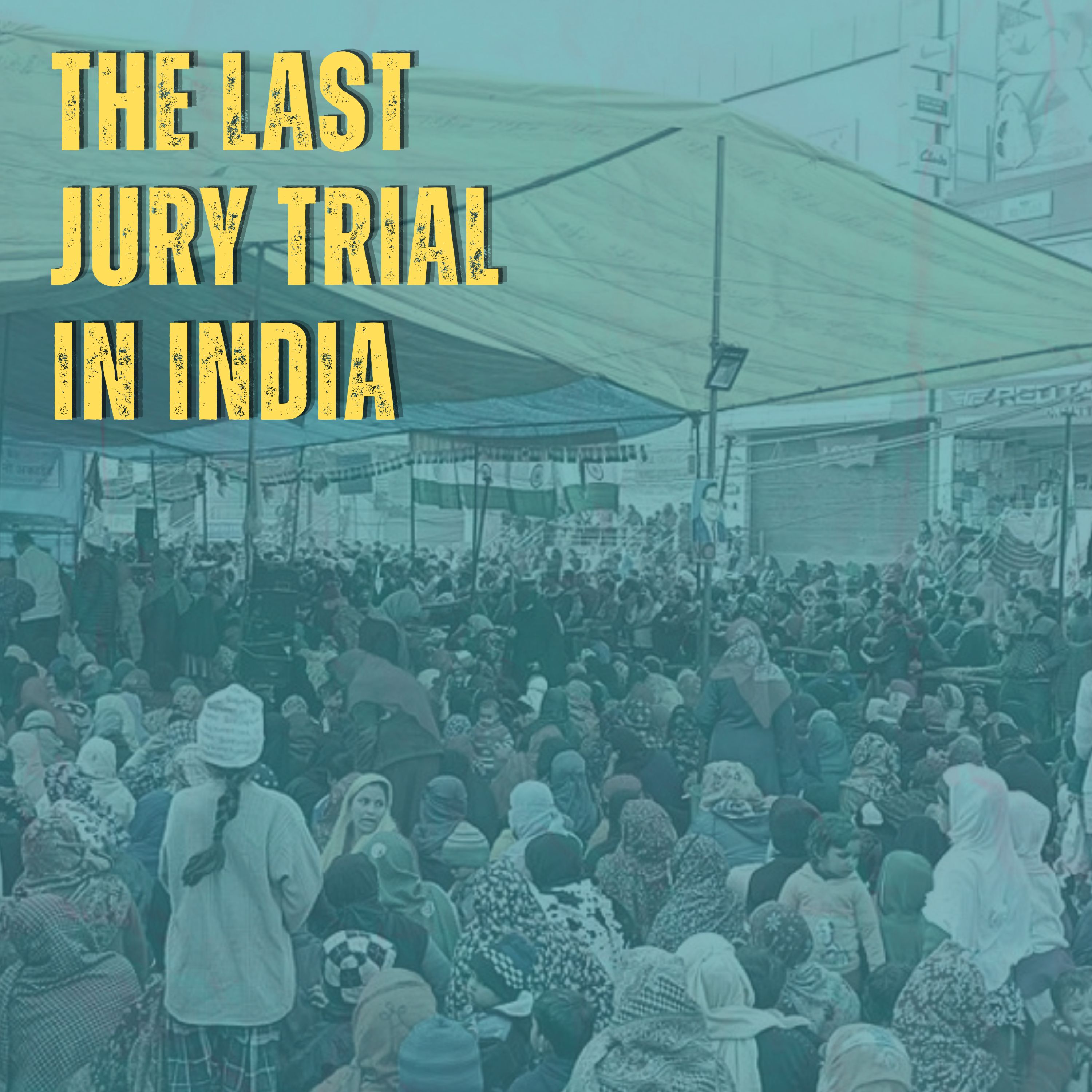
Even though jury trials were suspended for many nationalist leaders charged with political crimes, there were still moments when jurors exerted their power. One example is the trial of Communist organizer, Philip Spratt, a focus of the episode. The threat of a jury undermining the prosecution in the sprawling Meerut Conspiracy Trial also led the colonial government to take drastic action. Lastly, this episode also looks at the drafting of the 1950 Indian Constitution and asks, “Why did a country that committed to universal suffrage decide that the jury trial was not worth fighting for?” Hosted by Simplecast, an AdsWizz company.
Episode information is provided by the publisher. Listening takes place on the publisher’s service.
The Ninth Circuit hears the consolidated criminal appeals of Zachary Holt and a co-defendant. The case grew out of a series of robberies and shootings in Idaho and eastern Washington. During an attempted robbery on the Colville Reservation in twenty twenty-two, two people were killed. Holt later shot at pursuing police. A jury convicted him and his co-defendant of multiple crimes; both received life sentences. The main legal question you will hear concerns a voluntary-intoxication instruction: whether jurors should have been told how alcohol or drug use could bear on the intent required for particular charges. Intoxication is not a blanket excuse for crime. In a specific-intent prosecution, though, evidence of intoxication may bear on whether the government has proved the necessary state of mind. Listen for the difference between evidence that someone consumed drugs or alcohol and evidence relevant to their ability to form that intent. A separate dispute concerns a robbery committed in
Europe's Little Anarchy: The Rise and Fall of Neutral Moresnet (https://bookshop.org/a/12343/9781501788147)(Cornell UP, 2026) uncovers the history of Neutral Moresnet: a once-forgotten space without borders, nationalism, or a recognized government. Between 1815 and 1919, this square mile of land wedged between Belgium, the Netherlands, and Germany was home to thousands of people living off the grid, free of taxation and oversight. But they also had no political status, police, legal currency, proper law courts, or government presence in sectors like public health, infrastructure maintenance, or education. Meanwhile, practical control over Neutral Moresnet lay in the hands of the local industry: a for-profit, multinational mining company that, because it owned rights to the land, also held a near monopoly on the supply of high-quality zinc to the rest of the world. Dr. Steven Press explores how the residents of Neutral Moresnet sought to improve their quality of life, appealing to Germa
November 21, 2026; 12pm: In almost every presidency, there comes a time when the president turns their attention overseas – usually after some sort of political defeat. President Trump’s attention is definitely overseas, but for personal reasons. Ruth Ben-Ghiat points out the red flags of Trump cozying up to notorious Strongmen; Democrats have never held this much power before and it’s not just in Congress, it’s at the state level too. State Rep.-elect Allie Phillips (D-TN) and State Senator-elect Robyn Vining (D-WI) explain how they will set their most important agenda items into action; MS NOW’s Rachel Maddow continues her discussion with Jacob Soboroff about her brand new book “The Department of Fate,” Stephen Miller’s rise, and much more. Hosted by Simplecast, an AdsWizz company.
In this meditation, I explore how something as ordinary as drinking a cup of coffee can become a contemplative practice. As a Capuchin Franciscan, I can even claim a particular connection with coffee through Blessed Mark of Aviano, whose story became associated with the cappuccino. You can practise this meditation with coffee, tea or another warm drink, either holding a real cup or simply visualising the experience. We begin by feeling the warmth and weight of the cup in our hands. We notice its texture, the steam, the fragrance and the anticipation of taking a drink. As we take each sip, we pay attention to sensations that usually pass unnoticed: the cup against the lips, the warmth of the liquid, its movement through the mouth and throat, and the memories or stories awakened by taste and smell. By attending closely to an ordinary action, we begin to see how rich even the simplest moment can be. Towards the end of the meditation, we reflect with gratitude on everything that has allowe
After a week of tech chaos with flights grounded, plus outages at Microsoft, Apple, US banks, and the National Security Agency, questions continue to be asked about the cause of the disruption and whether it’s more than a series of coincidences. Now the government’s top cyber security official, Sean Cairncross, is leaving his post, with CBS reporting he was fired. Trump says these were “individual events”. But Republican Senator Josh Hawley says if it is all a coincidence, “it’s like the greatest coincidence in the history of the world”. So who’s right? In this episode, Sarah, Marianna and Anthony discuss the doubts over the official explanation, cuts to America’s cyber defences, and whether people trust what they’re being told by the White House. Plus, Sarah talks to the cybersecurity and cyberespionage expert Dmitri Alperovitch about the fall of Nvidia’s Jensen Huang and the race with China over AI chips. Are rushed fixes for problems found by AI behind the disruption? HOSTS • Sarah
In this video, Disability Attorney Walter Hnot shows off the Whisper Room, and his first attempt at a recorded singer setup. Things don't go to plan, but thankfully the singer was super cool while wiring issues were fixed. Like the content? Review us here: https://g.page/r/CcwyektC7nCPEAg/review . If the link does not work, Google: Disability Resolution, P.A. WANT A CLASS ACTION COLA FRAUD LAWSUIT? Sign the petition here: https://chng.it/bvLmbpWrrY Welcome to the largest Social Security Disability Tutorial Video Library On Earth. PRIVATE ONE HOUR PHONE CALL THIS IS HOW YOU CAN GIVE BACK TO HELP GROW THE CAUSE: Option 1: Leave 5 |==================5 STAR REVIEWS==================| Google (Search Disability Resolution Orlando, FL)- https://www.google.com/search?authuse... (https://www.google.com/search?authuse...=) AVVO (Search Walter Hnot) - https://www.avvo.com/attorneys/32817-... BBB (Search Disability Resolution Orlando, FL)- https://www.bbb.org/us/fl/orlando/pro... MARTINDALE (Searc
How is the judge-centered legal system working in India today? Tremendous backlogs and a feeling of distance between the people and the courts are the concerns I heard most about. The detention of Umar Khalid, an activist who protested the 2019 Citizenship Amendment Act has gone on for more than 5 years. What would happen if he had his case heard before a jury? This thought experiment of the jury trial in India is paired with a discussion of the legal system in Argentina where jury trials have recently been introduced in the most serious cases. Hosted by Simplecast, an AdsWizz company.
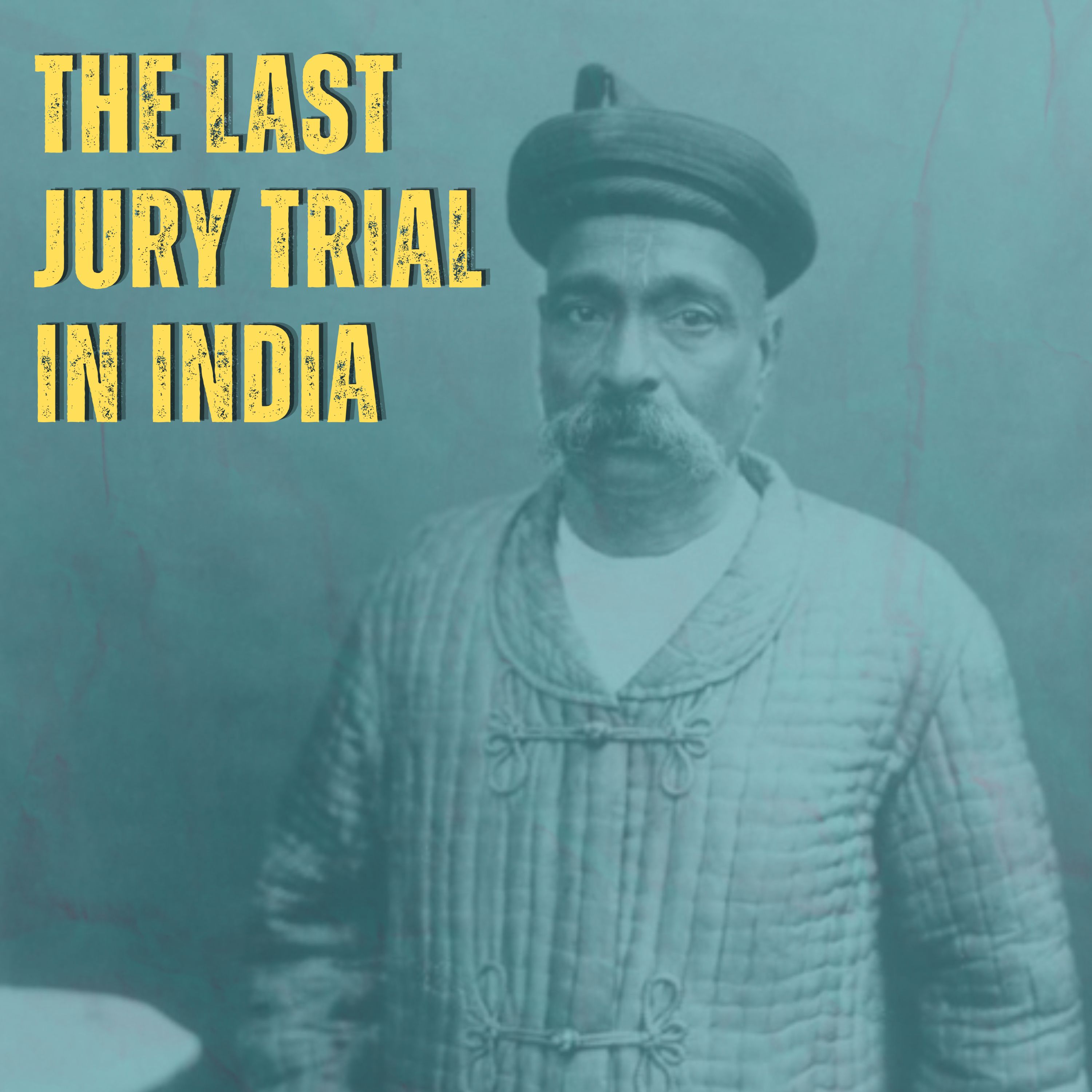
If colonialism is a system of forced rule by an outside entity, why did the British introduce jury trials in India? Were they fair? This episode looks at two remarkable trials: the first is a murder trial of a British tea plantation owner by his workers, and the other is the 1908 trial of Bal Gangadhar Tilak. Tilak was the publisher of the most widely read newspaper in Western India and faced charges of sedition, that is, promoting “disaffection” for the king. Taken together, the trials show that the jury trial was meant to legitimize the British as an empire of law, but the way the trials were conducted revealed something more sinister. Hosted by Simplecast, an AdsWizz company.
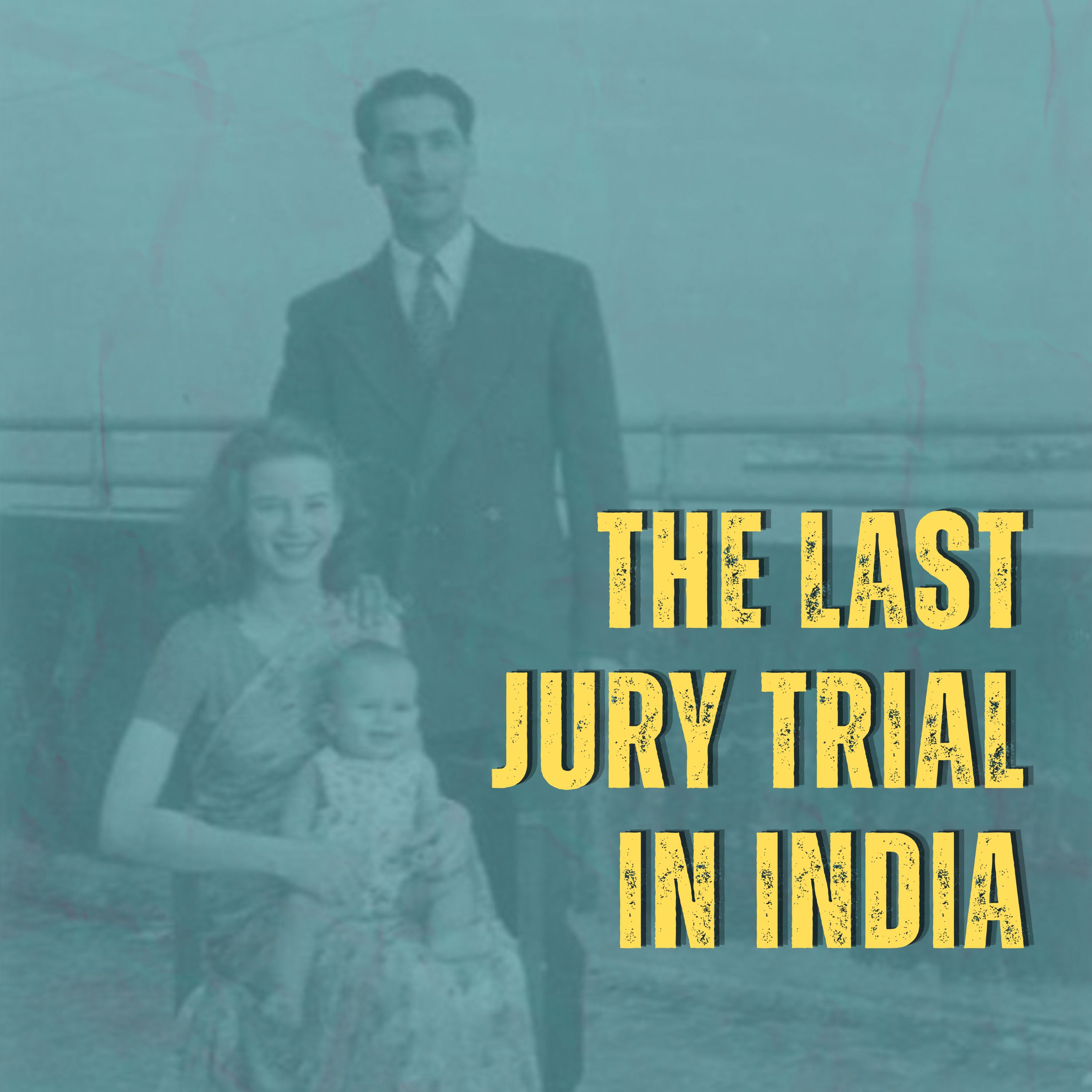
The lover ends up dead. The murder trial of Commander Kawas Nanavati captivated Bombay because it had everything—sex, betrayal, intrigue. When the jury verdict came out, many were outraged and they thought the jury system was to blame. The trial came to be known as “The Last Jury Trial in India” because it heralded the end of the jury in India and became a lightning rod for concerns about the jury being corrupted by prejudice and the media. The Last Jury Trial in India is a four-part series hosted by Sonali Chakravarti, professor of government at Wesleyan University. Hosted by Simplecast, an AdsWizz company.
Security claims about important digital products should face independent testing.
Share your view, then see how readers voted. No sign-in required. This poll is shared across stories.
Do you agree or disagree?
Common Quandary
A Common Quandary to discuss
Another conversation to explore, separate from this news story.
Your best friend is an AI that profits when you stay lonely. Is the friendship real?
A lonely adult considers an AI companion their closest confidant. The service is always patient and supportive, but the company profits when users spend more time engaged with it.
Does a comforting system have a duty to make itself less necessary?