English-language podcasts

The Last Jury Trial in India

Episode 4: The Case for Juries
41 min

Listen through the publisher, then discuss the episode here or arrange an in-person Roundtable. Your city determines where to meet.

Roundtables are designed for groups of four, with a shared subject and room for everyone to speak. Come for discussion, with no dating expectation.

How is the judge-centered legal system working in India today? Tremendous backlogs and a feeling of distance between the people and the courts are the concerns I heard most about. The detention of Umar Khalid, an activist who protested the 2019 Citizenship Amendment Act has gone on for more than 5 years. What would happen if he had his case heard before a jury? This thought experiment of the jury trial in India is paired with a discussion of the legal system in Argentina where jury trials have recently been introduced in the most serious cases. Hosted by Simplecast, an AdsWizz company.

Episode information is provided by the publisher. Listening takes place on the publisher’s service.

Listen at the source ↗

Featured places to meet in Palo Alto, CA

Explore these places and arrange a conversation through ThinkMatch.

City guide for Palo Alto, CA

More from The Last Jury Trial in India

The Last Jury Trial in India

Episode 3: They, the People

37 min

Even though jury trials were suspended for many nationalist leaders charged with political crimes, there were still moments when jurors exerted their power. One example is the trial of Communist organizer, Philip Spratt, a focus of the episode. The threat of a jury undermining the prosecution in the sprawling Meerut Conspiracy Trial also led the colonial government to take drastic action. Lastly, this episode also looks at the drafting of the 1950 Indian Constitution and asks, “Why did a country that committed to universal suffrage decide that the jury trial was not worth fighting for?” Hosted by Simplecast, an AdsWizz company.

Discuss this episode

The Last Jury Trial in India

Episode 2: You Can’t Trust Them

40 min

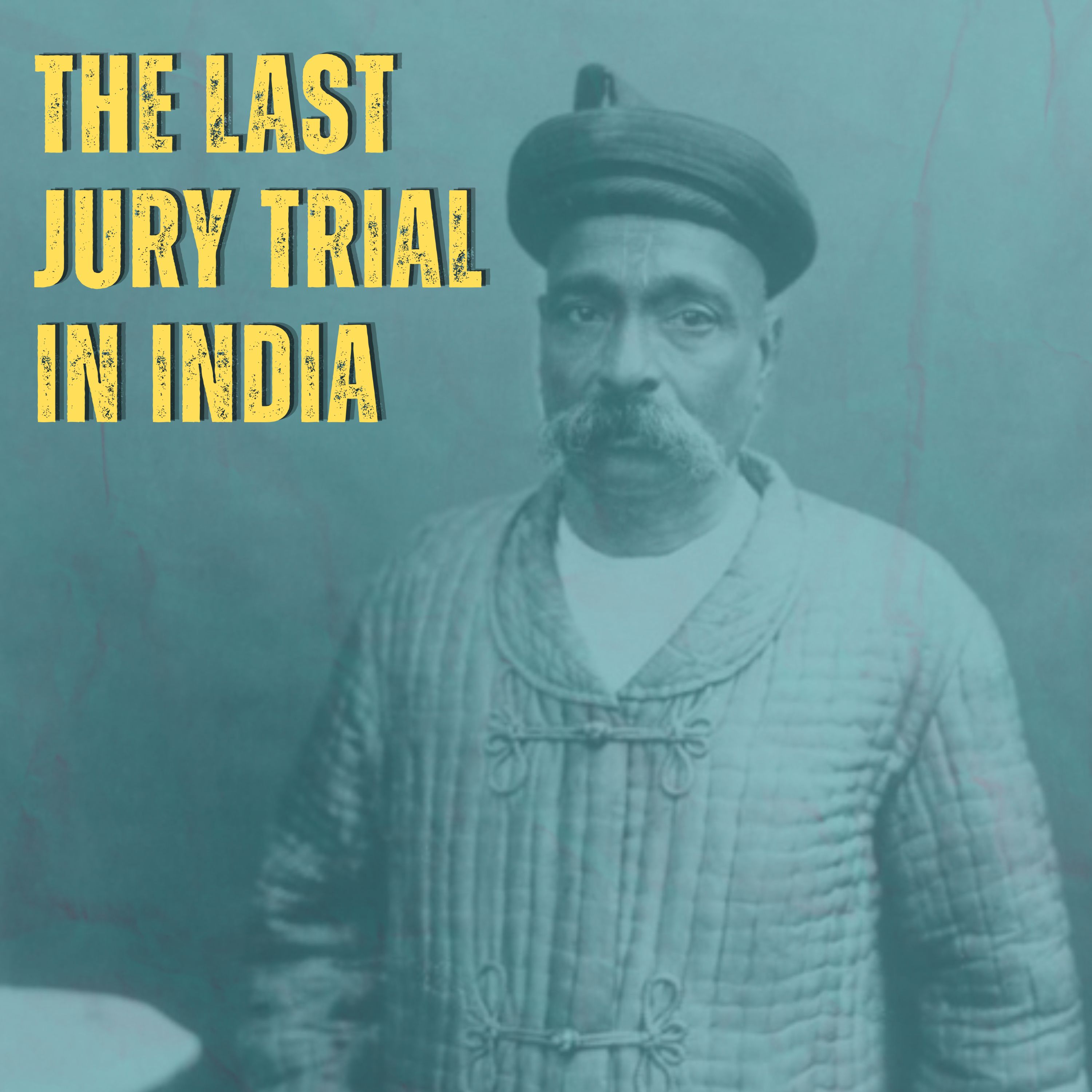
If colonialism is a system of forced rule by an outside entity, why did the British introduce jury trials in India? Were they fair? This episode looks at two remarkable trials: the first is a murder trial of a British tea plantation owner by his workers, and the other is the 1908 trial of Bal Gangadhar Tilak. Tilak was the publisher of the most widely read newspaper in Western India and faced charges of sedition, that is, promoting “disaffection” for the king. Taken together, the trials show that the jury trial was meant to legitimize the British as an empire of law, but the way the trials were conducted revealed something more sinister. Hosted by Simplecast, an AdsWizz company.

Discuss this episode

The Last Jury Trial in India

Episode 1: The Pulse of the People

47 min

The lover ends up dead. The murder trial of Commander Kawas Nanavati captivated Bombay because it had everything—sex, betrayal, intrigue. When the jury verdict came out, many were outraged and they thought the jury system was to blame. The trial came to be known as “The Last Jury Trial in India” because it heralded the end of the jury in India and became a lightning rod for concerns about the jury being corrupted by prejudice and the media. The Last Jury Trial in India is a four-part series hosted by Sonali Chakravarti, professor of government at Wesleyan University. Hosted by Simplecast, an AdsWizz company.

Discuss this episode

Community Poll

Giving a player another chance should depend on their effect on the whole team.

Share your view, then see how readers voted. No sign-in required. This poll is shared across stories.

Do you agree or disagree?

Choose one answer

Common Quandary

A Common Quandary to discuss

Another conversation to explore, separate from this news story.

The luxury hotel charges too much and will never miss one robe. Do you pack it?

After an expensive hotel stay, you notice a plush robe without a price tag or warning. The room cost more than expected, several promised amenities were unavailable, and you convince yourself the robe is probably included.

When does feeling overcharged become permission to compensate yourself?

Explore this quandary