Listen through the publisher, then discuss the episode here or arrange an in-person Roundtable. Your city determines where to meet.
Roundtables are designed for groups of four, with a shared subject and room for everyone to speak. Come for discussion, with no dating expectation.
In Part 2 of our ESMO 2026 Highlights series, Dr. Stephen Liu and Dr. Narjust Florez welcome Dr. Xiao-Rong Dong, Dr. Yi-Long Wu, and Dr. Chantal Decroisette to discuss three important clinical trials: SAFFRON, SANOVO, and PERSEE. The conversations explore emerging strategies for targeting MET in EGFR-mutated non-small cell lung cancer, advances in first-line immunotherapy, and the potential implications of these findings for clinical practice. Xiao-Rong Dong, MD, PhD ([email protected]) Professor, Chief Physician and Doctoral Supervisor Director, Department of Thoracic Oncology Cancer Center of Union Hospital, Huazhong University of Science and Technology No Social Chantal Decroisette, MD Thoracic Oncologist, Medical Oncology Department Centre Léon Bérard, Lyon No Social Yi-Long Wu, MD Professor, Guangdong Lung Cancer Institute Guangdong Provincial People’s Hospital Social: @ThomasW35874311
Episode information is provided by the publisher. Listening takes place on the publisher’s service.
This episode of Scary Bear Attacks explores real, documented bear encounters across Montana — a state known for its vast wilderness, grizzly bear populations, and dangerous human-wildlife conflicts. From remote hiking trails to backcountry campsites, these stories reveal what happens when people unexpectedly cross paths with powerful predators.In this episode, you’ll hear how these Montana bear attacks unfolded, what triggered the encounters, and how quickly routine outdoor activities can turn into life-or-death situations. Each story is based on real incidents and highlights the risks faced by hikers, hunters, campers, and residents living near bear country.This Christmas series counts down some of the most intense true bear attack stories ever recorded — and Montana has more than its share of chilling encounters.Support the channel and view exclusive photos and early releases on Patreon: https://www.patreon.com/user?u=73787379▶️ Watch more true bear attack stories here:https://www.yo
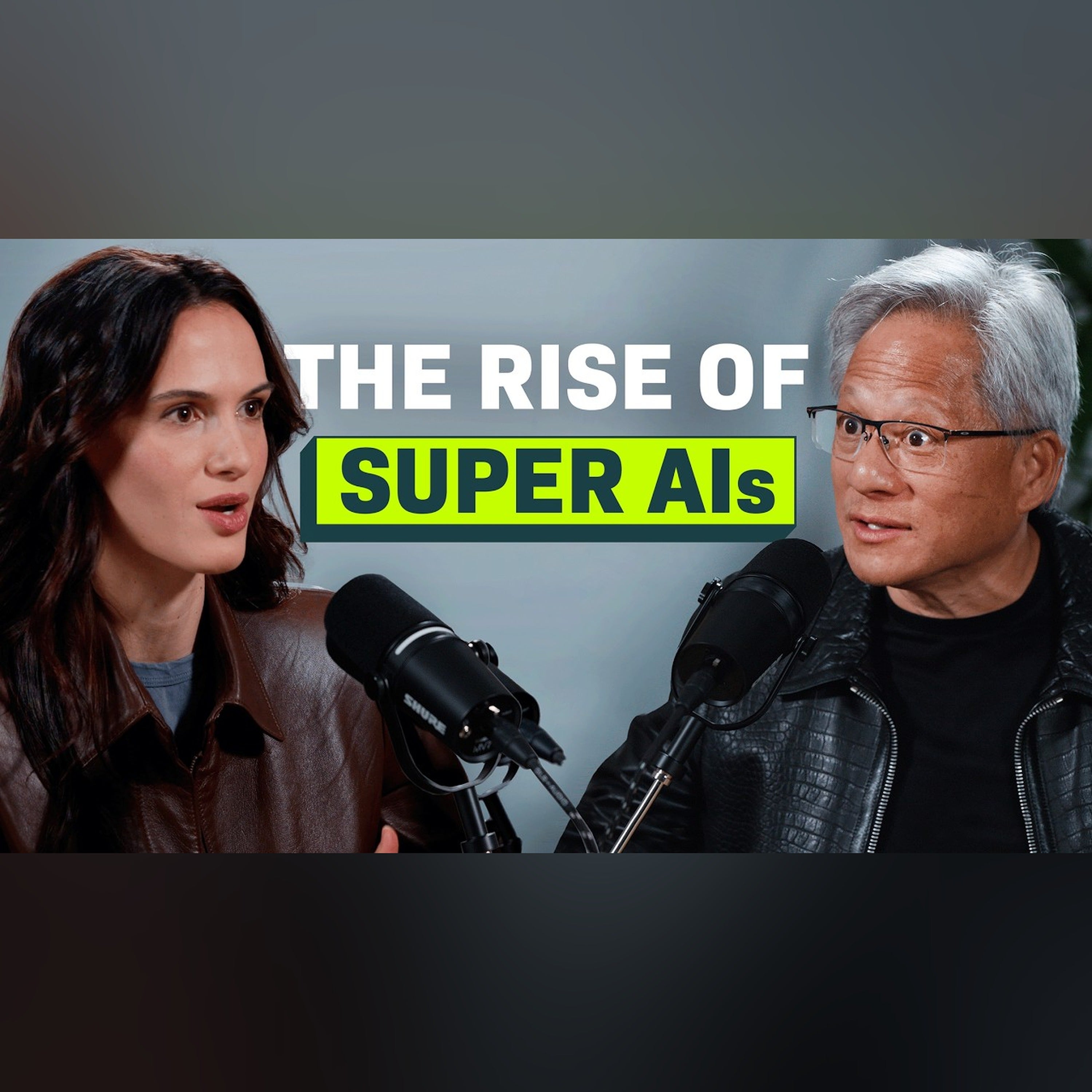
What NVIDIA is trying to build next… You're probably hearing a lot about AI, DeepSeek, NVIDIA and more right now. If you want the big picture (and to start from the beginning), watch this Huge Conversation with NVIDIA CEO Jensen Huang. In the last few years, NVIDIA has skyrocketed to become one of the world's most valuable companies. That's because, beginning in the 90s, they led a fundamental shift in how computers work, now unleashing the current explosion of what’s possible with technology. A huge amount of the most futuristic tech you’re hearing about - in AI, robotics, gaming, self-driving cars, breakthrough medical research - relies on new chips and software designed by him and his company. During the dozens of background interviews I did to prepare for this, what struck me most was how much Jensen Huang has already influenced all our lives over the last 30 years, and how many are saying it’s just the beginning of something even bigger… We all need to know what he’s building and
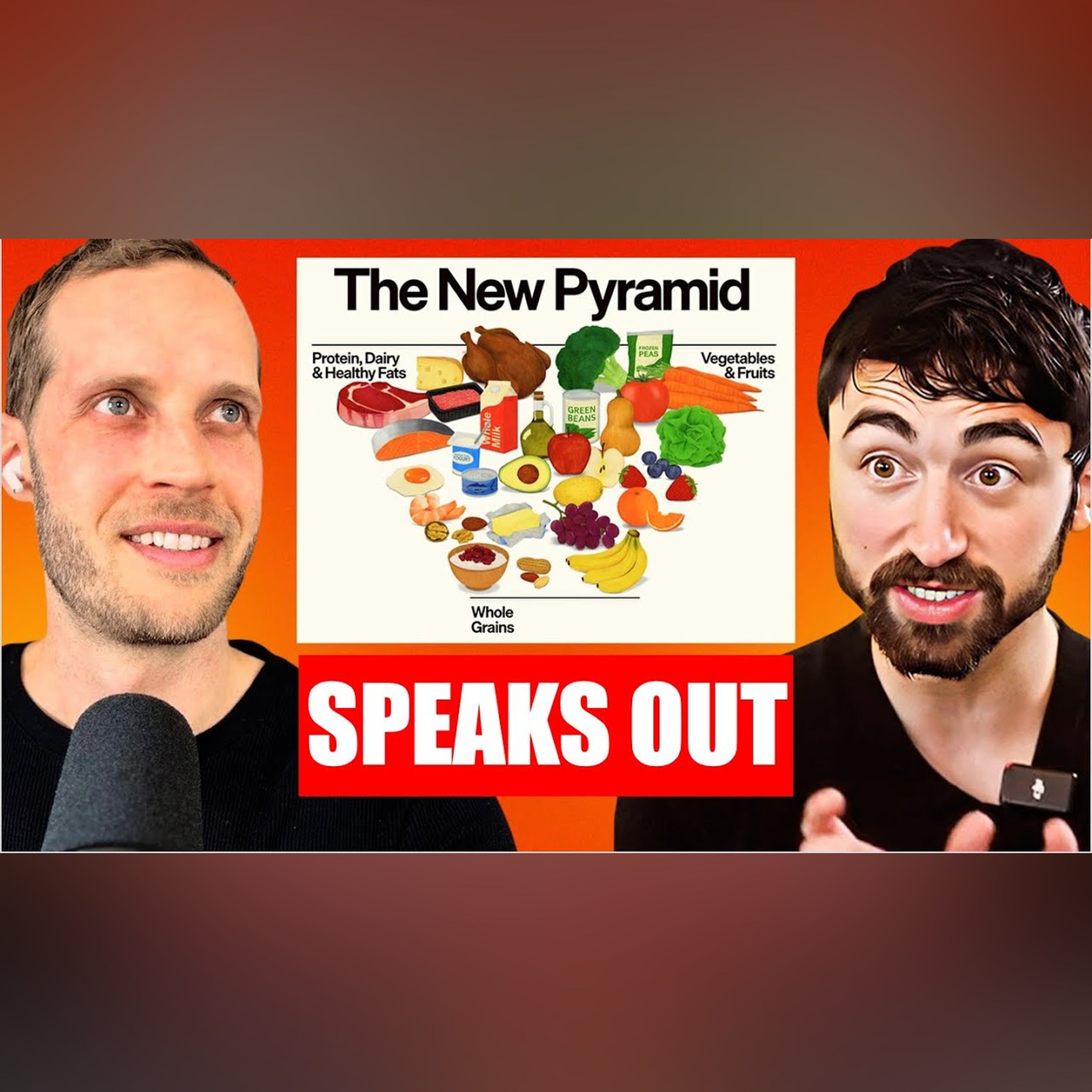
For a written digest on the guidelines, see the StayCurious Metabolism Letter: https://staycuriousmetabolism.substack.com/p/the-new-dietary-guidelines-actually?r=40ekz2 The 2025–2030 Dietary Guidelines are being marketed as a major reset with a simple message: put “real food” back at the center of the American diet. And in a lot of ways, they do represent progress. But when you actually read what’s written, some of the most important details raise real questions. For example, the document still states that saturated fat should not exceed 10% of total daily calories. To separate signal from spin, I’m joined by Dr. Ty Beal PhD, who worked on the evidence review side of the Guidelines process, to explain what the scientific background documents actually say, what happens after scientists submit reviews, and why the final public-facing document can end up with compromises, inconsistencies, or imprecise terminology. If you want a clear, good-faith breakdown—what’s genuinely better, what sti
In Brought to You By: How Corporations Warped the Truth, Conned the Public, and Broke Democracy (https://bookshop.org/a/12343/9781639736331), Amy Westervelt exposes the plot hidden within the familiar story of science denial. Over the last century, Big Industry has built a vast apparatus of think tanks, lobbyists, sponsored university labs, and obliging news networks to con the public and fool decision-makers, poisoning the informational ecosystem and warping the nature of truth along the way. With her signature wit and incisiveness, Westervelt introduces the masterminds of corporate misinformation: Herb Schmertz, the public relations pioneer who made Mobil “the thinking man's oil company;” Richard Edelman, the PR guy who helped the dairy industry vilify oat milk; David Petraeus, the disgraced spy chief using counter-insurgency tactics to discredit climate science; and many more. She shows how these company men have worked to usher in an era of unprecedented corporate control. Only by
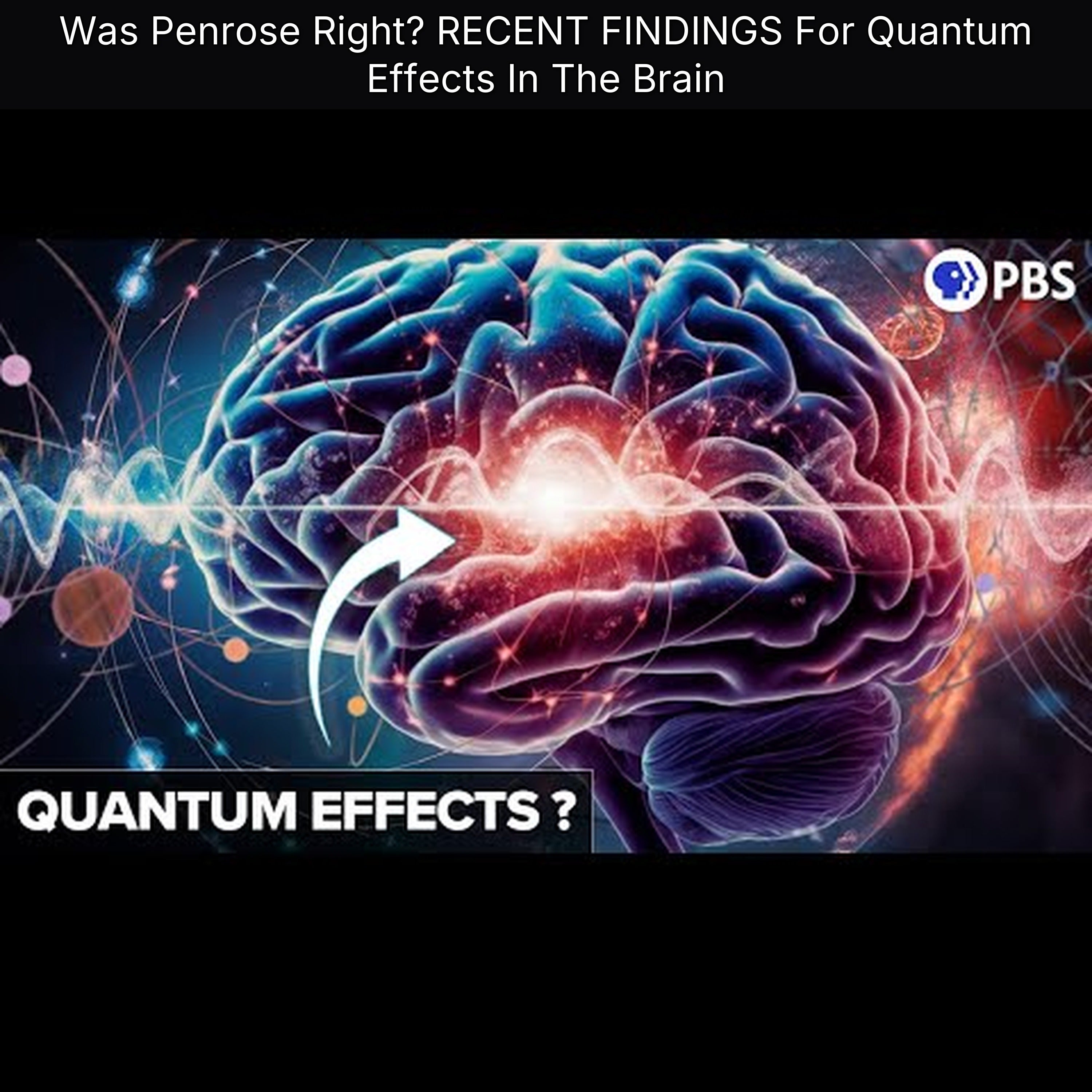
Check out the Space Time Merch Store Sign Up on Patreon to get access to the Space Time Discord! Nobel laureate Roger Penrose is widely held to be one of the most brilliant living physicists for his wide-ranging work from black holes to cosmology. And then there’s his idea about how consciousness is caused by quantum processes. Most scientists have dismissed this as a cute eccentricity—a guy like Roger gets to have at least one crazy theory without being demoted from the supersmartypants club. The most common argument for this dismissal is that quantum effects can’t survive long enough in an environment as warm and chaotic as the brain. Well, a new study has revealed that Penrose’s prime candidate molecule for this quantum activity does indeed exhibit large scale quantum activity. So was Penrose right after all? Are you a quantum entity? PBS Member Stations rely on viewers like you. To support your local station, go to:http://to.pbs.org/DonateSPACE Sign up for the mailing list to get e
On this week’s episode, Graig Suvannavejh, Tim Opler, BrianSkorney, Chris Garabedian, and Matt Gline opened with a look at the biotech market, with the XBI up roughly 17% to 18% year to date, though the group noted that AI-driven demand for capital and the possibility of an AI bubble are weighing on sentiment. The co-hosts then discussed expectations for 2027 as a significant M&A year, following conversations with pharma M&A leaders at the Jefferies Global Healthcare Conference. The group also covered the withdrawal of Heidi Overton’s FDA Commissioner nomination and what the uncertainty could mean for agency stability and volatility. Next, they discussed market rumors of a potential Sanofi acquisition of Insmed, including Brinsupri’s performance and raised guidance, and what a deal of that size could signal for the broader M&A landscape. The group also covered Lilly’s oncology deals with Stipple Bio and Calytrix, and the growing opacity of biobucks headlines and undisclosed upfront pay
In this Japanese-language episode of Lung Cancer Considered, Dr. Misako Nagasaka speaks with Dr. Motoko Tachihara about managing lung cancer in patients with respiratory comorbidities, including interstitial lung disease (ILD), COPD, and pulmonary infections. They discuss key considerations for treatment selection, the use of emerging therapies in patients with pre-existing lung disease, and the importance of multidisciplinary care for these complex patients. Guest Host: Misako Nagasaka, MD, PhD Associate Clinical Professor University of California, Irvine X: @MNagasaka Guest Name & Title: Motoko Tachihara, MD, PhD Associate Professor Division of Respiratory Medicine, Department of Internal Medicine Kobe University Grade School of Medicine
In this episode of Lung Cancer Considered, host Dr. Narjust Florez is joined by Dr. Urvi Shah and Dr. Krystle Zuniga to explore the critical role of nutrition in lung cancer care. The discussion highlights current evidence on nutrition and cancer outcomes, practical strategies to support patients during treatment and survivorship, and common misconceptions fueled by misinformation. Together, they emphasize the importance of integrating evidence-based nutrition guidance into oncology practice to improve patient well-being and quality of life. Guests: Urvi Shah, MD, MS, DipABLM Hematologist, Oncologist, and Physician Scientist Memorial Sloan Kettering Cancer Center All Social: @UrviShahMD Krystle Zuniga, PhD, RD, CSO Owner, Cancer Nutrition HQ Assistant Professor of Instruction, Department of Nutritional Sciences University of Texas Austin Social: @cancernutritionhq
LCC in Spanish: ESMO 2026 Highlights En este episodio en español de Lung Cancer Considered, la Dra. Narjust Florez conversa con la Dra. Ana Velázquez Mañana sobre los principales avances en la investigación del cáncer de pulmón presentados en ESMO 2026 en Madrid. Destacan los resultados de los estudios DeLLphi-305, SAFFRON y Krascendo 1, explorando los avances en el tratamiento del cáncer de pulmón de células pequeñas y las terapias dirigidas para el cáncer de pulmón de células no pequeñas con mutaciones de EGFR y KRAS G12C. La conversación también aborda el estudio MOIO y sus implicaciones para los intervalos de administración de la inmunoterapia, la seguridad de los tratamientos y la práctica clínica. In this Spanish-language episode of Lung Cancer Considered, host Dr. Narjust Florez welcomes Dr. Ana Velázquez Mañana to discuss key lung cancer research presented at ESMO 2026 in Madrid. They highlight findings from the DeLLphi-305, SAFFRON, and Krascendo 1 trials, exploring advances i
Sporting success should include character and contribution, not only winning.
Share your view, then see how readers voted. No sign-in required. This poll is shared across stories.
Do you agree or disagree?
Common Quandary
A Common Quandary to discuss
Another conversation to explore, separate from this news story.
Your family wants an AI to settle an old argument. Would you hand over the group chat?
A recurring family dispute has reached the point where nobody agrees on what was actually said. Your cousin proposes uploading five years of the family group chat to an AI that can reconstruct events, flag contradictions, and recommend a fair resolution. Nearly everyone agrees—but one relative refuses.
Can a tool make a family argument fair without turning intimacy into evidence?