Listen through the publisher, then discuss the episode here or arrange an in-person Roundtable. Your city determines where to meet.
Roundtables are designed for groups of four, with a shared subject and room for everyone to speak. Come for discussion, with no dating expectation.
On this week’s episode, Graig Suvannavejh, Tim Opler, BrianSkorney, Chris Garabedian, and Matt Gline opened with a look at the biotech market, with the XBI up roughly 17% to 18% year to date, though the group noted that AI-driven demand for capital and the possibility of an AI bubble are weighing on sentiment. The co-hosts then discussed expectations for 2027 as a significant M&A year, following conversations with pharma M&A leaders at the Jefferies Global Healthcare Conference. The group also covered the withdrawal of Heidi Overton’s FDA Commissioner nomination and what the uncertainty could mean for agency stability and volatility. Next, they discussed market rumors of a potential Sanofi acquisition of Insmed, including Brinsupri’s performance and raised guidance, and what a deal of that size could signal for the broader M&A landscape. The group also covered Lilly’s oncology deals with Stipple Bio and Calytrix, and the growing opacity of biobucks headlines and undisclosed upfront payments. Looking ahead, they considered how AI and drug development in China could push US biotech to reinvent itself. The episode closed with SELLAS’ positive Phase 3 data for its off-the-shelf cancer vaccine and the questions that remain around the data. *This episode aired on November 20, 2026.
Episode information is provided by the publisher. Listening takes place on the publisher’s service.
Explore how to build healthy habits when it comes to making, growing, and maintaining friendships. -- Friendships can change how we see and move through the world. They can boost our academic performance, help us deal with setbacks, and even improve our health. And the relationships we form in adolescence can shape our beliefs, values, and emotional growth. But making and maintaining friends isn’t always easy. Iseult Gillespie shares how to build healthy friendship habits. Lesson by Iseult Gillespie, directed by Biljana Labović. This video made possible in collaboration with the Bezos Family Foundation Learn more about how TED-Ed partnerships work: https://bit.ly/TEDEdPartner A special thanks to Mitch Prinstein, Andrew Fuligni, Adriana Galván, and UCLA Center for the Developing Adolescent who provided information and insights for the development of this video. Support Our Non-Profit Mission ---------------------------------------------- Support us on Patreon: http://bit.ly/TEDEdPatreon
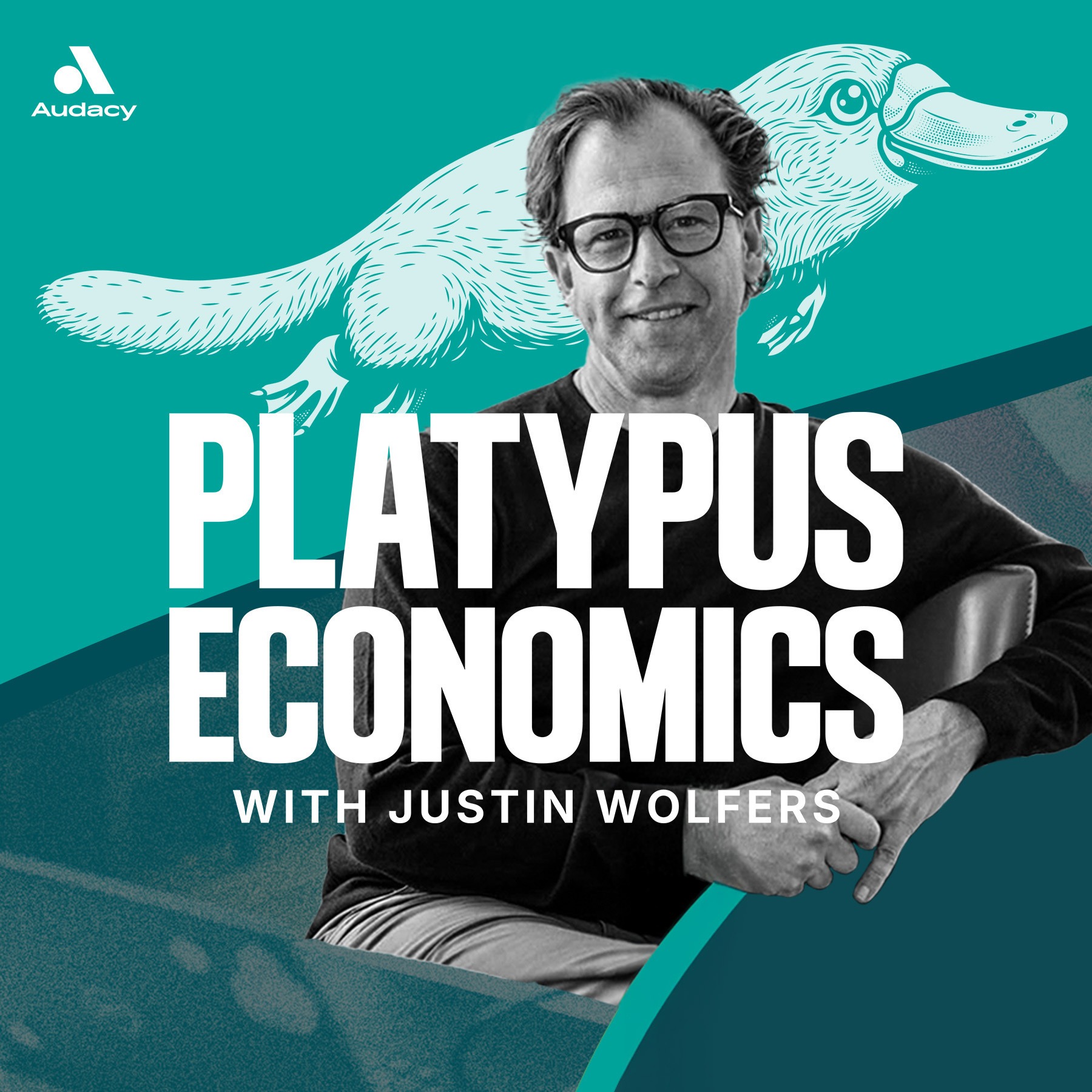
Are we in an AI stock bubble, or are investors betting on a genuinely bigger economy? Justin Wolfers examines AI stock valuations with Stacey Vanek Smith, separating what the technology could do for the economy from what investors might actually earn. A deliberately hypothetical valuation exercise shows why a trillion-dollar company isn't automatically absurd—but a breakthrough for society doesn't guarantee profits for shareholders. Competition can give you powerful tools at low prices while squeezing the companies selling them. The Thanksgiving turkey problem illustrates why a long run of good news can hide rare, severe risks. Justin connects that analogy to fat tails and the peso problem, then explains why spotting a bubble and successfully betting against it are different challenges. He also unpacks what the CAPE ratio can—and can't—tell you about whether stocks are overpriced. The stakes are your savings, not just Wall Street's scoreboard: Justin discusses an S&P 500 decline of 7.5
PBS Member Stations rely on viewers like you. To support your local station, go to: http://to.pbs.org/DonateSPACE ↓ More info below ↓ Uploaded 09-12-19 Sign Up on Patreon to get access to the Space Time Discord! Check out the Space Time Merch Store Since the dawn of humanity around 100 billion people have lived. How many will live in the future of our species? We might hope for a trillion times that if we colonize the galaxy. But a simple statistical argument tells us that the doom of our species is much, much closer. Hosted by Matt O'Dowd Written by Matt O'Dowd Graphics by Leonardo Scholzer and Adriano Leal Directed by: Andrew Kornhaber Executive Producers: Eric Brown and Andrew Kornhaber End Credits Music by J.R.S. Schattenberg: https://www.youtube.com/channel/UCRl6-nb4iOnsij-vnpAjp0Q In some recent episodes we’ve explored the anthropic principle and seen how it can be used to explain the fact that both our planet and our universe seem very finely tuned to allow the development of li
I used the ChatGPT to destroy the ChatGPT - Ep. 2 - Finetuning Data and RL Models Episode release date: 30 Dec 2022 Core Ideas: Metamodernism: Narratives and emergence view of reality - Reduce suffering - Increase prosperity - Increase understanding mantra: Seek knowledge. DISCLAIMER: This is a community-driven show. ------------- Keywords: prompt engineering, ai development, ai consciousness, agi, openai, tech singularity
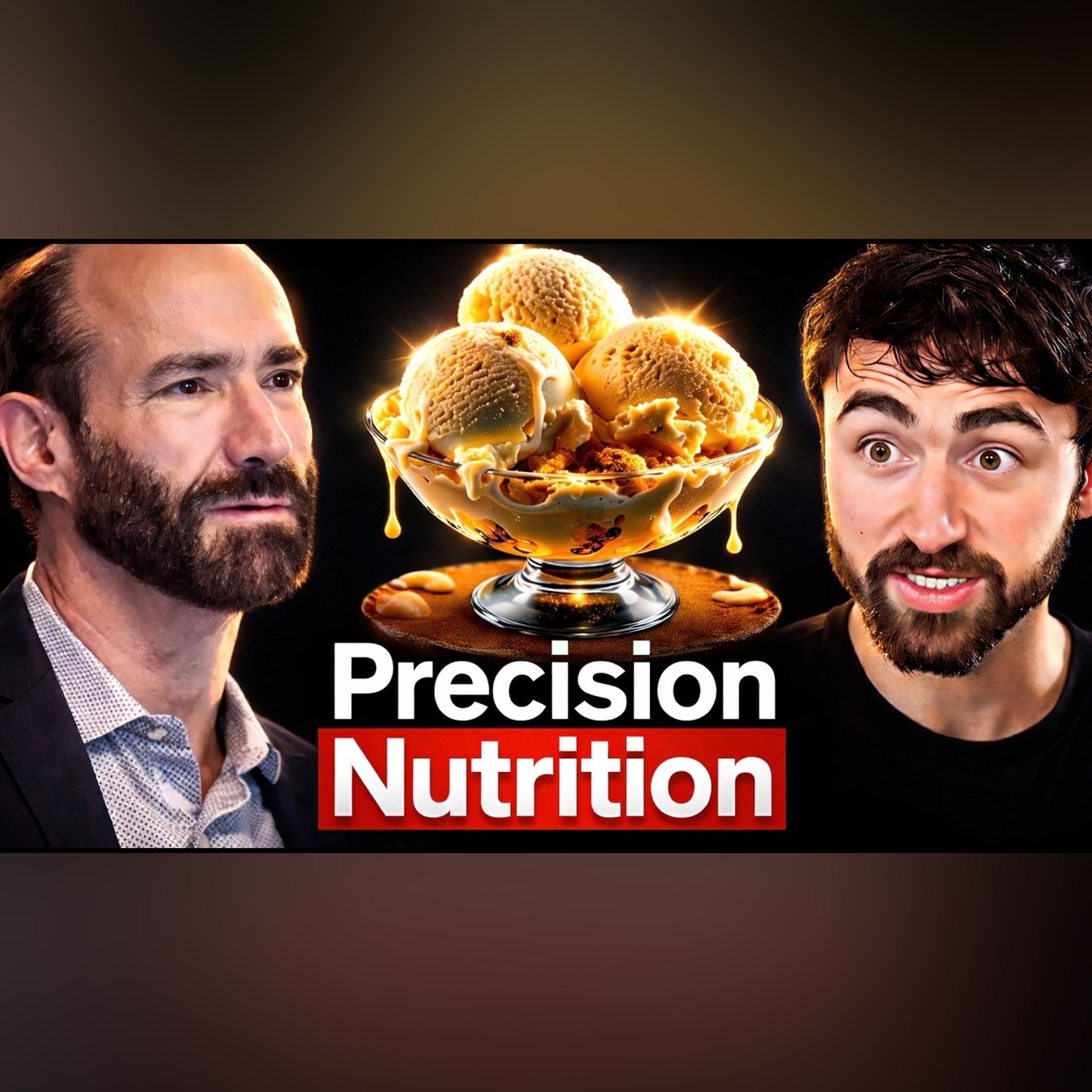
StayCurious Newsletter on Snyder’s Fiber Randomized Controlled Trial: https://staycuriousmetabolism.substack.com/p/fiber-is-good-for-you-is-lazy-science?r=40ekz2 StayCurious Newsletter on Inulin and Fructose Resistance: https://staycuriousmetabolism.substack.com/p/the-fiber-that-fights-fat-how-inulin?r=40ekz2 Snyder Interview 1, Four Types of Diabetes: https://youtu.be/mCrc4gfbK2o Snyder Interview 2, Most Viral Aging Study: https://youtu.be/kMpGkg4zMOU Snyder Interview 3, Most Beautiful Exercise Study: https://youtu.be/_9ywulQF2Ho Why does the same food spike one person’s blood sugar while barely affecting another? In this fourth conversation with Stanford’s Professor Michael Snyder, we explore new research on individualized glycemic responses, insulin resistance subtypes, and why one-size-fits-all nutrition advice keeps failing. From rice spiking glucose more than ice cream, to the power of the grape-to-potato ratio, and beyond, this discussion reveals how metabolism, microbiome, immu
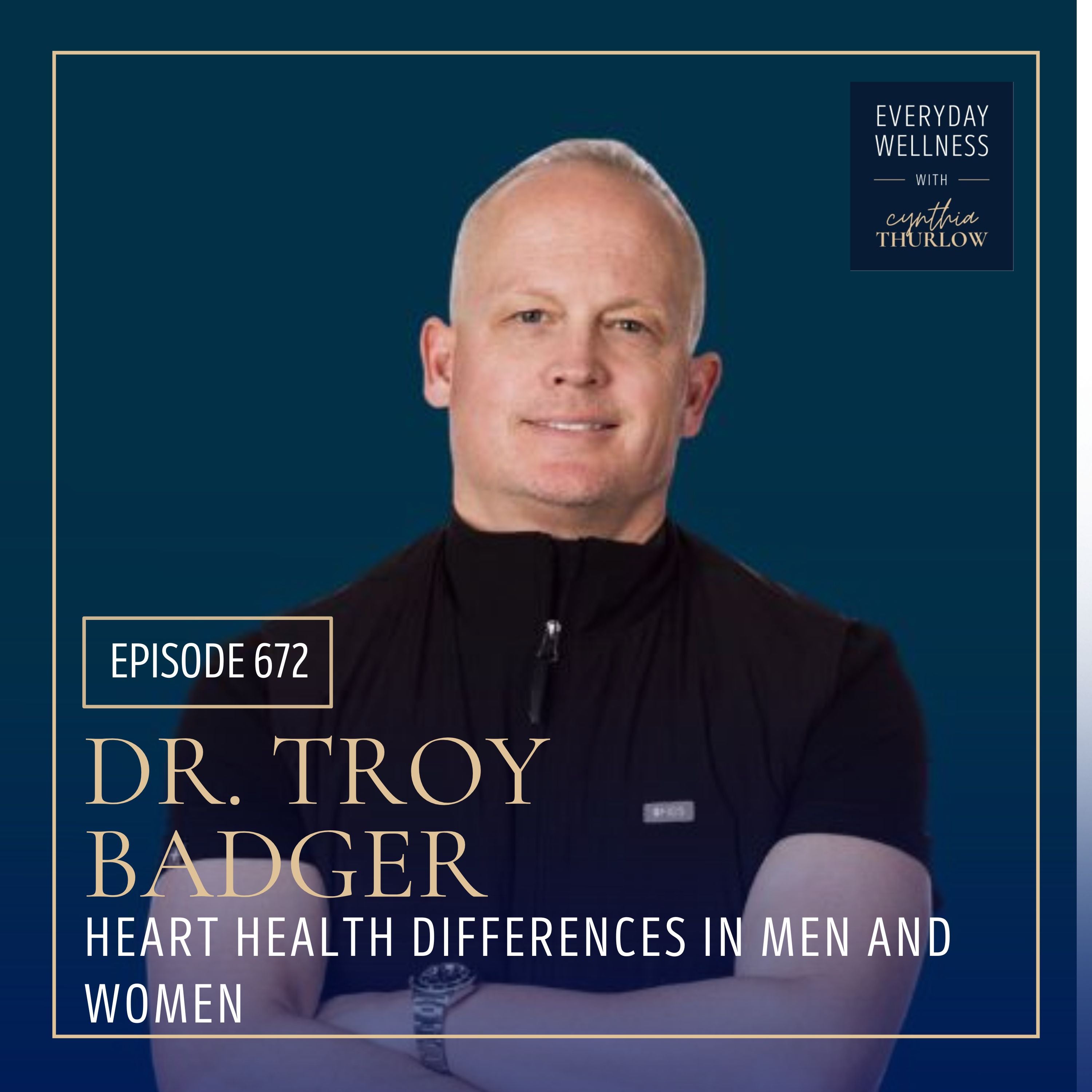
Today, I’m honored to connect with Dr. Troy Badger. He is a board-certified cardiologist and interventionalist and the founder of Cardiostrong, a concierge preventive cardiology clinic in Provo, Utah, focused on reducing cardiovascular risk, optimizing metabolic health, and improving strength and cardiorespiratory fitness for executives and athletes. In today’s conversation, we discuss Dr. Badger’s gender- and age-specific approach to heart health, including treatment differences for men and women, and diagnoses such as INOCA, SCAD, vasospastic disease, and Takotsubo. We examine emotions and their influence on heart health, coronary ischemia and cardiomyopathies, labs and diagnostics, how Dr. Badger assesses risk in his patients, and the differences between a CAC and a CCTA. Dr. Badger also shares the labs he finds essential for all patients and discusses the role of VO2 Max, cardiovascular training, and lifestyle—specifically nutrition, the use of GLP-1 drugs, and a multidisciplinary
On this week’s episode, Eric Schmidt, Yaron Werber, Paul Matteis, and Kate Haviland opened with a look at the biotech market, with the XBI up roughly 25% year to date, though it feels much worse to many buy-side clients. The group discussed the midterm elections, weighing a potential blue wave against a market pricing in two more rate hikes. They also previewed next week’s Senate vote on Dr. Heidi Overton’s nomination as FDA commissioner, with Paul sharing his conversation with former FDA Commissioner Scott Gottlieb at the Stifel Healthcare Conference, where Gottlieb expressed optimism about her confirmation and her grasp of the agency’s need to rehire and rebuild expertise. The co-hosts then discussed the longer-term future of MFN deals, including sunset provisions and the question of whether the policy returns. The conversation turned to drug launches, covering how companies set expectations through pre-launch conversations with clinicians, office staff, and patients, and whether exp
On this week’s episode, Brian Skorney, Paul Matteis, Yaron Werber, and Adam Feuerstein opened with a look at what the midterm results could mean for biotech, covering the macro backdrop, the FDA, and drug pricing. The conversation then turned to Vertex’s povetacicept ahead of a potential IgAN approval at the end of November, and the competitive landscape as Vertex enters a market with two formidable competitors. In earnings news, the group discussed Revolution Medicines’ strong Q3 launch sales for Rasonque, which doubled market predictions, and the safety questions and possible label changes facing Neurocrine’s Vykat. The group also covered the race for the first FDA approval of a psilocybin depression treatment, with Compass nearing NDA completion and a reported filing from the Usona Institute, as well as Novartis’ update on tumor cases in Zolgensma-treated patients. The episode closed with the Phase 3 miss for Novartis and Ionis’ pelacarsen despite significant Lp(a) reduction, and wh
Waste-reduction policies should make responsible choices easy for households.
Share your view, then see how readers voted. No sign-in required. This poll is shared across stories.
Do you agree or disagree?
Common Quandary
A Common Quandary to discuss
Another conversation to explore, separate from this news story.
The mayor is excellent at the job—and secretly cheating on a spouse. Is that news?
A local official is effective, honest in office, and privately having an affair. A journalist can verify it but finds no misuse of public resources or direct connection to official duties.
Does private dishonesty reveal something citizens are entitled to judge?