Evidence that higher vitamin D levels reduce the risk of nine of the top ten causes of death in the U.S.
110 min
Listen through the publisher, then discuss the episode here or arrange an in-person Roundtable. Your city determines where to meet.
Roundtables are designed for groups of four, with a shared subject and room for everyone to speak. Come for discussion, with no dating expectation.
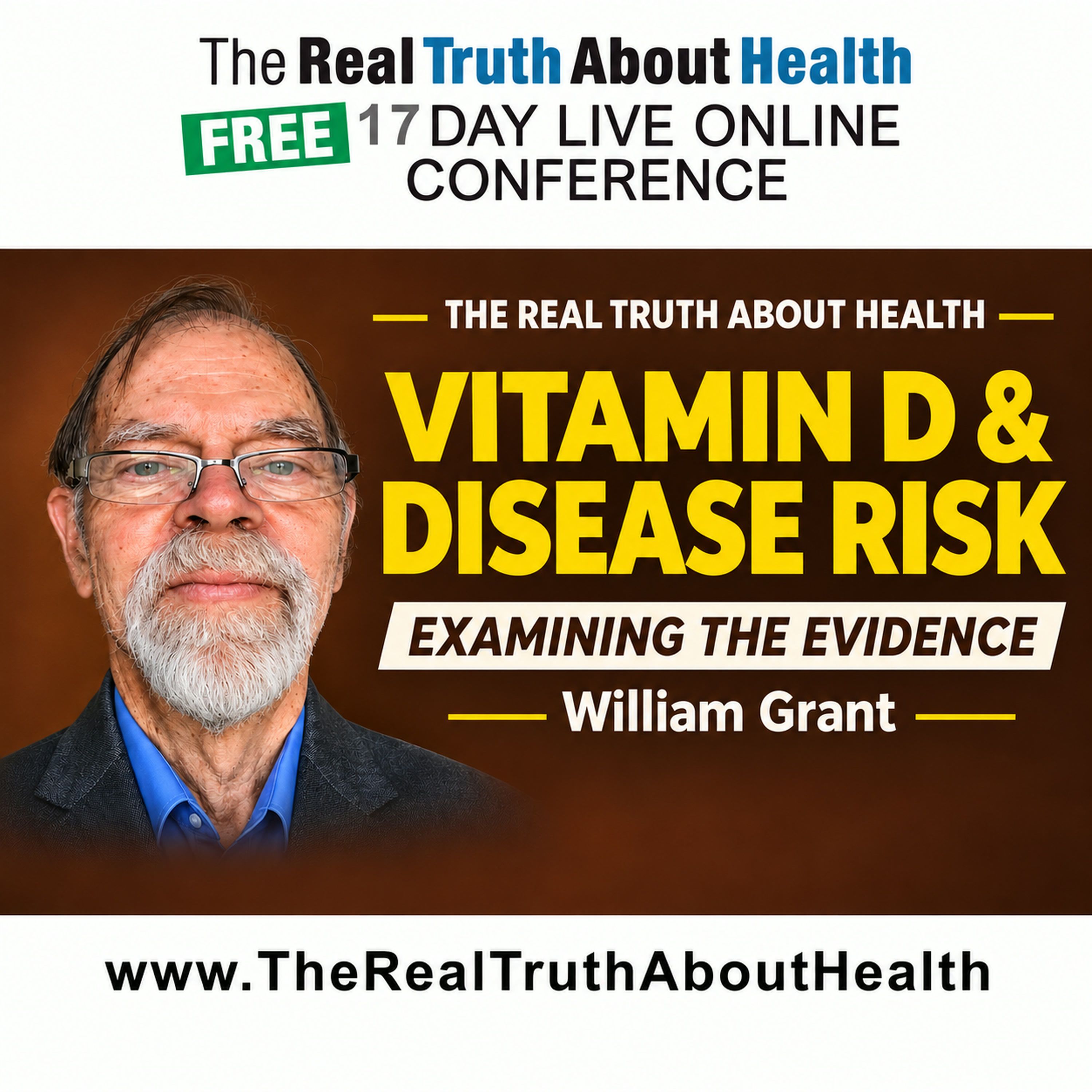
Evidence that higher vitamin D levels reduce the risk of nine of the top ten causes of death in the U.S. William B. Grant, Ph.D., reviews evidence linking higher vitamin D levels with reduced risk for many leading causes of death in the U.S. Explore how vitamin D may influence immunity, inflammation, chronic disease prevention, and long-term public health outcomes. #VitaminD #DiseasePrevention #PublicHealth
Episode information is provided by the publisher. Listening takes place on the publisher’s service.
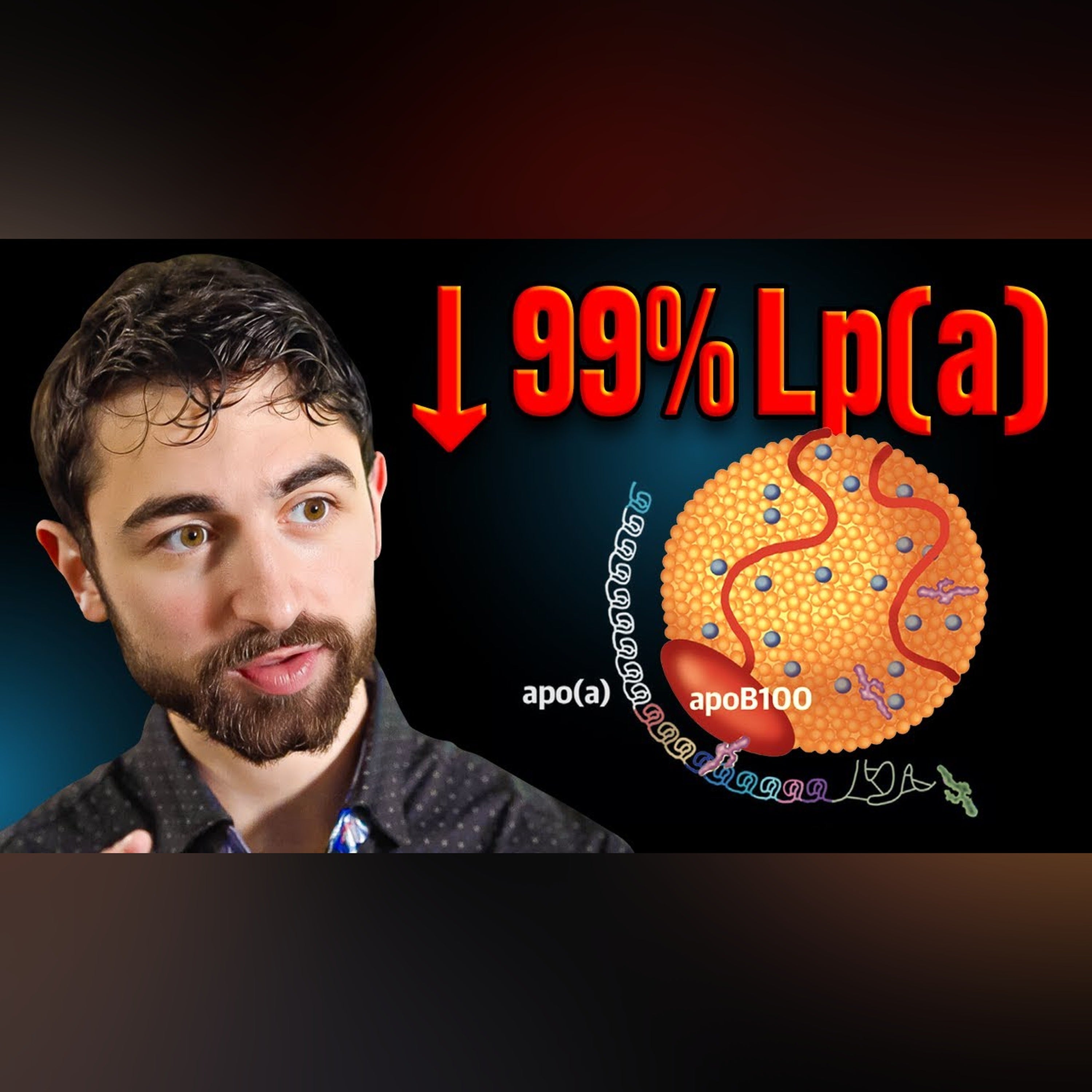
Lp(a), lipoprotein(a) is a major genetic risk factor for heart disease and one of the most talked-about topics in modern cardiology. It plays a significant role as a causal risk factor for cardiovascular disease and is thought to be largely genetically determined. What do you do if you’re genetically cursed, like me, with high Lp(a) levels? In this video, I promise on my own heart health, you'll gain a deeper understanding of Lp(a): what it is, why it’s so important for your heart and metabolic health, and what actionable steps you can take to manage your cardiovascular risk. To give you a roadmap, here’s what we’ll cover in the 8 chapters: 1. Defining Lp(a) 2. Guidelines on measuring Lp(a) and risk thresholds 3. Medications in development to reduce Lp(a) by as much as 99% 4. How to reduce cardiovascular risk 5. Why statins increase Lp(a) and what this means 6. Saturated fat can lower Lp(a) level 7. Oxidized phospholipids as the cargo of Lp(a) 8. Nuance notes for the nerds. This video
Text me what you thought of the show (https://www.buzzsprout.com/1959372/fan_mail/new) Can working night shifts affect your fertility, ovulation or IVF success? After speaking with numerous women trying to fall pregnant while working shifts, including those undergoing expensive IVF treatment, I wanted to explore what the research actually tells us. In this episode of A Healthy Shift, we discuss how night shifts, disrupted sleep and circadian misalignment may affect reproductive health. We cover: Why the fertile window is so short. Shift work, reproductive hormones and menstrual irregularities. What research says about night shifts, fertility and IVF outcomes. The roles of sleep, stress, nutrition, weight and exercise. Practical steps for women trying to conceive while working shifts. Research links shift work with menstrual irregularities, but evidence that night shifts directly cause infertility or reduce IVF success remains uncertain. If you're trying to get pregnant while working ni
"Curing cancer," explained. We’re not looking for a “cure for cancer” anymore. Cancer is hundreds of diseases, so we’re really in a multi front fight against all of them. Cancer is a problem for us today in a way it wasn’t for previous generations. But, luckily, we also have more and more ways to fight back. I started this episode with endless questions: What is cancer? What causes it? How do we treat cancer? What are the symptoms? Why are some cancers easier to treat than others? Why is cancer so hard to cure? Why do so many people die of cancer? What I found is an incredible, complex, inspiring effort to treat and stop an insidious killer. In this video, we dive deep into how we treat cancer today. But I also found that we may not be helping the greatest number of people we can. In this episode of Huge If True, I want to make the case that while we have made enormous strides in the fight against cancer we have also largely ignored one of the single best ways to save the most lives. I
PBS Member Stations rely on viewers like you. To support your local station, go to: http://to.pbs.org/DonateSPACE ↓ More info below ↓ Uploaded 24-02-21 Sign Up on Patreon to get access to the Space Time Discord! We know that gravity must cause clocks to run slow on the basis of logical consistency. And we know that gravity DOES cause clocks to run slow based on many brilliant experiments. But I never explained WHY or HOW gravity causes the flow of time to slow down. And I’m not going to explain it now - because in a sense it’s not true. Gravity does NOT warp the flow of time. It’s the other way around - the warping of time causes gravity. Check out the Space Time Merch Store https://pbsspacetime.com (https://pbsspacetime.com/) Hosted by Matt O'Dowd Written by Matt O'Dowd Graphics by Leonardo Scholzer, Yago Ballarini, Pedro Osinski, Adriano Leal and Stephanie Faria GFX Visualizations: Katherine Kornei Directed by Andrew Kornhaber Assistant Producer: Setare Gholipour Executive Producers:
Does your relationship feel like home, or does it feel like standing on the edge of something you might lose? In Part 3 of our Relationship Anxiety series, clinical hypnotherapist and former paramedic Martin Hewlett guides you through the process of teaching your nervous system that love doesn't have to hurt to be real. We explore the physical manifestations of anxiety—the tight chest, the 2:00 AM racing mind, and the "stomach drop" when a text takes too long—and provide the tools to "turn down the alarm" of your internal survival response. If you are ready to stop "cherry-picking" evidence of disaster and start building a foundation of trust, this session is for you. In This Episode, We Cover: The Science of Safety: Understanding how your nervous system confuses love with danger. Guided Visualization: A journey into your own "safe room" where you are already enough. Rewiring the Brain: Moving from worst-case disaster reels to the reality of small, daily kindnesses. Breaking the Cycle:
Imagine a cozy cavern tucked away from the world, with gentle rain tapping against the roof and a fireplace crackling nearby. It's the perfect place to settle in for a fascinating story about one of history's most influential inventions: the printing press. In this relaxing historical journey, we'll discover how Johannes Gutenberg's printing press transformed Europe, making books more accessible, accelerating the spread of knowledge, and changing how people communicated, learned, and shared ideas. We'll explore the world before mass printing, the remarkable craftsmanship behind movable type, and how printed books helped shape the Renaissance, Protestant Reformation, Scientific Revolution, and the development of modern education. We'll also uncover the earlier printing innovations of East Asia and why Gutenberg's work became such an important turning point in European history. From busy workshops and early printing houses to the first widely circulated books, this episode reveals why th
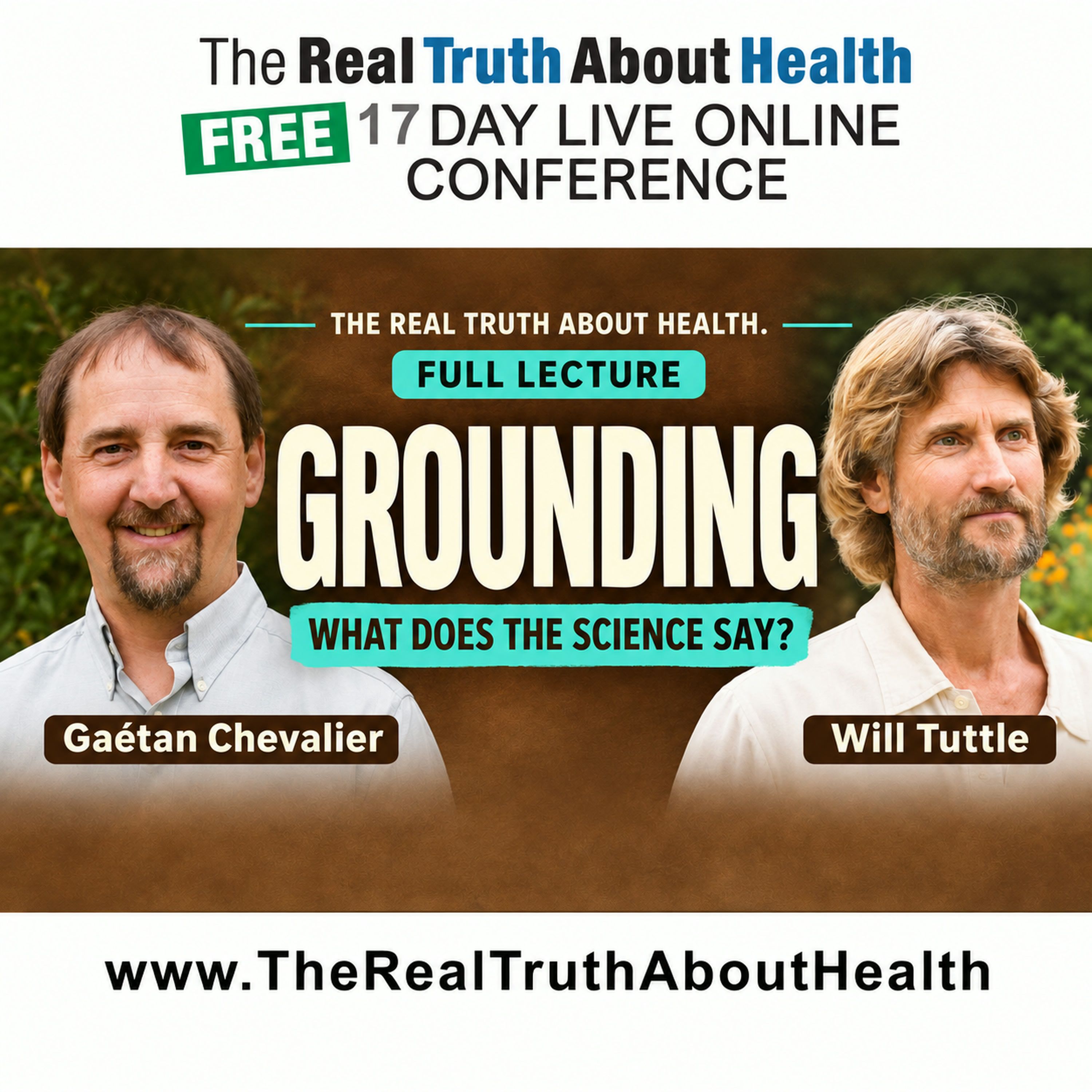
Grounding: What Does the Science Say About Potential Health Benefits? Gaétan Chevalier Ph.D. and Will Tuttle, Ph.D., explore the science and philosophy of grounding, including its potential effects on inflammation, stress, sleep, and overall wellbeing. Learn what current evidence suggests and how reconnecting with the earth may support health. #Grounding #Wellness #NaturalHealth
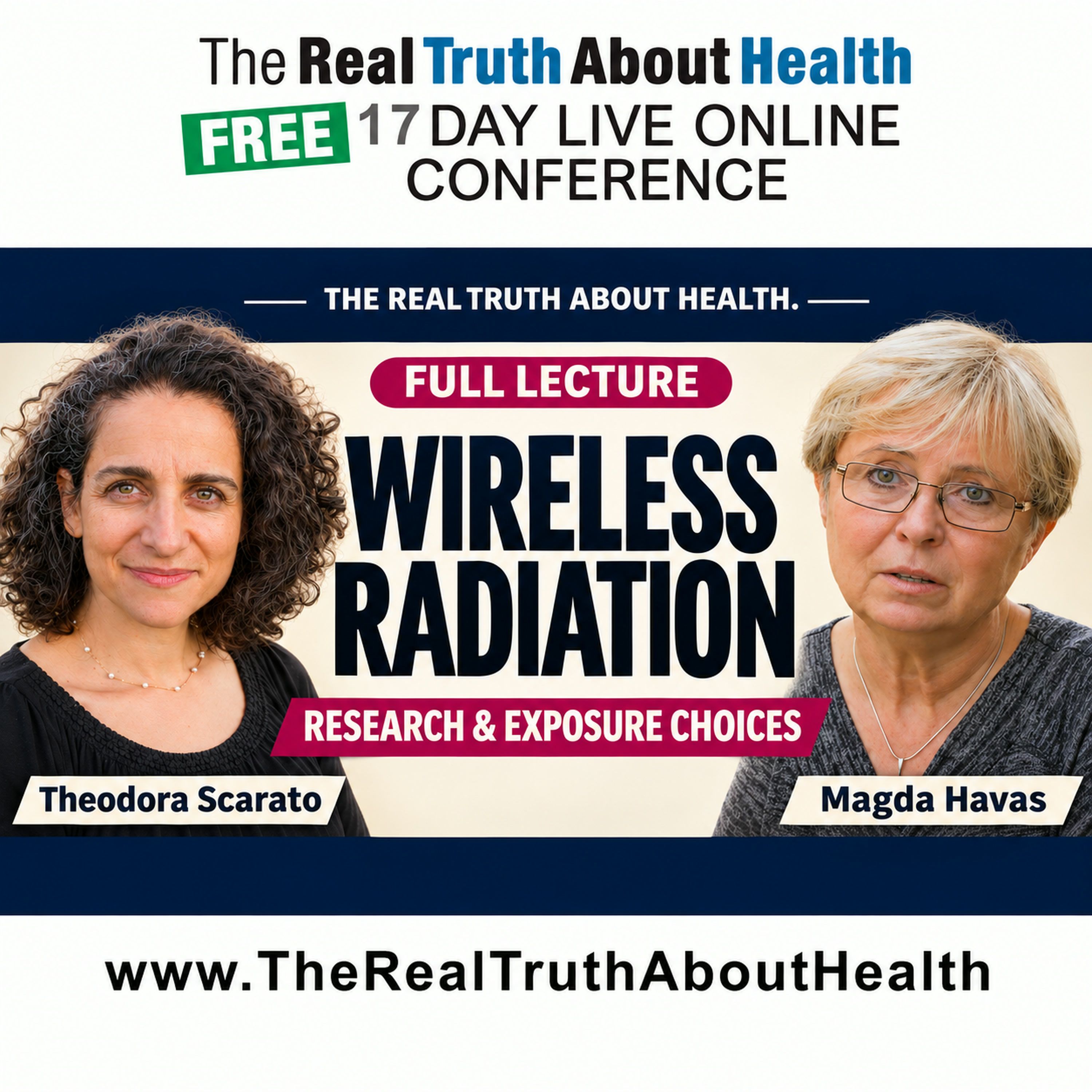
Wireless Radiation: What the Research Says—and How to Reduce Exposure if You Choose Theodora Scarato, MSW, and Magda Havas, PhD, examine what research says about wireless radiation and potential health effects. Learn about everyday exposure sources, scientific concerns, and practical steps people can choose to reduce EMF exposure at home, work, and school. #WirelessRadiation #EMF #PublicHealth
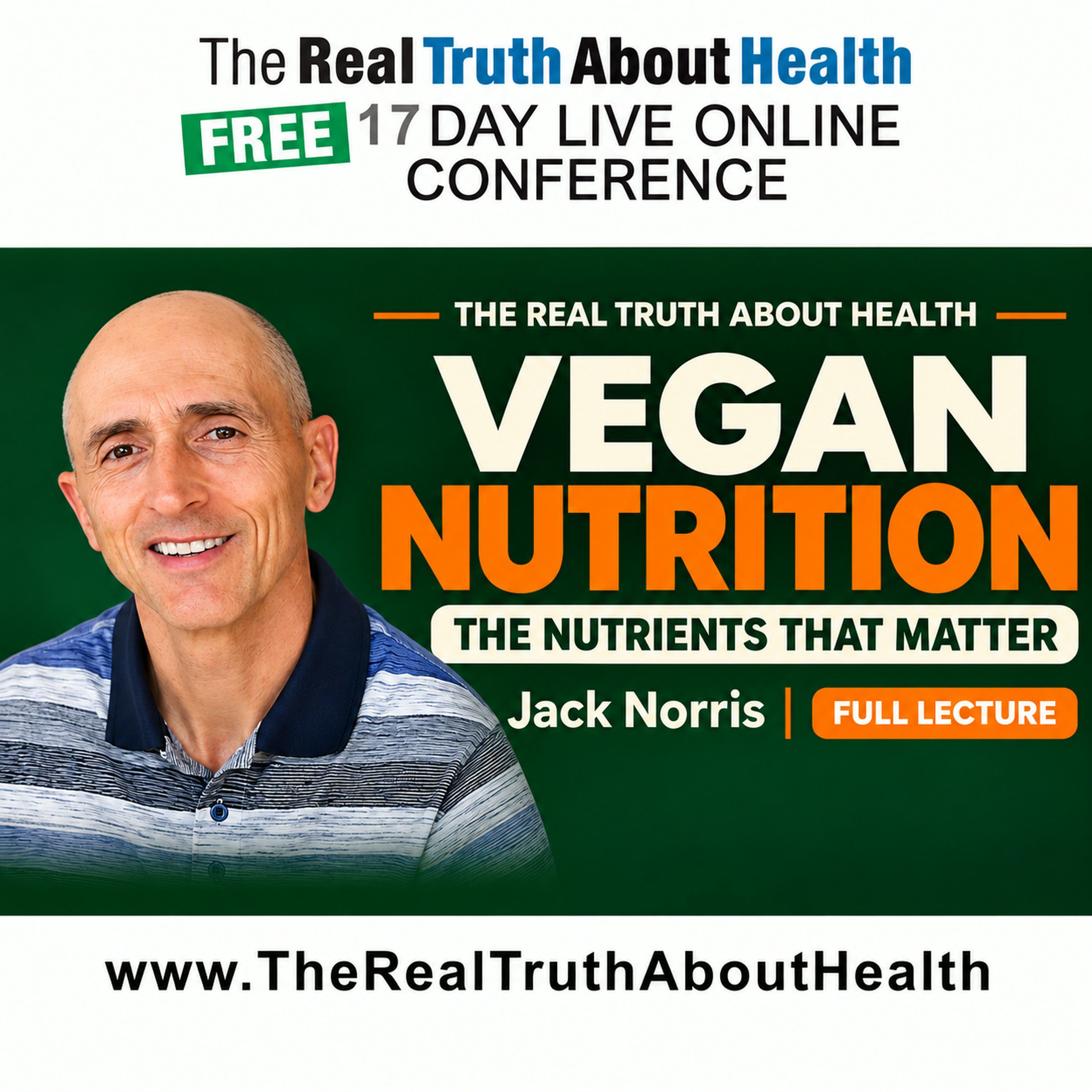
Nutrition Tips for Vegans Jack Norris, R.D., shares practical nutrition tips for vegans to help support a balanced, healthy diet. Learn about key nutrients, smart food choices, supplementation considerations, and evidence-based strategies for thriving on a well-planned vegan lifestyle. #VeganNutrition #PlantBased #HealthyEating
Independent replication should normally precede major decisions based on a single study.
Share your view, then see how readers voted. No sign-in required. This poll is shared across stories.
Do you agree or disagree?
Common Quandary
A Common Quandary to discuss
Another conversation to explore, separate from this news story.
A bot will reject your honest résumé. Is it okay to add a year of experience?
A role requires three years of experience. You have two, possess all the practical skills, and know automated screening will reject an honest application before a person sees it.
Can an unfair gatekeeping system justify misrepresentation?