Listen through the publisher, then discuss the episode here or arrange an in-person Roundtable. Your city determines where to meet.
Roundtables are designed for groups of four, with a shared subject and room for everyone to speak. Come for discussion, with no dating expectation.
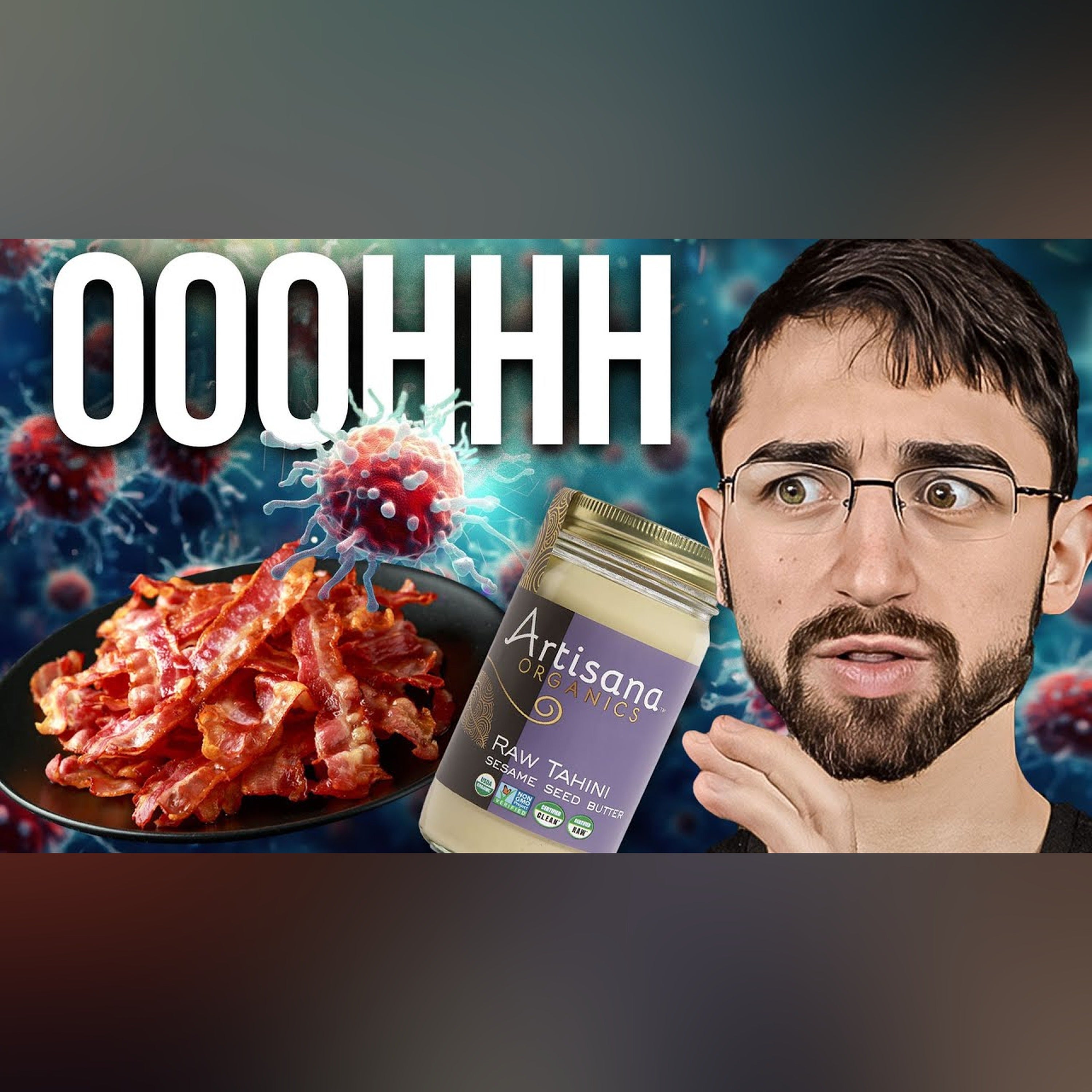
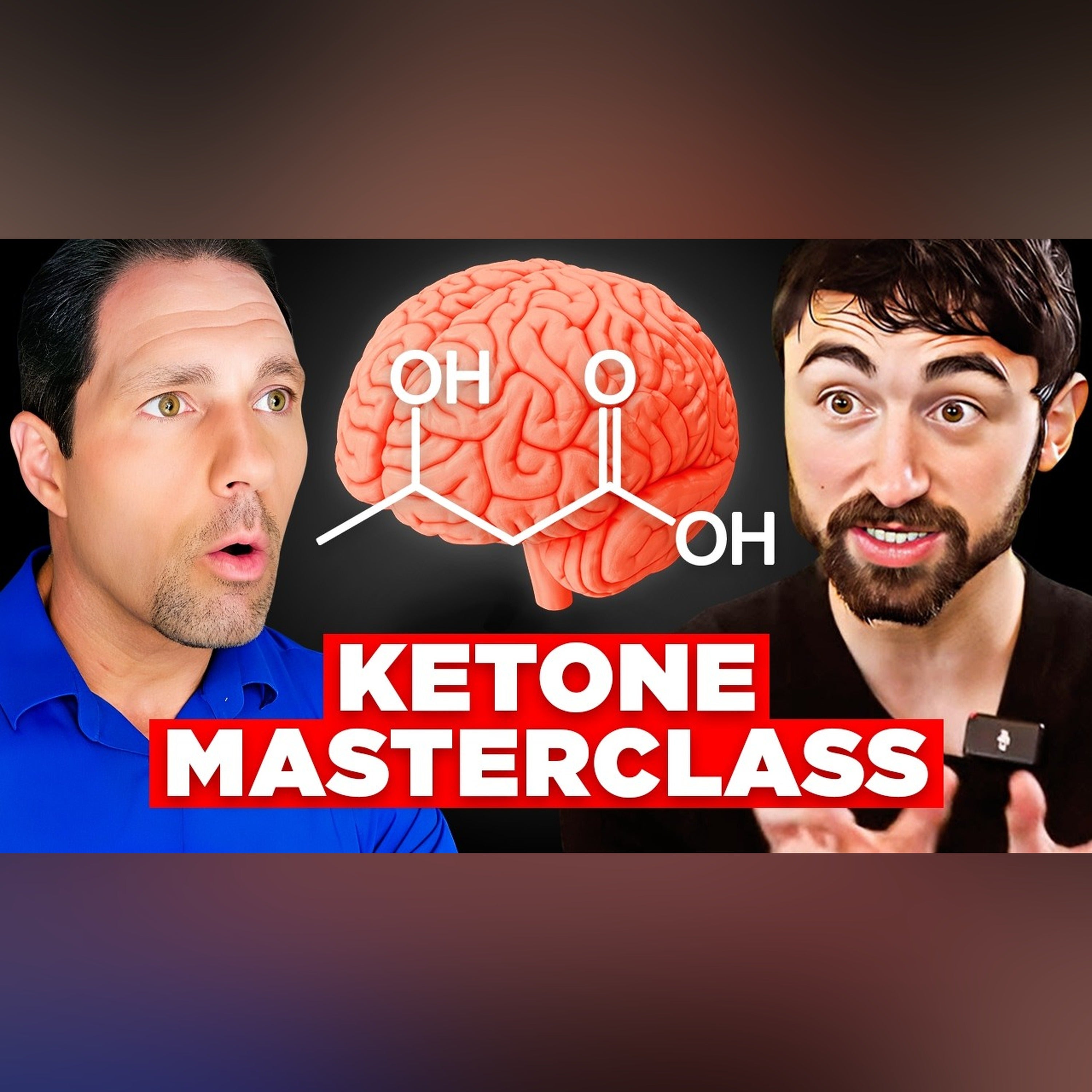
In this video, I break down exciting new research published in Nature that uncovers how fatty acids aren't just fuel—they're signaling molecules! Learn how fatty acids activate a protein cascade leading to a metabolic shift your body into fat-burning mode during fasting or on a ketogenic diet. Plus, I explain how push my ketone levels to 6 mM in under 24 hours, and how these findings impact cancer therapy. Chapters 0:00 – What REALLY Causes Ketosis? 1:21 – New Study in Nature 3:24 – Nuts, Seeds, Butter, Beef 4:34 – My Ketone Hack 6:02 – Pancreatic cancer, Keto, and eIF4E Paper: https://www.nature.com/articles/s41586-024-07781-7 #Ketosis #FattyAcids #CancerResearch #MetabolicHealth #AMPK #eIF4E #KetoScience #Fasting #FatBurning #Metabolism
Episode information is provided by the publisher. Listening takes place on the publisher’s service.
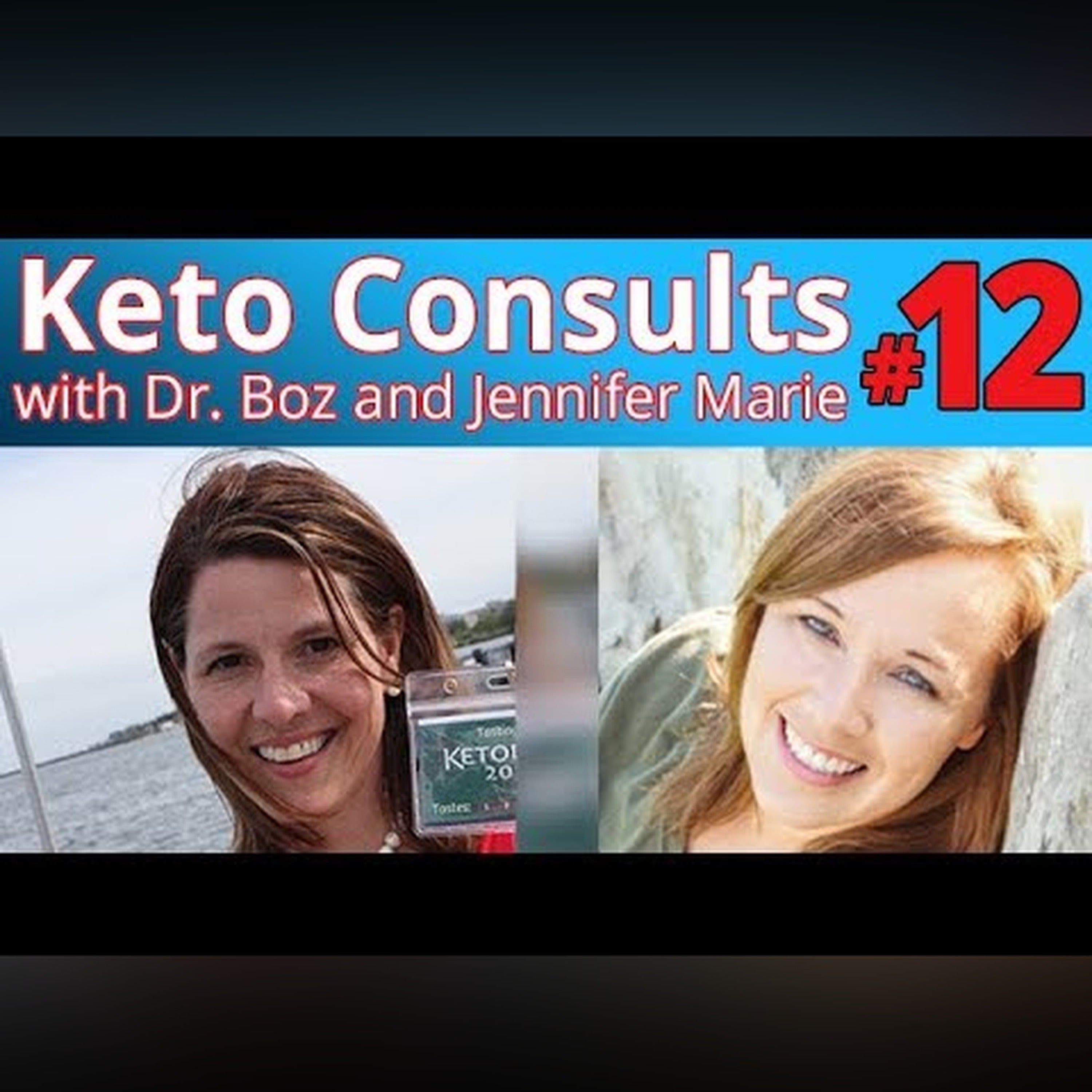
Keto Consult #12, This week Jennifer and I talk about my experience at the Metabolic Health Center 2019. I was able to hear some really interesting lectures about Keto for Cancer and Keto for Mental Health. The talk about Keto for Cancer and Keto for Mental Health has come such a long way in the past 2 years and continues to evolve. We also discuss the Effects of Marijuana on the Brain and Hyperbaric Oxygen Chambers and the benefits of Hyperbaric Oxygen Therapy. Finally we get an update from Jennifer and discuss her personal Keto Journey. Thanks for tuning into my channel. To learn more about Keto and Cancer, read my blog here: https://bozmd.com/m-d-anderson-on-the-keto-diet-and-cancer/ BOOK-LINK - ANYWAY YOU CAN. AUDIBLE: https://adbl.co/2SLLfS1 PAPERBACK= (Affilate link) https://amzn.to/2Cq1IVC The two most common questions I get ... 1) "Doc, what BLOOD METER do you recommend?" ANSWER: FORACARE: http://bit.ly/2QKGmKG For years my diabetics told me this system was great. I tried sever
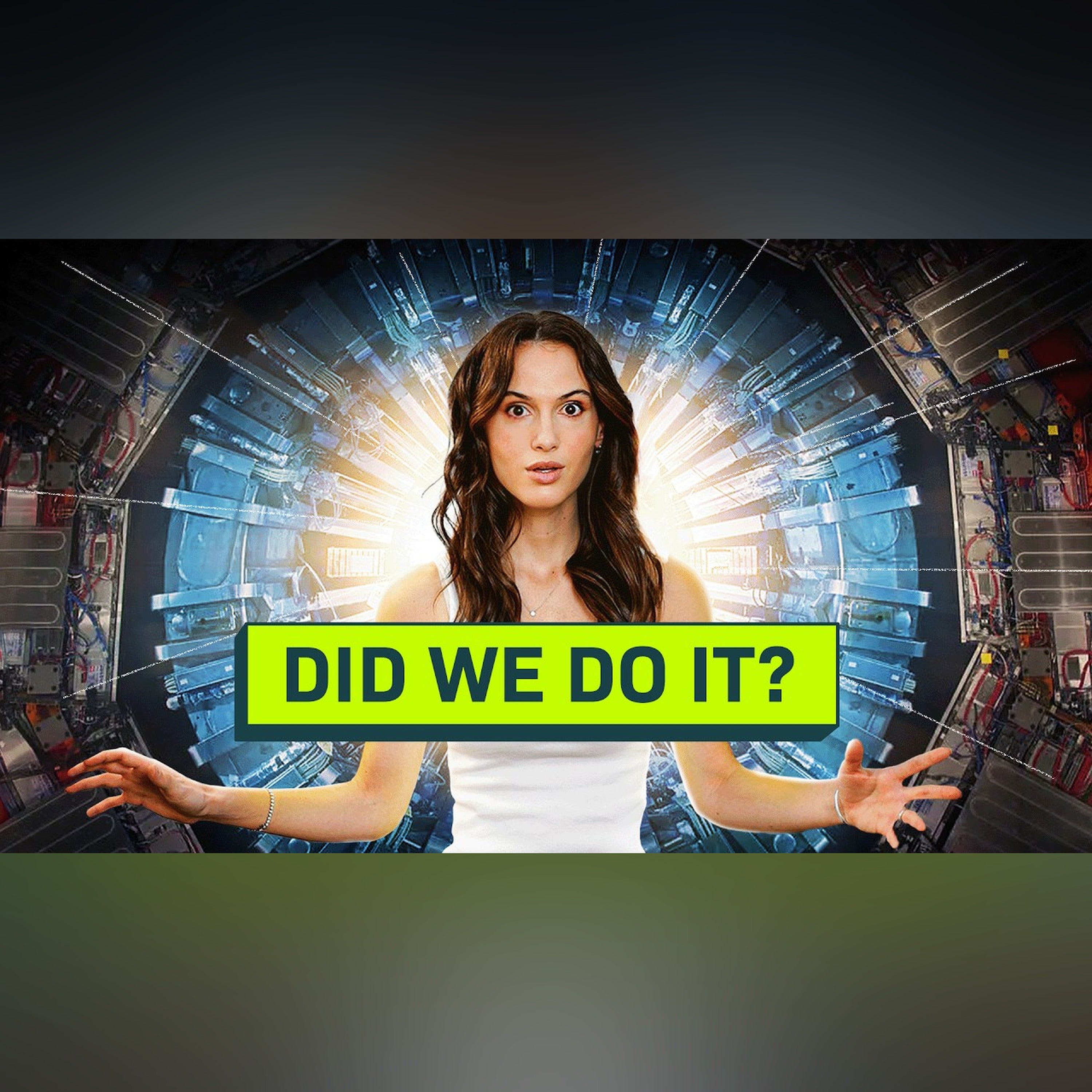
The world’s most astonishing science experiment, simply explained. On the border between France and Switzerland is the biggest science experiment humanity has ever built. Over a 100 meters underground, there’s a tunnel 27 kilometers long in a big loop under nearby homes, businesses, and farms. Inside that tunnel, scientists built a blue tube big enough to crawl through, and inside that tube, they put two pipes that they keep colder and emptier than outer space. Down those pipes, they fire particles smaller than atoms in opposite directions…. and push them faster and faster… until when they’re almost at the speed of light… they SMASH TOGETHER. This underground particle-smasher is also known as the Large Hadron Collider at CERN. It took thousands of scientists from over nearly 100 different countries $5 billion dollars and 30 years to plan and build. My question is: Why? Why did they do that??? Why spend so much money and time to smash particles underground? And now… why do so many scien
In this calm and sleepy facts episode, we spend eight peaceful hours exploring some of the quietest wonders of the natural world. We begin beneath a gathering thunderstorm, following warm air as it rises into towering clouds and learning how a single flash of lightning can briefly heat the air to several times the temperature of the surface of the Sun. From there we settle into the hidden world of hibernation, where animals slow their breathing and their heartbeats to just a few beats a minute and wait out the long winter in stillness. Next, we wander among the trees, discovering how they lift water hundreds of feet into the air without a single moving part and quietly record each passing year in rings of wood. Finally, we cross the deserts, where the heat of the day gives way to cold, clear nights and some dunes hum softly as the sand slides down their slopes. Each story unfolds slowly and gently, with no sudden sounds, so the whole night can pass in calm and quiet wonder. Let these c
THE SEARCH FOR THE ULTIMATE RED LIGHT THERAPY IS OVER! After decades of exploring wellness technologies, Michael Jaco sits down with Rob Rene, founder of Exodus Strong, to explore the Red Light+ Total Body Reset system, the science behind red and near-infrared light, and why this technology has become such an important part of their wellness conversation. Rob's remarkable personal journey—including surviving five near-death experiences—inspired his mission to develop practical wellness tools that people can incorporate into their everyday lives. Discover the full-body Red Light+ Mat, designed for convenient 20-minute sessions, and the portable Red Light+ Wand, created for targeted use on areas such as the knees, shoulders, hands, and lower back. Michael and Rob discuss the technology, personal experiences, and how red light therapy may support a daily wellness routine. BLACK FRIDAY–CYBER MONDAY LISTENER EXCLUSIVE! This is your opportunity to explore Exodus Strong's special holiday offe
Uploaded 14-12-17 View full lesson: https://ed.ted.com/lessons/how-your-digestive-system-works-emma-bryce Across the planet, humans eat on average between 1 and 2.7 kilograms of food a day, and every last scrap makes its way through the digestive system. Comprised of ten organs covering nine meters, this is one of the most complicated systems in the body. Emma Bryce explains how the different parts of the digestive system work to transform your food into the nutrients and energy that keep you alive. Lesson by Emma Bryce, animation by Augenblick Studios. Thank you so much to our patrons for your support! Without you this video would not be possible! Narat Suchartsunthorn, Joy Love Om, Gi Nam Lee, Shawn Quichocho, Simone Kidner, Anika Westburg, Dale Dualan, Barun Padhy, John Ess, Brandy Jones, Devin Harris, Tony Trapuzzano, Stephen Michael Alvarez, Tom Lee, Juliana , Jason Weinstein, Hoang Ton, Kris Siverhus, Alexander Walls, Annamaria Szilagyi, Morgan Williams, Abhijit Kiran Valluri, Ma
Does your relationship feel like home, or does it feel like standing on the edge of something you might lose? In Part 3 of our Relationship Anxiety series, clinical hypnotherapist and former paramedic Martin Hewlett guides you through the process of teaching your nervous system that love doesn't have to hurt to be real. We explore the physical manifestations of anxiety—the tight chest, the 2:00 AM racing mind, and the "stomach drop" when a text takes too long—and provide the tools to "turn down the alarm" of your internal survival response. If you are ready to stop "cherry-picking" evidence of disaster and start building a foundation of trust, this session is for you. In This Episode, We Cover: The Science of Safety: Understanding how your nervous system confuses love with danger. Guided Visualization: A journey into your own "safe room" where you are already enough. Rewiring the Brain: Moving from worst-case disaster reels to the reality of small, daily kindnesses. Breaking the Cycle:
Microplastics in my Heart Letter: https://staycuriousmetabolism.substack.com/p/microplastics-in-my-heart-its-worse?r=40ekz2 Stanford Fiber RCT, Letter https://staycuriousmetabolism.substack.com/p/fiber-is-good-for-you-is-lazy-science?r=40ekz2 Microbiome Reset, Letter https://staycuriousmetabolism.substack.com/p/how-im-rebuilding-my-microbiomeafter?r=40ekz2 Description: Microplastics are everywhere—in our food, water, and inside our bodies—and avoiding them completely is nearly impossible. In this conversation, I sit down with Dr. Matthew Dunn PhD, a molecular biologist working at the intersection of biotechnology and human health, to unpack what the science actually says about microplastics and how they may be linked to cardiovascular disease, reproductive health issues, and gut inflammation We break down the landmark human data, the animal and cellular studies that help explain possible mechanisms, and dissect the state of the data. We also explore a potential inside-out solution: usi
In this conversation, I sit down with Professor Dom D’Agostino, one of the world’s leading experts on metabolic therapies, ketosis, and exogenous ketones. We dive deep into the science of ketone esters, MCT oils, and 1,3-butanediol, breaking down how these compounds affect the brain, liver, and mitochondria. If you’ve ever wondered what ketone supplements actually do, this interview cuts through hype with hard data, clinical context, and self-experimentation. Mitochondrial Migration (Adapt) Video: https://youtu.be/R9x5Y57HuoA 0:00 – Ketones Can Rescue the Brain from Hypoglycemia 2:00 – The Self-Experiment That Changed Dom’s Career 5:00 – Ketones as a Lifeline in Severe Hypoglycemia 8:15 – Ketone Esters Explained: Forms, Effects, and Risks 16:10 – What Are MCTs and How They Boost Ketones 18:00 – The Story of MCT Oil and Alzheimer’s Disease 27:40 – Polyunsaturated Fats (PUFAs) and Ketone Production 33:00 – Ketone Salts: Benefits, Risks, and Misconceptions 36:00 – The Hidden Dangers of 1,
For extra nuances and all the references, please see the newsletter: https://staycuriousmetabolism.substack.com/p/how-i-hacked-my-girlfriends-brainwith?r=40ekz2&utm_campaign=post&utm_medium=web&triedRedirect=true (https://staycuriousmetabolism.substack.com/p/how-i-hacked-my-girlfriends-brainwith?r=40ekz2&triedRedirect=true) Can light influence attraction, hormones, and even reproductive biology? In this video, we explore surprising research on light exposure, testosterone, estrogen, fertility signals, and behavioral changes observed in both animal models and human studies. From hormone cascades triggered through the skin to seasonal changes in reproductive biology, this is a fascinating look at how deeply light may shape human physiology. Along the way, I also test whether increasing my own sunlight exposure changes my testosterone levels and reveal how my girlfriend hacked my brain! For more nuance, mechanisms, protocols, and limitations behind these findings, check out the full deep
Manufacturers should help cover harm from unsafe products even if older standards permitted them.
Share your view, then see how readers voted. No sign-in required. This poll is shared across stories.
Do you agree or disagree?
Common Quandary
A Common Quandary to discuss
Another conversation to explore, separate from this news story.
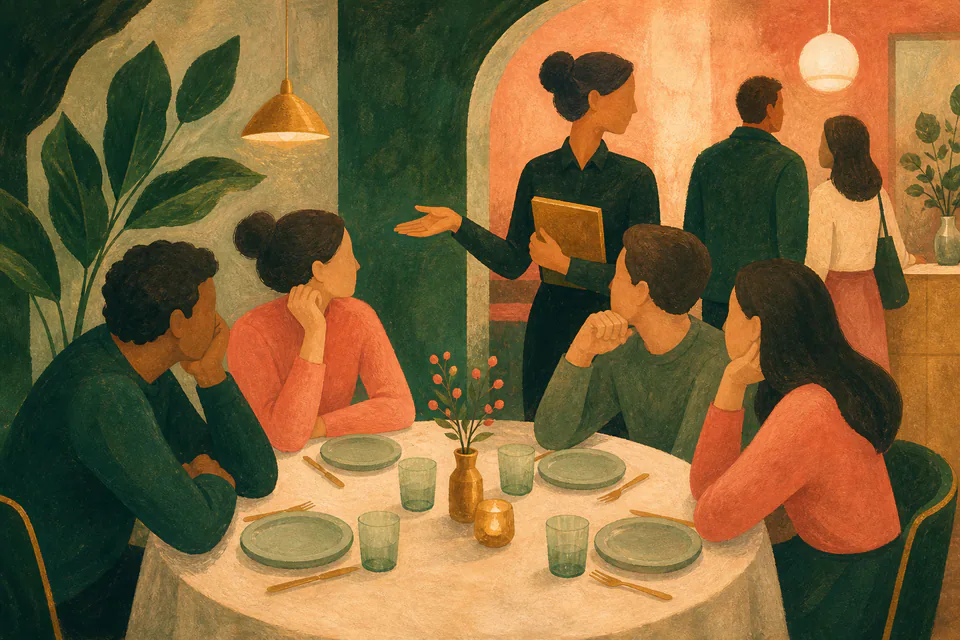
Your friend is forty minutes late. Can the restaurant give away their chair?
A busy restaurant seats your group only after everyone arrives. One friend is forty minutes late and keeps texting that they are almost there. A couple waiting nearby could use the empty place, and the server asks your group to order without them.
How long should one person's delay control everyone else's evening?