Listen through the publisher, then discuss the episode here or arrange an in-person Roundtable. Your city determines where to meet.
Roundtables are designed for groups of four, with a shared subject and room for everyone to speak. Come for discussion, with no dating expectation.
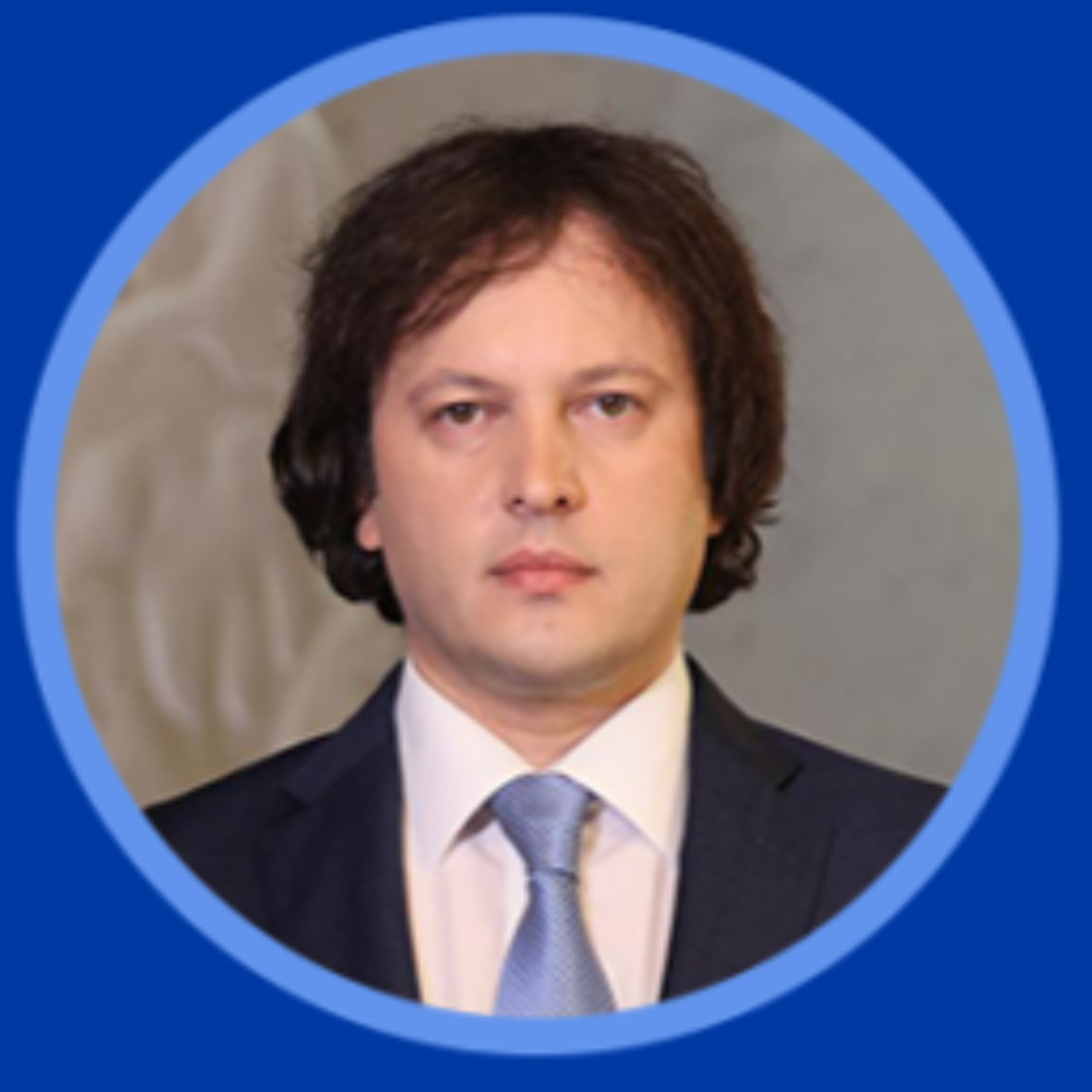
H.E. Mr. Irakli Kobakhidze has served as Prime Minister of Georgia since 2024. He previously held the office of Speaker of the Parliament of Georgia and has served in a number of expert roles with various international organizations. Mr. Kobakhidze holds a Masters of Laws degrees from Heinrich Heine University Düsseldorf, Germany, and Tbilisi State University, Georgia, as well as a Doctor of Law (Dr. jur.) from Heinrich Heine University Düsseldorf. He is the author of several legal textbooks and monographs and has held academic positions at a number of Georgian universities.
Episode information is provided by the publisher. Listening takes place on the publisher’s service.
Europe's Little Anarchy: The Rise and Fall of Neutral Moresnet (https://bookshop.org/a/12343/9781501788147)(Cornell UP, 2026) uncovers the history of Neutral Moresnet: a once-forgotten space without borders, nationalism, or a recognized government. Between 1815 and 1919, this square mile of land wedged between Belgium, the Netherlands, and Germany was home to thousands of people living off the grid, free of taxation and oversight. But they also had no political status, police, legal currency, proper law courts, or government presence in sectors like public health, infrastructure maintenance, or education. Meanwhile, practical control over Neutral Moresnet lay in the hands of the local industry: a for-profit, multinational mining company that, because it owned rights to the land, also held a near monopoly on the supply of high-quality zinc to the rest of the world. Dr. Steven Press explores how the residents of Neutral Moresnet sought to improve their quality of life, appealing to Germa
On this gripping episode of #POWERCAST, you won't want to miss this must-listen conversation! Charlie Angus, the steadfast Leader of the Resistance and host of Meidas Canada, joins OShow host Laura Babcock to unpack the escalating threats the Trump regime poses to Canada. With figures like Hegseth trying to dismantle our crucial military relationship, we must stand united against these challenges. Prime Minister Mark Carney is courageously pushing back, but we need to rally behind him and demand accountability from MAGA Premiers Smith and Ford for their concerning plans regarding healthcare. This isn't just politics; it's about our country's future and the well-being of our citizens. In addition, let’s call out Pierre Poilievre's disgraceful antics, including shameful jokes at the expense of Katy Perry and Justin Trudeau. We must elevate the discourse, foster a political environment that reflects our values and integrity, and hold the media accountable for their American-appeasement he
For America's first 100 years, Supreme Court justices were an integral part of political life. They ran for office from the bench, met with constituents, wrote newspaper op-eds about their work, and more. Today, of course, they do their work mostly in secret and rarely speak to the public aside from a few appearances each year. How did things get this way, and what would happen if the justices went back to having a closer relationship with the people? Our guest today answers those questions and sheds light on what life was like for justices in the 19th century. Rachel A. Shelden is an associate professor of history and director of the George and Ann Richards Civil War Era Center at Penn State. She is the author of The Political Supreme Court: A Forgotten History (https://uncpress.org/9781469697130/the-political-supreme-court/), which explores the court's role as an "unmistakably a political institution." The book also follows the shifts at the turn of the twentieth century, when member
For review: 1. Yemen’s Houthis, backed by Iran, said Sunday that they targeted Rabigh oil refinery in Saudi Arabia,. The Houthis said they has directly hit the infrastructure, though the extent of the damage remains unclear, Reuters reported. 2. Researchers within the Mossad have assessed in recent discussions that there is no immediate need for military action against Iran, even as Mossad chief Roman Gofman, Prime Minister Benjamin Netanyahu’s former military secretary, has been advocating for renewed strikes on the Islamic Republic, Haaretz reported Monday. 3. Reports that Iran plans to send more than a dozen tankers through the U.S. blockade of its ports raised fears of a wider conflict Sunday, as a maritime security expert warned of a risky confrontation and President Trump dared Tehran to test American forces deployed across the Gulf. 4. IDF Military Intelligence officials warned Prime Minister Benjamin Netanyahu last week that an Israeli attack on Iran could trigger a wider regio
On this WPN Call #605, Dr. Jim Garlow is joined by Clare Lopez, a regular on-air and online blog contributor at Newsmax as well as on-air with One America News, Al-Shams Iraqi TV, Asharq TV, Al Ghad TV & Sky News Abu Dhabi, is Founder/President of Lopez Liberty LLC, w/a mission to alert Americans to national security threats, both international & from the Islamic Movement/Muslim Brotherhood & their Marxist collaborators in this country. She discusses what happened in the past week with the Microsoft outage, FAA shutdown, and other various events, and what they highlight about the state of our national security. Dr. facebook.com/wellversedworld twitter: @wellversedworld instagram: @wellversedworld www.wellversedworld.org (http://www.wellversedworld.org/)
In this episode of Pekingology, Senior Fellow Henrietta Levin is joined by Emily Feng, White House Correspondent at NPR and author of the new book Our Hearts Burned for Home (https://globalreports.columbia.edu/books/our-hearts-burned-for-home), to discuss a small group of Uyghur militants who became a pivotal force behind the fall of the Assad regime in Syria. A longtime China correspondent, Emily discusses human rights abuses in Xinjiang, how she first learned about the Uyghur fighters in Syria's civil war, why many previously secular Uyghurs became more religious in Syria, and how their families have been received by local communities. Henrietta and Emily also explore how these Uyghurs ended up fighting the Assad regime, how they helped retake Aleppo through a cramped underground tunnel, and what the future holds for Uyghurs in Syria under President Al-Sharaa.
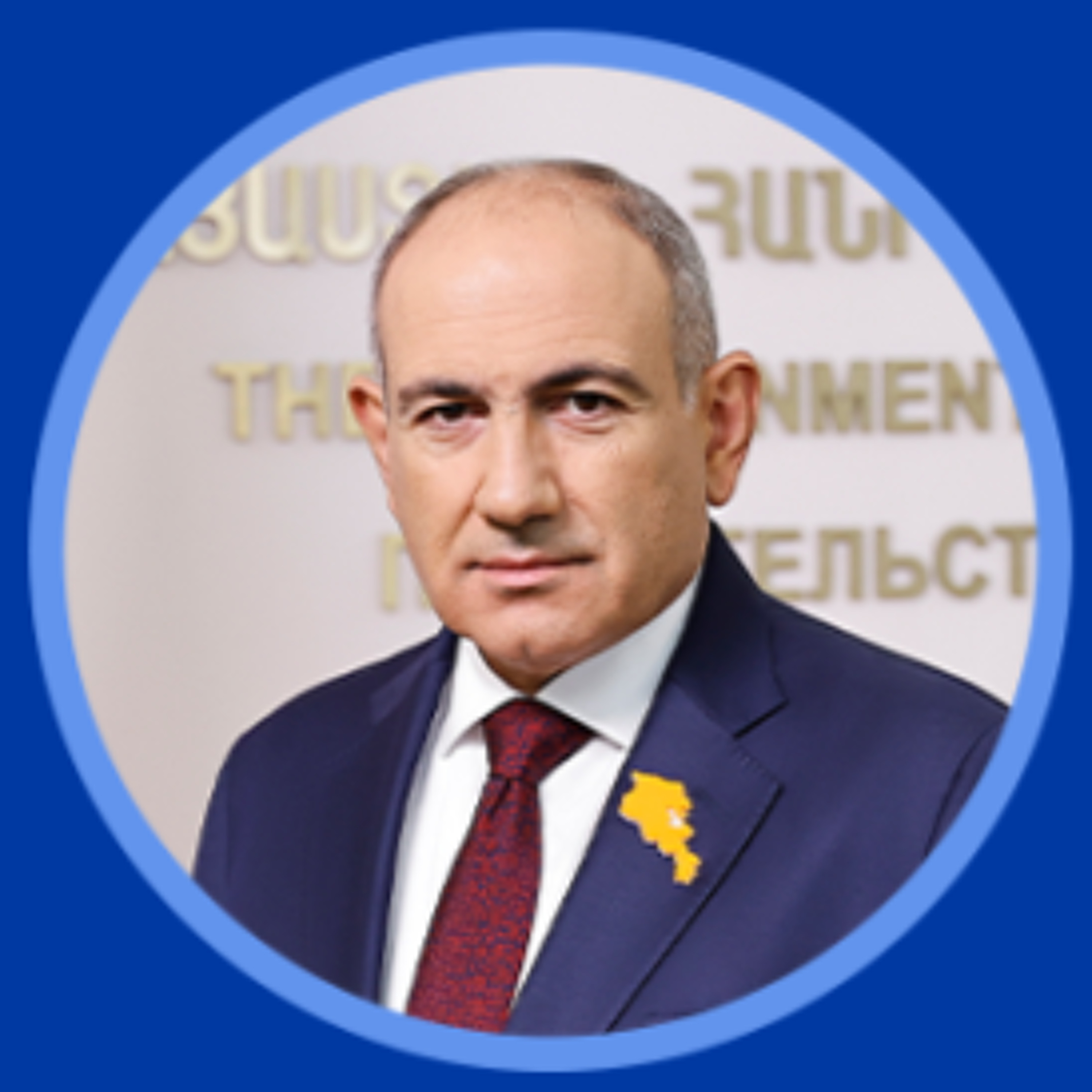
Nikol Pashinyan has served as Prime Minister of the Republic of Armenia since May 2018, leading the country through a period of significant political, economic, and social transformation. He entered parliamentary politics in 2012, when he was elected to the National Assembly as a representative of the Armenian National Congress Alliance. In 2018, he initiated the My Step movement, which led to Armenia’s peaceful Velvet Revolution. On May 8, 2018, he was elected Prime Minister by the National Assembly. His Civil Contract party won the 2021 elections, leading to his reappointment as Prime Minister. In 2026, Civil Contract won the elections, and Nikol Pashinyan was appointed Prime Minister for another term. Among his international honors are the Knight Grand Cross of the Order of Pope Pius IX, awarded by Pope Francis in 2023; the Gold Medal of the Hellenic Parliament in 2024; Kazakhstan’s Order of the Altyn Qyran in 2025; the Zayed Award for Human Fraternity in 2026; and the Gernika Award
Edi Rama is the Prime Minister of the Republic of Albania and Chairman of the Socialist Party of Albania. Before entering politics, Edi Rama established himself as a painter, professor, writer and public intellectual. He has served as Prime Minister since 2013 and is currently serving his fourth consecutive term in office. His fourth government, sworn in in September 2025, continues to place European Union membership, economic development, institutional modernization, digital transformation and Albania’s Euro-Atlantic partnerships among its central priorities. Albania is undergoing a period of significant institutional, economic and social transformation, with a strong focus on justice reform, public services modernisation, public administration, as well as citizen centric and social welfare reforms. Albania obtained EU candidate status in 2014 and formally opened accession negotiations in 2022. Between mid-2022 and 2026, Albania made remarkable progress in its EU accession process. Th
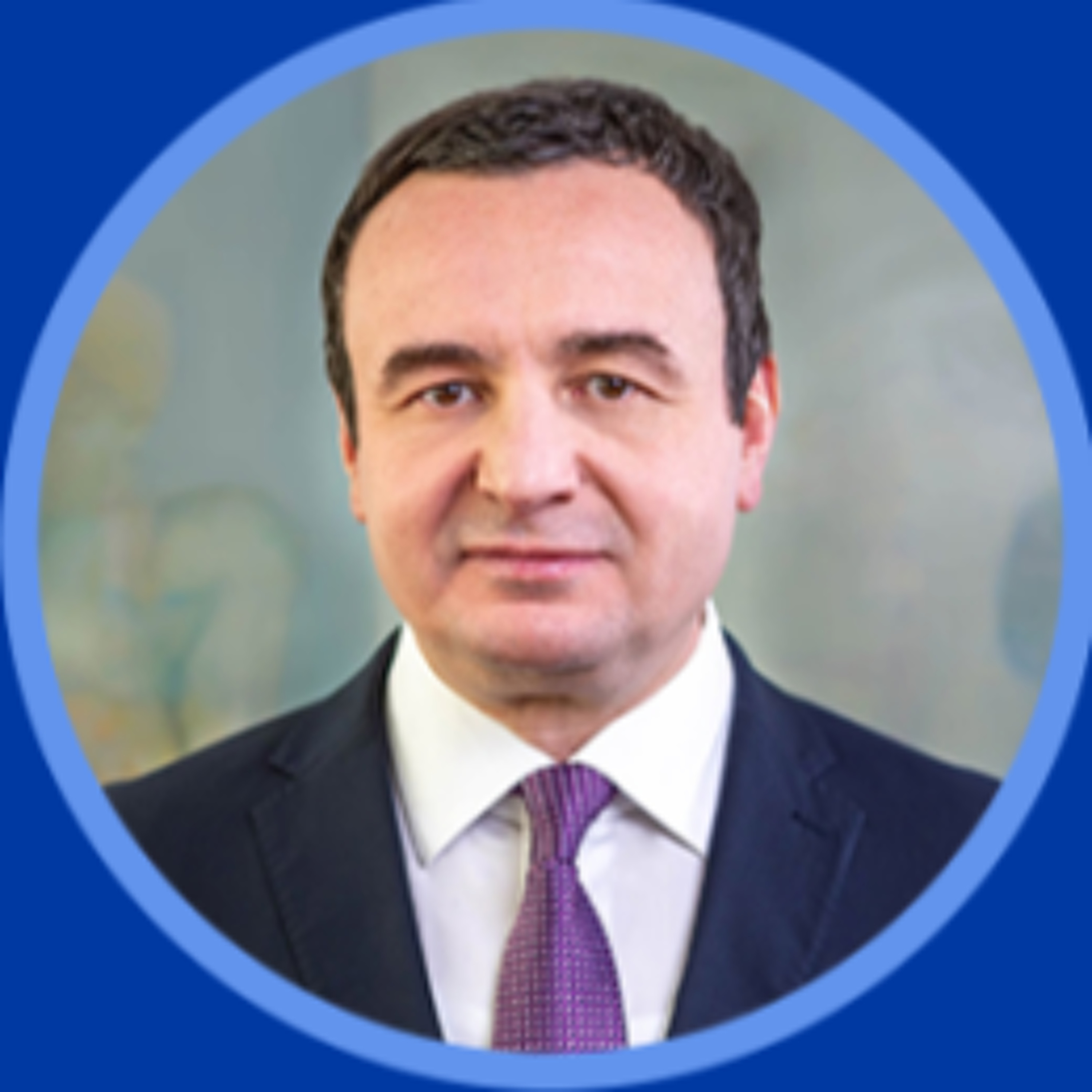
Since declaring independence in 2008, Kosovo has made significant progress in consolidating its statehood, strengthening democratic institutions, and advancing its European agenda. However, this pathway has been met with domestic and geopolitical challenges. In his first ever address at the IIEA, the Prime Minister of Kosovo, H.E. Mr. Albin Kurti, reflects upon the country's reform efforts, especially during his time in office. The Prime Minister also considers Kosovo's MR. opportunities and ongoing challenges, while outlining the country’s aspirations to transition from being one of Europe's most pro-European countries to becoming a full member of the EU. H.E. Mr. Albin Kurti was elected Prime Minister of the Republic of Kosovo for the fourth time in September 2026, being elected first in February 2020. Before his time as prime minister, Mr. Kurti led the massive student protests in 1997 against the repressive Milosevic regime. Having been politically active during the war and serving
Extra learning support should avoid publicly labeling students as failures.
Share your view, then see how readers voted. No sign-in required. This poll is shared across stories.
Do you agree or disagree?
Common Quandary
A Common Quandary to discuss
Another conversation to explore, separate from this news story.
A DNA test reveals a family time bomb. Do you tell relatives who would rather not know?
A genetic test reveals that you carry a serious inherited condition. Your siblings and adult cousins may carry it too, but one has previously said they would rather live without predictions about illnesses that cannot yet be prevented.
Can someone's wish not to know outweigh your responsibility to warn them?