Graffiti, Def Jam, Nike and the Brooklyn Nets | Eric Haze

Listen through the publisher, then discuss the episode here or arrange an in-person Roundtable. Your city determines where to meet.
Roundtables are designed for groups of four, with a shared subject and room for everyone to speak. Come for discussion, with no dating expectation.
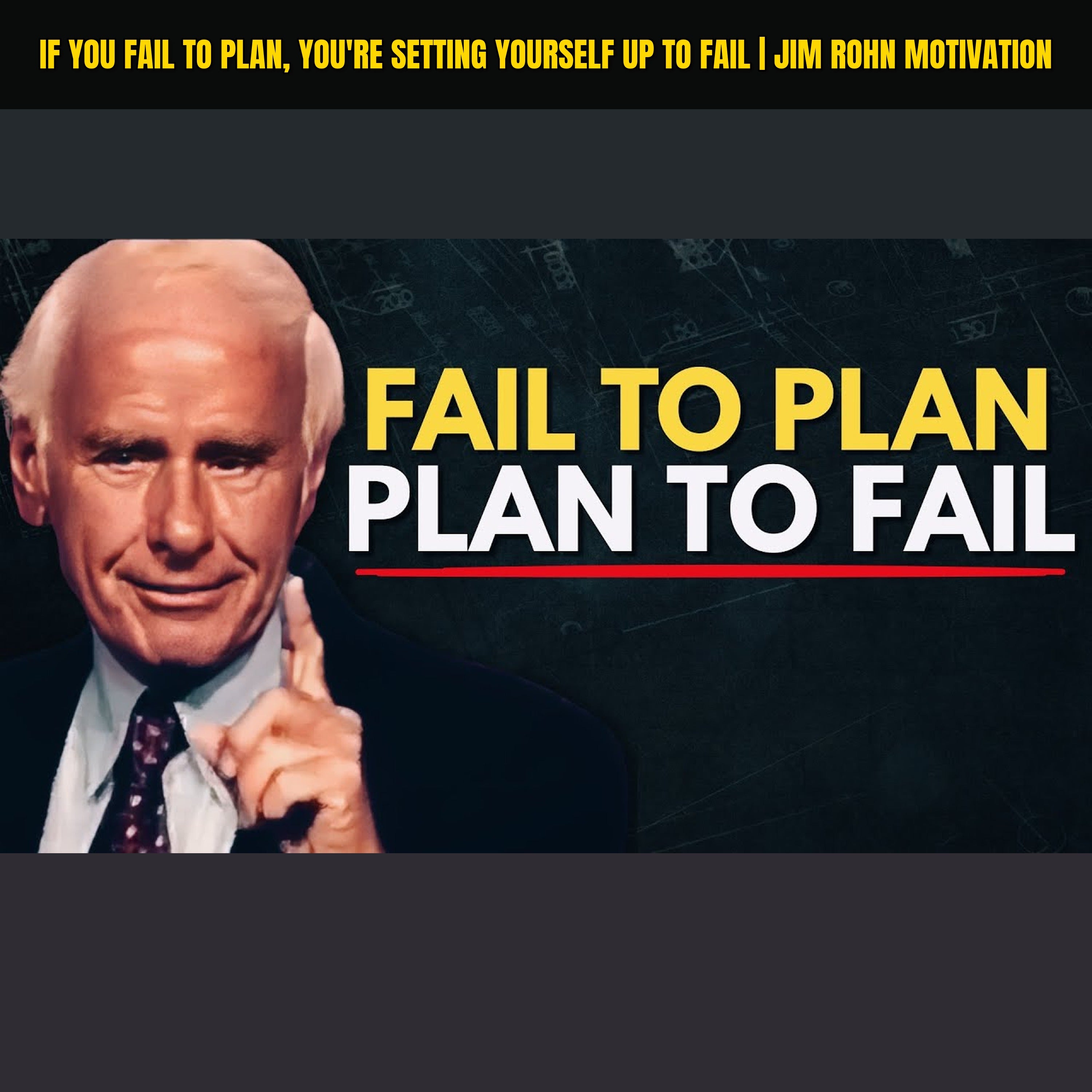
Eric Haze started writing graffiti on New York City subways at 11. By his early 20s he was writing more than ever at night and going to the School of Visual Arts by day, teaching himself to be a logo designer. Then a conversation with the Beastie Boys after the club at four in the morning put him in the Def Jam office the next day. He designed the single covers for She’s Crafty and No Sleep till Brooklyn, art directed Public Enemy’s first LP, built the logo and packaging for LL Cool J’s Bigger and Deffer, and did Check Your Head a few years later in LA. But he got tired of packaging other people’s identities and waving goodbye to the baby. In the early 90s he started his own clothing brand in California, right as streetwear was being born, got to Japan early and has been all over Tokyo ever since. Then came Nike Dunks and Air Force 1s, G-Shock, a Mountain Dew bottle, the US ski team uniforms and the Brooklyn Nets jersey that ran on court for two years. This week I sat down with Eric, a dear friend I met through boxing and his wife, the great Rosie Perez, to talk about outrunning a dysfunctional childhood, graffiti as a sport and a criminal enterprise, what he really thinks of Banksy, why he walked away from painting for decades and came back to it later in life, and why the last 3 percent is what separates people. We also get into what matters most to him now: being a great person, not just a great artist. Learning to play nice in the sandbox, the little voice that knows when you are lying to yourself, and why he calls himself living proof that there is hope at 50. Two honest dudes having an honest talk. Hope you guys enjoy this one. Follow Eric: @erichazenyc (https://www.instagram.com/erichazenyc/) Thanks to AG1 and Noble Protein for supporting the show. Please take a minute to subscribe and leave a comment. It makes a huge difference. More about the show at theothersideofhard.com. Thank you to our sponsors Noble Protein: nobleorigins.com/rideout (https://nobleorigins.com/rideout) Code “RIDEOUT” Chapters (00:00) Meet Eric Haze (00:41) Outrunning Dysfunctional Childhoods (01:48) Third Generation New Yorker (02:45) Boxing and Rosie Perez (03:33) A Sports Kid First (04:12) Shooting With DeBusschere and Bradley (05:03) Courtside With Willis Reed (05:48) Designing the Nets Jersey (06:52) A Manhattan Kid in Brooklyn (08:14) The Mountain Dew Bottle (08:32) Starting Graffiti at 11 (09:09) Graffiti as a Sport (10:10) How They Painted Trains (10:39) A Criminal Enterprise (11:00) Adrenaline Junkies (11:34) Sponsor Break AG1 (13:08) From Graffiti to Street Art (14:56) His Take on Banksy (15:36) What Artists Owe the Audience (16:56) Never Knock the Hustle (18:35) The Tipping Point (19:03) First Paid Work (19:58) Graffiti Versus Commercialism (20:51) Graffiti by Night School by Day (21:24) Becoming a Logo Designer (22:21) Def Jam and the Beastie Boys (23:15) First Album Covers (24:00) Packaging Rap Music (24:44) Public Enemy First LP (25:36) LL Cool J Bigger and Deffer (25:56) Check Your Head (26:17) Nike and the US Ski Team (26:59) The 72 Backboard Mural (28:04) It Was Never My Baby (28:51) Starting the Haze Brand (29:18) The Birth of Streetwear (29:46) Japan Turns to Gold (30:32) Haze All Over Tokyo (31:41) When the Walls Came Down (32:27) Selling Out or Getting Inside (33:48) The 30 Year Retrospective (35:21) Walking Away From Painting (36:40) Sponsor Break Noble Protein (38:08) Why Not Me (39:57) Character Is Destiny (40:31) The Leap of Faith (41:13) Finish the Championship Rounds (42:47) The Last Three Percent (43:26) Assume Your Audience Is Smart (44:53) Safe Fights and Shakur (45:51) Teofimo and Being a Brand (46:19) Celebrating Our Differences (48:01) Great Artist or Great Person (49:34) Playing Nice in the Sandbox (50:43) When Money Broke the Crews (52:09) Authenticity Is Everything (54:42) Your Superpower Is Being Good (55:13) Tough and Kind (56:22) A Warrior in a Garden (57:00) Hope at 50 (57:34) Knowing Where the Ledge Is (58:49) The Lies You Tell Yourself (59:39) Thank You Eric (1:00:48) Host Outro and Subscribe
Episode information is provided by the publisher. Listening takes place on the publisher’s service.
Listen at the source ↗