How people rationalize fraud - Kelly Richmond Pope
7 min
Listen through the publisher, then discuss the episode here or arrange an in-person Roundtable. Your city determines where to meet.
Roundtables are designed for groups of four, with a shared subject and room for everyone to speak. Come for discussion, with no dating expectation.
View full lesson: http://ed.ted.com/lessons/how-people-rationalize-fraud-kelly-richmond-pope Uploaded 08-06-15 If you ask people whether they think stealing is wrong, most of them would answer yes. And yet, in 2013, organizations all over the world lost an estimated total of $3.7 trillion to fraud. Kelly Richmond Pope explains how the fraud triangle, (developed by criminologist Donald Cressey) can help us understand how seemingly good people can make unethical decisions in their daily lives. Lesson by Kelly Richmond Pope, animation by TED-Ed.
Episode information is provided by the publisher. Listening takes place on the publisher’s service.
Join NCI University today to master human behavior and influence: Uploaded 05-11-21 This is a dive to discover the possibilities, not the case itself. Sirhan Sirhan, in full Sirhan Bishara Sirhan, (born March 19, 1944, Jerusalem), Palestinian-born Jordanian citizen who was convicted (1969) of fatally shooting U.S. Sen. Robert F. Kennedy on June 5, 1968. He received the death penalty, but the sentence was later commuted to life. Sirhan, a Christian Palestinian, was born in Jerusalem. In 1948 Jordan took control of East Jerusalem and what is now the West Bank, and the following year it granted citizenship to people living in those areas. It is believed that this is how Sirhan became a Jordanian citizen. In the 1950s, he and his family moved to the United States and eventually settled in Pasadena, California. There he attended Pasadena City College and later held odd jobs, notably working at a horse stable and later at a health food store. During this time, Sirhan became vocal in his oppo
Being considerate is a good thing. It means recognising that your words, choices and actions affect other people. But sometimes, the desire to keep everyone happy slowly becomes a habit of abandoning yourself. You agree when you want to say no, apologise when you have done nothing wrong, hide your opinions to avoid disagreement and make decisions based on how people might react. The difference is whether your consideration comes from genuine love or from the fear of being rejected. Every contribution counts. Thank you for being part of our journey!
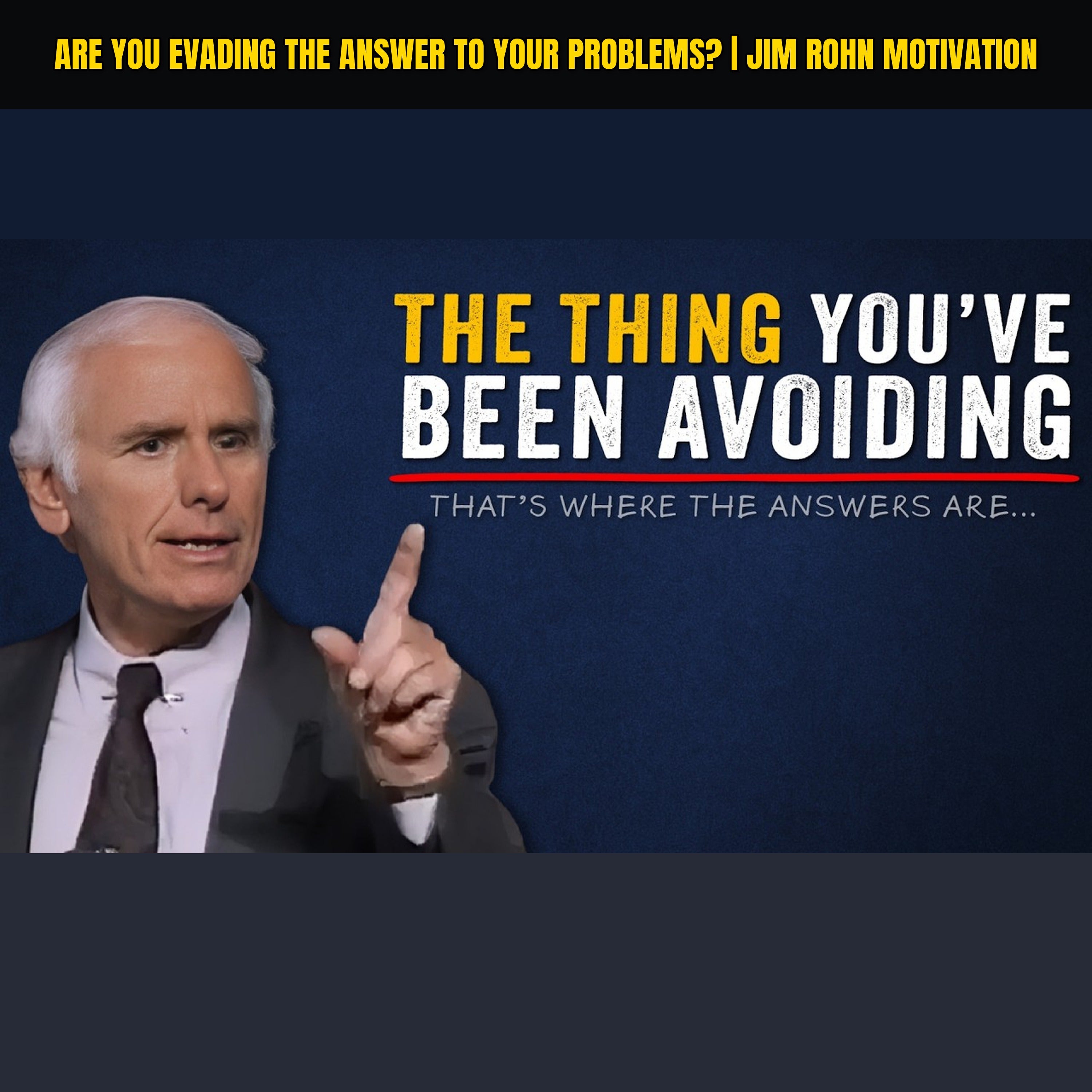
#JimRohnMotivation #JimRohn #JimRohnSpeech In this Jim Rohn Motivation video, we uncover the hidden force that silently steals dreams: avoidance. Jim explains why people already know what to do—they're just not doing it. This powerful message will challenge you to stop postponing and finally step into action. Key Topics From This Motivational Video: Why avoidance—not ignorance—is the real obstacle The Mirror Principle: How resistance reveals the path How fear disguises itself as busyness and delay Daily discipline as the cure for fear and procrastination How responsibility unlocks momentum and freedom Jim Rohn teaches that what you resist most often holds the answer you need. From unopened bills to avoided conversations, the very things we run from are the keys to growth. Avoidance doesn’t protect—it postpones pain and multiplies it. But by taking full ownership of your life, your health, your finances, and your relationships, you regain control. Face the uncomfortable. That’s where th
Now Mark wants to help you become financially free as well. Follow the podcast and turn on notifications! This Podcast is fan-made. No copyright infringement intended. --------------------------------- ------------ Keywords: frugal living, millionaire secrets, personal finance, get rich, financial independence, investing tips, real estate, atm fraud
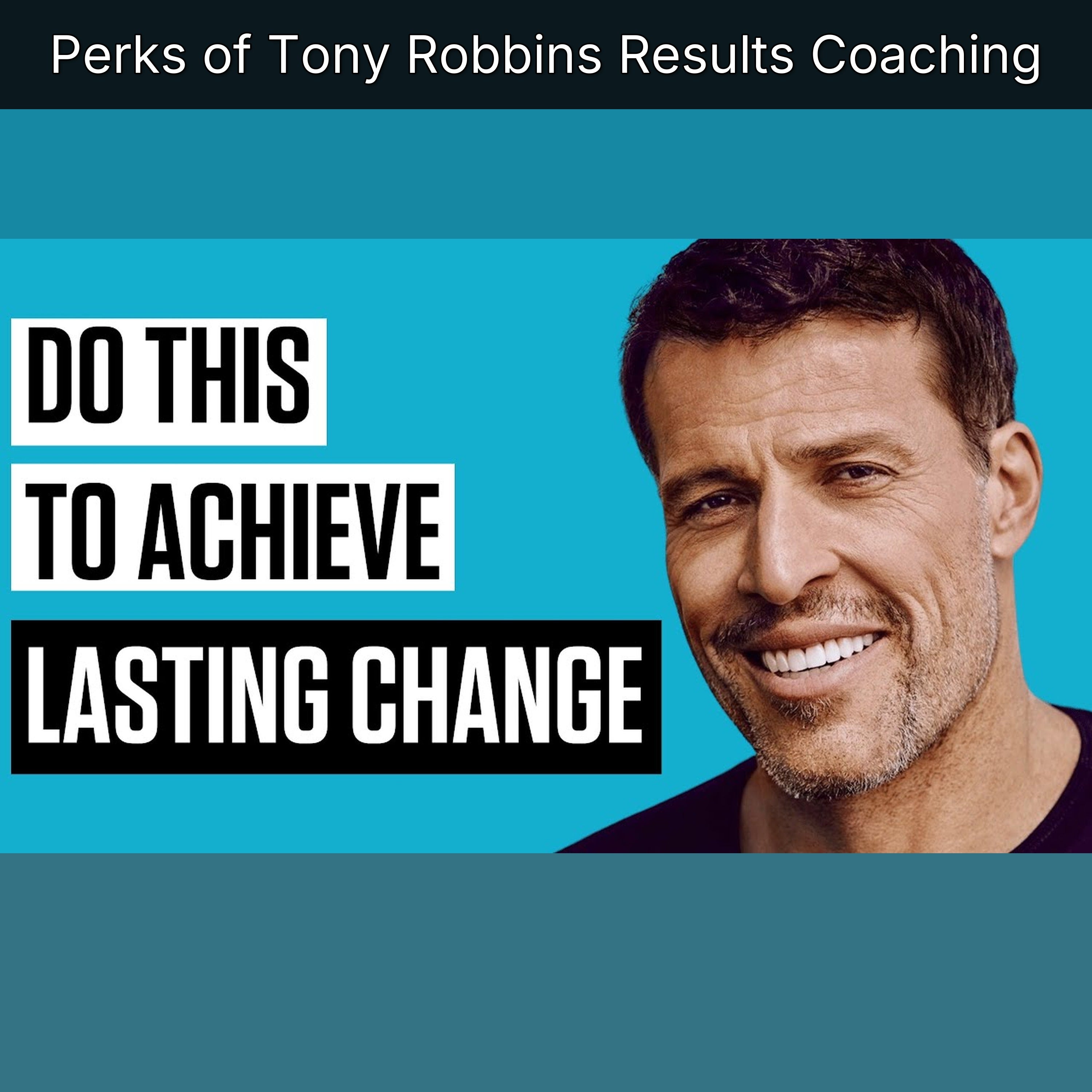
If you really want lasting change, real results that stick around, what do you have to do? Tony Robbins is asked this all the time. His answer is always the same: For your life to change, you have to change. For things to get better, you have to get better. You need to create new patterns that facilitate progress and eliminate the patterns that don’t. Your life isn’t determined by what you do some of the time. It’s determined by what you do consistently. If you’re serious about getting results, you need a system. Tony Robbins Immersion Coaching can provide that system. For three decades, Tony has built his brand based on one thing: Robbins = Results. His system of Immersion Coaching is unlike anything else in the world. He is the Father of the Coaching Industry and his coaches' standards and training for success coaching are the best in the industry. We provide general Immersion Coaching as well as Specialized Curriculum Coaching Courses on the areas of life that matter most. As Tony s
We’re about to time travel into the future Sam Altman is building… I interviewed Sam Altman, the CEO of OpenAI, the company behind ChatGPT. They’re trying to build a “superintelligence” that could far exceed humans in almost every field – and they just released their most powerful tool yet, GPT-5. A few years ago, that would’ve sounded like science fiction! Not anymore. In fact, they’re not alone. We’re in the middle of the most high stakes global race any of us have ever seen. Hundreds of billions of dollars and an unbelievable amount of human work… It’s a profound moment. Most people never see a huge technological shift like this in their lives and it’s happening all around us right now. So in this conversation, I’m going to try to time travel into the future with Sam Altman, to see what he’s trying to build… so you and I can really understand what’s coming. Welcome to HUGE* Conversations. Chapters: 0:00 What future are we headed for? 2:06 What can GPT-5 do that GPT-4 can’t? 6:57 Wha
View full lesson: http://ed.ted.com/lessons/surviving-a-nuclear-attack-irwin-redlener The face of nuclear terror has changed since the Cold War, but disaster-medicine expert Irwin Redlener reminds us the threat is still real. He looks at some of history's farcical countermeasures and offers practical advice on how to survive an attack. Talk by Irwin Redlener.
Explore what makes polio so dangerous, what is causing the 21st century resurgence of cases, and how we can eradicate the disease. -- In 1952, polio was everywhere: killing or paralyzing roughly half a million people annually. Yet just 10 years later, paralytic polio cases in the US dropped by 96% and we were on track to get rid of polio for good. But in recent years, the virus started striking back. So, what’s behind these recent spikes? Explore the dangers of poliovirus and the possibility of eradicating this deadly disease. Directed by Anton Bogaty. This video made possible in collaboration with Gates Ventures Learn more about how TED-Ed partnerships work: https://bit.ly/TEDEdPartner A special thanks to Ananda Bandyopadhyay, Amber Zeddies, and Kathleen O'Reilly who provided information and insights for the development of this video. Support Our Non-Profit Mission ---------------------------------------------- Support us on Patreon: http://bit.ly/TEDEdPatreon Check out our merch: htt
Todd Humphreys forecasts the near-future of geolocation when millimeter-accurate GPS "dots" will enable you to find pin-point locations, index-search your physical possessions ... or to track people without their knowledge. And the response to the sinister side of this technology may have unintended consequences of its own. (Filmed at TEDxAustin.) Uploaded 26-06-13 Talk by Todd Humphreys.
Youth sport should prioritize lasting participation over early selection of elite performers.
Share your view, then see how readers voted. No sign-in required. This poll is shared across stories.
Do you agree or disagree?
Common Quandary
A Common Quandary to discuss
Another conversation to explore, separate from this news story.
You find a rare library book your father kept for forty years. Do you return it anonymously?
While clearing your father's attic, you find a rare book stamped by the local library and due in 1986. The library would be thrilled to recover it, but returning it openly would expose a secret he apparently kept for decades—and might produce a spectacular overdue fine.
Does making an old wrong right require admitting who did it?