English-language podcasts

TED-Ed

How the world’s tallest skyscraper was built - Alex Gendler

9 min

Listen through the publisher, then discuss the episode here or arrange an in-person Roundtable. Your city determines where to meet.

Roundtables are designed for groups of four, with a shared subject and room for everyone to speak. Come for discussion, with no dating expectation.

Discover the engineering innovations that made building Burj Khalifa, the world’s tallest skyscraper, possible. Uploaded 20-04-21 -- In 2004, construction began on a new building in Dubai, promising a revolutionary design that would dwarf the rest of the world’s skyscrapers. Five years later, the 828-meter Burj Khalifa was complete, surpassing the previous record-holder by over 60%. What innovations allowed for such a huge leap in height? Alex Gendler digs into the architecture of this unprecedented project. Lesson by Alex Gendler, directed by WOW-HOW Studio. Support Our Non-Profit Mission ---------------------------------------------- Support us on Patreon: http://bit.ly/TEDEdPatreon Check out our merch: http://bit.ly/TEDEDShop ---------------------------------------------- Connect With Us ---------------------------------------------- Sign up for our newsletter: http://bit.ly/TEDEdNewsletter Find us on Twitter: http://bit.ly/TEDEdTwitter Peep us on Instagram: http://bit.ly/TEDEdInstagram ---------------------------------------------- Keep Learning ---------------------------------------------- View full lesson: https://ed.ted.com/lessons/how-the-world-s-tallest-skyscraper-was-built-alex-gendler Dig deeper with additional resources: https://ed.ted.com/lessons/how-the-world-s-tallest-skyscraper-was-built-alex-gendler#digdeeper (https://ed.ted.com/lessons/how-the-world-s-tallest-skyscraper-was-built-alex-gendler) Animator's website: https://wow-how.com/ ---------------------------------------------- Thank you so much to our patrons for your support! Without you this video would not be possible! Karl Laius, JY Kang, Heidi Stolt, Alexis Hevia, Christina Salvatore, Karlee Finch, Michael Goldberg, Denise A Pitts, Doug Henry, Kristiyan Bonev, Keven Webb, Mihai Sandu, Deepak Iyer, Javid Gozalov, Kyanta Yap, Rebecca Reineke, William Biersdorf, Patricia Alves Panagides, Valeria Sloan Vasquez, Yvette Mocete, Cyrus Garay, Samuel Barbas, Brighteagle, LadyGeek, Curtis Light, Dwight Schrute, Dianne Palomar, Marin Kovachev, Fahad Nasser Chowdhury, Penelope Misquitta, Hans Peng, Gaurav Mathur, Erik Biemans, Tony, Michelle, Katie and Josh Pedretti, Sunny Patel, Hoai Nam Tran, Stina Boberg, Kack-Kyun Kim, Michael Braun-Boghos, Ken, zjweele13, Jurjen Geleijn, Anna-Pitschna Kunz, Edla Paniguel, Elena Crescia, Thomas Mungavan, Jaron Blackburn, Venkat Venkatakrishnan, ReuniteKorea and Aaron Henson.

Episode information is provided by the publisher. Listening takes place on the publisher’s service.

Listen at the source ↗

Featured places to meet in Palo Alto, CA

Explore these places and arrange a conversation through ThinkMatch.

City guide for Palo Alto, CA

More from TED-Ed

TED-Ed

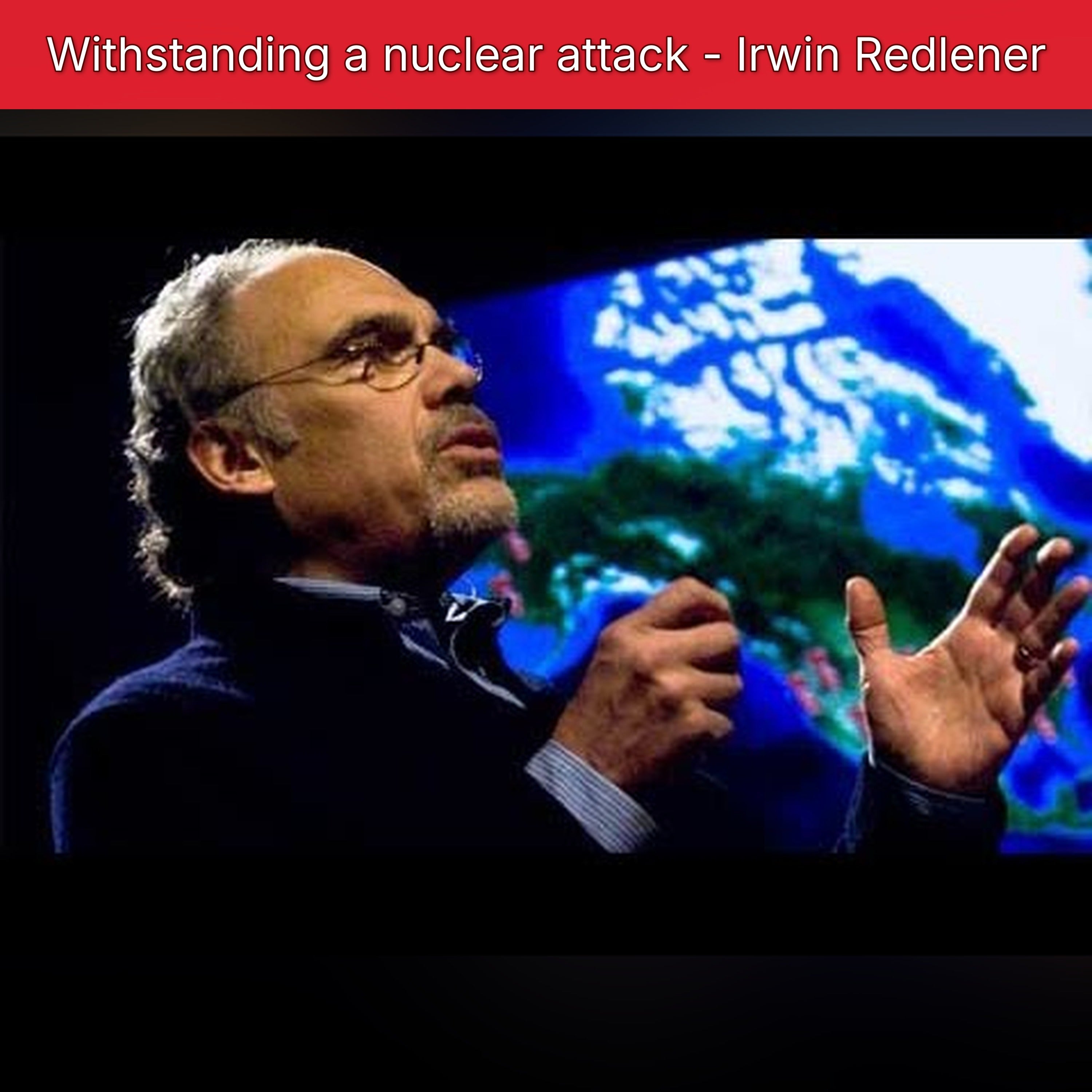
Withstanding a nuclear attack - Irwin Redlener

33 min

View full lesson: http://ed.ted.com/lessons/surviving-a-nuclear-attack-irwin-redlener The face of nuclear terror has changed since the Cold War, but disaster-medicine expert Irwin Redlener reminds us the threat is still real. He looks at some of history's farcical countermeasures and offers practical advice on how to survive an attack. Talk by Irwin Redlener.

Discuss this episode

TED-Ed

The true reason polio poses such a threat

10 min

Explore what makes polio so dangerous, what is causing the 21st century resurgence of cases, and how we can eradicate the disease. -- In 1952, polio was everywhere: killing or paralyzing roughly half a million people annually. Yet just 10 years later, paralytic polio cases in the US dropped by 96% and we were on track to get rid of polio for good. But in recent years, the virus started striking back. So, what’s behind these recent spikes? Explore the dangers of poliovirus and the possibility of eradicating this deadly disease. Directed by Anton Bogaty. This video made possible in collaboration with Gates Ventures Learn more about how TED-Ed partnerships work: https://bit.ly/TEDEdPartner A special thanks to Ananda Bandyopadhyay, Amber Zeddies, and Kathleen O'Reilly who provided information and insights for the development of this video. Support Our Non-Profit Mission ---------------------------------------------- Support us on Patreon: http://bit.ly/TEDEdPatreon Check out our merch: htt

Discuss this episode

TED-Ed

How to fool a GPS - Todd Humphreys

21 min

Todd Humphreys forecasts the near-future of geolocation when millimeter-accurate GPS "dots" will enable you to find pin-point locations, index-search your physical possessions ... or to track people without their knowledge. And the response to the sinister side of this technology may have unintended consequences of its own. (Filmed at TEDxAustin.) Uploaded 26-06-13 Talk by Todd Humphreys.

Discuss this episode

Community Poll

Changing a public decision in response to new evidence is a sign of responsible leadership.

Share your view, then see how readers voted. No sign-in required. This poll is shared across stories.

Do you agree or disagree?

Choose one answer

Common Quandary

A Common Quandary to discuss

Another conversation to explore, separate from this news story.

You are vegetarian, but the leftover steak is headed for the trash. Do you eat it?

A vegetarian avoids buying meat because of animal welfare concerns. At work events, untouched meat is routinely thrown away, and eating it would neither increase demand nor cause another animal to be harmed.

Should a moral practice be judged by its consequences or its consistency?

Explore this quandary