Listen through the publisher, then discuss the episode here or arrange an in-person Roundtable. Your city determines where to meet.
Roundtables are designed for groups of four, with a shared subject and room for everyone to speak. Come for discussion, with no dating expectation.
On November 21, 2026, Boom Supersonic (YC W16) fired their prototype engine core for the first time. They're developing a shared core for two products: Superpower, a natural-gas turbine for AI data centers, and Symphony, the engine intended for the Overture supersonic airliner. The turbine business could help fund Overture while giving Symphony years of real-world operating data before it ever flies. In this episode of Hard Tech, Boom founder and CEO Blake Scholl shows YC's Jared Friedman around their new Superpower Superfactory in Colorado and explains how they’re building a jet engine from scratch. On the factory floor, we explore in-house manufacturing, the challenge of making turbine blades survive extreme heat, and the custom software Boom uses to design and iterate on engine parts.
Episode information is provided by the publisher. Listening takes place on the publisher’s service.
Now Mark wants to help you become financially free as well. Follow the podcast and turn on notifications! This Podcast is fan-made. No copyright infringement intended. ----- Keywords: financial independence, wealth building, wealth creation, financial scams, financial freedom, frugal living, credit cards, real estate
Braintrust founder and CEO Ankur Goyal joins MTS to unpack the launch of Patterns, an AI observability agent that digs through logs and traces to catch bugs before users notice. He also breaks down real-world enterprise AI adoption trends, including the surge of Google’s Neon and open-weight models, why OpenAI models perform 15% better in Codex, and why companies will start building their own data centers within a year. MTS chronicles the singularity, live. Monitoring the situation of tech and AI. Follow MTS: Spotify |https://open.spotify.com/show/4HUNNmV1pjV7CW6Lphm1rM Apple |https://podcasts.apple.com/us/podcast/mts/id1891088763 – Brought to you by: Mongo DB - Anyone can prototype an agent. Lovable - Turn ideas into software people love with Lovable. Start today at https://lovable.dev/ Visithttps://factory.com/ Neon (by Databricks) - Scale your startup on Neon. The Postgres backend for apps and agents. Head over to http://getvcx.com (http://getvcx.com/) to learn more Kong - The AI co
The Huge Conversation with Mark Zuckerberg... I interviewed Meta CEO Mark Zuckerberg before Connect. There are not many people with more power over our future. Right now, Mark Zuckerberg and his team are imagining the future billions of people might live in, soon, and building towards it. So, in this conversation, my goal is to figure out what that future looks like. To paint a picture of the future Mark Zuckerberg is trying to build, so that you can decide for yourself what you think of it. We talked about the Meta's new Orion prototype AR glasses, creating holograms and the Star Trek universal translator, generative AI changing social media, big trends in human connection, open sourced AI, Ray Ban Meta glasses and Quest 3S, the biggest genuine question on his mind right now, and more... Welcome to the first episode of our new series, Huge Conversations… Special thanks to Derek Thompson, for his generous guidance on my first long-form interview! Chapters: 0:00 What is Mark Zuckerberg
As organizations accelerate AI adoption, a new security challenge is emerging: AI Agent Collisions. Autonomous and semi-autonomous agents are increasingly operating across business applications, accessing sensitive data, invoking APIs, and taking actions on behalf of users and organizations. Without visibility into which agents exist, what they can access, and how they interact, organizations risk creating unintended access paths, conflicting actions, data exposure, and gaps in security oversight. James Robinson, CISO at Netskope, joins Business Security Weekly to explore the emerging problem of AI Agent Collisions, why traditional security approaches may fall short, and how CISOs can build an effective strategy for discovering, classifying, governing, and securing AI agents. James will discuss how organizations can select the right AI Agent Platforms to establish consistent controls, prevent unintended agent interactions, and protect their most critical applications as the enterprise
A.I. for Learning Meditation: Building a Practice Even If Your Mind Never Stops, a practical, beginner-friendly look at how artificial intelligence can help you build a practice even if your mind never stops. Learning Meditation? Press play on Episode 431 of A.I. for Beginners and learn exactly how artificial intelligence, especially ChatGPT, alongside Headspace and Calm, can help you build a practice even if your mind never stops. WHAT YOU WILL LEARN IN THIS EPISODE - Why learning meditation is so hard to handle alone, and what is actually going on underneath it - A specific way to use Headspace to work through it, step by step - An example prompt you can copy word for word: "Give me a simple two minute guided breathing exercise I can do right now" - A second practical technique, with another ready-to-use prompt: "Help me build a tiny, realistic meditation habit I could actually keep for a week" WHO THIS EPISODE IS FOR - Anyone currently working on learning meditation - Anyone curious
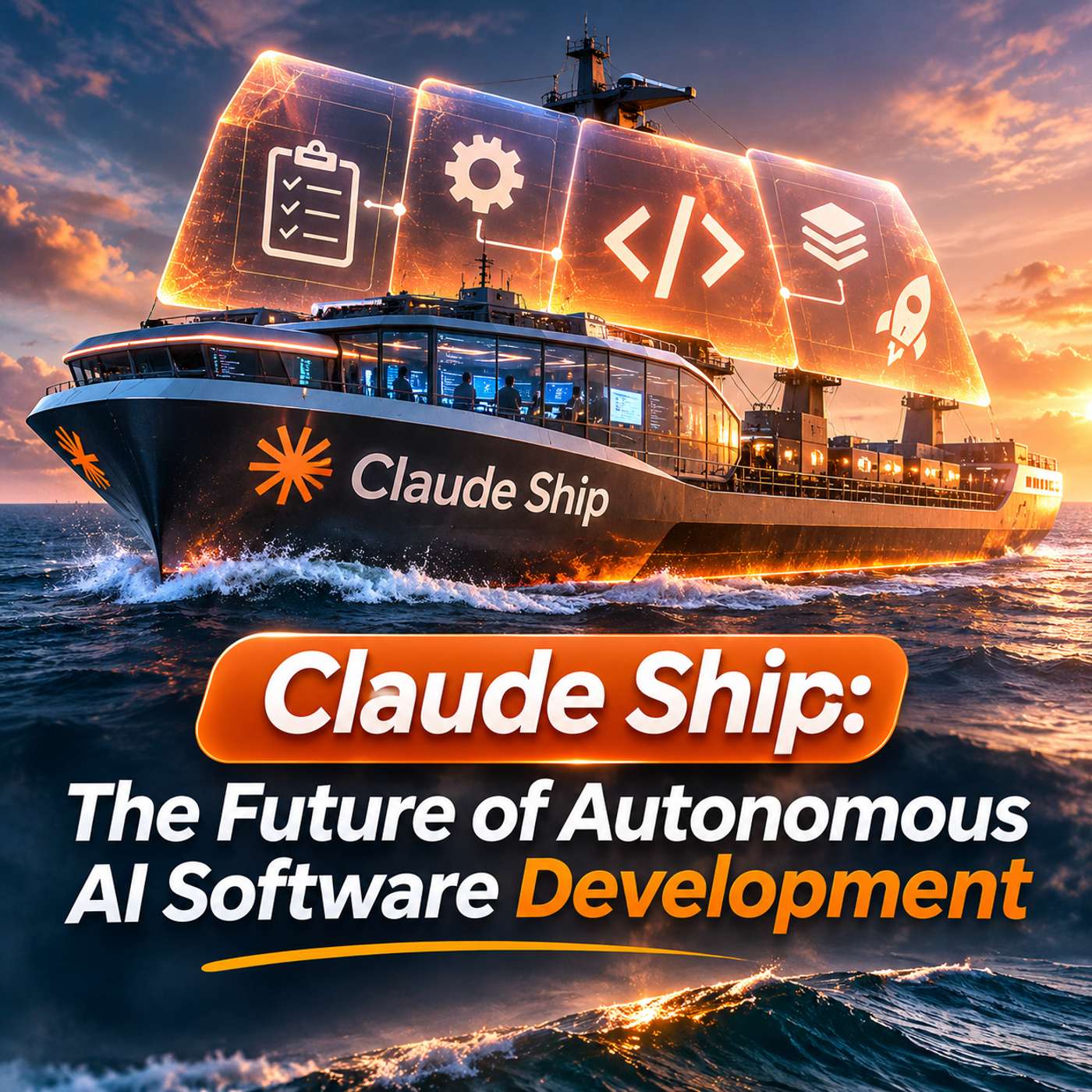
What happens when AI doesn't just write your code but also reviews it, fixes broken builds, resolves merge conflicts, and approves changes without waiting for a human developer? In this episode of TechDaily.ai, host David and AI expert Sophia explore Anthropic's Claude Ship, an AI-powered tool suite designed to automate critical stages of the software development lifecycle. From intelligent code reviews and automated pull request fixes to AI-driven approvals, this conversation examines how autonomous AI agents could transform software engineering, developer productivity, and enterprise code governance. AI coding assistants are already generating thousands of lines of code in minutes. But traditional development pipelines still depend on human reviewers to inspect pull requests, troubleshoot failed CI checks, resolve merge conflicts, and approve deployments. That creates a growing bottleneck between AI-powered code generation and production delivery. Claude Ship aims to address that cha
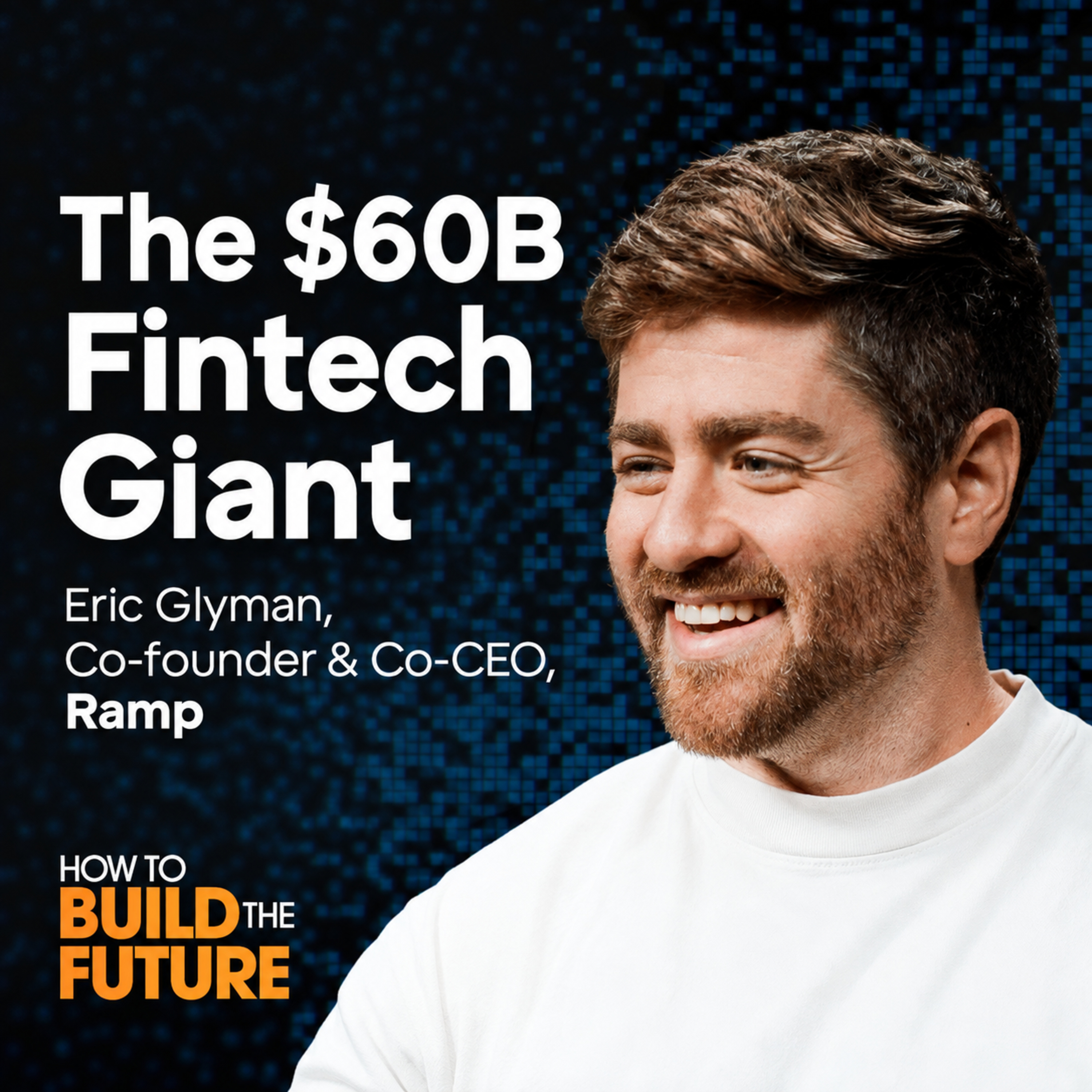
Ramp started with a simple promise: help companies save time and money. Seven years later, it’s a $60 billion platform running the financial operations of tens of thousands of businesses, with more than $2 billion in annual revenue.Now, Ramp is using AI not just inside its products, but to rethink how the company itself works.On this episode of How to Build the Future, Ramp co-founder and CEO Eric Glyman joins Garry Tan to talk about the company’s journey from its earliest days and how AI has made some people at Ramp radically more productive. That shift led Ramp to rethink how work gets done across the organization, and Eric believes it could eventually let even large companies move with the speed of startups again.
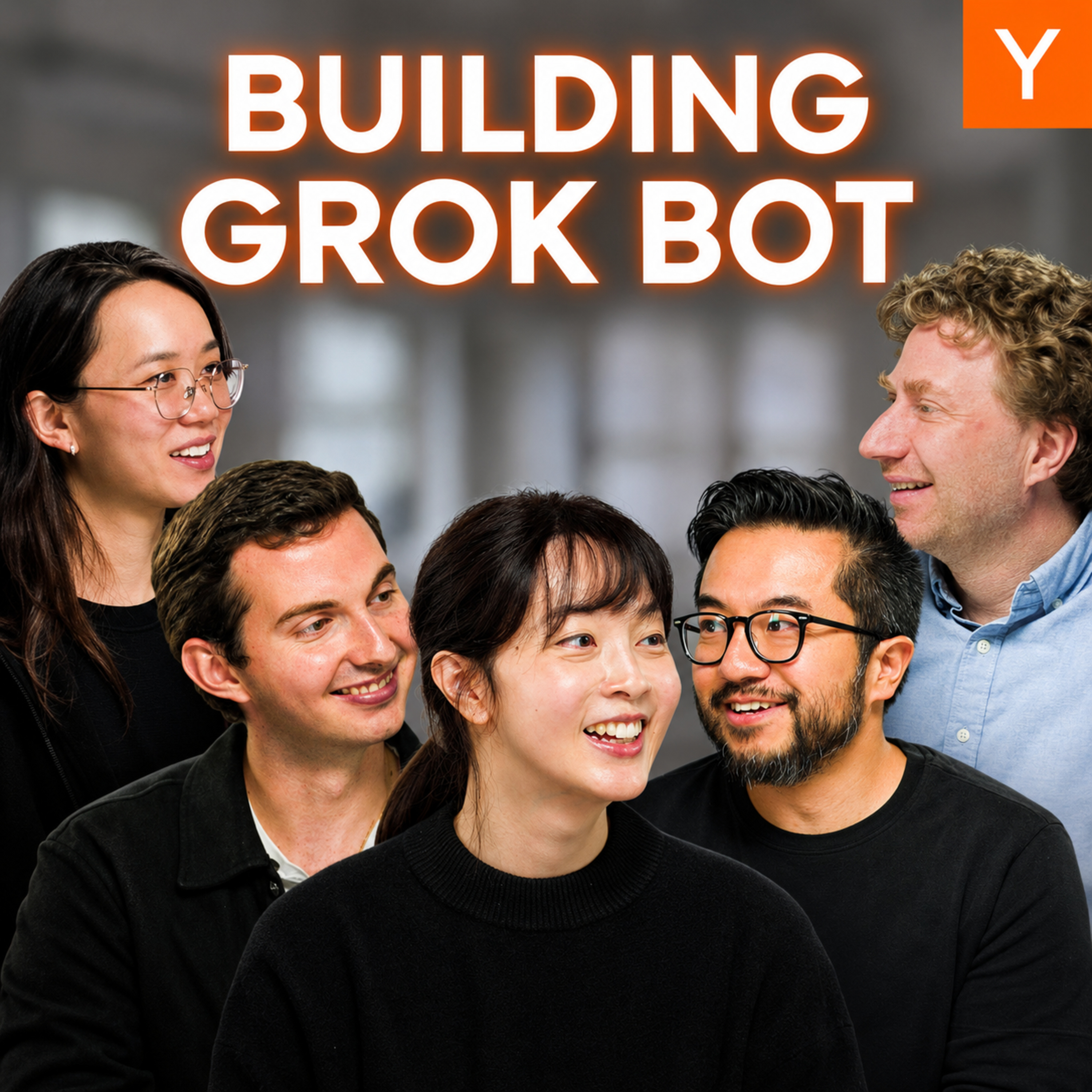
At SpaceXSI, Lauren Tan and Roman Ugarte are on the core team that took Grok Bot from first line of code to launch in seven weeks. It lets you spin up AI teammates with their own identities and logins, and they just keep working in the background. Their marketing team gave a bot its own ad budget. Lauren built an entire feature with her bot in one Slack thread without ever opening Cursor. They joined us on the Lightcone to talk about what it’s actually like working next to bots every day, and how the hard part is shifting from doing the work to figuring out what to do and why.
Replit was building toward the AI coding era years before it had a name. In 2024, the company shipped an agent that could take a request in plain English, work through errors, provision its own infrastructure, and keep going until the software actually worked. The model companies even reached out to ask how Replit had pulled it off.Co-founder and CEO Amjad Masad had been thinking about making programming radically more accessible since 2008, and Replit’s original pitch deck predicted AI-generated code before the Transformer paper was published. Today, that same technology is moving into banks, manufacturers, and other large companies, where Amjad says teams are replacing software projects once scoped at $10 million with $250,000 of Replit.On How to Build the Future, Paul Graham sits down with Amjad to talk about why Replit was so well positioned when coding agents arrived, what comes after vibe coding, and his bigger vision for the “self-driving company,” where AI agents increasingly b
Preventing medical errors requires changing systems as well as holding individuals accountable.
Share your view, then see how readers voted. No sign-in required. This poll is shared across stories.
Do you agree or disagree?
Common Quandary
A Common Quandary to discuss
Another conversation to explore, separate from this news story.
You spot your friend's partner on a dating app. Do you send the screenshot?
While browsing a dating app, you see the long-term partner of a close friend. The profile looks active, but you have no way to know whether it is current, permitted, fake, or simply forgotten.
When does loyalty require sharing uncertain information?