A kiss can be wonderful. It can create an instant connection, spark romance, or make you feel closer to someone. But a kiss can also have the opposite effect — and sometimes ruin everything. So what makes kissing so powerful, and why can one kiss make such a difference? There's some fascinating science behind it. https://www.scientificamerican.com/article/why-we-kiss/ We spend an enormous amount of time worrying about what's going to change. What's next? What's coming? How do we prepare? But what if we're paying attention to the wrong things? Some of the most important forces shaping our lives never change, and understanding them may be far more valuable than trying to predict the future — something humans are notoriously bad at. Morgan Housel, partner at The Collaborative Fund and author of Same as Ever: A Guide to What Never Changes (https://amzn.to/3SwWn6u) (https://amzn.to/3SwWn6u)), joins me to explain why the things that stay the same may be the most important things to understan
Dive into the incredible diversity of animal pupils, and how the different shapes indicate the animal’s role in an ecosystem. Uploaded 13-01-22 -- Peering into the eyes of different animals, you’ll see some extraordinarily shaped pupils. House cats, for one, are twilight hunters with vertically elongated pupils. Many grazing animals, like goats, have rectangular pupils. Other animals have crescent- or heart-shaped pupils. So, what’s going on? Why are there so many different pupil shapes? Emma Bryce digs into the science of animal vision. Lesson by Emma Bryce, directed by Bálint Gelley, CUB Animation Ltd. Support Our Non-Profit Mission ---------------------------------------------- Support us on Patreon: http://bit.ly/TEDEdPatreon Check out our merch: http://bit.ly/TEDEDShop ---------------------------------------------- Connect With Us ---------------------------------------------- Sign up for our newsletter: http://bit.ly/TEDEdNewsletter Find us on Twitter: http://bit.ly/TEDEdTwitter
You can learn more about CuriosityStream at https://curiositystream.com/spacetime Uploaded 01-05-19 PBS Member Stations rely on viewers like you. To support your local station, go to: http://to.pbs.org/DonateSPACE How do you take a picture of a black hole and what can we learn from it? Our first ever actual bona fide photo of a black hole, made by the Event Horizon Telescope and revealed to the world in a press conference on April 10th. Since then it’s got plenty of coverage, because … I mean look at it. It’s a freaking black hole. It’s black, it’s holey, it’s everything we hoped it would be. Now that the giddiness has subsided and I personally have stopped spending hours on end staring at a black spot, we can take a breath and actually look at the real science here and discuss exactly how a picture like this could be taken and what we can learn from it. Check out the new Space Time Merch Store! Support Space Time on Patreon Need a Black Hole Refresher #Blackhole #astrophysics #spaceti
After 45, many narcissists develop a darker personality: reverse maturity, the collapsed victim, hermit paranoia, body-based panic about ageing and a joy-eating phase that drains everyone around them. Chapters 00:00 Introduction 01:48 Welcome and Overview 02:21 Cognitive Regression: The Reverse Maturity 04:32 The Collapsed Victim: Shifting Identities 07:35 Hermit Paranoia: Control Through Isolation 10:09 Body-Based Panic: Fighting Mortality 11:59 Joy Eater Phase: Resentment of Others' Happiness 13:32 Conclusion: Finding Your Way Out Is this narcissistic abuse? Watch this episode on YouTube: youtu.be/2zkikzcT2E4 (https://youtu.be/2zkikzcT2E4)
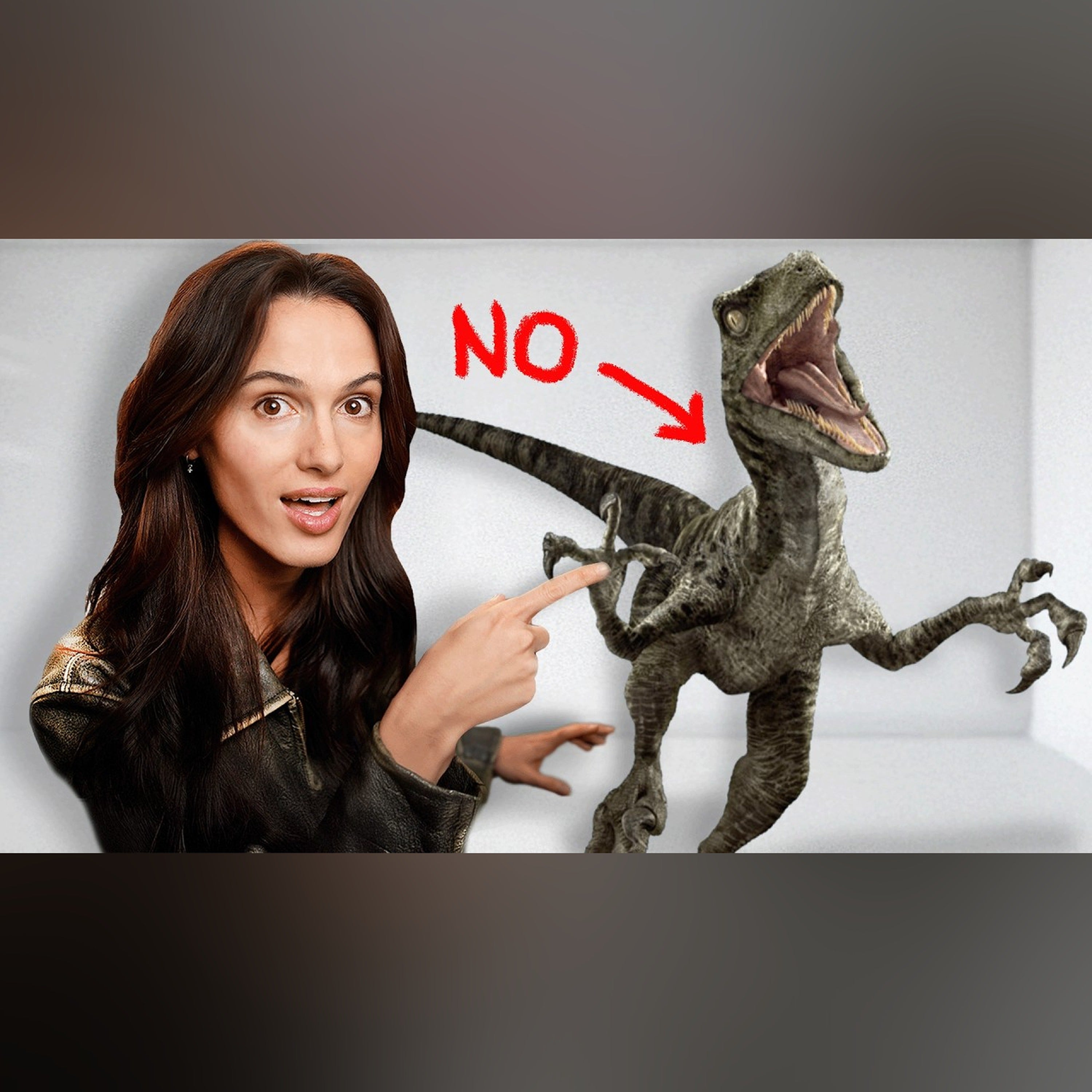
Dinosaurs were not like I thought... Check out https://groundnews.com/Cleo for a data-driven, balanced approach to staying informed. Use my link to save 50 percent on the Vantage plan and see how current events are framed from every perspective. I’m finally learning the truth about dinosaurs. I’ve loved dinosaurs since I was a kid, but it turns out a lot of what I thought I knew is wrong… or at the least outdated. So, in this video, I’m gonna show you the cutting edge of dinosaur discovery. I’ll give you rare access into a warehouse full of dinosaur bones, try to find my own fossil, and show you something new these scientists just discovered… Chapters: 00:00 What were dinosaurs really like? 01:08 Why is today a big deal for dinosaur discovery? 03:31 How big were dinosaurs, really? 05:49 When did dinosaurs actually live? 08:20 How many dinosaurs have we found? 09:26 What was the T-Rex like? 10:39 Did I find a bone?? 11:55 What IS a dinosaur? 14:31 What did dinosaur skin feel like? 15:06
Fall asleep to this quiet science story. A Boring Science For Sleep episode about How Mechanical Clocks Turn Gears Into Time. How Mechanical Clocks Turn Gears Into Time Settle in for a quiet exploration of How Mechanical Clocks Turn Gears Into Time. This episode follows A Bell Without a Face; Iron, Brass, Gut and Oak; Counting Teeth Into Hours; The Swing and the Sea; Towers, Tanks and Long Clocks. Listen closely or let the details drift past. Chapters 00:00:00 How Mechanical Clocks Turn Gears Into Time 01:30:53 Graphite Pencils and the Clay Inside the Core 04:02:09 Wood Screws and the Cutting of Spiral Threads If you enjoy this quiet science bedtime pace, you might also like Psalms for Sleep (https://open.spotify.com/show/7zd2RN8SMTCheFA2ifYK0m) on Spotify — same quiet rhythm, different night.
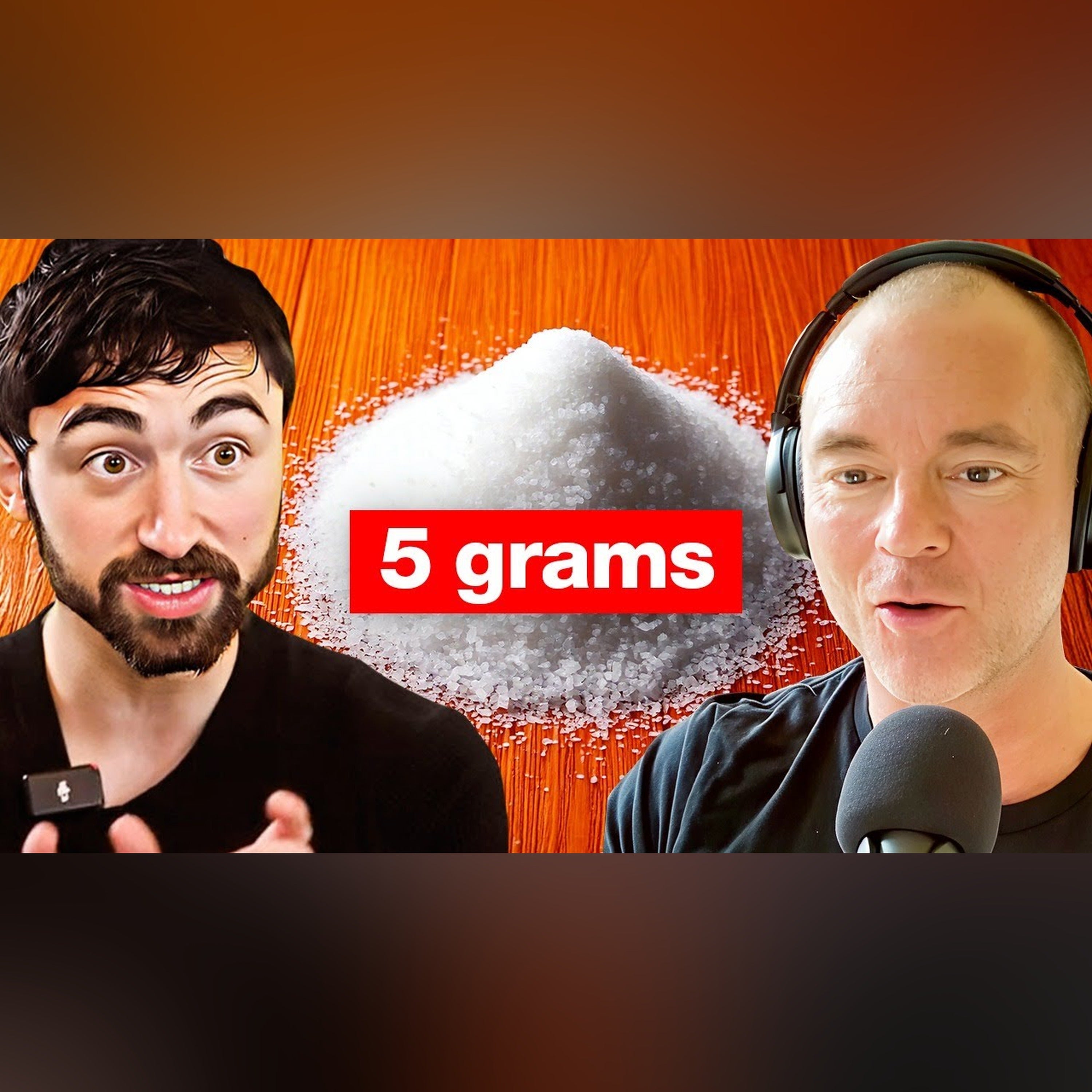
Robb Wolf Interview Part 1: https://youtu.be/Wi-6KttZ54g LMNT “Scandal” Video: https://youtu.be/uI2ewgimH3g Salt, Leptin and Blood Pressure: https://staycuriousmetabolism.substack.com/p/salt-vs-fat-rethinking-the-root-causes?r=40ekz2 Oleuropein and Calcium Signaling: https://youtu.be/ljuimrT2a1s In Part 2 of my conversation with Robb Wolf, we dig into one of the most misunderstood aspects of nutrition and metabolic health: electrolytes. Most people think electrolytes simply matter for athletes or hot summer workouts, but the reality is far more complex. We also get into the science behind sodium, why the old fear of salt never made sense mechanistically, and how obesity and leptin signaling influence salt sensitivity, and more. Chapters 0:00 – Why Electrolytes Matter More Than You Think 3:12 – Low-Carb, Insulin and Hidden Electrolyte Loss 7:38 – How to Know If You’re Sodium Deficient 11:25 – The Truth About Sodium, Obesity and Blood Pressure 21:59 – How Much Sodium You Really Need 29:1
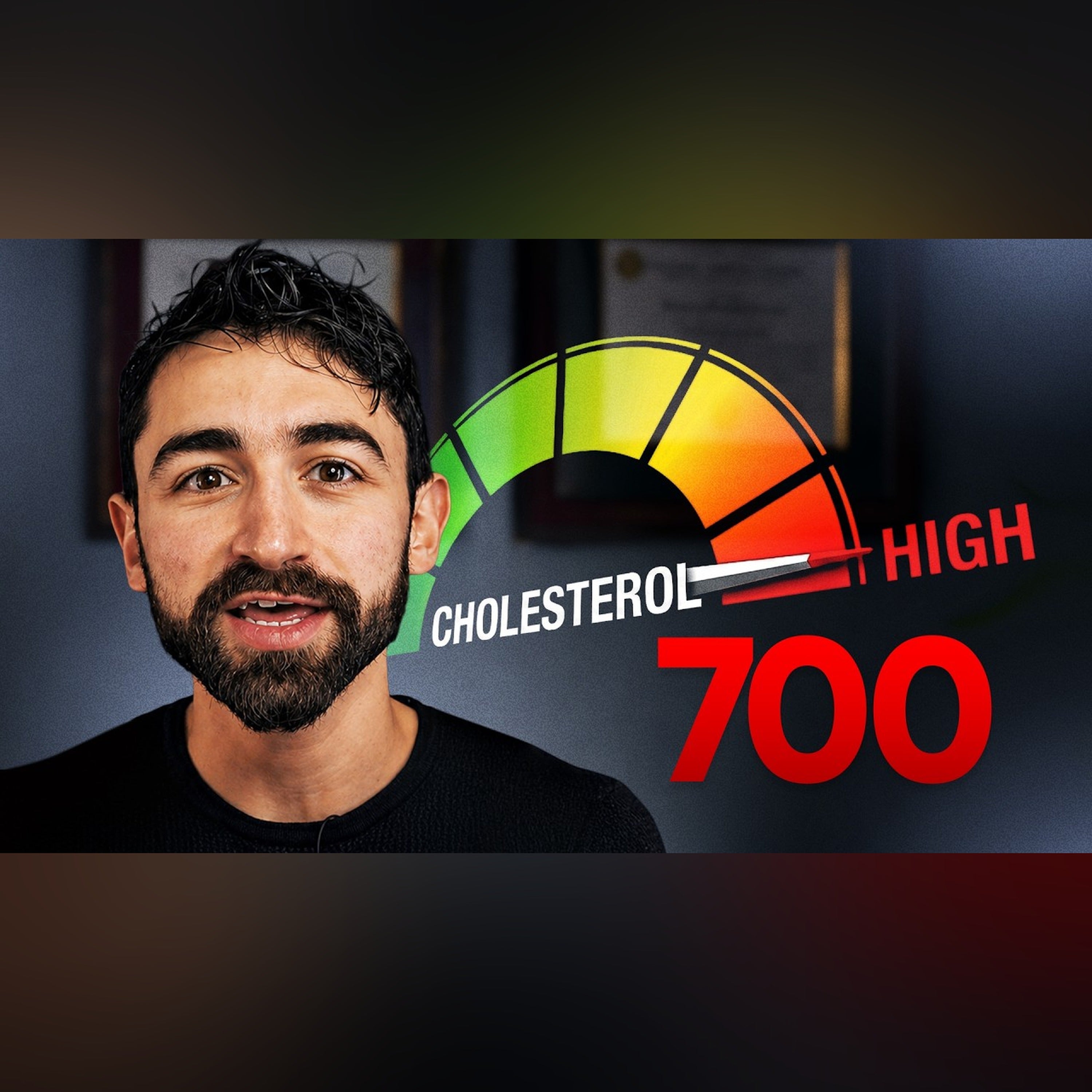
For a written breakdown, more nuances and early access to content, see the associated newsletter: https://open.substack.com/pub/staycuriousmetabolism/p/im-finally-lowering-my-cholesterol?r=40ekz2&utm_campaign=post&utm_medium=web&showWelcomeOnShare=true (https://open.substack.com/pub/staycuriousmetabolism/p/im-finally-lowering-my-cholesterol?r=40ekz2&showWelcomeOnShare=true) Statin RCT Video: https://youtu.be/d9LeDSoYOVc Ezetimibe Video: https://youtu.be/5idzP5ghT7A Bempedoic Acid Letter: https://staycuriousmetabolism.substack.com/p/beyond-cholesterol-the-unfolding?r=40ekz2 Description For the last seven years, despite extremely high cholesterol, I refused cholesterol-lowering medications. But I’ve just changed my mind…sort of. In this video, I walk through the full decision-making process: the risks, the uncertainty, the medical context, and the nuances that made this case unusually complicated. There are three plot twists. This is not medical advice. It’s a detailed look at an unusual
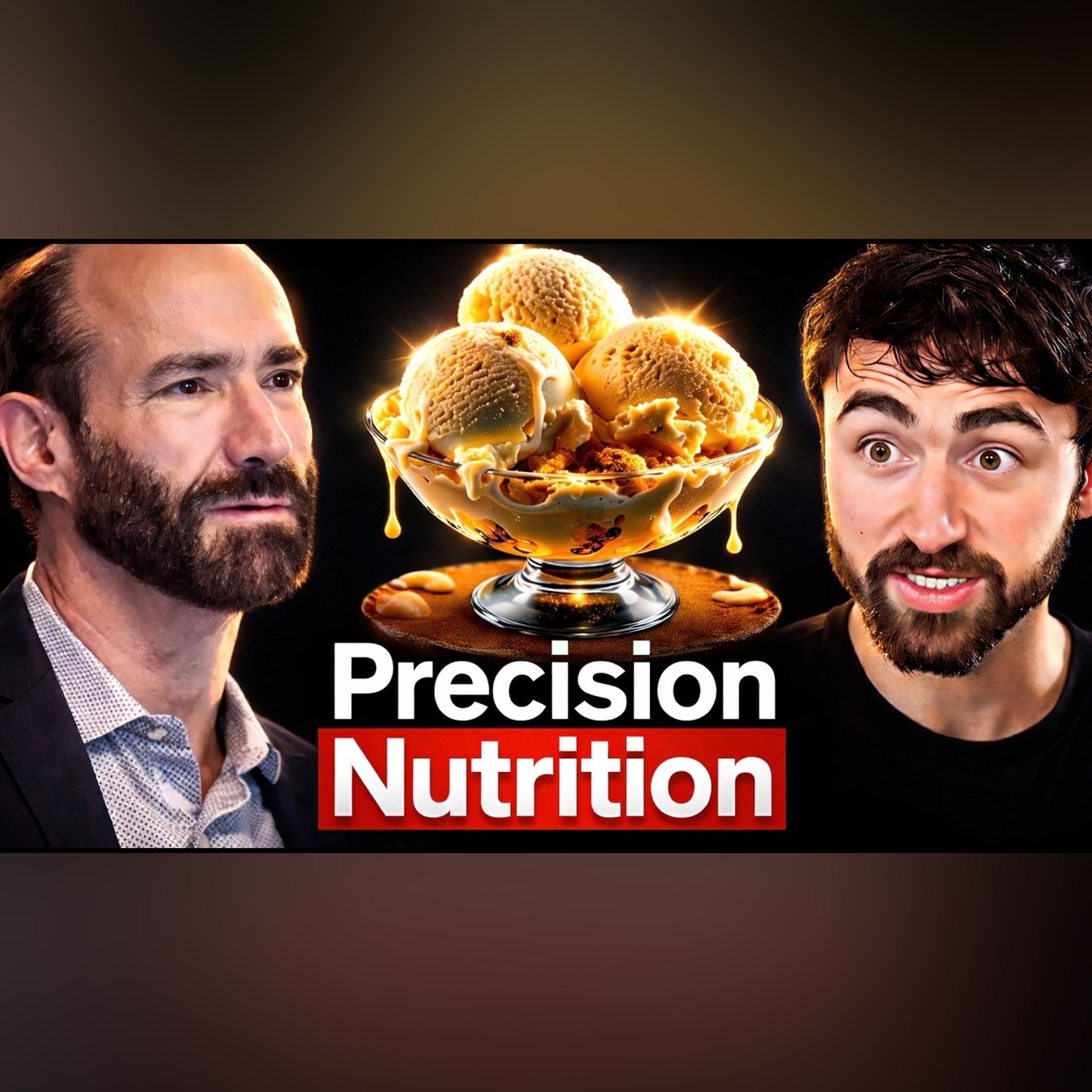
StayCurious Newsletter on Snyder’s Fiber Randomized Controlled Trial: https://staycuriousmetabolism.substack.com/p/fiber-is-good-for-you-is-lazy-science?r=40ekz2 StayCurious Newsletter on Inulin and Fructose Resistance: https://staycuriousmetabolism.substack.com/p/the-fiber-that-fights-fat-how-inulin?r=40ekz2 Snyder Interview 1, Four Types of Diabetes: https://youtu.be/mCrc4gfbK2o Snyder Interview 2, Most Viral Aging Study: https://youtu.be/kMpGkg4zMOU Snyder Interview 3, Most Beautiful Exercise Study: https://youtu.be/_9ywulQF2Ho Why does the same food spike one person’s blood sugar while barely affecting another? In this fourth conversation with Stanford’s Professor Michael Snyder, we explore new research on individualized glycemic responses, insulin resistance subtypes, and why one-size-fits-all nutrition advice keeps failing. From rice spiking glucose more than ice cream, to the power of the grape-to-potato ratio, and beyond, this discussion reveals how metabolism, microbiome, immu
Rebuilding after a disaster should sometimes mean changing where or how people live.
Share your view, then see how readers voted. No sign-in required. This poll is shared across stories.
Do you agree or disagree?
Common Quandary
A Common Quandary to discuss
Another conversation to explore, separate from this news story.
You are vegetarian, but the leftover steak is headed for the trash. Do you eat it?
A vegetarian avoids buying meat because of animal welfare concerns. At work events, untouched meat is routinely thrown away, and eating it would neither increase demand nor cause another animal to be harmed.
Should a moral practice be judged by its consequences or its consistency?