Listen through the publisher, then discuss the episode here or arrange an in-person Roundtable. Your city determines where to meet.
Roundtables are designed for groups of four, with a shared subject and room for everyone to speak. Come for discussion, with no dating expectation.
Paper: Ketogenic diet induces p53-dependent cellular senescence in multiple organs, https://www.science.org/doi/10.1126/sciadv.ado1463 Chapters 0:00 – Media Mayhem about New Study 1:02 – Background: Conflicting Data 2:00 – The Diets (Crisco and Cocoa Butter) 3:07 – Biomarker of Aging Increased in Organs of Keto Mice 3:42 – Ketogenic Diets extend Lifespan and Health-span in Mice 4:36 – Oddities in the Data 5:16 – Are my Cytokines Elevated? 7:39 – Summary Clinical Trials ID: NCT05071287 Paper: A Ketogenic Diet Extends Longevity and Healthspan in Adult Mice, Like My “Stay Curious” Shirt? https://metabolismshirts.myspreadshop.com (https://metabolismshirts.myspreadshop.com/)
Episode information is provided by the publisher. Listening takes place on the publisher’s service.
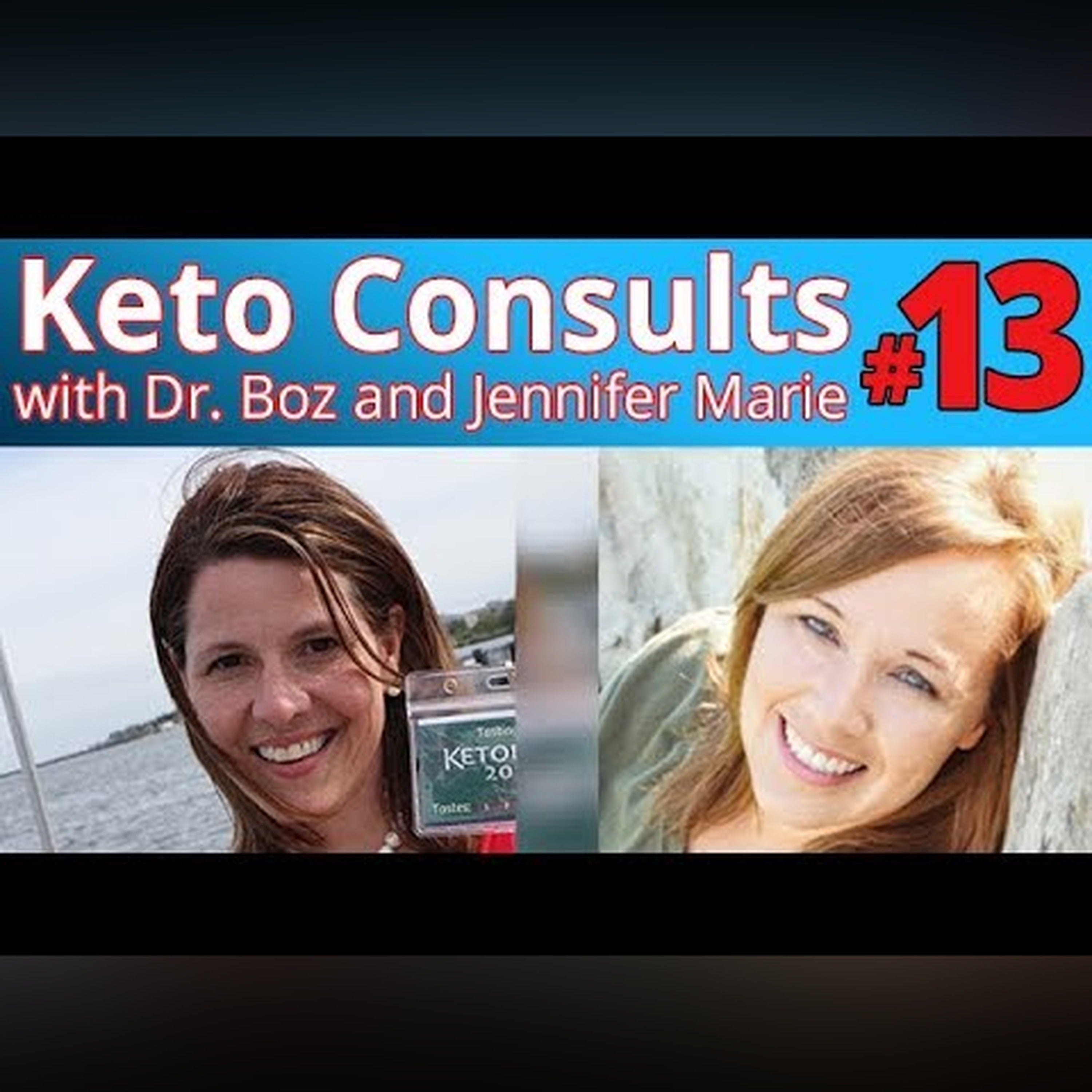
Keto Consult #13: This week Jennifer and I talk all about Food on Keto. We talk about Glucose Testing and how we can use Glucose Testing to biohack ourselves and figure out which Foods on Keto are good and which Foods on Keto are not so good. Amongst Food on Keto we get really into the Keto Diet and Cholesterol and debunk some of the common misunderstandings about Food on Keto and the Keto Diet and Cholesterol. Carbs on Keto, Glucose Testing, Keto Diet and Cholesterol, Food on Keto. We also discuss What is C Reactive Protein?, Why beginning the Keto Diet may make your Liver Enzymes High, Learning How to Fast, Igniting Autophagy and everything you need to know about the Dr. Boz Ratio! Thanks for tuning into my channel. Read more about this topic on my blog: https://bozmd.com/understanding-keto-food-pyramid/ BOOK-LINK - ANYWAY YOU CAN. AUDIBLE: https://adbl.co/2SLLfS1 PAPERBACK= (Affilate link) https://amzn.to/2JqglxS The two most common questions I get ... 1) "Doc, what BLOOD METER do y
Glycine is an amino acid that helps build collagen and is involved in regulating inflammation, and researchers are exploring its role in healthy aging, yet your body may produce less of it as you get older Modern diets often lack glycine-rich connective tissues, such as bones, tendons and cartilage, making grass fed beef bone broth, gelatin and collagen-rich cuts of meat valuable additions to your meals Animal studies described by biochemist Joel Brind, Ph.D., found that glycine supplementation extended lifespan in rats and mice by approximately 10% to 15%, although researchers have yet to establish whether it produces similar benefits in humans In a small, three-month placebo-controlled trial of 74 adults with Type 2 diabetes, those given glycine had significantly lower HbA1c and reduced inflammatory markers compared with placebo, although larger studies are needed Research suggests glycine may help your body release heat and lower its core temperature before sleep, while collagen-ric
Brain chips don't read your mind. They do something weirder... This is Neuralink’s Next Gen R1 surgical robot. It’s one of several new ways scientists are now trying to combine the human brain with a computer, which sounds like science fiction because… it is! But not anymore. And you need to know about this right now, because human clinical trials are happening and this tech is moving fast. Some people want to use it to make you superhuman. But I think most people aren’t seeing what’s really huge if true here. This story isn’t about how to make us more like machines Instead, this might be one of the most cutting edge ways to keep us human. Visit http://mercury.com (http://mercury.com/) to join over 300 thousand entrepreneurs who love Mercury. Mercury is a financial technology company, not an FDIC-insured bank. Banking services provided through Choice Financial Group and Column N.A., Members FDIC. Chapters: 00:00 What if you put a chip in your brain? 01:02 What does a human brain feel l
Thanks to Brilliant for supporting PBS. Learn more at: https://www.brilliant.org/spacetime Uploaded 02-12-19 PBS Member Stations rely on viewers like you. To support your local station, go to: http://to.pbs.org/DonateSPACE The universe is big, really, really big. Although according to a new paper, it may literally be infinitely smaller than we previously thought. Sign Up on Patreon to get access to the Space Time Discord! Check out the Space Time Merch Store Hosted by Matt O'Dowd Written by Matt O'Dowd Graphics by Leonardo Scholzer and Adriano Leal Directed by: Andrew Kornhaber Executive Producers: Eric Brown and Andrew Kornhaber End Credits Music by J.R.S. Schattenberg: https://www.youtube.com/channel/UCRl6-nb4iOnsij-vnpAjp0Q Every time you walk out the door, light from the Big Bang strikes your face, enters your eyes. This is the cosmic microwave background radiation - the left-over heat-glow from the very early universe. We can’t see this microwave light with our eyes, but we can ca
Does your relationship feel like home, or does it feel like standing on the edge of something you might lose? In Part 3 of our Relationship Anxiety series, clinical hypnotherapist and former paramedic Martin Hewlett guides you through the process of teaching your nervous system that love doesn't have to hurt to be real. We explore the physical manifestations of anxiety—the tight chest, the 2:00 AM racing mind, and the "stomach drop" when a text takes too long—and provide the tools to "turn down the alarm" of your internal survival response. If you are ready to stop "cherry-picking" evidence of disaster and start building a foundation of trust, this session is for you. In This Episode, We Cover: The Science of Safety: Understanding how your nervous system confuses love with danger. Guided Visualization: A journey into your own "safe room" where you are already enough. Rewiring the Brain: Moving from worst-case disaster reels to the reality of small, daily kindnesses. Breaking the Cycle:
Fall asleep to this quiet science story. A Boring Science For Sleep episode about How a Transistor Switches and Amplifies Signals. How a Transistor Switches and Amplifies Signals Settle in for a quiet exploration of How a Transistor Switches and Amplifies Signals. This episode follows Gold Points on Germanium; Crystals, Chemists and Surfaces; Inside the Base Region; Leakage, Heat and Stored Charge; Gates, Pairs and Quiet Logic. Listen closely or let the details drift past. Chapters 00:00:00 How a Transistor Switches and Amplifies Signals 01:38:47 Broom Making and the Binding of Broomcorn 04:09:45 Rubber Erasers and the Mixing of a Soft Compound If you enjoy this quiet science bedtime pace, you might also like Nature Documentary for Sleep (https://open.spotify.com/show/6Jcyoklmz2GdNGdCcNyQes) on Spotify — same quiet rhythm, different night.
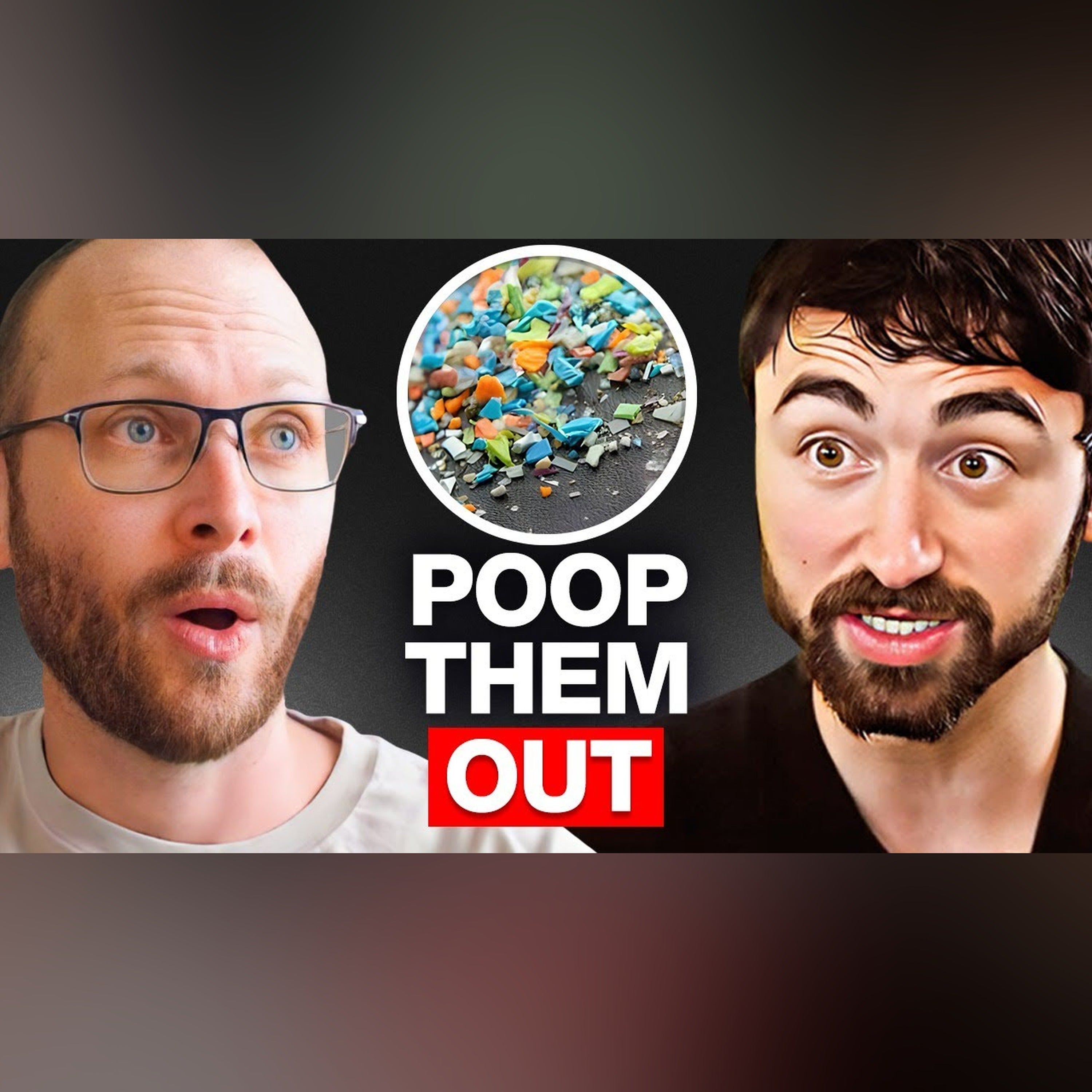
Microplastics in my Heart Letter: https://staycuriousmetabolism.substack.com/p/microplastics-in-my-heart-its-worse?r=40ekz2 Stanford Fiber RCT, Letter https://staycuriousmetabolism.substack.com/p/fiber-is-good-for-you-is-lazy-science?r=40ekz2 Microbiome Reset, Letter https://staycuriousmetabolism.substack.com/p/how-im-rebuilding-my-microbiomeafter?r=40ekz2 Description: Microplastics are everywhere—in our food, water, and inside our bodies—and avoiding them completely is nearly impossible. In this conversation, I sit down with Dr. Matthew Dunn PhD, a molecular biologist working at the intersection of biotechnology and human health, to unpack what the science actually says about microplastics and how they may be linked to cardiovascular disease, reproductive health issues, and gut inflammation We break down the landmark human data, the animal and cellular studies that help explain possible mechanisms, and dissect the state of the data. We also explore a potential inside-out solution: usi
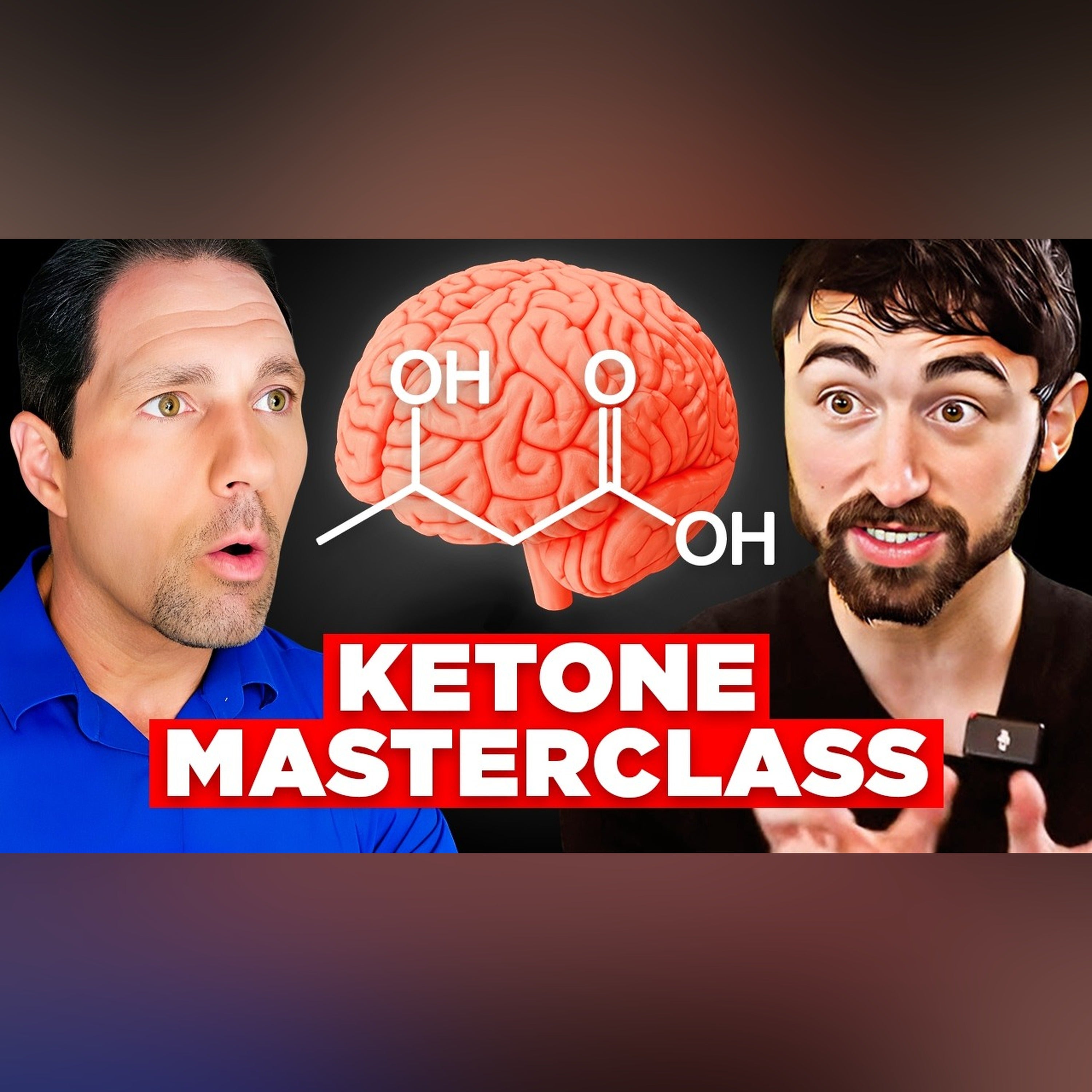
In this conversation, I sit down with Professor Dom D’Agostino, one of the world’s leading experts on metabolic therapies, ketosis, and exogenous ketones. We dive deep into the science of ketone esters, MCT oils, and 1,3-butanediol, breaking down how these compounds affect the brain, liver, and mitochondria. If you’ve ever wondered what ketone supplements actually do, this interview cuts through hype with hard data, clinical context, and self-experimentation. Mitochondrial Migration (Adapt) Video: https://youtu.be/R9x5Y57HuoA 0:00 – Ketones Can Rescue the Brain from Hypoglycemia 2:00 – The Self-Experiment That Changed Dom’s Career 5:00 – Ketones as a Lifeline in Severe Hypoglycemia 8:15 – Ketone Esters Explained: Forms, Effects, and Risks 16:10 – What Are MCTs and How They Boost Ketones 18:00 – The Story of MCT Oil and Alzheimer’s Disease 27:40 – Polyunsaturated Fats (PUFAs) and Ketone Production 33:00 – Ketone Salts: Benefits, Risks, and Misconceptions 36:00 – The Hidden Dangers of 1,
For extra nuances and all the references, please see the newsletter: https://staycuriousmetabolism.substack.com/p/how-i-hacked-my-girlfriends-brainwith?r=40ekz2&utm_campaign=post&utm_medium=web&triedRedirect=true (https://staycuriousmetabolism.substack.com/p/how-i-hacked-my-girlfriends-brainwith?r=40ekz2&triedRedirect=true) Can light influence attraction, hormones, and even reproductive biology? In this video, we explore surprising research on light exposure, testosterone, estrogen, fertility signals, and behavioral changes observed in both animal models and human studies. From hormone cascades triggered through the skin to seasonal changes in reproductive biology, this is a fascinating look at how deeply light may shape human physiology. Along the way, I also test whether increasing my own sunlight exposure changes my testosterone levels and reveal how my girlfriend hacked my brain! For more nuance, mechanisms, protocols, and limitations behind these findings, check out the full deep
Competing digital services should be required to support basic interoperability.
Share your view, then see how readers voted. No sign-in required. This poll is shared across stories.
Do you agree or disagree?
Common Quandary
A Common Quandary to discuss
Another conversation to explore, separate from this news story.
A donor's family wants to hear their loved one's heart beating in you. Do you meet them?
A transplant recipient receives a letter from the donor's family asking to meet. The recipient feels profound gratitude but also discomfort and wants their recovery to remain private and separate from another family's grief.
Can receiving an extraordinary gift create a personal obligation to strangers?