Listen through the publisher, then discuss the episode here or arrange an in-person Roundtable. Your city determines where to meet.
Roundtables are designed for groups of four, with a shared subject and room for everyone to speak. Come for discussion, with no dating expectation.
Shame is an unspoken epidemic, the secret behind many forms of broken behavior. Brené Brown, whose earlier talk on vulnerability became a viral hit, explores what can happen when people confront their shame head-on. Her own humor, humanity and vulnerability shine through every word. Uploaded 19-07-13 Talk by Brené Brown.
Episode information is provided by the publisher. Listening takes place on the publisher’s service.
Thanks to Brilliant for supporting PBS. Learn more at: https://www.brilliant.org/spacetime Uploaded 02-12-19 PBS Member Stations rely on viewers like you. To support your local station, go to: http://to.pbs.org/DonateSPACE The universe is big, really, really big. Although according to a new paper, it may literally be infinitely smaller than we previously thought. Sign Up on Patreon to get access to the Space Time Discord! Check out the Space Time Merch Store Hosted by Matt O'Dowd Written by Matt O'Dowd Graphics by Leonardo Scholzer and Adriano Leal Directed by: Andrew Kornhaber Executive Producers: Eric Brown and Andrew Kornhaber End Credits Music by J.R.S. Schattenberg: https://www.youtube.com/channel/UCRl6-nb4iOnsij-vnpAjp0Q Every time you walk out the door, light from the Big Bang strikes your face, enters your eyes. This is the cosmic microwave background radiation - the left-over heat-glow from the very early universe. We can’t see this microwave light with our eyes, but we can ca
Making others happy might just be the key to finding true joy within yourself. In this message, Tony Robbins and Sage Robbins shares how focusing on connection, contribution, and meaningful relationships can lead to a deeper sense of fulfillment and purpose. Uploaded 20-07-25 Watch more videos like this Rebuild Trust and Connection in Any Relationship | Tony Robbins Intervention: https://youtu.be/oq-13UXCsOk These 6 Psychological Needs Control EVERYTHING You Do: https://youtu.be/HVwUfSiZUZM How To Influence ANYONE In Your Life (No Matter How Difficult...): https://youtu.be/nyRnnn82ATg How Your Language Shapes EVERYTHING Around You: https://youtu.be/4uqkkFiT5hk Join "The Edge" - Tony Robbin's FREE weekly newsletter: https://tonyr.co/3YJ0m2L Try Tony AI for just $1: https://tonyr.co/4cr742A Follow Tony Robbins: Facebook: https://www.facebook.com/TonyRobbins Instagram: https://instagram.com/tonyrobbins/ TikTok: https://www.tiktok.com/@tonyrobbins Twitter: https://twitter.com/tonyrobbins L
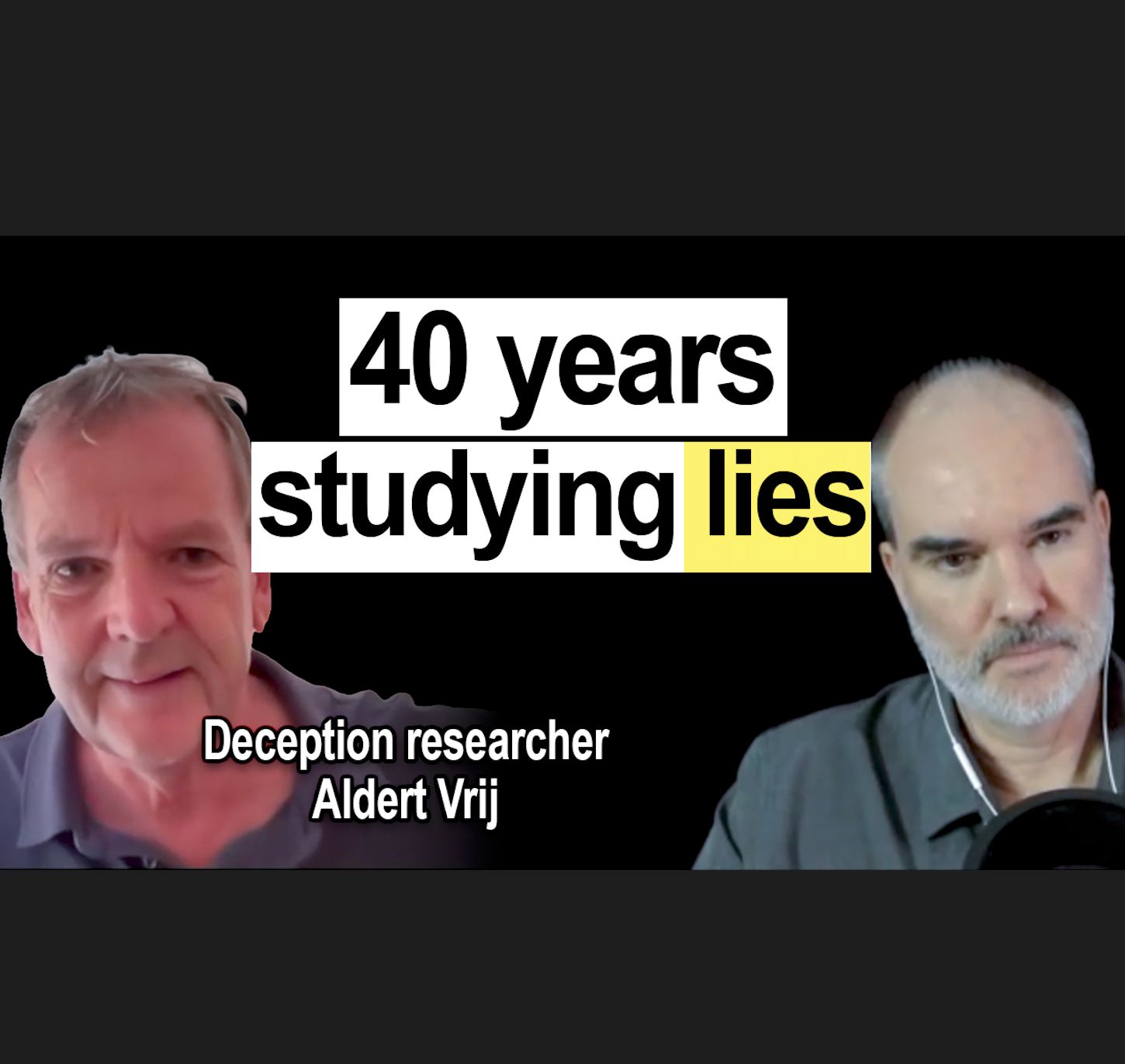
What actually works when it comes to detecting lies, and why are so many popular ideas about reading people and nonverbal behavior at odds with the scientific research? I talk with Aldert Vrij, one of the world's leading deception-detection researchers, who has spent almost four decades studying these topics. We discuss why what people say is far more revealing than their body language; why the perceived “sexiness” of reading nonverbal behavior has contributed to widespread myths and misconceptions; whether vocal behaviors like pitch, volume, and hesitation contain meaningful clues; and whether there's value in analyzing minor word choices and turns of phrase, as is done in so-called “statement analysis.” We discuss Paul Ekman's legacy as a source of faulty ideas about deception, micro-expression-based deception detection training, and the strategies that popular “body language experts” use to appear scientifically credible while simultaneously promoting ideas that conflict with the sc
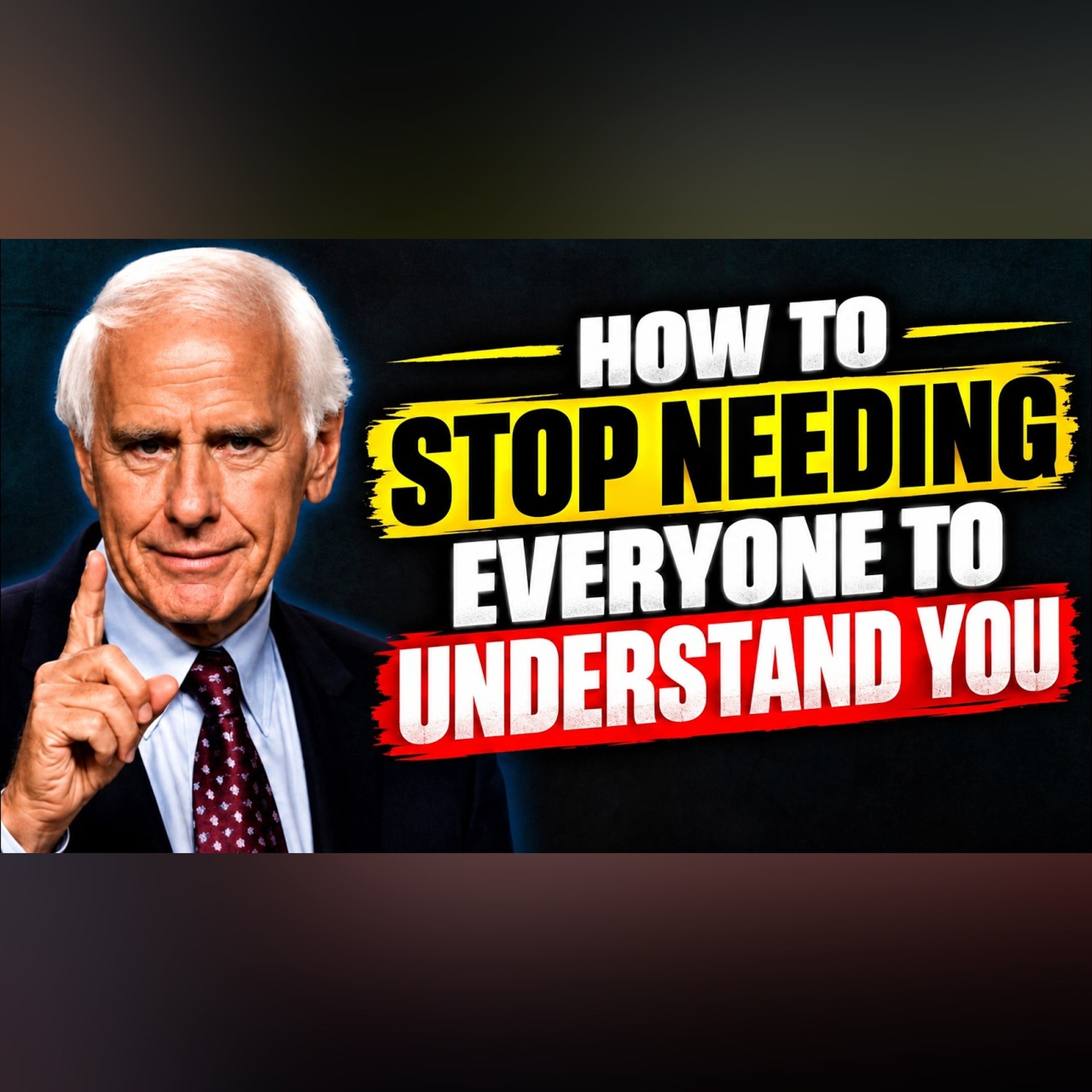
You went back. Maybe not to the same person, but to the idea of them. You rehearsed the conversation again in your mind. You thought of better words, sharper examples, a clearer way to say the thing you'd already said. You kept trying to win an argument that was already over, with a person who had already walked away. Uploaded 13-10-26 That hunger to be understood is one of the most natural things in the world. And it is also one of the quietest thieves of a person's peace that I know of. You explain yourself to one person, feel relief for a day, and then someone else shakes their head, and you're back building the case for your own life all over again. Here is the truth: it is not another person's job to understand you. It is your job to understand yourself. And once you've done that interior work, the opinions of people who don't understand you go from feeling like a verdict to feeling like weather. This seminar unpacks the single mechanic behind why you keep over-explaining your lif
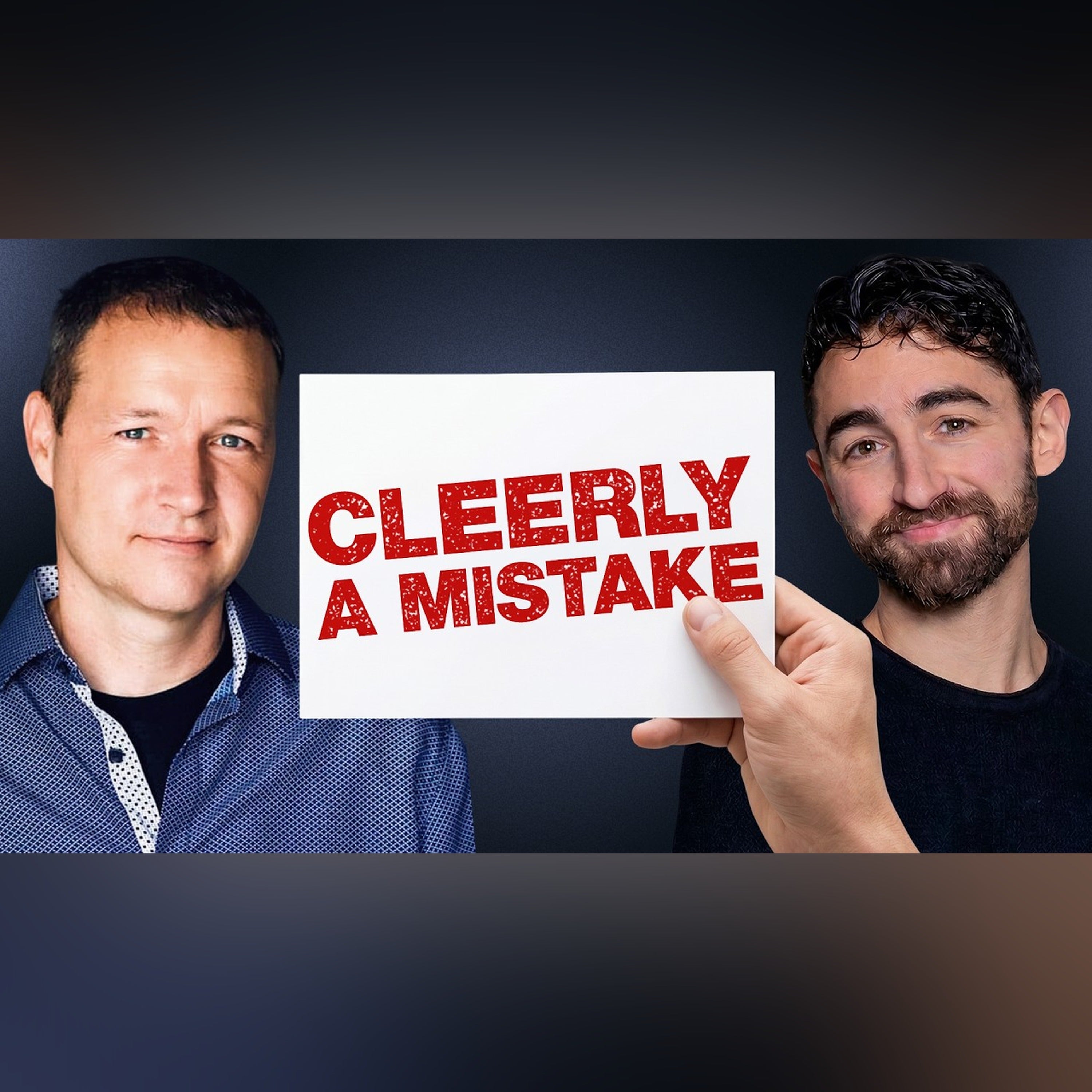
For the written breakdown, see this letter: https://staycuriousmetabolism.substack.com/p/we-want-to-retract-our-own-paper?r=40ekz2 In this conversation, I sit down with my friend and colleague Dave Feldman to explain why we’re seeking to retract our own study. For context: on April 7th, 2025 we published results from a trial of ~100 individuals on low-carb diets whose LDL cholesterol dramatically increased—so-called “lean mass hyper-responders.” We set out to answer a critical question: does this group experience accelerated plaque progression, and what predicts that risk? Our original headline finding—that LDL cholesterol and ApoB did not predict plaque progression—still stands. However, the plaque progression data itself was based on an AI-guided analysis conducted by the company Cleerly. After publication, we discovered that their analysis was performed inappropriately (unblinded) with data suggesting errors or bias in the analysis. Unfortunately, the company declined to reanalyze o
In this conversation I’m speaking to Rebecca Olive. Rebecca is a feminist cultural studies researcher whose work explores how everyday sport and leisure are shaped by cultural politics, relationships between humans and non-humans, environmental wellbeing, and social media. My understanding of her research is she looks very closely at why people do things that make up a culture, and the meaning of everyday practices in people’s lives. We chatted about why people are drawn to the ocean in the first place and what keeps us coming back. How swimming and surfing becomes more than recreation, and into an emotional relationship that shapes how we understand risk, shark risk, and our place in it. She also discusses how storytelling, social media and drone footage may influence our perception of danger and coexistence. Apologies, I’m a Bit under the weather in this one and in the opening couple of minutes, probably would have been a good idea to have the microphone turned on. Recorded at 3pm on
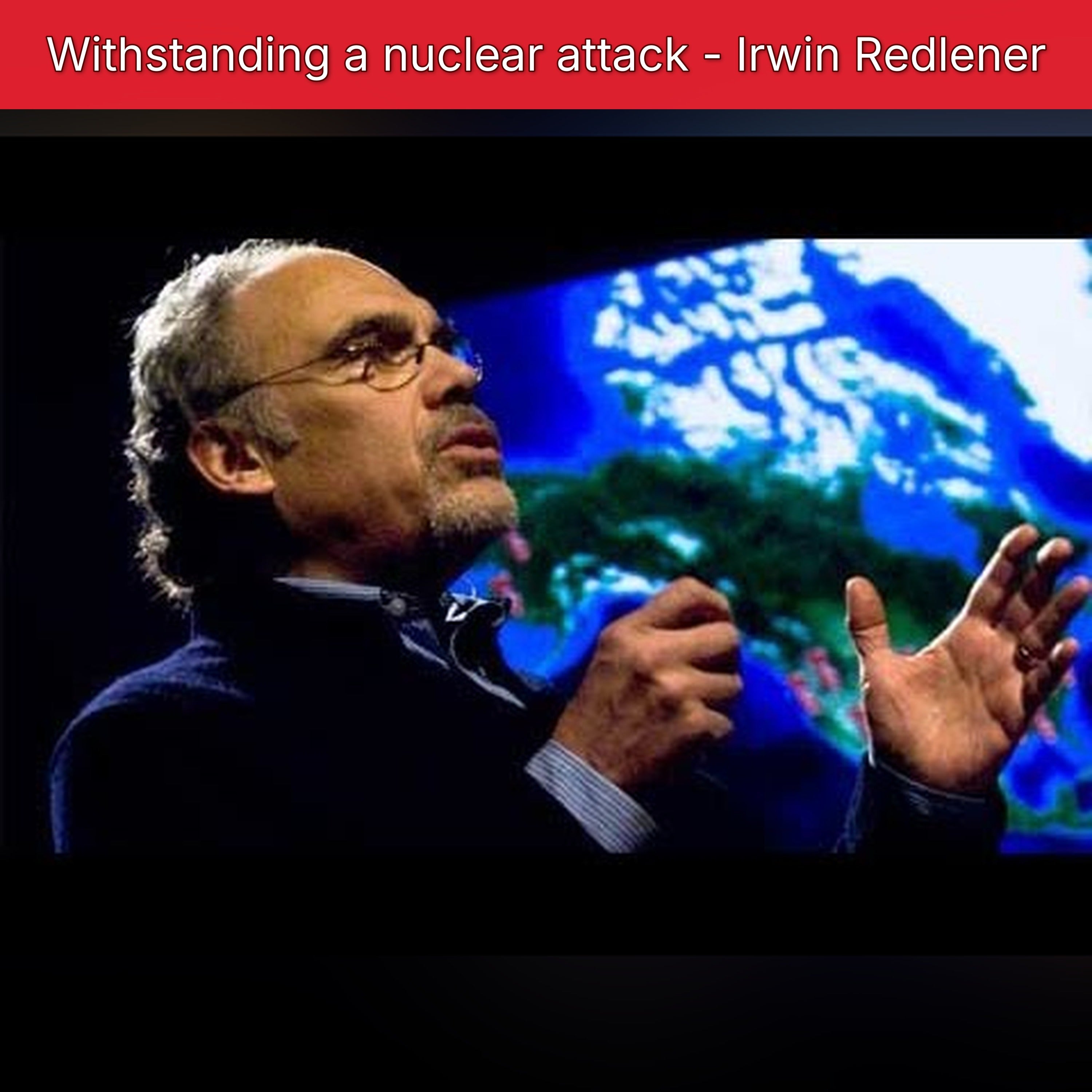
View full lesson: http://ed.ted.com/lessons/surviving-a-nuclear-attack-irwin-redlener The face of nuclear terror has changed since the Cold War, but disaster-medicine expert Irwin Redlener reminds us the threat is still real. He looks at some of history's farcical countermeasures and offers practical advice on how to survive an attack. Talk by Irwin Redlener.
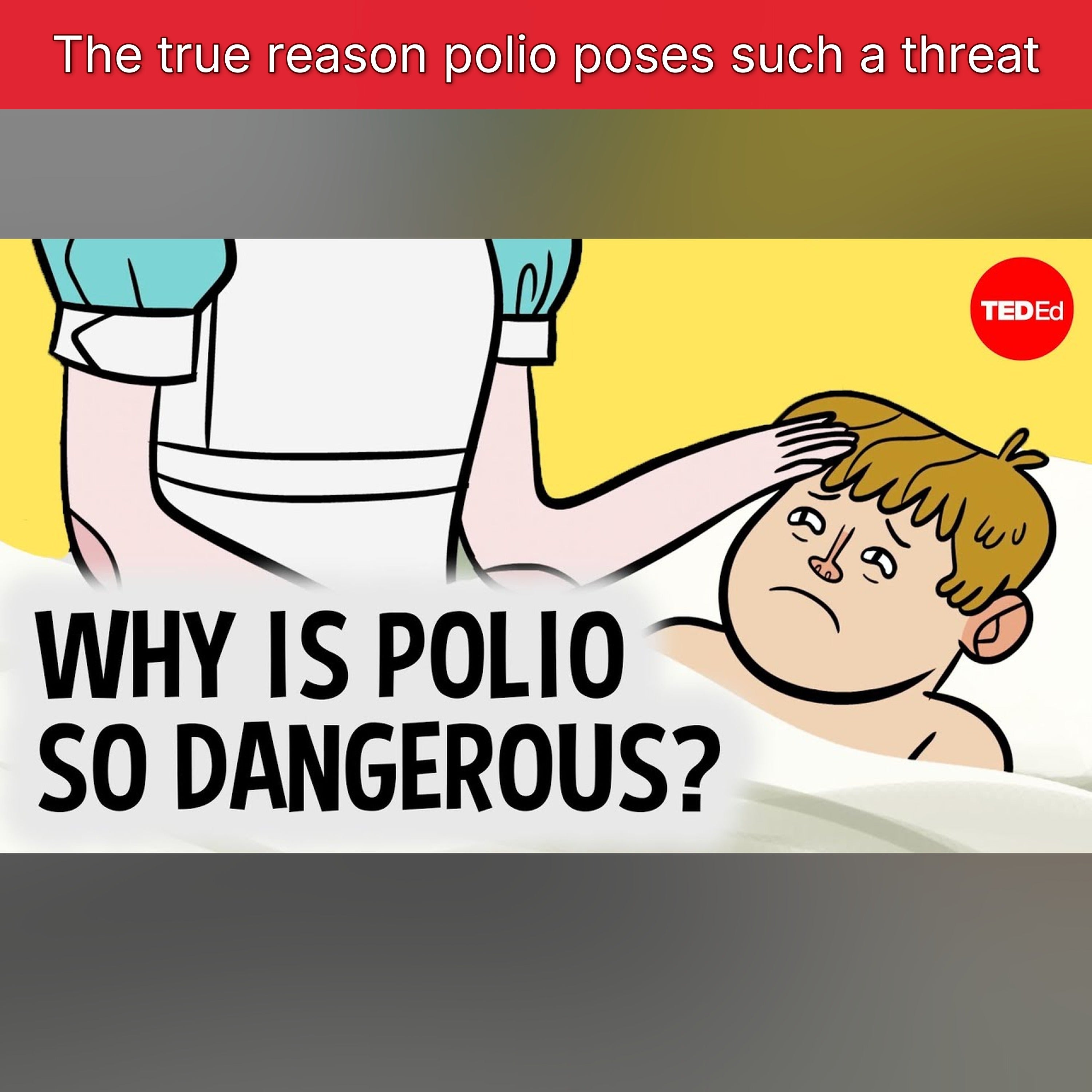
Explore what makes polio so dangerous, what is causing the 21st century resurgence of cases, and how we can eradicate the disease. -- In 1952, polio was everywhere: killing or paralyzing roughly half a million people annually. Yet just 10 years later, paralytic polio cases in the US dropped by 96% and we were on track to get rid of polio for good. But in recent years, the virus started striking back. So, what’s behind these recent spikes? Explore the dangers of poliovirus and the possibility of eradicating this deadly disease. Directed by Anton Bogaty. This video made possible in collaboration with Gates Ventures Learn more about how TED-Ed partnerships work: https://bit.ly/TEDEdPartner A special thanks to Ananda Bandyopadhyay, Amber Zeddies, and Kathleen O'Reilly who provided information and insights for the development of this video. Support Our Non-Profit Mission ---------------------------------------------- Support us on Patreon: http://bit.ly/TEDEdPatreon Check out our merch: htt
Todd Humphreys forecasts the near-future of geolocation when millimeter-accurate GPS "dots" will enable you to find pin-point locations, index-search your physical possessions ... or to track people without their knowledge. And the response to the sinister side of this technology may have unintended consequences of its own. (Filmed at TEDxAustin.) Uploaded 26-06-13 Talk by Todd Humphreys.
An artist's serious misconduct should affect decisions about publicly honoring their work.
Share your view, then see how readers voted. No sign-in required. This poll is shared across stories.
Do you agree or disagree?
Common Quandary
A Common Quandary to discuss
Another conversation to explore, separate from this news story.
The prettiest trees on your street are ecological troublemakers. Do they come down?
A row of mature flowering trees defines a neighborhood and provides valuable shade. Ecologists identify them as invasive and recommend replacing them with native saplings that will take decades to grow.
How should visible community value be weighed against gradual ecological harm?