English-language podcasts

TED-Ed

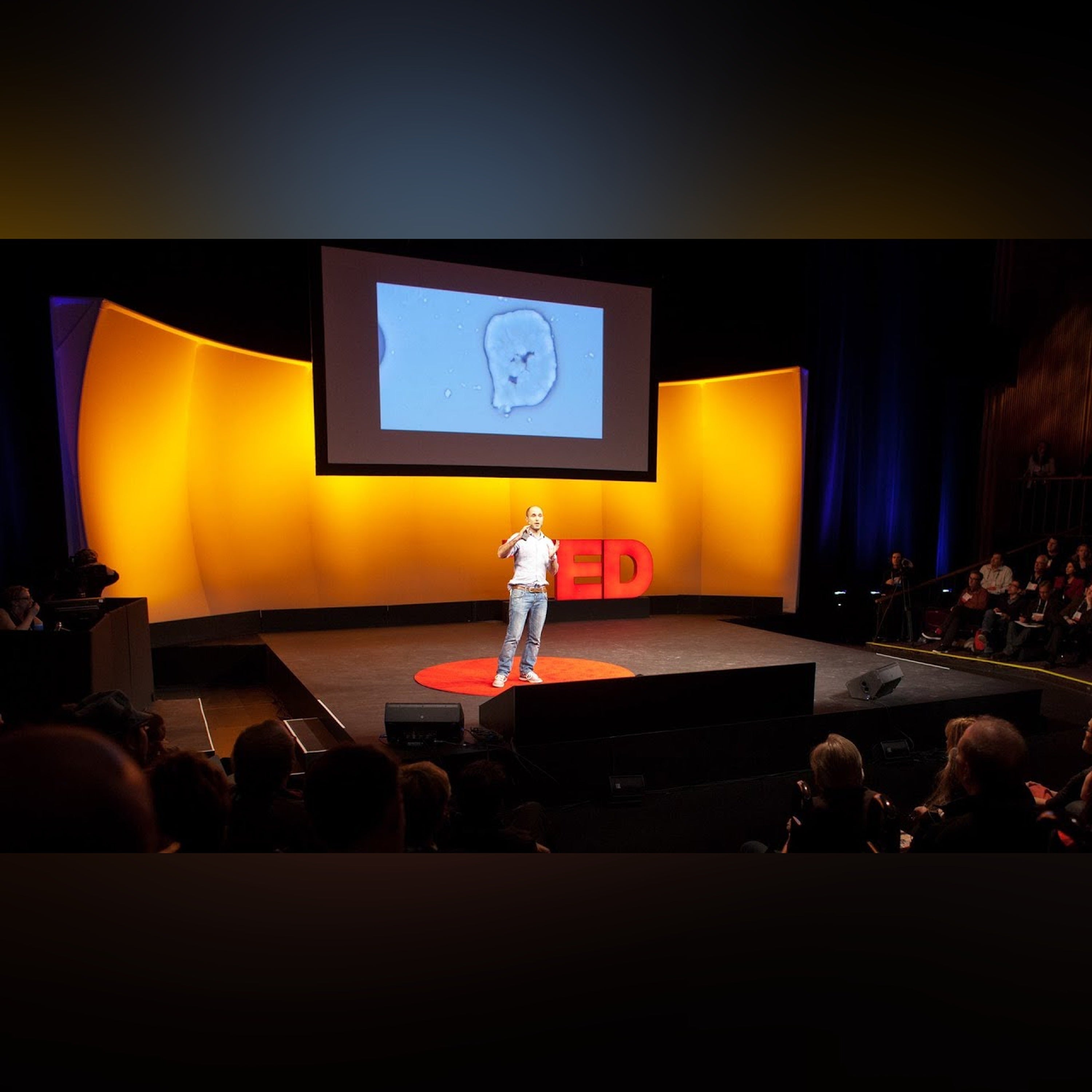
Mining minerals from seawater - Damian Palin
5 min

Listen through the publisher, then discuss the episode here or arrange an in-person Roundtable. Your city determines where to meet.

Roundtables are designed for groups of four, with a shared subject and room for everyone to speak. Come for discussion, with no dating expectation.

The world needs clean water, and more and more, we're pulling it from the oceans, desalinating it, and drinking it. But what to do with the salty brine left behind? In this intriguing short talk, TED Fellow Damian Palin proposes an idea: Mine it for other minerals we need, with the help of some collaborative metal-munching bacteria. Uploaded 05-07-13 Talk by Damian Palin.

Episode information is provided by the publisher. Listening takes place on the publisher’s service.

Listen at the source ↗

Featured places to meet in Palo Alto, CA

Explore these places and arrange a conversation through ThinkMatch.

City guide for Palo Alto, CA

More from TED-Ed

TED-Ed

HIV and flu -- the inoculation strategy - Seth Berkley

27 min

View full lesson: http://ed.ted.com/lessons/hiv-and-flu-the-vaccine-strategy-seth-berkley Seth Berkley explains how smart advances in vaccine design, production and distribution are bringing us closer than ever to eliminating a host of global threats -- from AIDS to malaria to flu pandemics. Talk by Seth Berkley.

Discuss this episode

TED-Ed

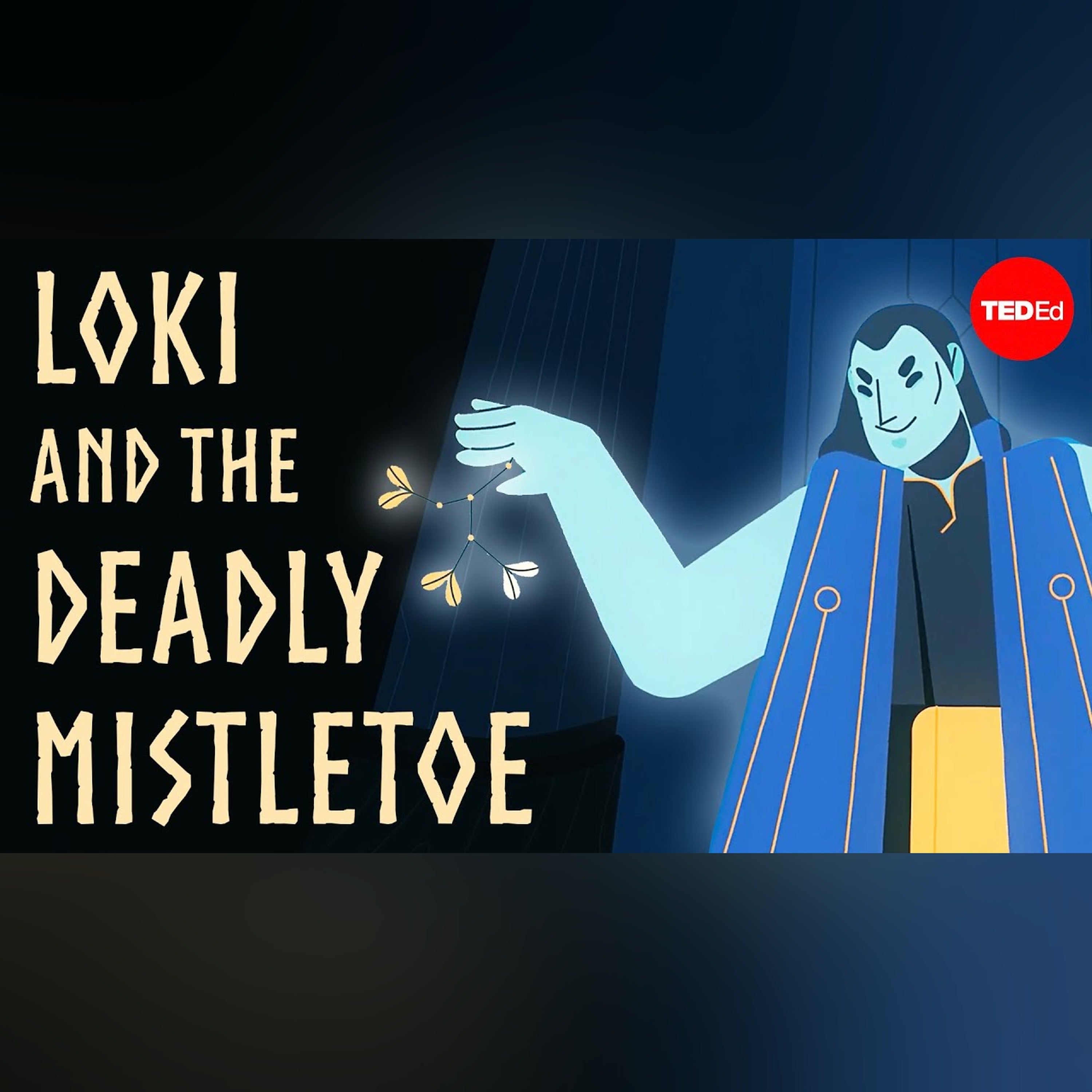
The myth of Loki and the deadly mistletoe - Iseult Gillespie

9 min

Discover the Norse myth of Baldur, the most beloved being in Asgard, and how the trickster god Loki plotted his death. Uploaded 01-12-20 -- Baldur was the gentlest and most beloved being in all of Asgard. But lately, he had been plagued by gruesome visions foretelling his own imminent death. Determined to protect her son from these grim prophecies, Queen Frigg travelled across the nine realms, begging all living things not to harm Baldur— all living things except one. Iseult Gillespie shares the myth of the death of Baldur. Lesson by Iseult Gillespie, directed by WOW-HOW Studio. Support Our Non-Profit Mission ---------------------------------------------- Support us on Patreon: http://bit.ly/TEDEdPatreon Check out our merch: http://bit.ly/TEDEDShop ---------------------------------------------- Connect With Us ---------------------------------------------- Sign up for our newsletter: http://bit.ly/TEDEdNewsletter Find us on Twitter: http://bit.ly/TEDEdTwitter Peep us on Instagram: http

Discuss this episode

TED-Ed

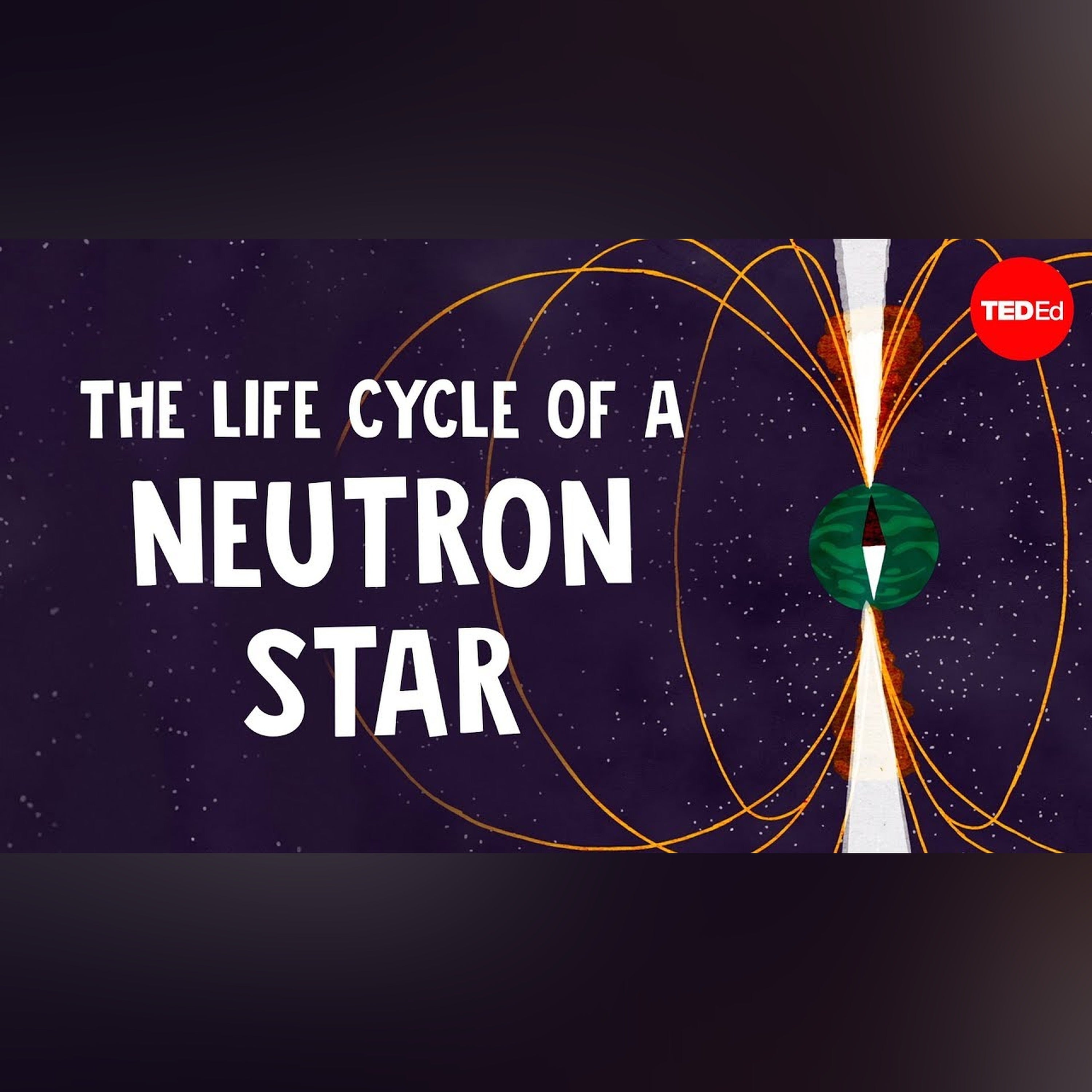
The life cycle of a neutron star - David Lunney

9 min

Uploaded 20-11-18 View full lesson: https://ed.ted.com/lessons/the-life-cycle-of-a-neutron-star-david-lunney About once every century, a massive star somewhere in our galaxy runs out of fuel. No longer able to produce sufficient energy to maintain its structure, it collapses under its own gravitational pressure and explodes in a supernova. The death of that star is the birth of a neutron star: one of the densest known objects in the universe. David Lunney explores what, exactly, a neutron star is. Lesson by David Lunney, directed by JodyPrody. Thank you so much to our patrons for your support! Without you this video would not be possible! Sandra Tersluisen, Ellen Spertus, Fabian Amels, sammie goh, Mattia Veltri, Quentin Le Menez, Yuh Saito, Heather Slater, Dr Luca Carpinelli, Christophe Dessalles, Arturo De Leon, Eduardo Briceño, Ricardo Paredes, David Douglass, Grant Albert, Jen , Megan Whiteleather, Mayank Kaul, Ryohky Araya, Tan YH, Ph.D., Brittiny Elman, Kostadin Mandulov, Yanuar A

Discuss this episode

Community Poll

Businesses that attract visitors should help reduce the disruption experienced by neighbors.

Share your view, then see how readers voted. No sign-in required. This poll is shared across stories.

Do you agree or disagree?

Choose one answer

Common Quandary

A Common Quandary to discuss

Another conversation to explore, separate from this news story.

You inherit a fortune made in ways you despise. Can you keep it?

You inherit a substantial sum from a relative who accumulated it through practices you consider exploitative. Keeping it would improve your family's security; donating it could support people harmed by similar practices.

Can ownership be morally clean when its history is not?

Explore this quandary