English-language podcasts

PBS News Hour - Science

Once a global leader in containing measles, U.S. now struggles with surge

Listen through the publisher, then discuss the episode here or arrange an in-person Roundtable. Your city determines where to meet.

Roundtables are designed for groups of four, with a shared subject and room for everyone to speak. Come for discussion, with no dating expectation.

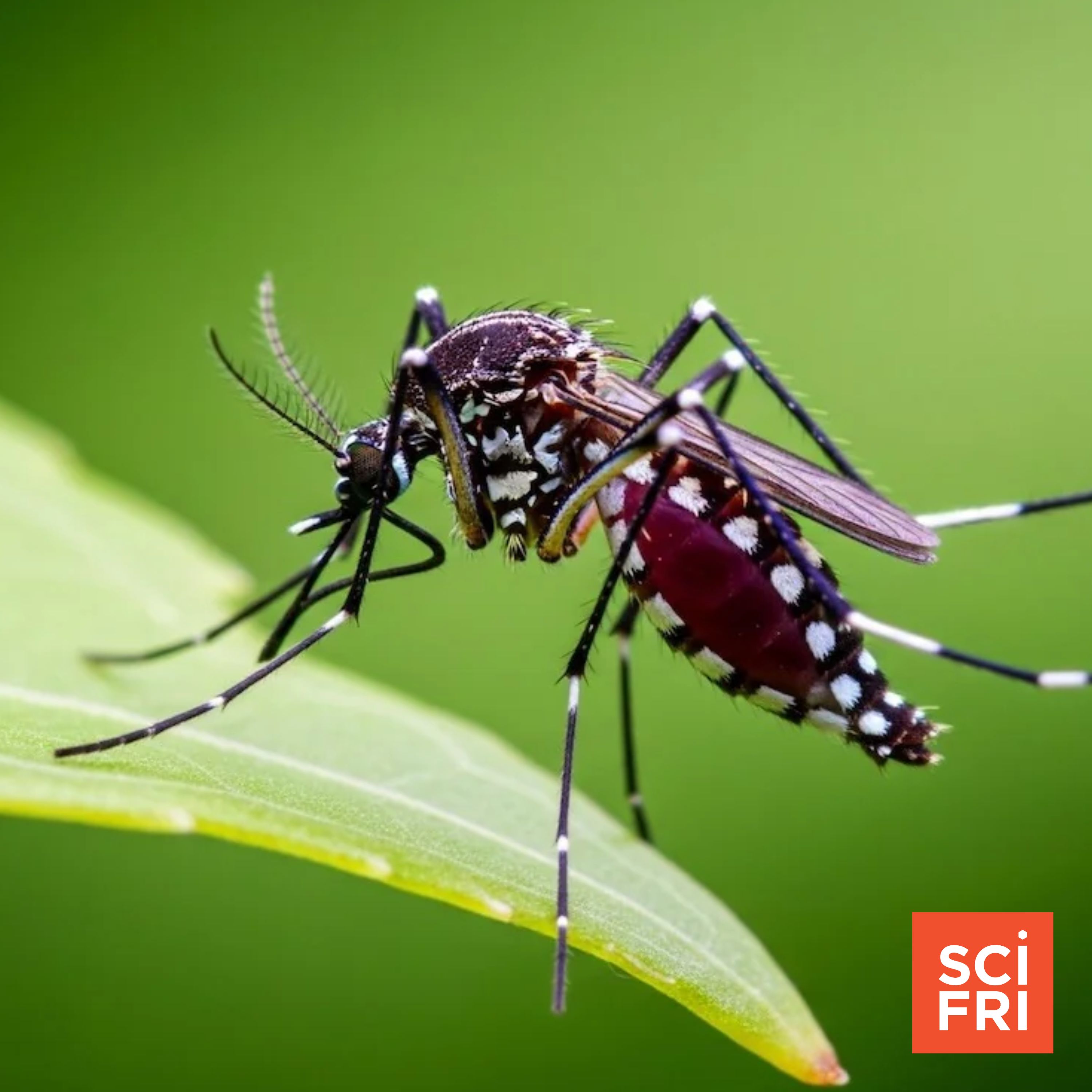
When it comes to measles, the U.S. is going backwards. Our country, once a global leader in our ability to contain this virus, is now seeing measles surge back. Horizons moderator William Brangham explores how we got here, and where we go now with Dr. William Schaffner and Jessica Malaty Rivera. Hosted on Acast. See acast.com/privacy

Episode information is provided by the publisher. Listening takes place on the publisher’s service.

Listen at the source ↗

Featured places to meet in Palo Alto, CA

Explore these places and arrange a conversation through ThinkMatch.

City guide for Palo Alto, CA

More from PBS News Hour - Science

PBS News Hour - Science

Anthropic's trillion-dollar valuation tests its promise to develop AI responsibly

Artificial intelligence giant Anthropic completed the largest initial public offering of all time. Even as CEO Dario Amodei celebrated the huge launch, he reiterated his commitment to developing artificial intelligence responsibly. William Brangham discussed more with Jessica Lessin, the editor-in-chief of the technology website The Information. Hosted on Acast. See acast.com/privacy

Discuss this episode

PBS News Hour - Science

What we've learned from Voyager 1 as it reaches extraordinary milestone

NASA's Voyager 1 spacecraft has reached an extraordinary milestone — traveling so far from Earth that it now takes a full day for light, or a radio signal, to reach it. Launched nearly 50 years ago, Voyager 1 is the farthest any human-made object has ever traveled, and the first spacecraft to enter interstellar space. Miles O'Brien puts this achievement in perspective and explains what comes next. Hosted on Acast. See acast.com/privacy

Discuss this episode

PBS News Hour - Science

Astronauts reflect on living aboard the International Space Station

25 min

The International Space Station is 250 miles above Earth and travels at roughly 17,500 mph as it orbits our planet. Since 2000, scientists have conducted experiments on everything from cancer to botany to fundamental questions about our universe. Horizons moderator William Brangham explores life aboard the ISS with two astronauts who worked there, Karen Nyberg and Don Pettit. Hosted on Acast. See acast.com/privacy

Discuss this episode

Community Poll

People directly affected by a local change should have more influence than other residents.

Share your view, then see how readers voted. No sign-in required. This poll is shared across stories.

Do you agree or disagree?

Choose one answer

Common Quandary

A Common Quandary to discuss

Another conversation to explore, separate from this news story.

You cannot stand your friend's partner. Do they still get a wedding invitation?

You are planning a small wedding and strongly dislike the person your longtime friend has been dating. Inviting them would make you uncomfortable, but excluding only that partner would embarrass your friend.

Whose comfort should govern a celebration centered on you?

Explore this quandary