Listen through the publisher, then discuss the episode here or arrange an in-person Roundtable. Your city determines where to meet.
Roundtables are designed for groups of four, with a shared subject and room for everyone to speak. Come for discussion, with no dating expectation.
What do possums in Toronto have in common with polar bears in Nunavut? More than you might think! Both species are having to respond to a changing climate, and both are on the hunt for survivable habitats as their environments shift. In this episode of This Is Wild, host Aliya Jasmine explores the science of climate refugia, natural safe havens that help wildlife weather environmental change. From the northward migration of Virginia possums to the challenges polar bears face as Arctic sea ice disappears, we discover just how much these shifting landscapes matter. We also travel to the Last Ice Area, a remote region above Canada and Greenland that could become a vital refuge for polar bears, narwhals, walruses and many other ice-dependent species. Along the way, we hear from an Inuk knowledge-holder and other Arctic experts about why protecting sea ice is about more than wildlife: it's also about Inuit culture, community and the very future of life in the North. To learn more about WWF-Canada's work to protect the Last Ice Area, head to wwf.ca/thisiswild (http://wwf.ca/thisiswild) Give to WWF-Canada: wwf.ca/donate (http://wwf.ca/donate) Sign up for WWF-Canada’s newsletter, Living Planet News: wwf.ca/signup-for-living-planet-news (http://wwf.ca/signup-for-living-planet-news) If you have any questions or suggestions for the show, you can email us at [email protected]
Episode information is provided by the publisher. Listening takes place on the publisher’s service.
In Brought to You By: How Corporations Warped the Truth, Conned the Public, and Broke Democracy (https://bookshop.org/a/12343/9781639736331), Amy Westervelt exposes the plot hidden within the familiar story of science denial. Over the last century, Big Industry has built a vast apparatus of think tanks, lobbyists, sponsored university labs, and obliging news networks to con the public and fool decision-makers, poisoning the informational ecosystem and warping the nature of truth along the way. With her signature wit and incisiveness, Westervelt introduces the masterminds of corporate misinformation: Herb Schmertz, the public relations pioneer who made Mobil “the thinking man's oil company;” Richard Edelman, the PR guy who helped the dairy industry vilify oat milk; David Petraeus, the disgraced spy chief using counter-insurgency tactics to discredit climate science; and many more. She shows how these company men have worked to usher in an era of unprecedented corporate control. Only by
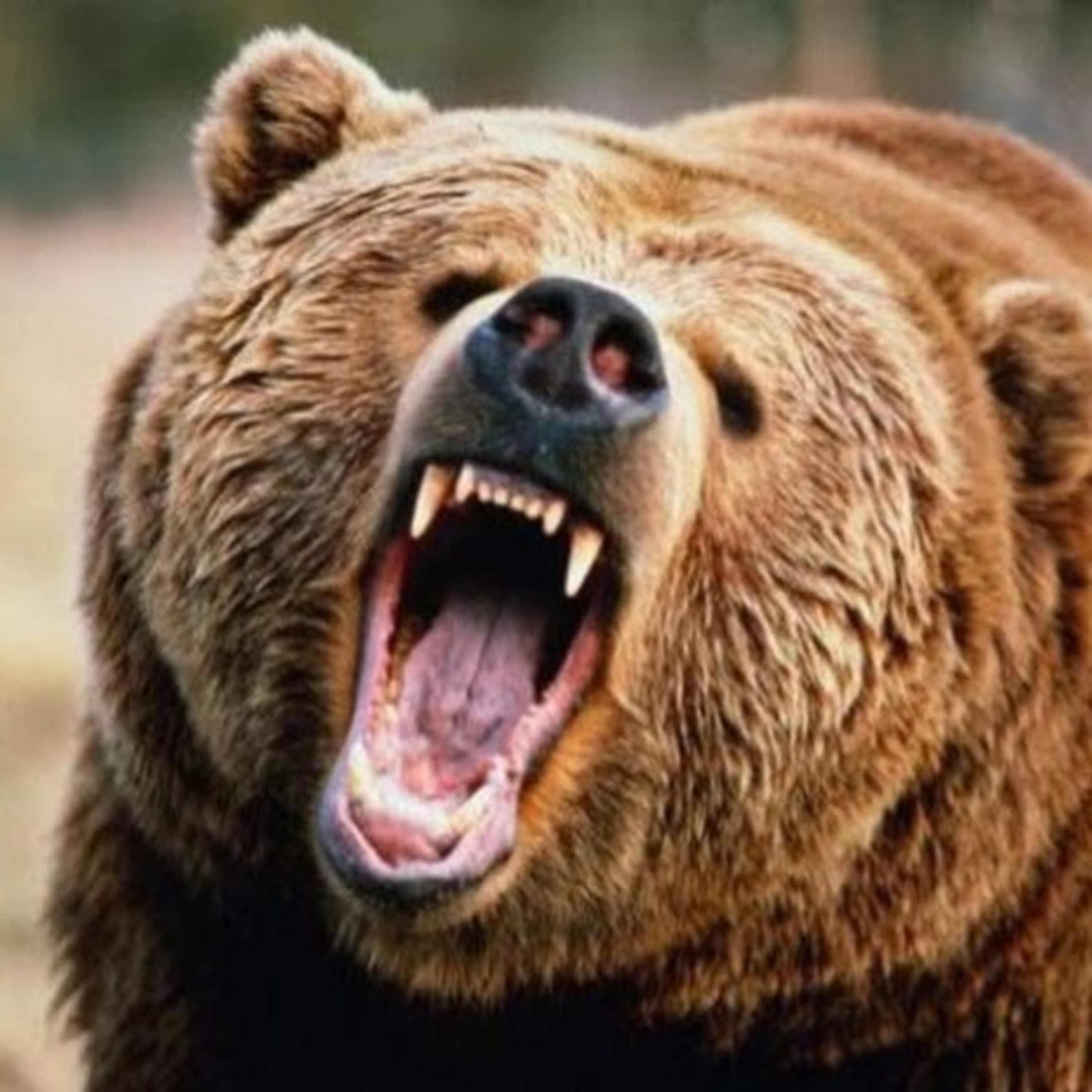
Long before wildlife management, warning signs, and modern firearms, settlers and travelers faced bears under the harshest conditions imaginable. In this Old Time Bear Attacks episode of Scary Bear Attacks, we explore true historical bear attack stories from America’s frontier era.These documented encounters involve pioneers, trappers, miners, homesteaders, and explorers who crossed paths with grizzly bears and black bears while living and working in remote wilderness. With no help nearby and little understanding of bear behavior, many of these encounters turned violent and deadly.This episode focuses on real Old West bear attacks drawn from historical records and firsthand accounts, revealing how isolation, scarcity, and survival shaped human–bear conflict during the expansion westward.If you enjoy true wildlife history, narrated survival stories, and real bear attack accounts from the past, this episode delivers some of the most chilling examples ever recorded.Support the channel and
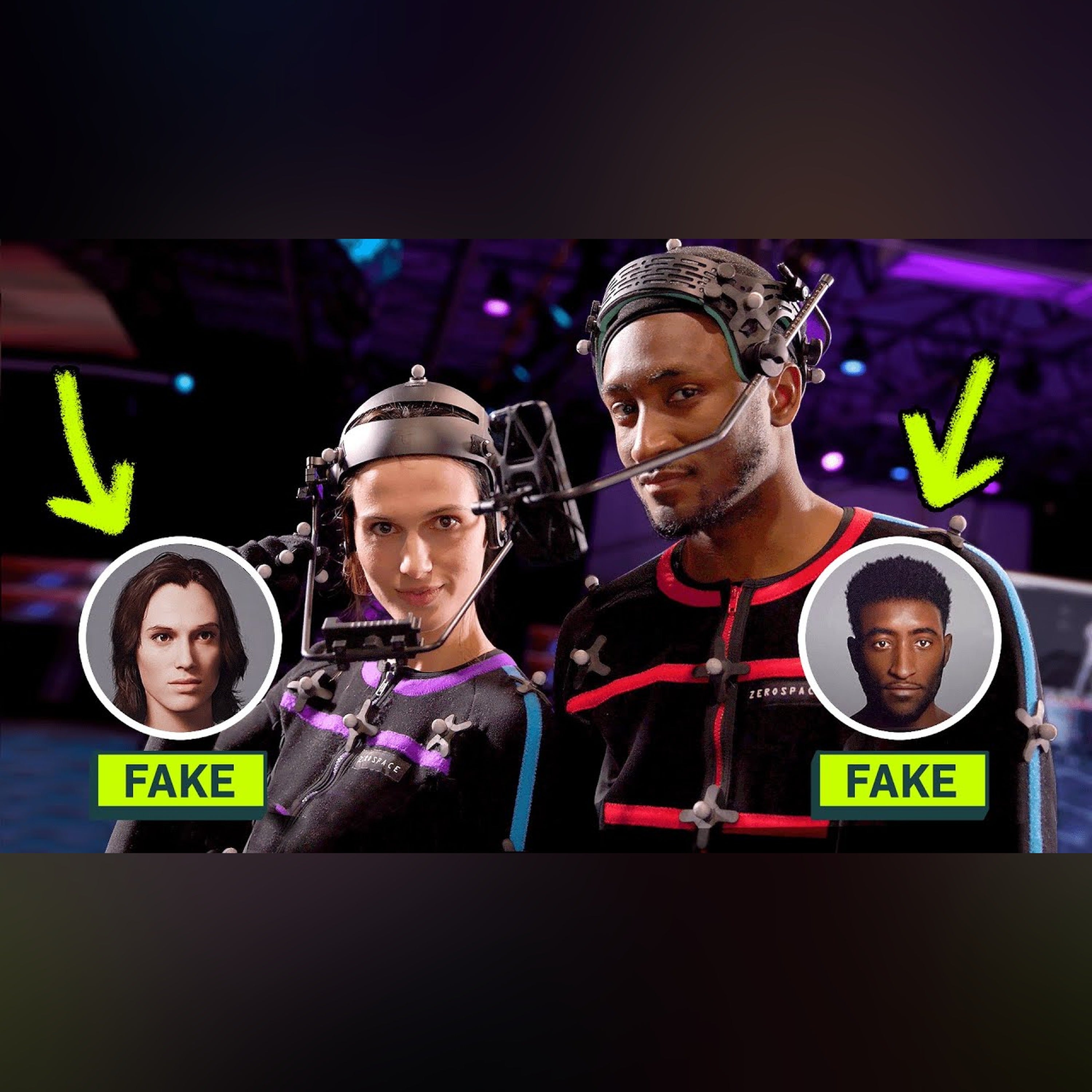
This new tech is changing how movies get made. So @mkbhd and I tested it out... Watch MKBHD's video: https://youtu.be/RM7SobH8ZO0 I’ve been obsessed with sci-fi movies since I was a kid. I love being transported to another world. But lately, I’ve been wondering: How do those worlds look so… REAL? The tech behind movies has exploded in complexity and realism, changing how stories come to life on screen. Luckily, at the same time, those tools are becoming more and more available to more people telling stories. It’s not just blockbusters like Avatar 2 or Avengers or Dune. It’s also smaller budget films like Everything Everywhere All at Once or even… YouTube creators? In this video, Marques Brownlee and I test out 3 movie-making tools that are changing how movies, shows, and maybe even YouTube videos (??) get made. We’re at ZeroSpace Studios in New York to show you how each of these crazy technologies work - and how you might be able to use them. Along the way, we hit big questions like: W
In this calm and sleepy facts episode, we journey far beyond our own solar system to explore the thousands of worlds orbiting distant stars, places we have only recently learned to find and are only just beginning to understand. We start with the basics of what an exoplanet is and how astronomers detect them, from the gentle dimming of a star as a planet passes in front of it to the tiny gravitational wobble a hidden world imprints on its sun. We visit the extraordinary harvest of the Kepler space telescope, which revealed that planets are not rare exceptions but the rule, scattered across nearly every star in the Milky Way. Along the way we encounter strange and extreme worlds, gas giants so close to their stars that they complete an orbit in mere days, tidally locked planets with one face locked in permanent daylight and the other in endless night, and rogue planets drifting alone through interstellar space with no star to call home. We explore the habitable zone, the narrow region a
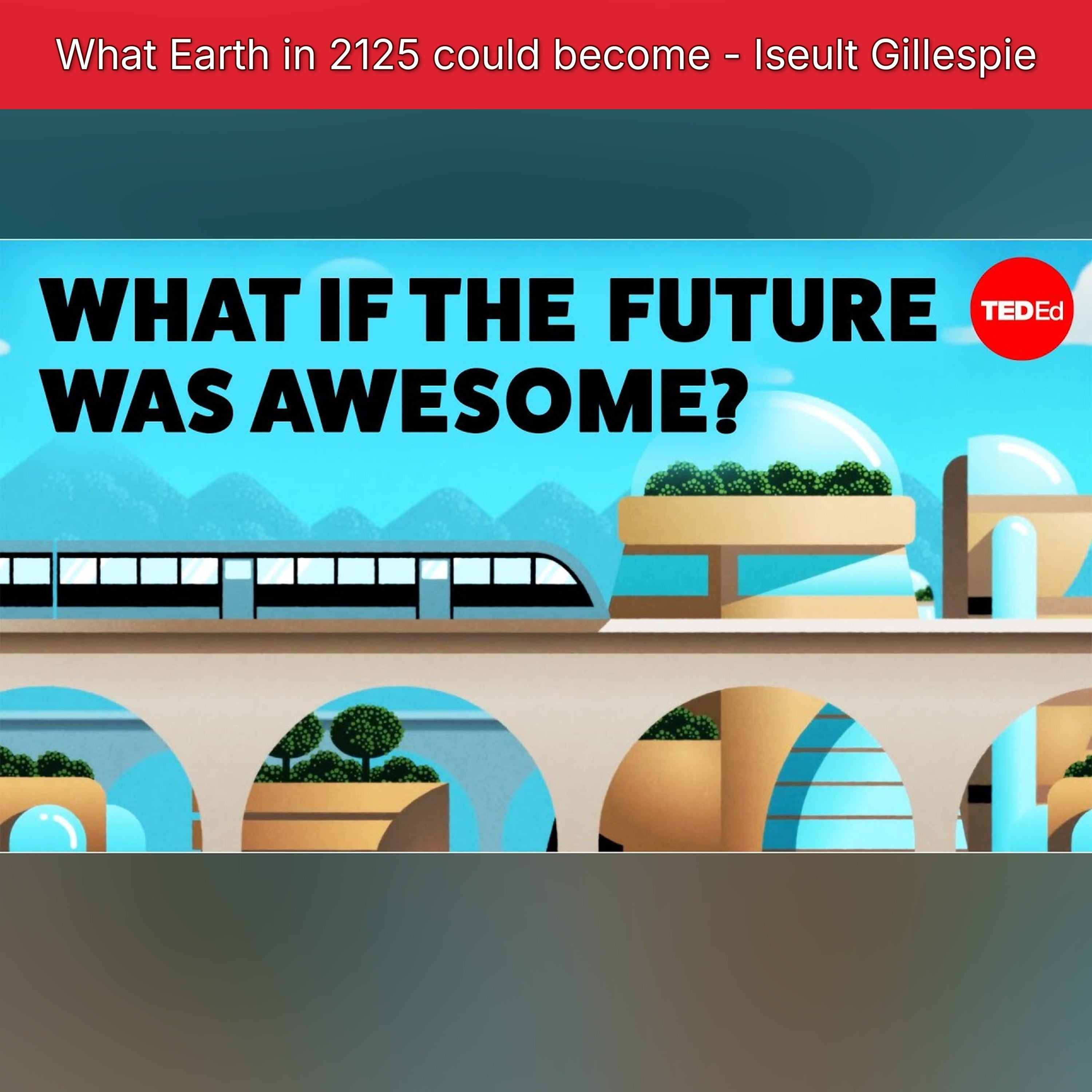
What could our future look like if we harness our technology to create a sustainable world? Take a look at the possibilities. -- Faced with the realities of current crises, it’s easy to assume our world is headed in a bleak direction. But there’s good reason to be hopeful— with developments in science and technology, a positive future is more viable than ever before. So, what if the future was awesome? Iseult Gillespie explores what three cities could look like in 100 years if we harness the tools we have at our disposal. Lesson by Iseult Gillespie, directed by Devin Clark, Augenblick Studios. This video made possible in collaboration with Speed & Scale Learn more about how TED-Ed partnerships work: https://bit.ly/TEDEdPartner Support Our Non-Profit Mission ---------------------------------------------- Support us on Patreon: http://bit.ly/TEDEdPatreon Check out our merch: http://bit.ly/TEDEDShop ---------------------------------------------- Connect With Us ---------------------------
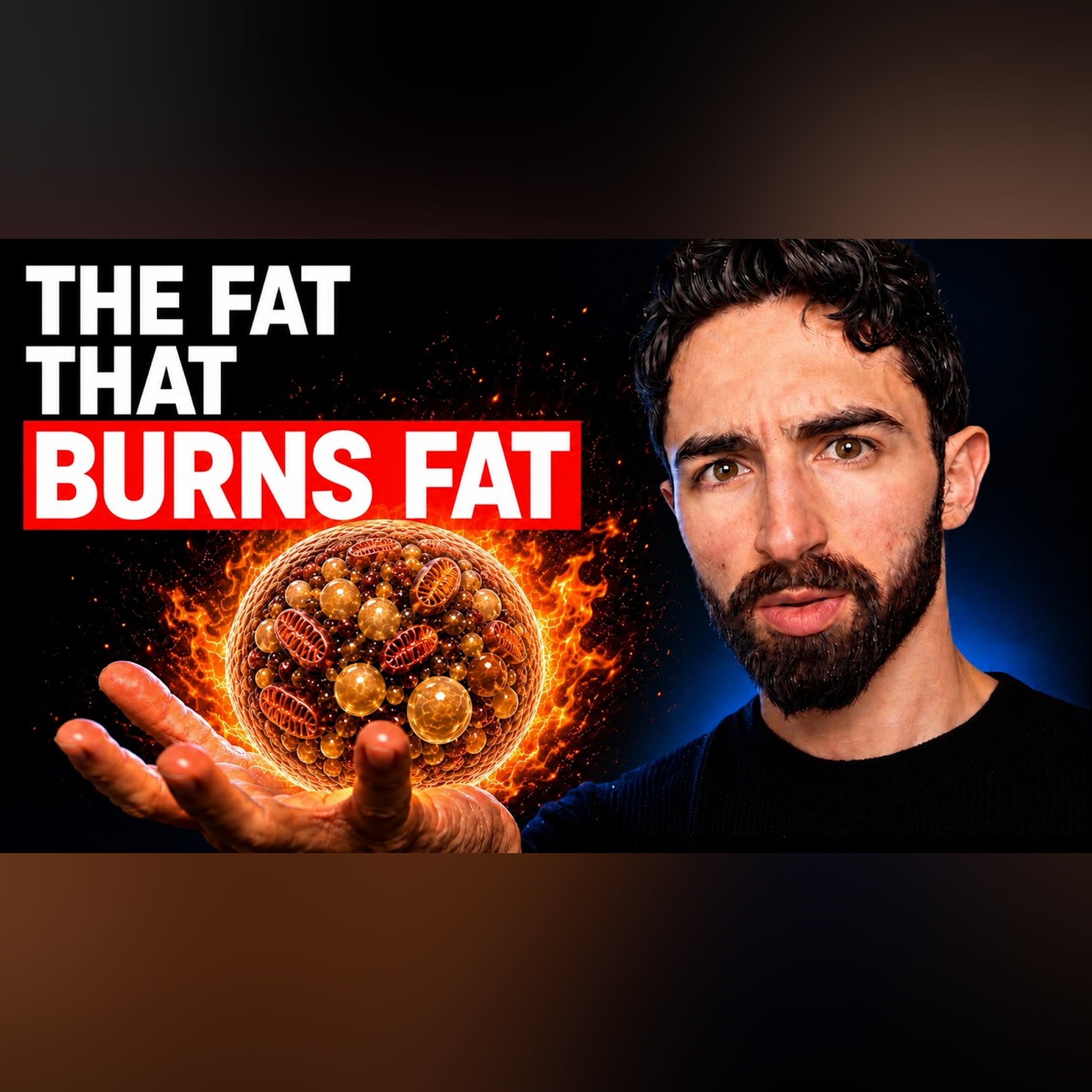
For a written breakdown, early access to content like this, and extra nuances, see the associated StayCurious Metabolism newsletter: https://open.substack.com/pub/staycuriousmetabolism/p/are-we-close-to-unlocking-the-secret?r=40ekz2&utm_campaign=post&utm_medium=web&showWelcomeOnShare=true (https://open.substack.com/pub/staycuriousmetabolism/p/are-we-close-to-unlocking-the-secret?r=40ekz2&showWelcomeOnShare=true) Winnow Microplastic Binding Probiotic: https://www.winnowlabs.com/STAYCURIOUS25 Microplastics Heart Health, Letter https://staycuriousmetabolism.substack.com/p/microplastics-in-my-heart-its-worse?r=40ekz2 Microplastics Brain Health, Letter: https://staycuriousmetabolism.substack.com/p/this-graph-changed-how-i-think-about?r=40ekz2 Nattokinase Video: https://youtu.be/LGQO227_Mto Description: What if you could burn hundreds of extra calories per day, without changing your exercise routine or activity? It sounds impossible. But controlled human trials suggest that simply lowering p
A rule should not be introduced unless it can be enforced fairly.
Share your view, then see how readers voted. No sign-in required. This poll is shared across stories.
Do you agree or disagree?
Common Quandary
A Common Quandary to discuss
Another conversation to explore, separate from this news story.
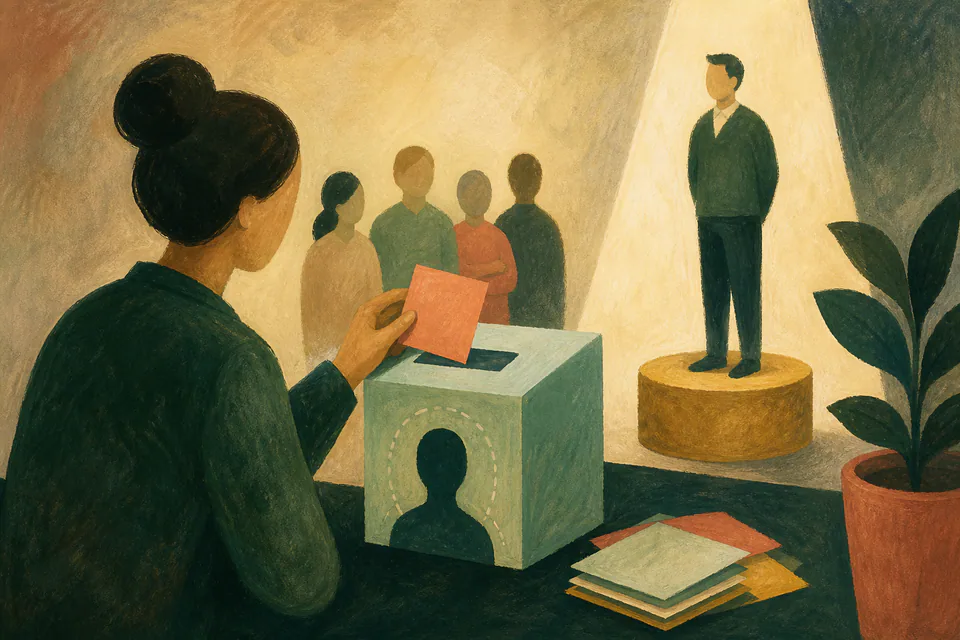
Your anonymous review could cost a coworker a promotion. Do you sign your name?
A company requests anonymous feedback about a colleague being considered for promotion. You have serious concerns based on direct experience, but anonymity prevents them from asking questions or understanding the context of your criticism.
Does honest criticism require accepting personal accountability for it?