Listen through the publisher, then discuss the episode here or arrange an in-person Roundtable. Your city determines where to meet.
Roundtables are designed for groups of four, with a shared subject and room for everyone to speak. Come for discussion, with no dating expectation.
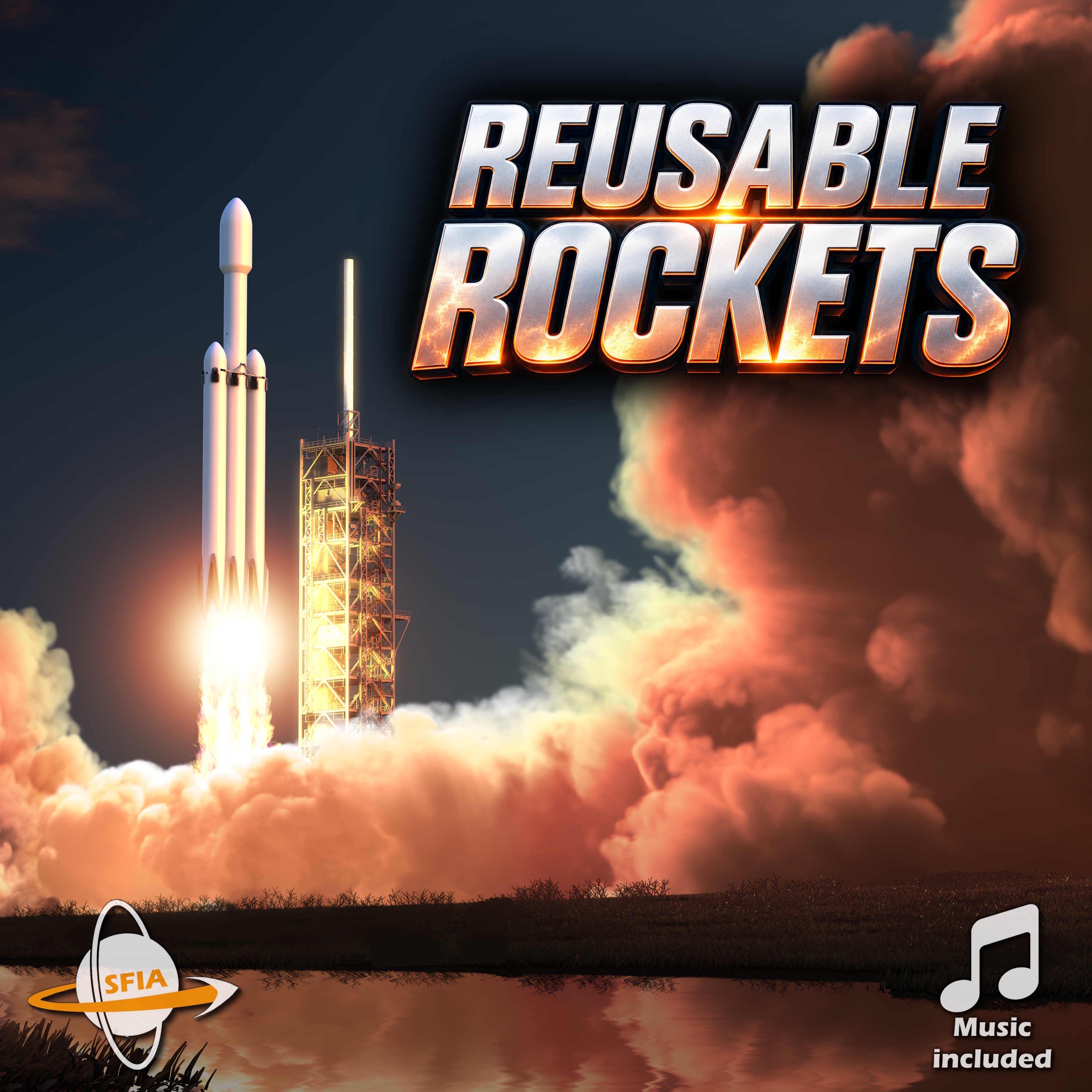
Landing a rocket is impressive. Making it cheap and reliable enough to fly again and again is what could open the Solar System. Explore Future, the new Cell to Singularity expansion developed with scientific input from Isaac Arthur: https://celltosingularity.onelink.me/SHqQ/chszz8o5 SFIA Merchandise: https://isaac-arthur-shop.fourthwall.com/ ️ Support us on Patreon: https://www.patreon.com/IsaacArthur Reddit Community: https://www.reddit.com/r/IsaacArthur/ Follow on Twitter / X: https://twitter.com/Isaac_A_Arthur SFIA Discord Server: https://discord.gg/53GAShE Credits: Reusable Rockets: The Gateway to Space Written, Produced & Narrated by: Isaac Arthur Music by Epidemic Sound: http://nebula.tv/epidemic Select imagery/video supplied by Getty Images Chapters 0:00 Intro - The Rocket in the Museum 2:54 The Cost of Throwing Rockets Away 5:12 The Price of Coming Home 7:51 Atlantis and the First Reusable Age 13:31 The Rocket Comes Home 17:02 Catching a Skyscraper 20:57 The Hard Half of Reusability 23:36 From Landing to Daily Launch 28:36 Reuse Needs Traffic 31:36 The Gateway to Space
Episode information is provided by the publisher. Listening takes place on the publisher’s service.
Check out PIA's special Black Friday deal for Space Time fans https://www.piavpn.com/SpaceTime PBS Member Stations rely on viewers like you. To support your local station, go to:http://to.pbs.org/DonateSPACE Sign Up on Patreon to get access to the Space Time Discord! Neutrinos are one of the most bizarre of known particles. Black holes are probably the most bizarre of astrophysical objects. Makes sense we should use one to study the other, no? Well, today we’re doing just that. Special Thanks to: Science Communication Lab for DESY for use of their image in the thumbnail. Check out: https://www.scicom-lab.com/ to see more amazing images. Check out the Space Time Merch Store Search the Entire Space Time Library Here: https://search.pbsspacetime.com/ Hosted by Matt O'Dowd Written by Matt O'Dowd Post Production by Leonardo Scholzer, Yago Ballarini, Pedro Osinski, Caique Oliveira, Adriano Leal & Stephanie Faria Directed by Andrew Kornhaber Associate Producer: Bahar Gholipour Executive Produ
Puzzle through this classic ethical dilemma and decide: is community safety more important than individual privacy? -- Your government has introduced a plan to address record-breaking rates of traffic tickets and deadly hovercar accidents. They propose assigning “driver credit scores” to every citizen, but would need to install cameras and microphones in every vehicle. While it would make the roads safer, is this undeniable benefit worth the cost to drivers’ privacy? Michael Vazquez and Sarah Stroud investigate. Lesson by Michael Vazquez and Sarah Stroud, directed by Jeff Le Bars, JetPropulsion.space. This video made possible in collaboration with the Parr Center for Ethics Learn more about how TED-Ed partnerships work: https://bit.ly/TEDEdPartner Support Our Non-Profit Mission ---------------------------------------------- Support us on Patreon: http://bit.ly/TEDEdPatreon Check out our merch: http://bit.ly/TEDEDShop ---------------------------------------------- Connect With Us ------
This holiday season, inspire the next generation of thinkers with KiwiCo! In this week's episode, David is joined by Jacob Haqq-Misra (https://www.haqqmisra.net), Senior Research Investigator and Co-Founder of Blue Marble Space (https://www.bluemarblespace.org). Check out Jacob's UAP software at https://mcdonald.bluemarblespace.org (https://mcdonald.bluemarblespace.org/) To support this podcast and our research lab, head to https://coolworldslab.com/support REFERENCES - Haqq-Misra et al. (2022): “Detectability of Chlorofluorocarbons in the Atmospheres of Habitable M-dwarf Planets” - Kopparapu et al. (2021): “Nitrogen Dioxide Pollution as a Signature of Extraterrestrial Technology” - Haqq-Misra et al. (2022): “Disruption of a Planetary Nitrogen Cycle as Evidence of Extraterrestrial Agriculture” - Loeb & Turner (2012): “Detection Technique for Artificially-Illuminated Objects in the Outer Solar System and Beyond” - Crawford & Schulze-Makuch (2024): “Is the apparent absence of extraterres
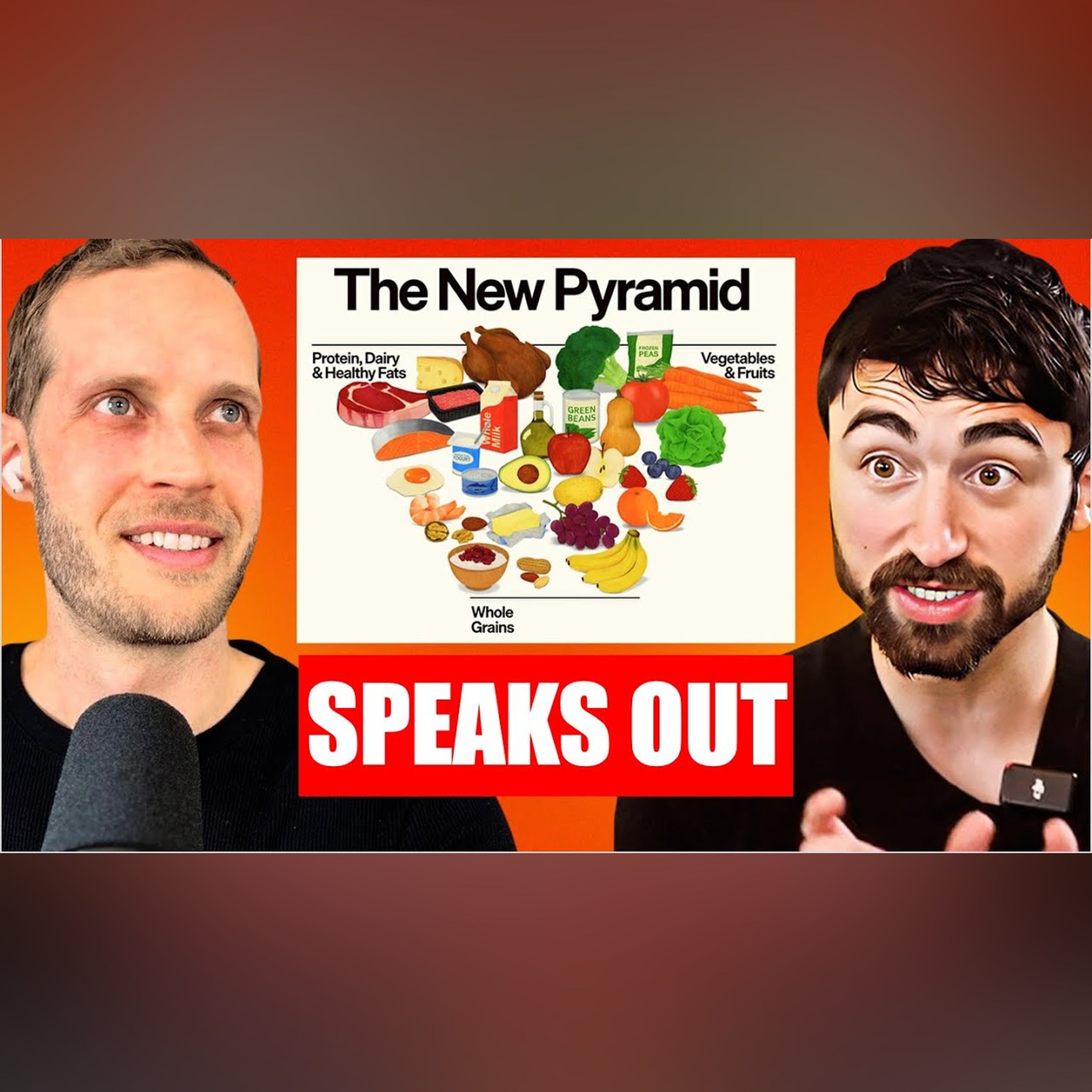
For a written digest on the guidelines, see the StayCurious Metabolism Letter: https://staycuriousmetabolism.substack.com/p/the-new-dietary-guidelines-actually?r=40ekz2 The 2025–2030 Dietary Guidelines are being marketed as a major reset with a simple message: put “real food” back at the center of the American diet. And in a lot of ways, they do represent progress. But when you actually read what’s written, some of the most important details raise real questions. For example, the document still states that saturated fat should not exceed 10% of total daily calories. To separate signal from spin, I’m joined by Dr. Ty Beal PhD, who worked on the evidence review side of the Guidelines process, to explain what the scientific background documents actually say, what happens after scientists submit reviews, and why the final public-facing document can end up with compromises, inconsistencies, or imprecise terminology. If you want a clear, good-faith breakdown—what’s genuinely better, what sti
Explore how the Hubble Space Telescope reveals the Universe, from iconic images to major discoveries, and how it complements the James Webb Space Telescope. "ASTROMAN: the Dark Sky Guardian" is a podcast channel that aims to explore popular science in multiple disciplines and research on interdisciplinary approaches, such as sustainability, dark-sky protection, astrophotography, space exploration, astronomy innovation, inclusive science communication, and STEAM Education by integrating science and arts. Exodus Chun-Long Sit, also known as the ASTROMAN, is a transmedia astronomy educator, popular science author, STEAM educator, and science communicator in Hong Kong. He is recently the National Astronomy Education Coordinator (Chair of Hong Kong, China) of the International Astronomical Union and President of Starrix. He was also an International Committee Member of the Dark Sky International, regularly organizing public lectures at the Hong Kong Space Museum and the Hong Kong Science Mu
This new tech is changing how movies get made. So @mkbhd and I tested it out... Watch MKBHD's video: https://youtu.be/RM7SobH8ZO0 I’ve been obsessed with sci-fi movies since I was a kid. I love being transported to another world. But lately, I’ve been wondering: How do those worlds look so… REAL? The tech behind movies has exploded in complexity and realism, changing how stories come to life on screen. Luckily, at the same time, those tools are becoming more and more available to more people telling stories. It’s not just blockbusters like Avatar 2 or Avengers or Dune. It’s also smaller budget films like Everything Everywhere All at Once or even… YouTube creators? In this video, Marques Brownlee and I test out 3 movie-making tools that are changing how movies, shows, and maybe even YouTube videos (??) get made. We’re at ZeroSpace Studios in New York to show you how each of these crazy technologies work - and how you might be able to use them. Along the way, we hit big questions like: W
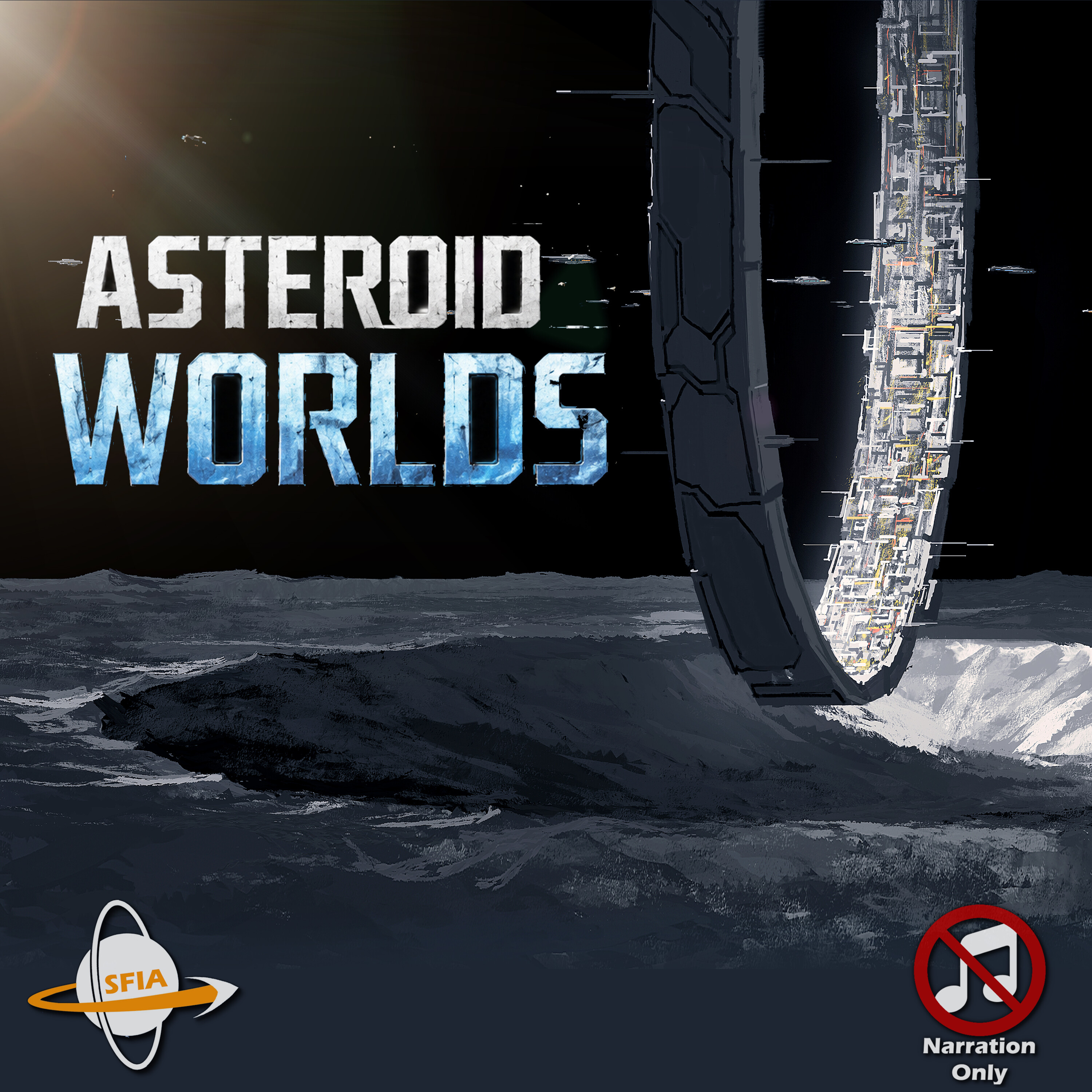
What if humanity's first terraformed worlds aren't planets at all? Discover how tiny asteroids could become vast habitats, thriving ecosystems, and entire civilizations built among the stars. Checkout Self-Replicating Spacecraft and our Space Industry Collection: https://nebula.tv/isaacarthur/space-industry-collection SFIA Merchandise: https://isaac-arthur-shop.fourthwall.com/ ️ Support us on Patreon: https://www.patreon.com/IsaacArthur Reddit Community: https://www.reddit.com/r/IsaacArthur/ Follow on Twitter / X: https://twitter.com/Isaac_A_Arthur SFIA Discord Server: https://discord.gg/53GAShE Credits: Terraforming the Asteroids Turning Rubble into Worlds Written, Produced & Narrated by: Isaac Arthur Graphics from: Fishy Tree, Ken York, Sergio Botero, Jeremy Jozwik, and Bryan Versteeg Music by Epidemic Sound: http://nebula.tv/epidemic Select imagery/video supplied by Getty Images Chapters 0:00 Intro 3:59 The Raw Material of Worlds 9:46 Engineering a Micro-World 22:11 Space Industry 2
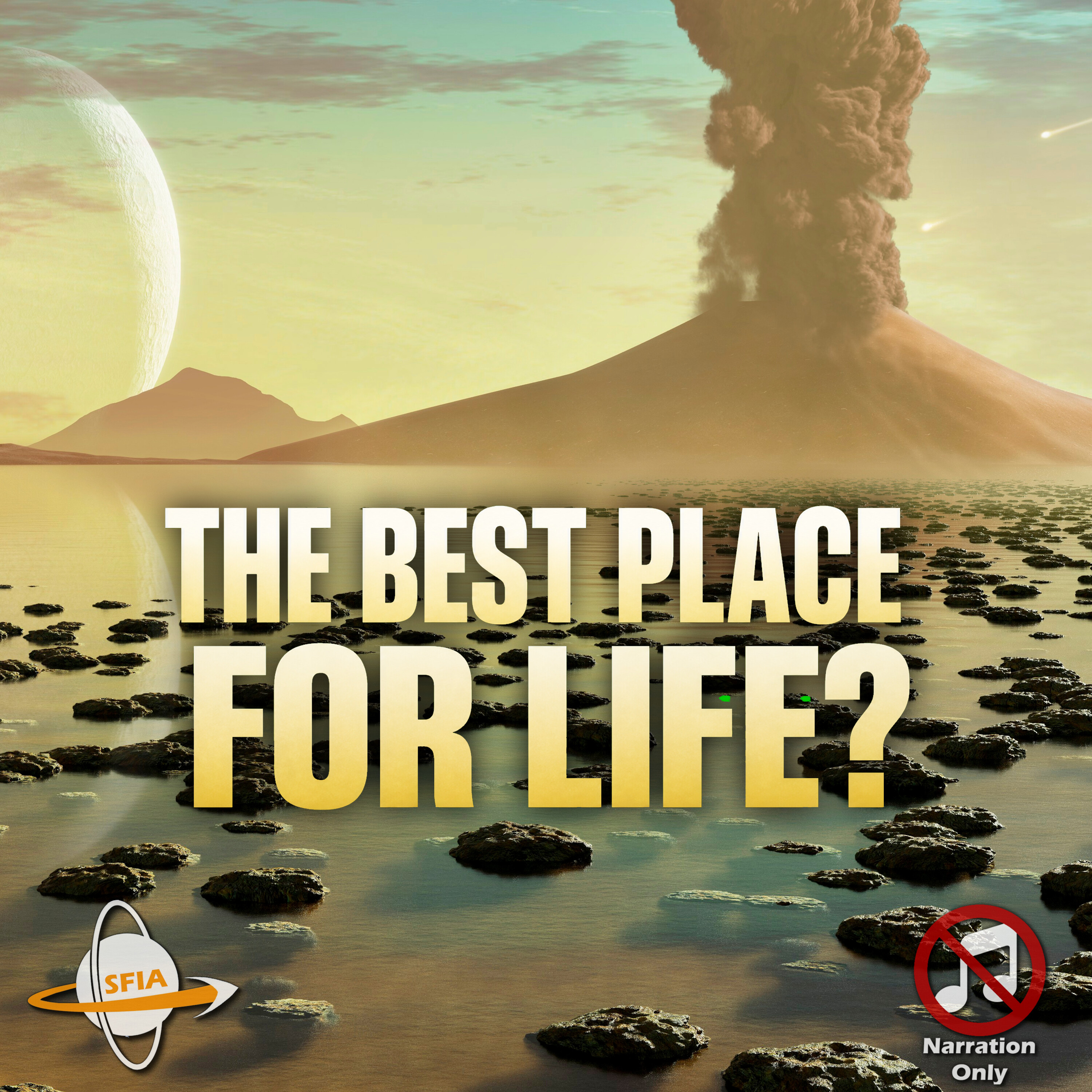
Earth may not be the Universe’s best home for life. We compare archipelago worlds, waterworlds, ocean moons, red dwarfs, rogue planets, and more to ask where life is most likely to begin, flourish, and become intelligent. Checkout Gods & Monsters: https://nebula.tv/curiousarchive/gods-and-monsters?ref=isaacarthur SFIA Merchandise: https://isaac-arthur-shop.fourthwall.com/ ️ Support us on Patreon: https://www.patreon.com/IsaacArthur Reddit Community: https://www.reddit.com/r/IsaacArthur/ Follow on Twitter / X: https://twitter.com/Isaac_A_Arthur SFIA Discord Server: https://discord.gg/53GAShE Credits: Where in the Universe Is Life Most Likely? Written, Produced & Narrated by: Isaac Arthur Music by Epidemic Sound: http://nebula.tv/epidemic Select imagery/video supplied by Getty Images
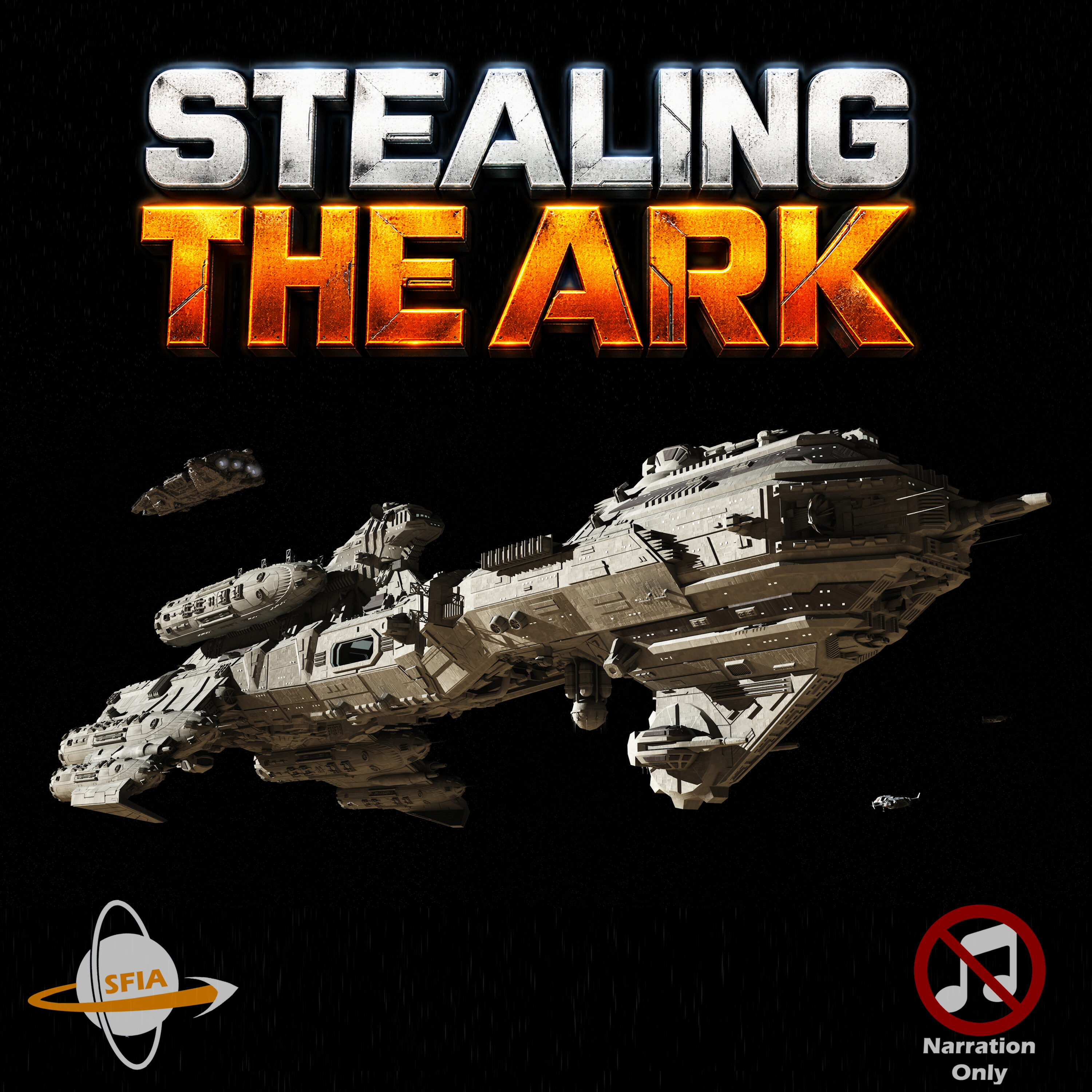
Could pirates hijack a generation ship? We explore how colony ships might be tracked, infiltrated, seized, defended, or stolen outright. And why the most valuable spacecraft in history could become the ultimate target. Unsealed: https://nebula.tv/mustard/unsealed?ref=isaacarthur SFIA Merchandise: https://isaac-arthur-shop.fourthwall.com/ ️ Support us on Patreon: https://www.patreon.com/IsaacArthur Reddit Community: https://www.reddit.com/r/IsaacArthur/ Follow on Twitter / X: https://twitter.com/Isaac_A_Arthur SFIA Discord Server: https://discord.gg/53GAShE Credits: Stealing the Ark: Could Pirates Hijack a Colony Ship? Written, Produced & Narrated by: Isaac Arthur Graphics from: Fishy Tree Music by Epidemic Sound: http://nebula.tv/epidemic and Chris Zabriskie Select imagery/video supplied by Getty Images
Local communities should share directly in the benefits of large energy projects.
Share your view, then see how readers voted. No sign-in required. This poll is shared across stories.
Do you agree or disagree?
Common Quandary
A Common Quandary to discuss
Another conversation to explore, separate from this news story.
Your carry-on fits only if you sit on it. Do you try the airport sizer?
Your suitcase is slightly larger than the airline allows, although it has fit overhead on previous flights. Checking it costs extra and risks missing a connection. Other passengers have equally questionable bags and staff are checking inconsistently.
Does uneven enforcement weaken a traveler's duty to follow the rule?