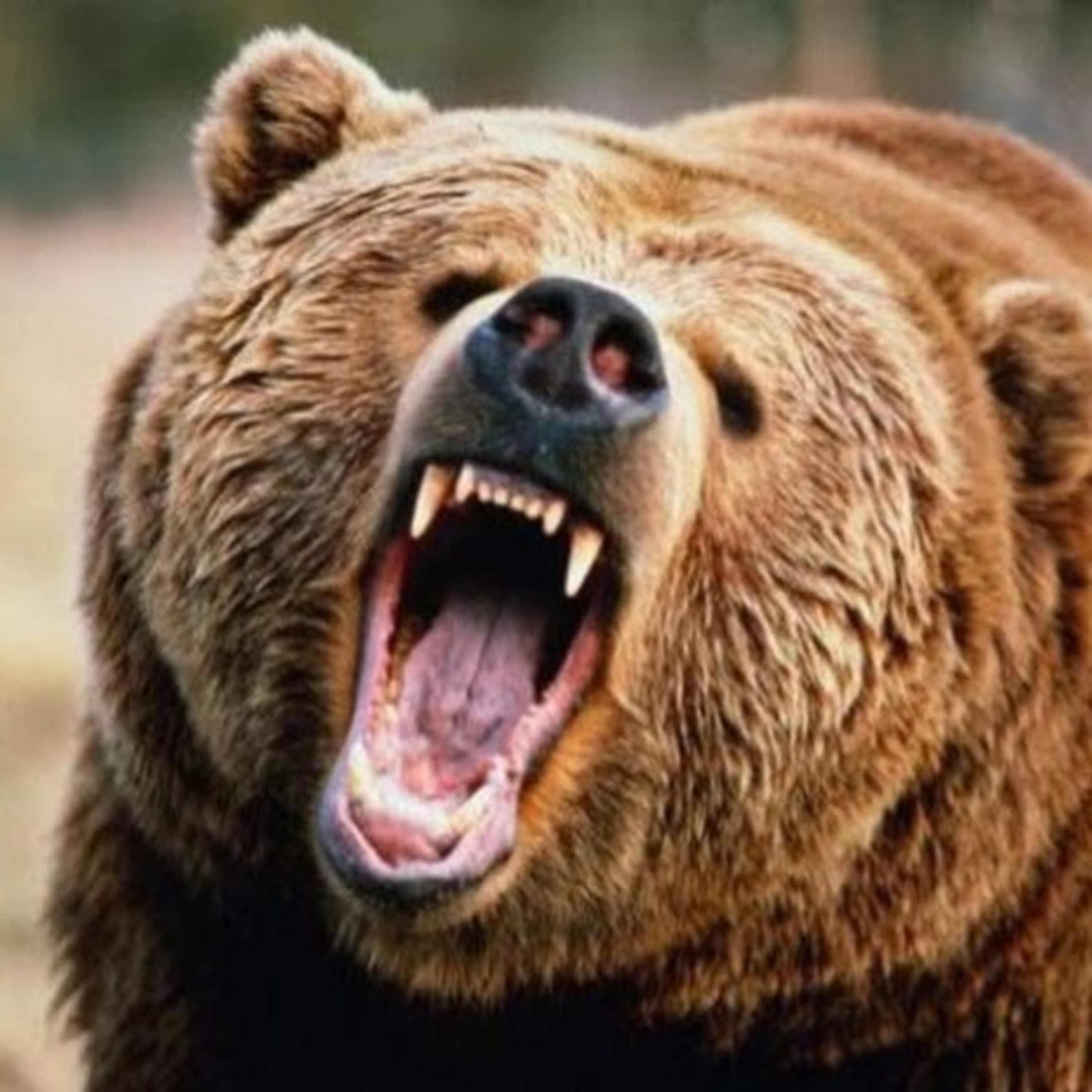
Sound Escape 299. Experience the delightful song of the wind through autumn oak leaves
13 min
Listen through the publisher, then discuss the episode here or arrange an in-person Roundtable. Your city determines where to meet.
Roundtables are designed for groups of four, with a shared subject and room for everyone to speak. Come for discussion, with no dating expectation.
You follow a winding lane down a gentle hill, grass and moss growing in the centre of the track. As the lane enters a woodland, the winds picks up, sending autumn shivers through the remaining leaves on the ash and oak trees. BBC Countryfile Magazine's Plodcast Sound Escapes are a weekly audio postcard from the countryside to help you relax and transport you somewhere beautiful, wherever you happen to be. Recorded by Kevin Parr and introduced by Hannah Tribe. Image by Getty Email the Plodcast team – and send your sound recordings of the countryside – to: [email protected]
Episode information is provided by the publisher. Listening takes place on the publisher’s service.
For some reason, it did not stop him.Now I just want to ask you something real quick to put you in the mind of a bear. If you found some of your favorite food just left out and you somehow, like me most of the time, just couldn’t resist the temptation. Bears live and eat by what is detected by their noses, so logically, after eating its fill, a proper expectation would be that the bear would go sleep off a large meal upwind of where its food was cached. The wind carries both scent and sound to the bear as it rests and acts as an alarm to it to defend its cache. The hide was still up in the birch, untouched. He dropped his packboard at the base of the tree and glanced up to see where he would need to climb. Movement in the brush, some three hundred feet away, caught his eye. Two bears, roughly thirty feet apart, moved through the brush. From their color and build, he identified them as grizzlies, also called coastal brown bears.Up to that day, every bear he had met in the wild had chose
Viewers like you help make PBS (Thank you ) . Support your local PBS Member Station here: https://to.pbs.org/DonateSPACE Uploaded 21-02-18 What exactly will happen when the sun dies? You can further support us on Patreon at https://www.patreon.com/pbsspacetime Get your own Space Time tshirt at http://bit.ly/1QlzoBi Tweet at us! @pbsspacetime Facebook: facebook.com/pbsspacetime Email us! pbsspacetime [at] gmail [dot] com Comment on Reddit: http://www.reddit.com/r/pbsspacetime Help translate our videos! Previous Episode: What is Energy? https://www.youtube.com/watch?v=PUn2izowBkw&t=25s (https://www.youtube.com/watch?t=25s&v=PUn2izowBkw) Like living things, stars have a life cycle. They’re born inside of a cloud of gas and dust, they live their lives fusing hydrogen into helium in their cores, shining bright and stable for as long as that hydrogen lasts. Then they die, each going out in its own beautiful way. How a star dies depends on its mass. The bigger they are, the shorter their liv
Meet Sun Wukong, the Monkey King, and follow his journey to the Realm of the Dead and his fierce battle to escape the underworld. Uploaded 07-04-20 -- The Monkey King, a legendary troublemaker hatched from stone and schooled in divine magic, had stolen the Dragon Lord’s most treasured weapon: a magical staff. Returning to his kingdom to show off his treasure to his tribe of warrior monkeys, he finds himself caught in the clutches of two soul collectors, dragging him to his death. Shunan Teng details the Monkey King’s journey to the underworld. Lesson by Shunan Teng, directed by Yijia Cao and Mohammad Babakoohi. Sign up for our newsletter: http://bit.ly/TEDEdNewsletter Support us on Patreon: http://bit.ly/TEDEdPatreon Find us on Twitter: http://bit.ly/TEDEdTwitter Peep us on Instagram: http://bit.ly/TEDEdInstagram View full lesson: https://ed.ted.com/lessons/how-the-mo... Thank you so much to our patrons for your support! Without you this video would not be possible! Hugo Legorreta, Zhe
These are more than cars. They’re science experiments. If you enjoy this episode, subscribe to support more optimistic stories about tech! I love Formula 1. This isn’t just a car race, it’s a massive group science competition. Ten teams are all fighting to be first, and on every team there are hundreds of people, spending millions of dollars, all working together to push technology to its limit. In this video, we’re gonna show you what it takes to build and drive some of the fastest and most expensive cars in the world. We’ll give you rare access into a factory in England where they build these cars and into a garage in Bahrain where they race them. This is Formula 1 cars, explained! One note because it’s important to me you never be confused about what is paid for and what isn’t: Oracle comped my flights, but didn’t have any say in the editorial and didn’t see the episode before it went live. The Red Bull F1 Team did not pay me, had no say in the editorial, and didn’t see the episode
THE SEARCH FOR THE ULTIMATE RED LIGHT THERAPY IS OVER! After decades of exploring wellness technologies, Michael Jaco sits down with Rob Rene, founder of Exodus Strong, to explore the Red Light+ Total Body Reset system, the science behind red and near-infrared light, and why this technology has become such an important part of their wellness conversation. Rob's remarkable personal journey—including surviving five near-death experiences—inspired his mission to develop practical wellness tools that people can incorporate into their everyday lives. Discover the full-body Red Light+ Mat, designed for convenient 20-minute sessions, and the portable Red Light+ Wand, created for targeted use on areas such as the knees, shoulders, hands, and lower back. Michael and Rob discuss the technology, personal experiences, and how red light therapy may support a daily wellness routine. BLACK FRIDAY–CYBER MONDAY LISTENER EXCLUSIVE! This is your opportunity to explore Exodus Strong's special holiday offe
For the references, deeper nuances, and additional content the StayCurious Metabolism letter: https://staycuriousmetabolism.substack.com/p/can-visceral-fat-cause-depression?r=40ekz2 Hidden in this letter is a secret — a scientific breakthrough more than 75 years in the making. By the end of this video, I’ll show you exactly what’s inside it. But before we get there, understand this: I mean it literally. Scientists have just discovered that fat cells send secret letters to the brain — and the messages encoded inside them control your hunger, your energy, your metabolism, and potentially the root cause of obesity itself. These letters determine whether your brain feels satisfied and energized… or hungry, sluggish, and metabolically broken. Here’s the shocking part: if your biology writes the right message, you stay lean and healthy almost effortlessly. If it writes the wrong one, your brain goes blind to satiety, your metabolism slows, and your body enters a hormonal state that drives we
To celebrate the 300th Sound Escape by BBC Countryfile Magazine's Plodcast, prepare for something very special. This week, Sound Escape host Hannah Tribe reads passages from one of her favourite books: The Old Ways by Robert Macfarlane. She is joined in the readings by regular Plodcaster Fergus Collins. We'd like to thank Robert Macfarlane for his kind permission to reuse his work here. The Old Ways: A Journey on Foot is published by Penguin BBC Countryfile Magazine's Plodcast Sound Escapes are a weekly audio postcard from the countryside to help you relax and transport you somewhere beautiful, wherever you happen to be. Recorded by Kevin Parr and introduced by Hannah Tribe. Image by Getty Email the Plodcast team – and send your sound recordings of the countryside – to: [email protected]
The Plodcast heads to Dartmoor to meet storyteller Lisa Schneidau for a wander in enchanted Yarner Wood. Lisa's new book Tree Folk explores old tales of trees woven into Britain and Ireland's folklore and, along the way, she tells some of these magical stories to this week's Plodcast host Annabel Ross. Lisa's book Tree Folk: Tree Folk Tales, Songs and Lore from Britain and Ireland is published by The History Press. Get in touch on Facebook! Search "BBC Countryfile Magazine - Plodcast Community" or join the discussion here: https://www.facebook.com/groups/countryfilemagazineplodcast/?ref=share The BBC Countryfile Magazine Plodcast is the Publishers Podcast Awards Special Interest Podcast of the Year 2024 & 2025 and the PPA Podcast of the Year 2022. If you've enjoyed the plodcast, don't forget to leave likes and positive reviews. Contact the Plodcast team and send your sound recordings of the countryside to: [email protected]. If your letter, email or message is read out on the
As we pay our respects to the fallen on Remembrance Day (11 November), the Plodcast recalls a special visit to Brookwood Military Cemetery in Surrey earlier in the summer to witness a new type of war memorial that truly embraces nature and landscape. Plodcast host Fergus Collins met with David Richardson of the Commonwealth War Graves Commission, which looks after the graves of servicemen and women across the world, to learn more about this beautiful project and how it might change the way we tend to our war dead in future. Find out more about the vital and extraordinary work of the Commonwealth War Graves Commission at www.cwgc.org (http://www.cwgc.org/) Get in touch on Facebook! Search "BBC Countryfile Magazine - Plodcast Community" or join the discussion here: https://www.facebook.com/groups/countryfilemagazineplodcast/?ref=share The BBC Countryfile Magazine Plodcast is the Publishers Podcast Awards Special Interest Podcast of the Year 2024 & 2025 and the PPA Podcast of the Year 202
Synthetic images and videos should carry clear labels when presented as real events.
Share your view, then see how readers voted. No sign-in required. This poll is shared across stories.
Do you agree or disagree?
Common Quandary
A Common Quandary to discuss
Another conversation to explore, separate from this news story.
Someone you love asks, “Do you think I’ll be okay?” What if you do not?
A relative with a poor prognosis asks whether you think they will recover. They seem to need reassurance, but you believe the odds are very low and do not want to spend the remaining time pretending.
Can preserving hope justify saying more than you believe?