Starts With A Bang #135 - The imperfect world of pulsars
Listen through the publisher, then discuss the episode here or arrange an in-person Roundtable. Your city determines where to meet.
Roundtables are designed for groups of four, with a shared subject and room for everyone to speak. Come for discussion, with no dating expectation.
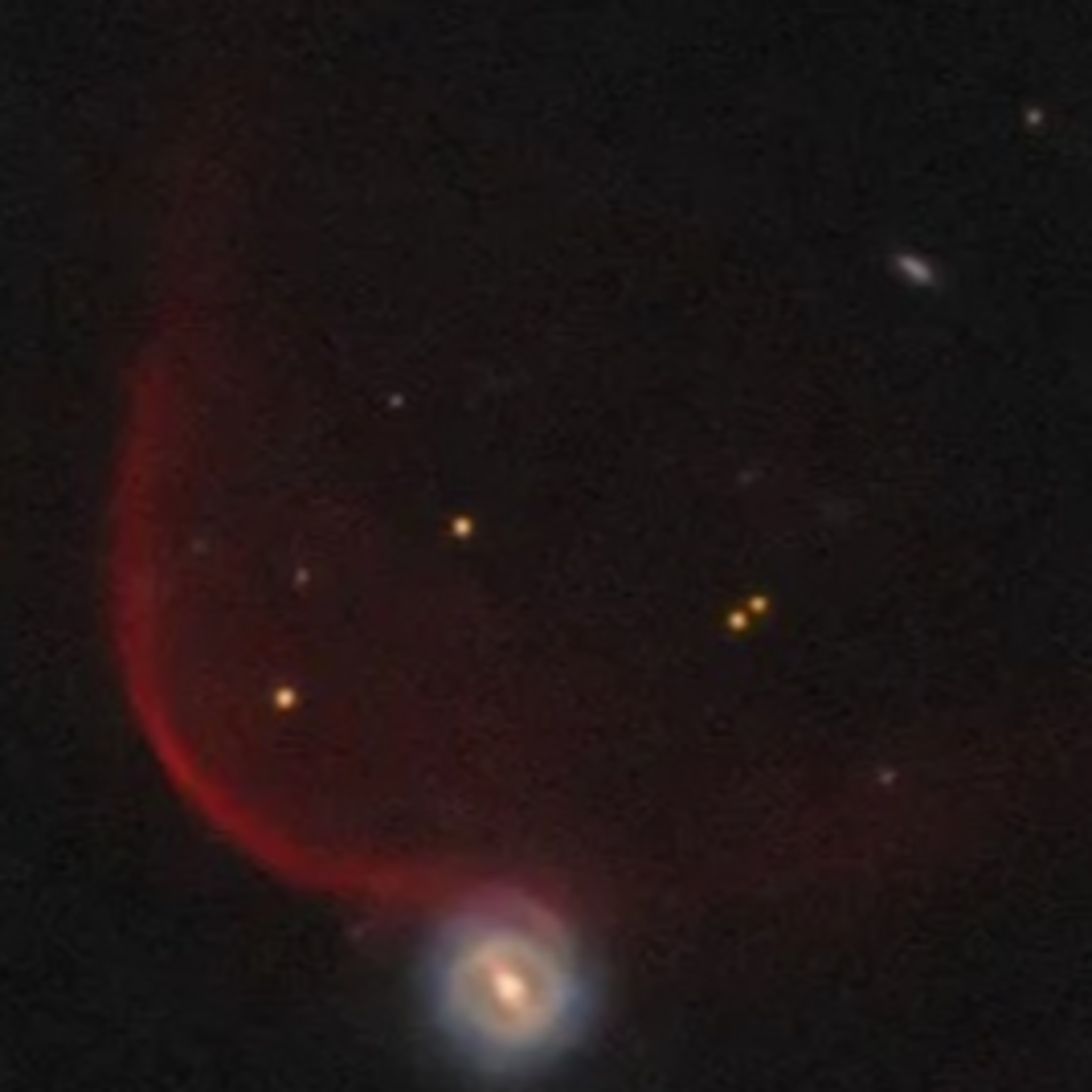
Here in the Universe, there are a few things that are as close-to-perfect as can be. The Sun, for instance is the roundest object in the Universe, but other stars are rounder, with white dwarfs and neutron stars exhibiting even more perfectly roundness. Meanwhile, in terms of keeping time, we might think of the spinning Earth as a wonderful clock — after all, we base our calendar off of it — but the Earth spins down over time and changes its distance from the Sun: both factors that lead to it being rather imperfect as a timekeeper, especially over the long run. For keeping time, it turns out that the best natural clocks in the Universe are millisecond pulsars. It's possible to look at a millisecond pulsar, measure its timing, and then look away for extremely long periods of time, like perhaps a year, and then when you return to it, know whether a billion pulses have elapsed or a billion-and-one pulses have elapsed. It's fascinating how these objects come to be, as well as how regularly they pulse, but recently an unexpected instability has been discovered within them: pulse profile changes, where the amount of energy and when its released during each pulse can change from one interval to the next. The co-discoverer of pulse profile changes in millisecond pulsar J0437-4715 (https://bigthink.com/starts-with-a-bang/most-accurate-clock-unexpected-instability/), PhD candidate Rami Mandow of Macquarie University joins us as our guest for this all-new edition of the Starts With A Bang podcast. If you've ever wondered what millisecond pulsars are, where they come from, how they evolve, and what makes them the best cosmic clocks of all, you're not alone. But if you've ever wondered about just how imperfect and unstable they are, welcome to the frontiers of astrophysics, where we're just discovering a slightly less-perfect Universe than we ever realized we were inhabiting before! (This image shows a mix of optical and infrared light from the field of view surrounding the pulsing neutron star J0437-4715. Although the pulsar itself is not visible, the bow shock from its generated magnetic field and the consequently shaped interstellar material glows brightly. This pulsar is the brightest one in the radio as seen from Earth, and has just been discovered to have undergone two pulse profile changes recently: once thought a rarity for millisecond pulsars. Credit (https://www.aapod2.com/blog/pulsar-j0437-4715-and-its-bow-shock): Adam Block.)
Episode information is provided by the publisher. Listening takes place on the publisher’s service.
Listen at the source ↗