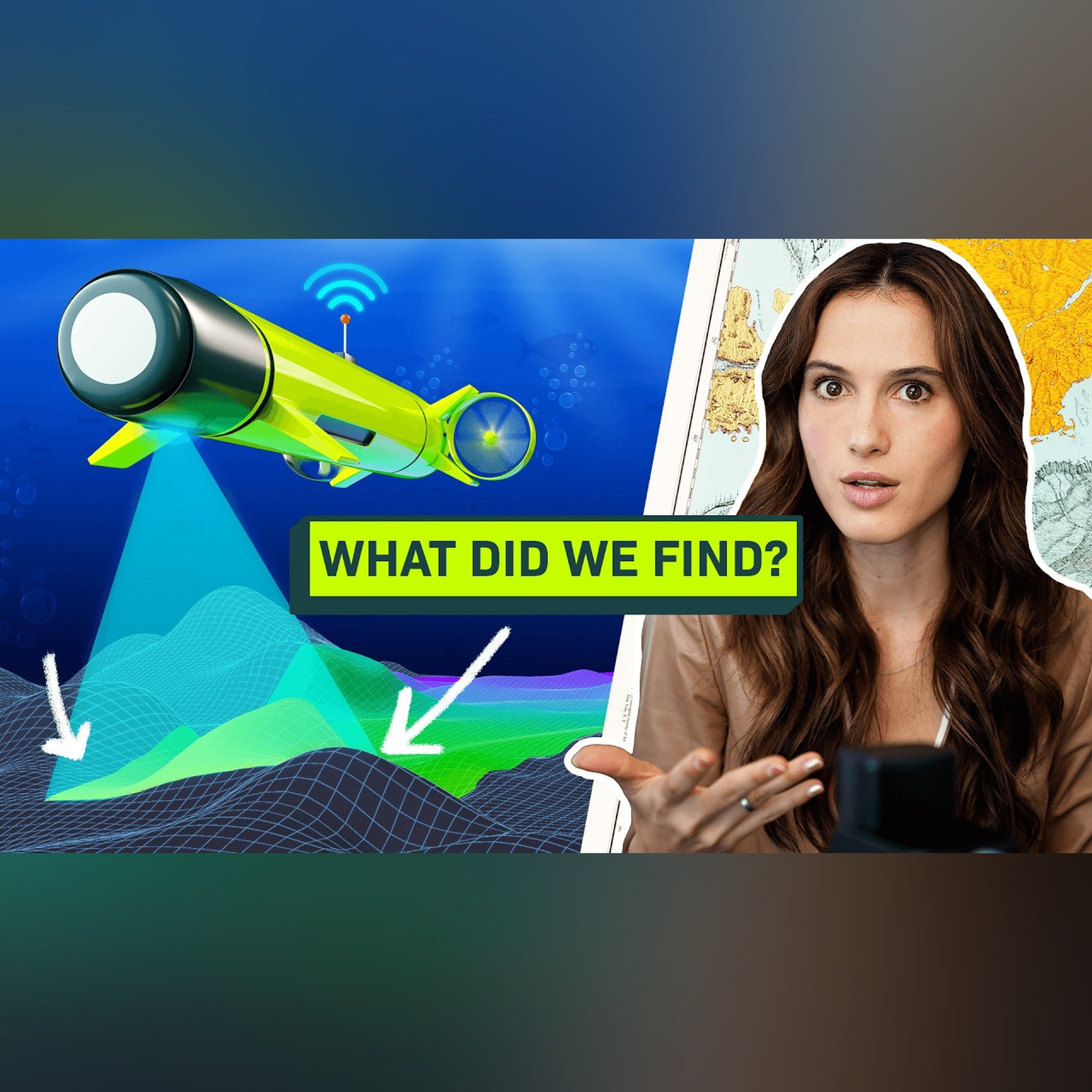
Why deep sea maps are SO BAD (and how to fix it)... Our maps of the ocean are surprisingly bad! On Google Maps it looks like we know so much… but we know less about the ocean floor than we do the surface of Mars. And that’s a big problem, because we are using the ocean all the time: We’re laying internet cables across it, we fight wars in it, we search it during a crisis - like the imploded OceanGate Titan submersible or the missing Malaysia Airlines Flight 370. 71% of the surface of the Earth is water! And yet we have a surprisingly limited view of what’s below it. But that’s also understandable. Because cartographically speaking, water sucks. For Mars or Earth’s surface, we can take pictures. But light doesn’t get to the ocean floor, so we need other ways to see it. The good news is, we’re developing that tech right now, and an international group called Seabed 2030 is working to piece together a better map. There is a terrifying, incredible, alien world on our own planet, and we’re
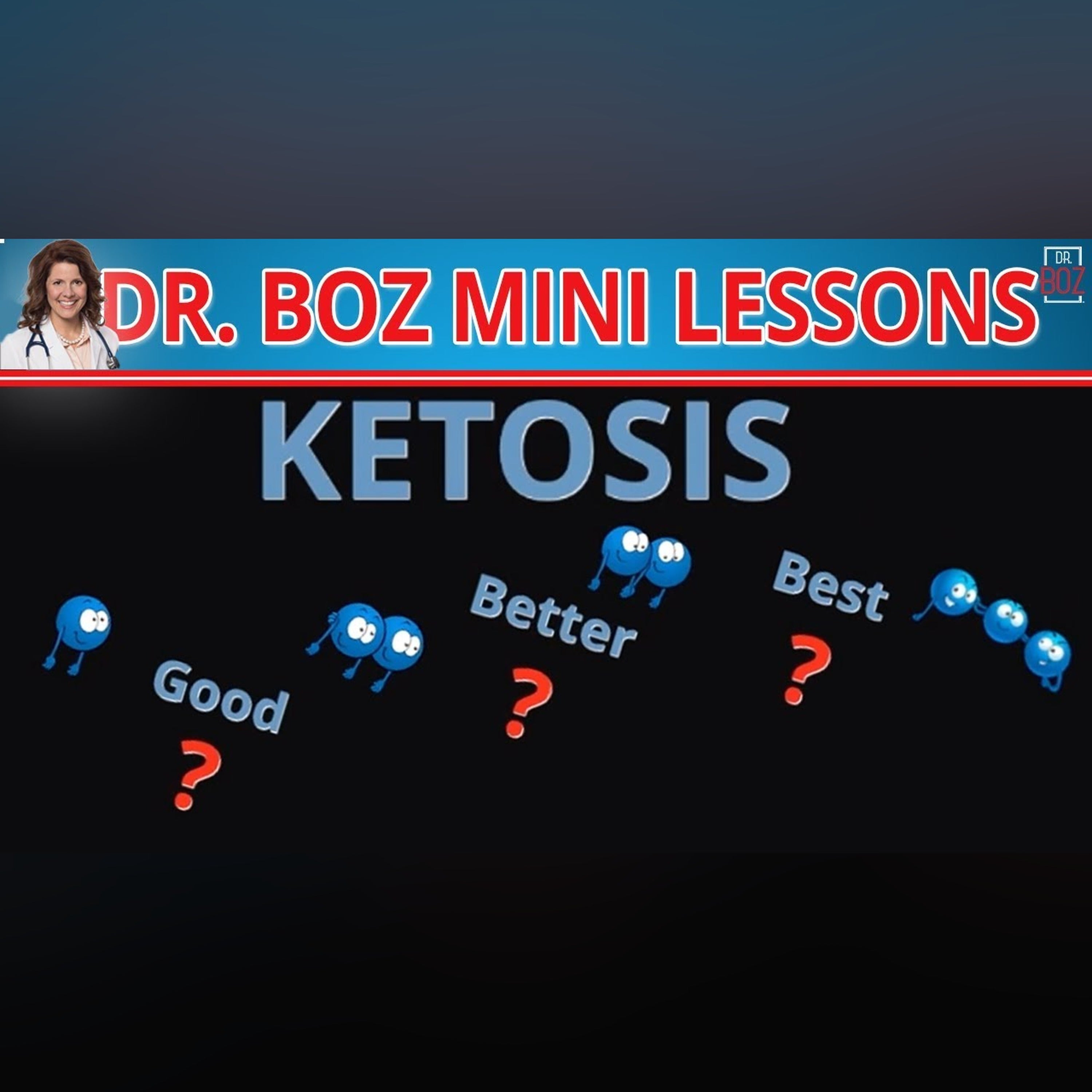
In this video I breakdown 3 ways to Get In Ketosis. Good, Better, Best! There are multiple ways to Get in Ketosis. Some good, some better, but The Best Way to Get in Ketosis may be a lot more simple than you would think! Please Like and Share if you enjoyed this MINI Lesson on how to Get in Ketosis! Like and Share if you enjoyed! Learn more about Ketones on my blog: https://bozmd.com/what-is-a-ketone/ Thanks for tuning into my channel. BOOK-LINK - ANYWAY YOU CAN. AUDIBLE: https://adbl.co/2SLLfS1 PAPERBACK= (Affilate link) https://amzn.to/2rf1fPP The most common questions I get ... 1) "Doc, what BLOOD METER do you recommend?" ANSWER: FORACARE: http://bit.ly/2QKGmKG For years my diabetics told me this system was great. I tried several others before I bought this one. I can't count the number of times I have tested my blood only to get an ERROR message from the strip. Grrr. I hate that. FORACARE gets my vote because it is accurate and takes only ONE test strip to get the results. YES!! Fo
After 45, many narcissists develop a darker personality: reverse maturity, the collapsed victim, hermit paranoia, body-based panic about ageing and a joy-eating phase that drains everyone around them. Chapters 00:00 Introduction 01:48 Welcome and Overview 02:21 Cognitive Regression: The Reverse Maturity 04:32 The Collapsed Victim: Shifting Identities 07:35 Hermit Paranoia: Control Through Isolation 10:09 Body-Based Panic: Fighting Mortality 11:59 Joy Eater Phase: Resentment of Others' Happiness 13:32 Conclusion: Finding Your Way Out Is this narcissistic abuse? Watch this episode on YouTube: youtu.be/2zkikzcT2E4 (https://youtu.be/2zkikzcT2E4)
If you're training hard but feeling wiped, eating a restricted diet for your gut, or just never hungry after a tough workout, you might not be getting the protein you need. This episode breaks down how much you really need and how to get it without upsetting your gut. YOU'LL TAKEAWAY: Macronutrients and calories 101, and how restrictive diets throw off your balance How your body digests protein, and why it matters before workouts The many roles of protein, from enzymes and iron storage to post-workout appetite How much protein you need, plus 3 easy low FODMAP ways to boost it — RESOURCES & LINKS MENTIONED: ⤵️ Want high touch coaching support for IBS & fuelling performance? Apply for coaching. (http://gutfitnutrition.com/apply) Free Training: How to Control IBS So You Can Fuel Your Training Without a Lifelong Low FODMAP Diet (https://gutfitnutrition.com/heal-ibs-training-live) Supporting your immune system when you're sick (Ep. 70) (https://open.spotify.com/episode/5bCto0jWLcbC5hQW4hrH6
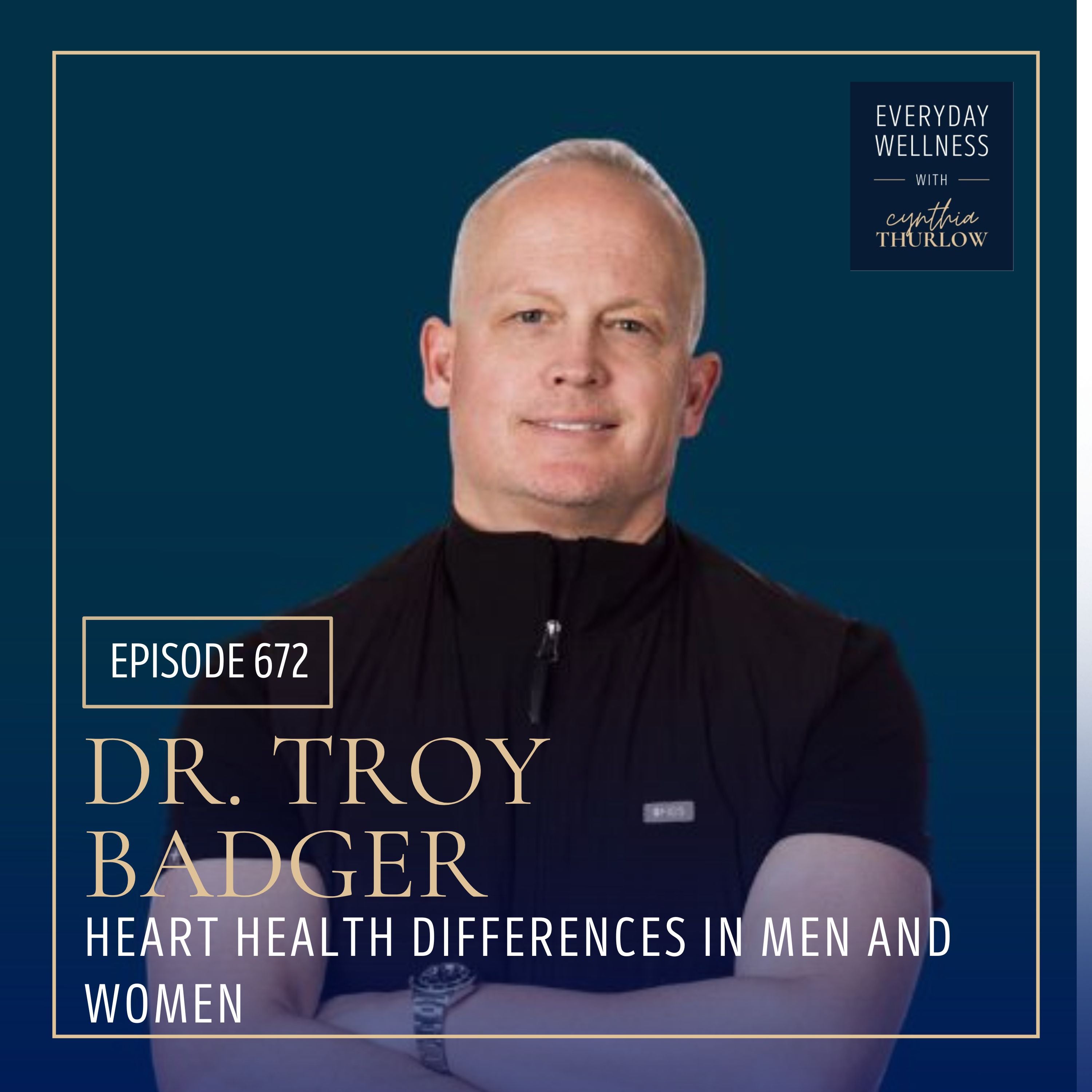
Today, I’m honored to connect with Dr. Troy Badger. He is a board-certified cardiologist and interventionalist and the founder of Cardiostrong, a concierge preventive cardiology clinic in Provo, Utah, focused on reducing cardiovascular risk, optimizing metabolic health, and improving strength and cardiorespiratory fitness for executives and athletes. In today’s conversation, we discuss Dr. Badger’s gender- and age-specific approach to heart health, including treatment differences for men and women, and diagnoses such as INOCA, SCAD, vasospastic disease, and Takotsubo. We examine emotions and their influence on heart health, coronary ischemia and cardiomyopathies, labs and diagnostics, how Dr. Badger assesses risk in his patients, and the differences between a CAC and a CCTA. Dr. Badger also shares the labs he finds essential for all patients and discusses the role of VO2 Max, cardiovascular training, and lifestyle—specifically nutrition, the use of GLP-1 drugs, and a multidisciplinary
Explore how pulling an all-nighter can impact your cognitive function, and find out what happens to your brain when you don't sleep. -- You’re just one history final away from a relaxing spring break. But you still have so much to study! You decide to follow in the footsteps of many students before you, and pull an all-nighter. So, what happens to your brain when you stay up all night? And does cramming like this actually help you prepare for a test? Anna Rothschild explores how a sleepless night impacts your cognitive function. Lesson by Anna Rothschild, directed by Biljana Labović. Animation by Noam Sussman & Ali Kellner, Homework Studio. This video made possible in collaboration with the Bezos Family Foundation Learn more about how TED-Ed partnerships work: https://bit.ly/TEDEdPartner A special thanks to Dr. Mathias Basner, Andrew Fuligni, Adriana Galván, and UCLA Center for the Developing Adolescent who provided information and insights for the development of this video. Support Ou
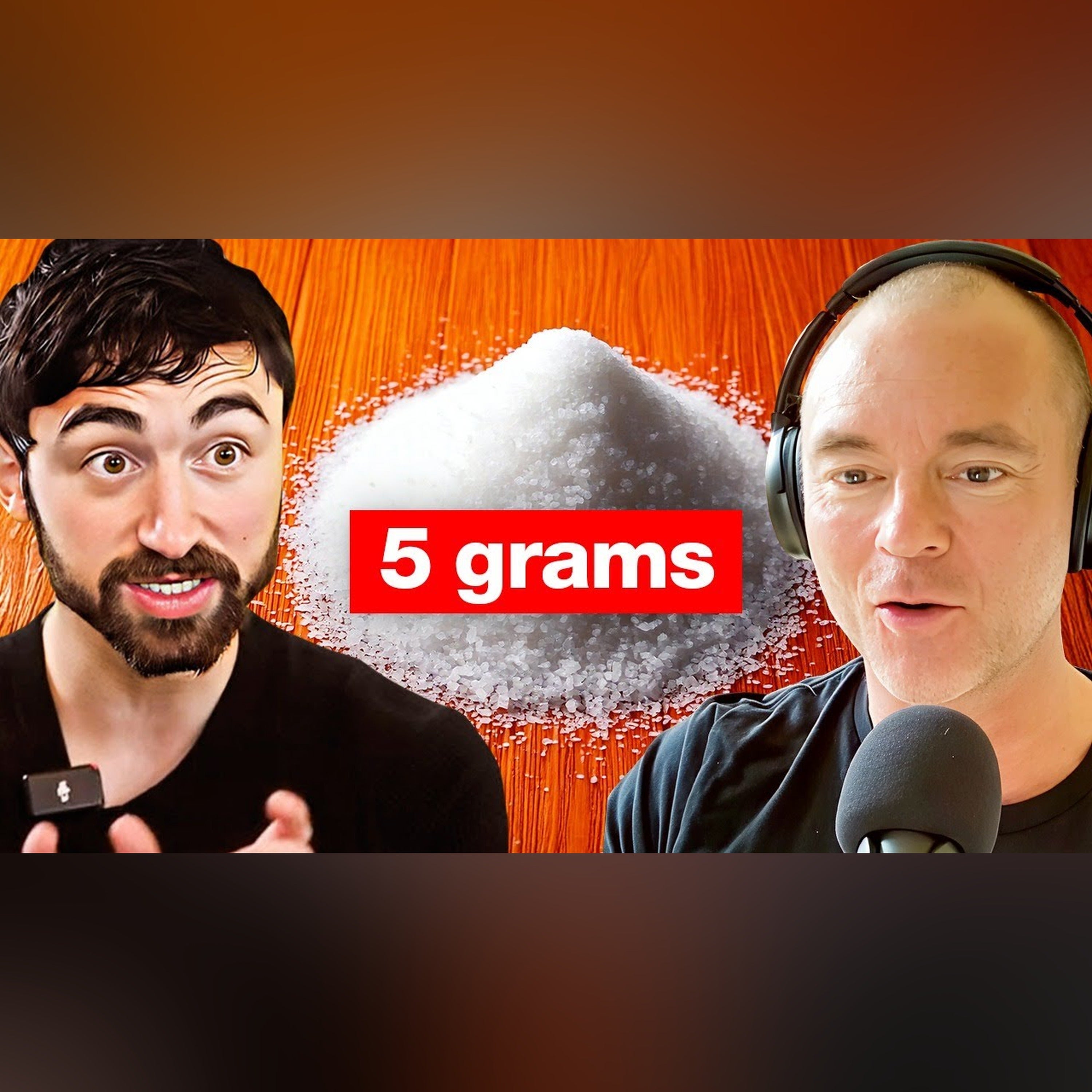
Robb Wolf Interview Part 1: https://youtu.be/Wi-6KttZ54g LMNT “Scandal” Video: https://youtu.be/uI2ewgimH3g Salt, Leptin and Blood Pressure: https://staycuriousmetabolism.substack.com/p/salt-vs-fat-rethinking-the-root-causes?r=40ekz2 Oleuropein and Calcium Signaling: https://youtu.be/ljuimrT2a1s In Part 2 of my conversation with Robb Wolf, we dig into one of the most misunderstood aspects of nutrition and metabolic health: electrolytes. Most people think electrolytes simply matter for athletes or hot summer workouts, but the reality is far more complex. We also get into the science behind sodium, why the old fear of salt never made sense mechanistically, and how obesity and leptin signaling influence salt sensitivity, and more. Chapters 0:00 – Why Electrolytes Matter More Than You Think 3:12 – Low-Carb, Insulin and Hidden Electrolyte Loss 7:38 – How to Know If You’re Sodium Deficient 11:25 – The Truth About Sodium, Obesity and Blood Pressure 21:59 – How Much Sodium You Really Need 29:1
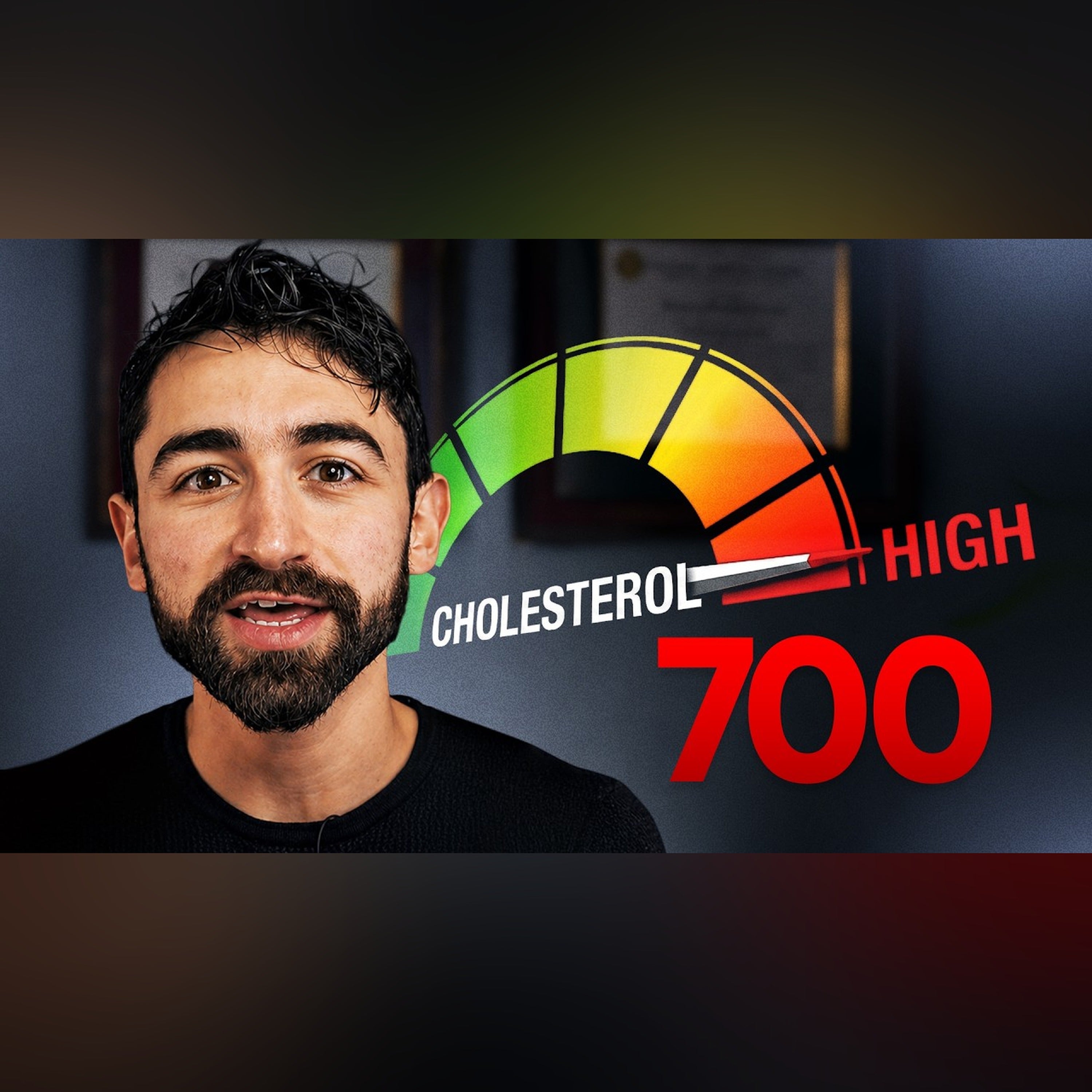
For a written breakdown, more nuances and early access to content, see the associated newsletter: https://open.substack.com/pub/staycuriousmetabolism/p/im-finally-lowering-my-cholesterol?r=40ekz2&utm_campaign=post&utm_medium=web&showWelcomeOnShare=true (https://open.substack.com/pub/staycuriousmetabolism/p/im-finally-lowering-my-cholesterol?r=40ekz2&showWelcomeOnShare=true) Statin RCT Video: https://youtu.be/d9LeDSoYOVc Ezetimibe Video: https://youtu.be/5idzP5ghT7A Bempedoic Acid Letter: https://staycuriousmetabolism.substack.com/p/beyond-cholesterol-the-unfolding?r=40ekz2 Description For the last seven years, despite extremely high cholesterol, I refused cholesterol-lowering medications. But I’ve just changed my mind…sort of. In this video, I walk through the full decision-making process: the risks, the uncertainty, the medical context, and the nuances that made this case unusually complicated. There are three plot twists. This is not medical advice. It’s a detailed look at an unusual
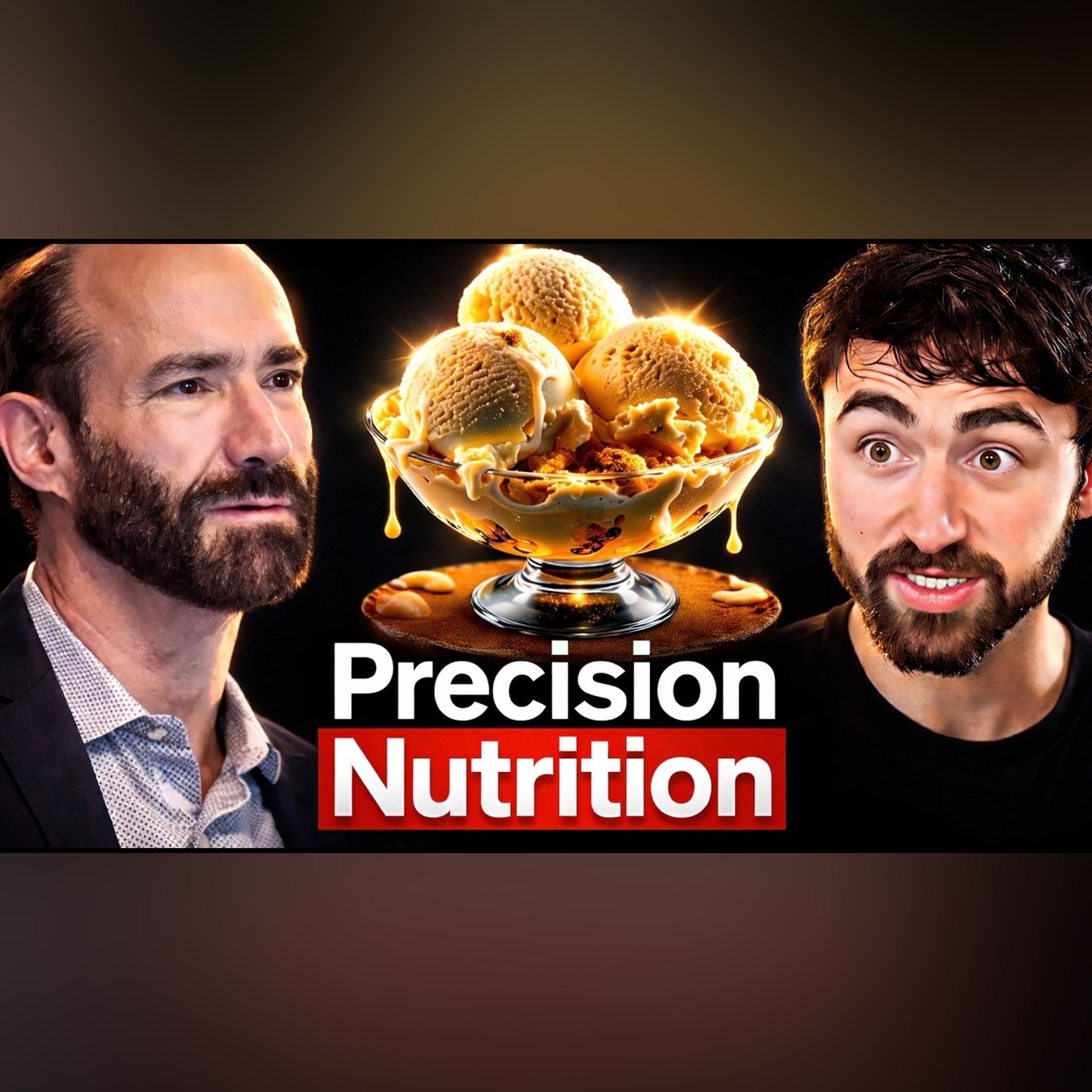
StayCurious Newsletter on Snyder’s Fiber Randomized Controlled Trial: https://staycuriousmetabolism.substack.com/p/fiber-is-good-for-you-is-lazy-science?r=40ekz2 StayCurious Newsletter on Inulin and Fructose Resistance: https://staycuriousmetabolism.substack.com/p/the-fiber-that-fights-fat-how-inulin?r=40ekz2 Snyder Interview 1, Four Types of Diabetes: https://youtu.be/mCrc4gfbK2o Snyder Interview 2, Most Viral Aging Study: https://youtu.be/kMpGkg4zMOU Snyder Interview 3, Most Beautiful Exercise Study: https://youtu.be/_9ywulQF2Ho Why does the same food spike one person’s blood sugar while barely affecting another? In this fourth conversation with Stanford’s Professor Michael Snyder, we explore new research on individualized glycemic responses, insulin resistance subtypes, and why one-size-fits-all nutrition advice keeps failing. From rice spiking glucose more than ice cream, to the power of the grape-to-potato ratio, and beyond, this discussion reveals how metabolism, microbiome, immu
Officials should investigate credible environmental concerns before harm is conclusively proven.
Share your view, then see how readers voted. No sign-in required. This poll is shared across stories.
Do you agree or disagree?
Common Quandary
A Common Quandary to discuss
Another conversation to explore, separate from this news story.
An old friend refuses to use someone's new name. Do you correct them at the reunion?
At a reunion, an old friend repeatedly uses the name a former classmate had years ago. They say shared history gives the old name affectionate meaning; the classmate has clearly introduced themselves with a different name.
When does preserving your shared past deny who someone is now?