English-language podcasts

Cleo Abram

The $1 Trillion Problem Diamonds Can Solve
21 min

Listen through the publisher, then discuss the episode here or arrange an in-person Roundtable. Your city determines where to meet.

Roundtables are designed for groups of four, with a shared subject and room for everyone to speak. Come for discussion, with no dating expectation.

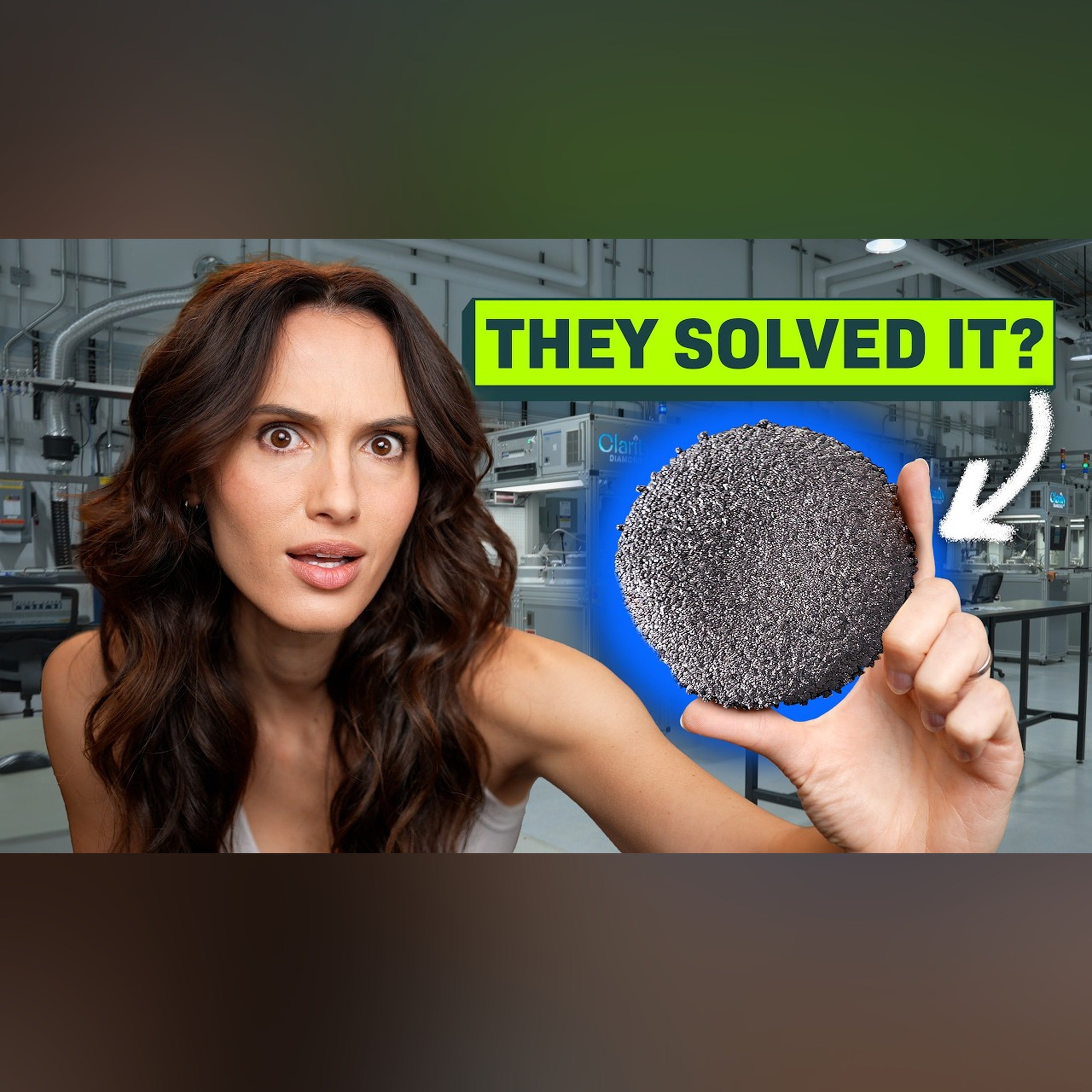
Most people think of diamonds as expensive jewelry, or maybe as super-hard drills. But everyone’s missing the coolest story here… We’ve built giant machines that can recreate the conditions inside our planet. And found new ways to make diamonds way cheaper, now unlocking the hidden potential of this super material. People are sending diamonds into space, adding them to massive computers, and using them to help solve one of the biggest technological problems we’re about to face. This is about pushing the limits of material science to benefit all of us. So in this video, we’re getting rare access inside a lab where they make diamonds to see how they actually do it… And we’re gonna shrink down inside your computer to show you why diamonds are not what you think. Chapters: 00:00 Diamonds are not what you think 01:38 Where do natural diamonds come from? 02:17 Why are diamonds so hard? 03:48 What's a diamond's secret superpower? 05:09 Why does my computer get so hot? 05:50 How small is a transistor? 06:43 What's the limitation of transistors? 10:32 Who grew a diamond first? 11:49 How do you grow a diamond now? 13:39 Are natural diamonds better than lab grown? 14:24 How could diamonds be used next? 15:21 Why are engineers so excited about diamonds? 16:28 :) You can find me on Instagram here: https://www.instagram.com/cleoabram On TikTok here: https://www.tiktok.com/@cleoabram Or on Twitter here: https://twitter.com/cleoabram Bio: Before going independent, Cleo was a video producer for Vox. Additional reading and watching: - IEEE, Dr, Chowdhury, Diamond Blankets Will Keep Future Chips Cool: https://spectrum.ieee.org/diamond-thermal-conductivity - Akash Systems Diamond Cooling: https://akashsystems.com/technology - The Diamond Makers by Robert M. Hazen - "How Diamonds May Be Key in Making Microchips Faster" (Wall Street Journal): https://www.youtube.com/watch?v=ZImf2IMl6DI - "How to Make a Real Diamond" (JerryRigEverything): https://www.youtube.com/watch?v=6o5RprIJmfA - "The Heat Wall AI Can't Climb" (Tiff In Tech): https://www.youtube.com/watch?v=otUeXLF6tUw - "The quantum world of diamonds" (Nature): https://www.youtube.com/watch?v=VCT0wDLyvSs - LattiSpec: https://lattispec.com/ - DARPA Ultra Wide Bandgap Semiconductor Program - How To Make A Diamond, JerryRigEverything https://youtu.be/6o5RprIJmfA?si=xLu6VpyQKlA62yCY - The 300-Year Quest to Make Real Diamonds in a Lab, Be Smart https://youtu.be/8ieWJq0MaXw?si=ST6P--N0kDmKSbrA Special thanks to: - Robert Basnett, CEO and Dr. William Holber, President and CTO of Plasmability - Prof. Srabanti Chowdhury of Stanford University - Pamit Surana, Co-Founder and CCO of Akash Systems - Liz Chatelain, Co-Founder of LattiSpec - Dr. Wuyi Yang and Dr. Evan Smith at the GIA - Dr Daniel Twitchen, Chief Technologist at Element Six (https://e6.com) (https://e6.com)/) - Dr. Samuel Graham, Jr., Dean of the Clark School of Engineering, University of Maryland - Prof. Alastair Stacey from Princeton Plasma Physics Laboratory - John Ciraldo, CTO and Brittany Lewis, CCO of WD Advanced Materials Vox: https://www.vox.com/authors/cleo-abram IMDb: https://www.imdb.com/name/nm10108242/ Gear I use: Camera: Sony A7SIII Lens: Sony 16–35 mm F2.8 GM Audio: Sennheiser SK AVX and Zoom H4N Pro Music: Musicbed, Tom Fox Follow along for more episodes of HUGE* If True:

Episode information is provided by the publisher. Listening takes place on the publisher’s service.

Listen at the source ↗

Featured places to meet in Palo Alto, CA

Explore these places and arrange a conversation through ThinkMatch.

City guide for Palo Alto, CA

More from Cleo Abram

Cleo Abram

How Do Sci-Fi Movies Look So Real? (feat. MKBHD)

20 min

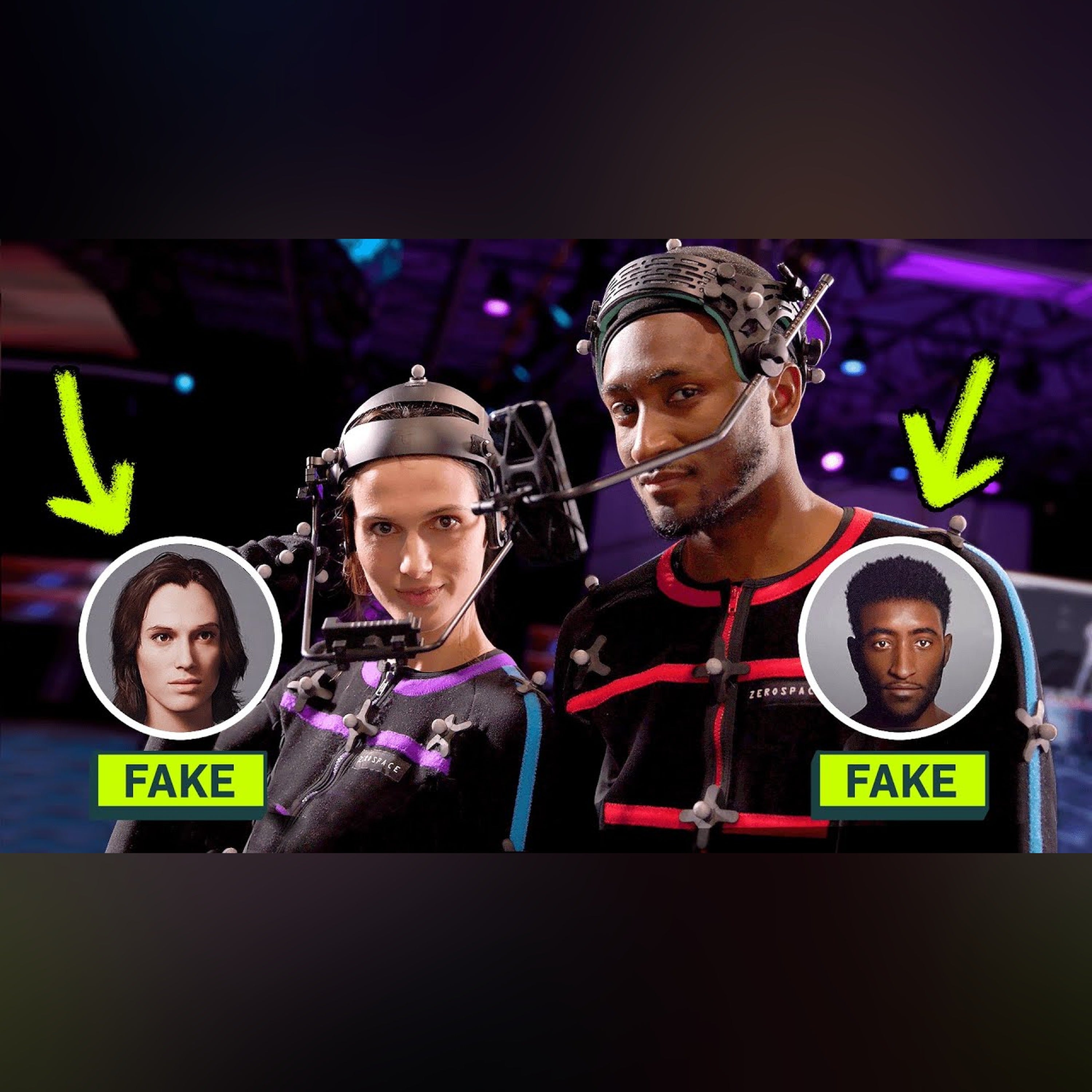
This new tech is changing how movies get made. So @mkbhd and I tested it out... Watch MKBHD's video: https://youtu.be/RM7SobH8ZO0 I’ve been obsessed with sci-fi movies since I was a kid. I love being transported to another world. But lately, I’ve been wondering: How do those worlds look so… REAL? The tech behind movies has exploded in complexity and realism, changing how stories come to life on screen. Luckily, at the same time, those tools are becoming more and more available to more people telling stories. It’s not just blockbusters like Avatar 2 or Avengers or Dune. It’s also smaller budget films like Everything Everywhere All at Once or even… YouTube creators? In this video, Marques Brownlee and I test out 3 movie-making tools that are changing how movies, shows, and maybe even YouTube videos (??) get made. We’re at ZeroSpace Studios in New York to show you how each of these crazy technologies work - and how you might be able to use them. Along the way, we hit big questions like: W

Discuss this episode

Cleo Abram

How Disney Built A Realistic Lightsaber

20 min

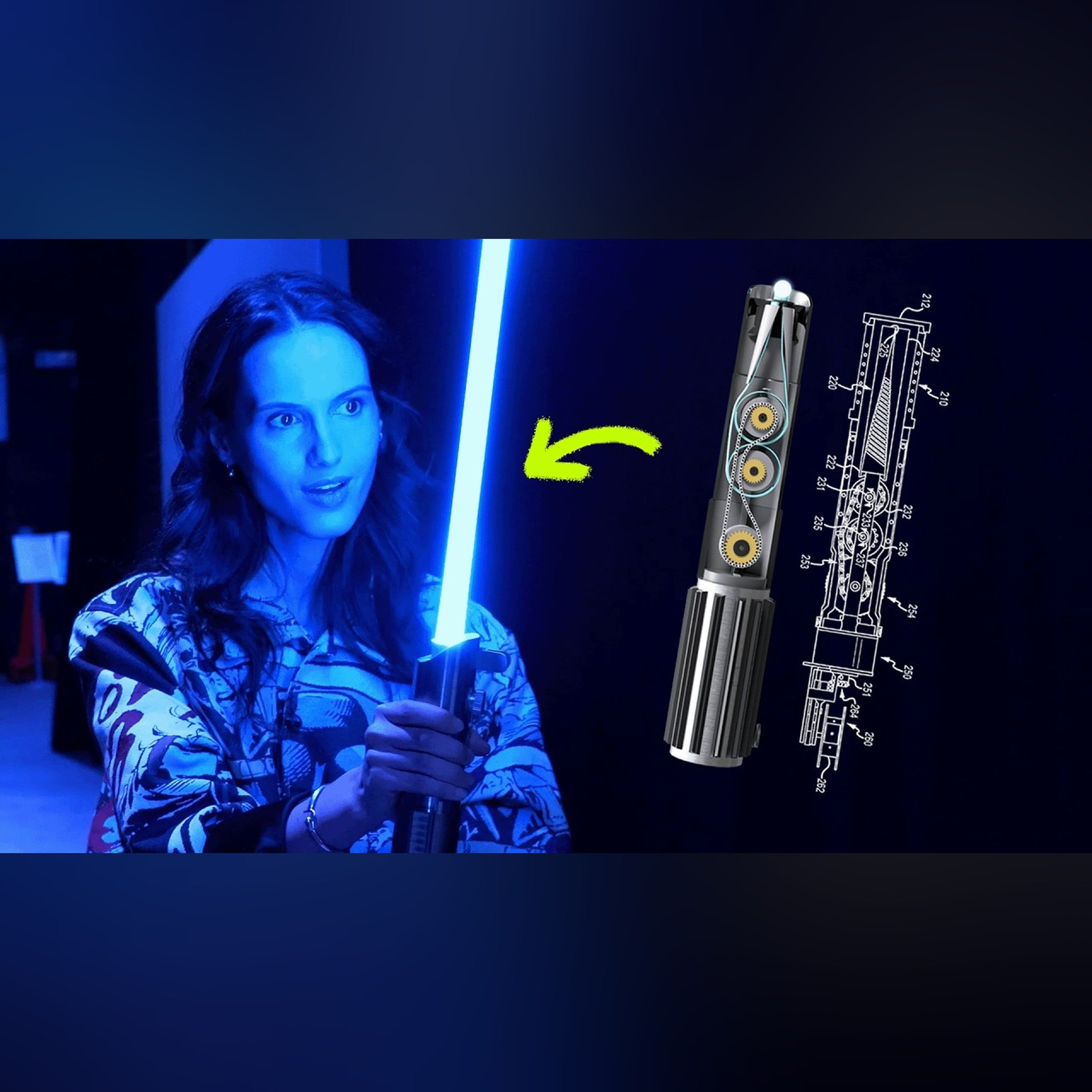
I tested Disney’s coolest new tech… Go to https://surfshark.com/cleo for 4 extra months of Surfshark Today I’ve been invited behind the scenes at Walt Disney Imagineering, the place where Disney brings their craziest ideas to life - from STUNT ROBOTS to a real life version of The Force, to adorable little droids! On this show Huge If True, we explore how tech can improve people’s lives - by living longer, going farther, doing more. But the reason I’ve loved Disney since I was a kid is they use tech to improve lives another way… by making people happy. And that means they end up pushing forward tech in some crazy, unexpected ways. So let me take you inside the magic, to show you the cutting edge tech they’re building… how it works… and what happens when we put it to the test! Chapters: 0:00 What is Disney building next? 1:11 What does Walt Disney Imagineering do? 1:52 What are Disney’s new droids really like? 2:47 How do Disney’s new droids work? 5:08 What’s the world’s most realistic l

Discuss this episode

Cleo Abram

What We Get Wrong About AI (feat. former Google CEO)

15 min

AI is here. Now what? Everyone’s talking about artificial intelligence and machine learning. There are lots of names thrown around - OpenAI’s ChatGPT and DALLE-2, Google’s Bard, Meta’s LLaMa 2, Midjourney, AlphaFold… Right now, we’re in this weird moment where lots of smart people agree we’re on the cusp of a truly world-changing technology. But some seem to be saying it's going to lead to human extinction while others are saying it’s “more profound than fire.” But it all feels so VAGUE. I want to know: How specifically would AI kill me? Or totally transform my life for the better? In this video, that’s what I’m going to try to learn. We dive into what the most extreme bad and good AI futures actually look like, so that you and I can get ready. And more importantly, so we can make sure that we get our real future RIGHT. Chapters: 00:00 Why is AI so confusing? 1:13 What is AI? 2:37 Why is everyone talking about AI now? 5:12 Why is AI dangerous? 6:22 How would AI kill me? 8:08 Should we

Discuss this episode

Community Poll

Landscape restoration needs funding commitments that extend beyond normal political terms.

Share your view, then see how readers voted. No sign-in required. This poll is shared across stories.

Do you agree or disagree?

Choose one answer

Common Quandary

A Common Quandary to discuss

Another conversation to explore, separate from this news story.

Everyone clicks through mandatory training without reading it. May you do the same?

Your employer requires an hour-long annual course whose answers have not changed in years. Coworkers run it in the background and share the quiz answers. Completing it carefully would make you late for actual work with a deadline.

When does pointless compliance excuse pretending to comply?

Explore this quandary