Listen through the publisher, then discuss the episode here or arrange an in-person Roundtable. Your city determines where to meet.
Roundtables are designed for groups of four, with a shared subject and room for everyone to speak. Come for discussion, with no dating expectation.
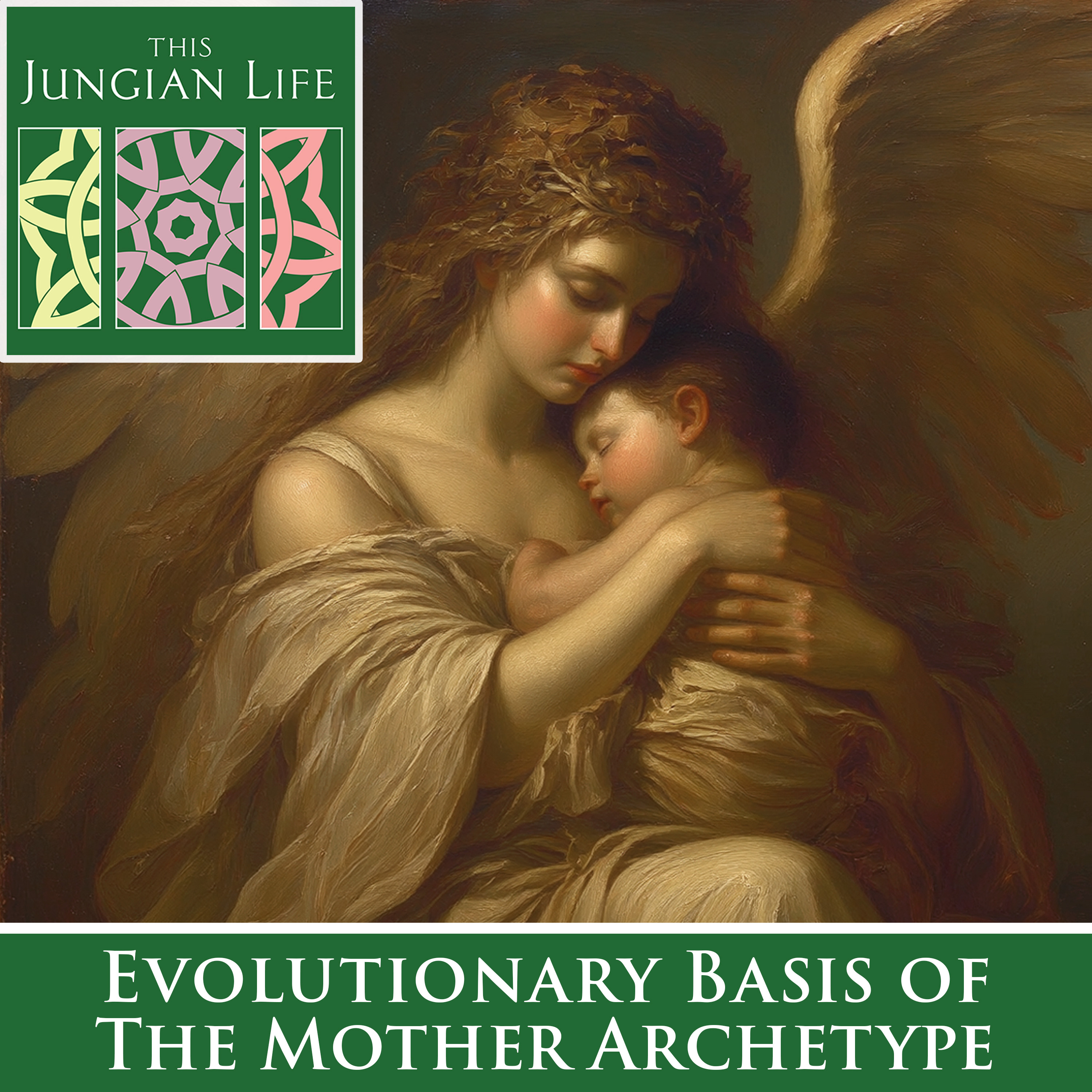
This week on the podcast, we attempt no small task: to bring together neurobiology and Jungian thought to explore the possible evolutionary roots of the mother archetype. Jungian analyst Lisa Marchiano welcomes back GARY CLARK, author of Carl Jung and the Evolutionary Sciences (https://bookshop.org/a/99234/9781032624518) and a visiting research fellow at the University of Adelaide. When a new mother cradles an infant, the mother archetype is constellated. Maternal instinct means previously unknown behaviors now feel completely natural: crooning to the baby in a singsong voice, cradling her on the left side, rocking her gently to sleep. This shows up in the culture in the endless representations of the mother archetype - such as the Madonna and child - in art, religion and literature. Jungians explain such maternal experiences as universal patterns of behavior that organize psychic energy related to mothering. Science, on the other hand, presents us with evidence pointing to ancient parts of the brain and the role of oxytocin. These positions are not necessarily in opposition; both camps see ancient patterns emerging in the individual. Jung himself had a strong intuition that our evolutionary past could be a powerful explanation for many aspects of our psychology. He even proposed that archetypes are located in subcortical brain systems, in evolutionary terms the most ancient parts of the brain and brain stem. It is possible that the demands of caring for a helpless infant shaped some of our most distinctive human capacities. We discuss, for example, suggestions that the singsong exchanges between mothers and babies may have helped lay the groundwork for music and language. Join us as we range freely through primatology, archaeology, neurobiology, and psychoanalytic history, asking what the mother archetype and the work of caring for infants might tell us about how we became human. If You’re Looking For More Read Gary Clark’s book Carl Jung and the Evolutionary Sciences (https://bookshop.org/a/99234/9781032624518). Download our free Dream Recall Meditation Guide (https://tinyurl.com/DreamRecallMeditation)
Episode information is provided by the publisher. Listening takes place on the publisher’s service.
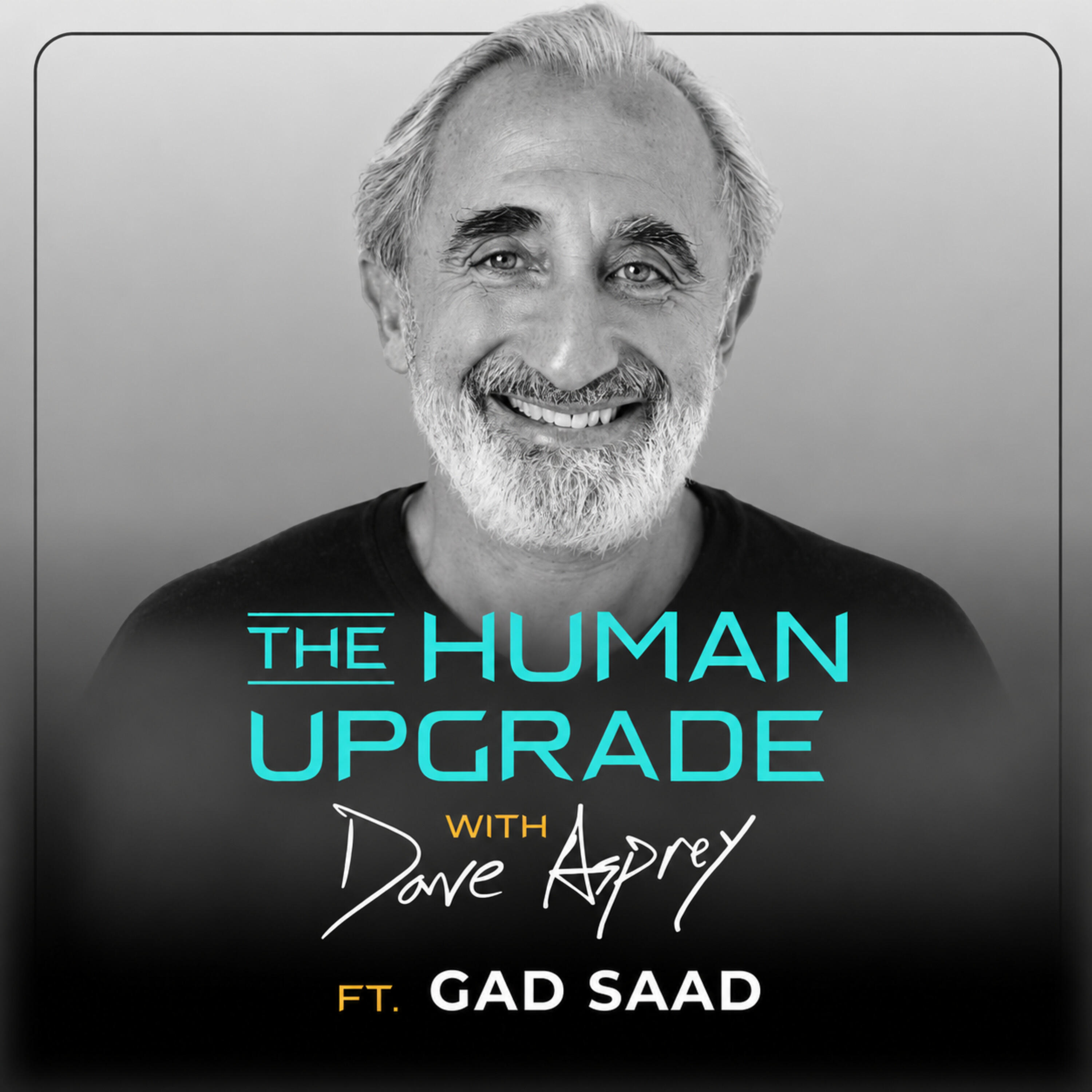
We're bringing back one of our most fascinating conversations about happiness, human behavior, and the evolutionary forces that shape nearly every decision you make. This episode was too good not to share again! Today you'll meet Gad Saad, PhD, evolutionary behavioral scientist, professor of marketing at Concordia University's John Molson School of Business, and author of The Saad Truth About Happiness: Eight Secrets for Leading the Good Life. What if the reason you're unhappy has less to do with your circumstances and more to do with the ancient biological programming running your brain? Dr. Saad studies how evolution influences human behavior, from the partners we choose and the careers we pursue to our desire for status, pleasure, and social connection. His research offers a fascinating explanation for why modern life can leave us feeling unfulfilled, even when we have more comfort, convenience, and opportunity than ever before. In this conversation, Dave and Gad explore the evoluti
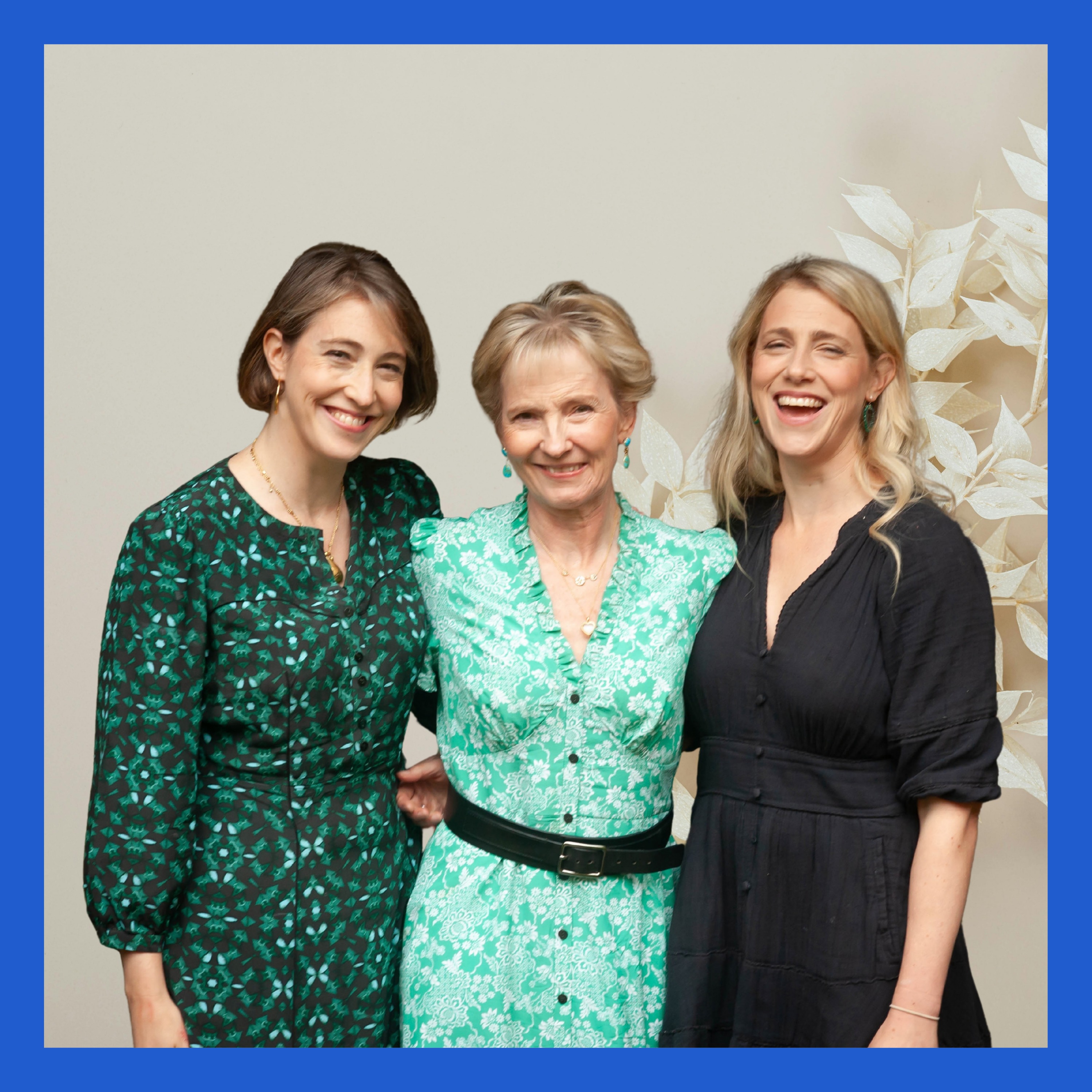
Can therapy change family dynamics for the worse? Psychotherapist Julia Samuel explores what happens when an adult child's growth creates tension at home. This week's listener is a parent whose adult daughter has been in therapy for several years. While they've seen her grow in confidence and become happier, they've also noticed a change in how she relates to the family. Her increasing use of therapeutic language has left them feeling judged, patronised and afraid of saying the wrong thing. Psychotherapist Julia Samuel and her daughters Sophie and Emily explore how therapy can affect family dynamics and why personal growth can sometimes create unexpected tensions in our closest relationships. The listener misses the humour and ease they once shared with their daughter, but worries that speaking up could damage their relationship. Julia shares her own experience of bringing therapy into family life, while Emily reflects on how attending therapy as a young adult affected her relationship
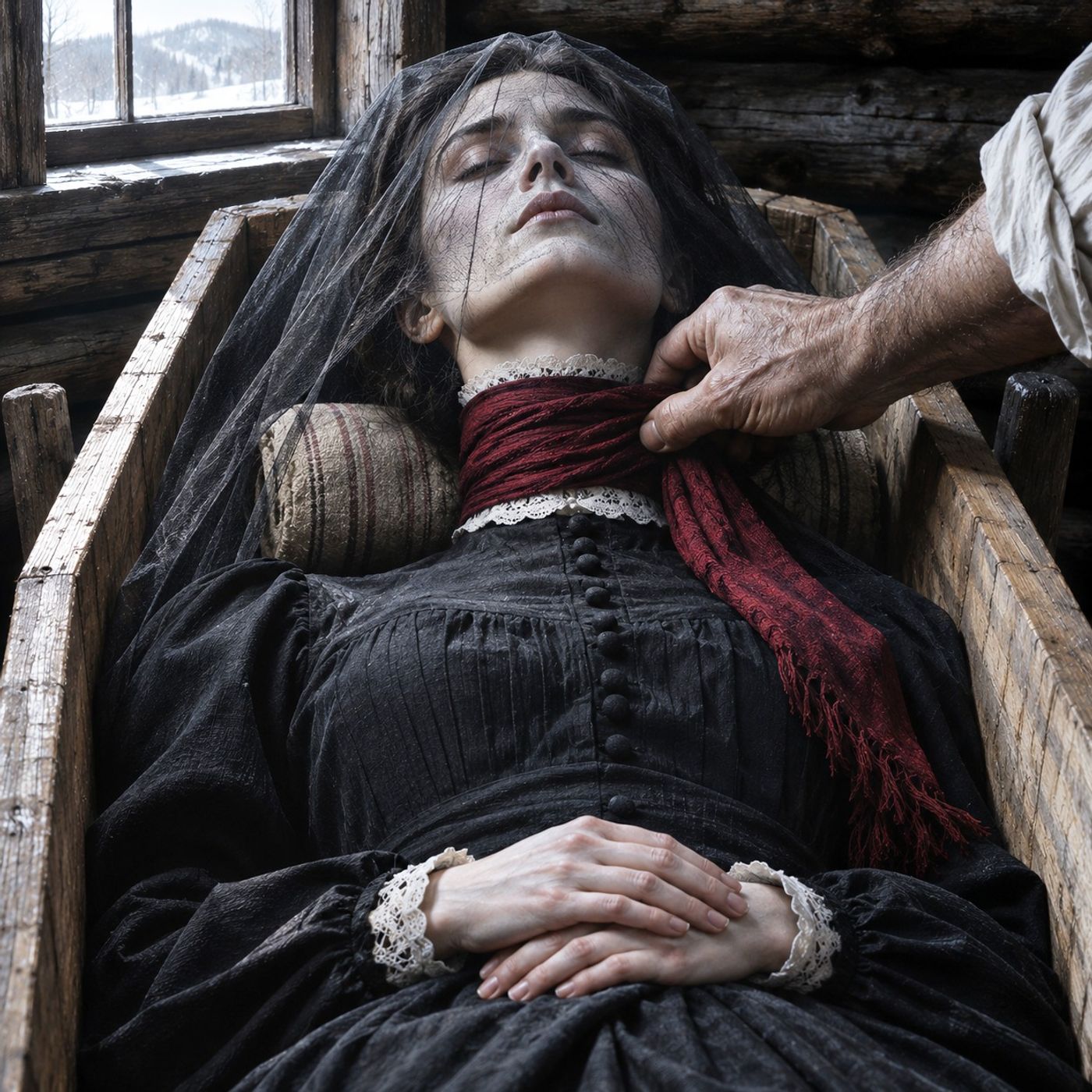
In January 1897, blacksmith Edward Shue washed and dressed his bride of three months for burial before the coroner ever reached their log house in Greenbrier County, West Virginia, and at her funeral he kept fussing with her head and neck, propping it on a pillow and wrapping a scarf around her high collar. Her mother, Mary Jane Heaster, had never liked him, and for weeks afterward she prayed every evening for her daughter to come back and tell her what had really happened. FEATURED STORIES IN THIS EPISODE: This Weird Darkness episode runs from the Greenbrier Ghost, the 1897 West Virginia murder victim whose mother said she came back to name her killer, to a bottomless pit in Washington, a wave of Mothman sightings over Chicago, and a London tomb rumored to be a time machine. Elva Heaster was dead – but that didn’t stop her ghost from solving the murder. *** In Stephen King’s “Pet Semetery”, beloved family pets could come back from the dead. *** In Washington there is a hole that some
For all the references, links, and a written breakdown, see the associated StayCurious Metabolism Newsletter: https://staycuriousmetabolism.substack.com/p/how-a-mothers-diet-rewrites-her-childrens?r=40ekz2 What your mother ate during pregnancy may shape your cardiovascular health today. New research published in Nature Cardiovascular Research reveals that a maternal Western diet—high in sugar and saturated fat—can epigenetically program her offspring to develop atherosclerosis and heart disease. In this video, I’ll break down how maternal nutrition impacts epigenetic bookmarks activate inflammatory genes, and why this matters for obesity, diabetes, and cardiovascular disease. We’ll also explore how ketogenic diets, healthier nutrition choices, and lifestyle interventions may help reverse this metabolic programming and support lifelong heart health. Most importantly, you’ll see why epigenetic legacy is not destiny. While we may inherit predispositions, lifestyle, nutrition, metabolic he
Trauma and PTSD Expert Arielle Schwartz discusses how journaling and writing practices can help individuals work through trauma and facilitate healing, even without a therapist. She shares practical tips, mental models, and personal insights on trauma, shame, and post-traumatic growth. Sign up for my free Panic Attacks course https://courses.therapyinanutshell.com/ending-panic-attacks-and-anxiety-attacks Can trauma journaling help with healing trauma? In this conversation, Dr. Arielle Schwartz joins me to explore how writing and narrative therapy can support processing and integrating trauma, building self-compassion, and finding greater connection with yourself and others. Whether you’re navigating PTSD, complex PTSD, or painful experiences from your past, approaching your story can feel overwhelming. We discuss how to begin gently, build a foundation of safety, and recognize when it’s time to pause and reach for support. https://drarielleschwartz.com (https://drarielleschwartz.com/)
Algorithms are fundamental to the story of mathematics – they’ve been around for over four thousand years. A theorem may prove that a solution to a problem exists, but an algorithm gives you the directions to actually find it. This lecture explores four key algorithms that have not just shaped pure mathematics, but have found unexpected applications in areas as diverse as nuclear physics, film-making, medicine, and music. This lecture was recorded by Sarah Hart on October 15th 2026 at Binks Hall, St John's College, Durham University, Durham. Sarah Hart was the first woman Professor of Geometry at Gresham College, and Acting Provost between March and October 2025. She is also Professor Emerita of Mathematics at Birkbeck, University of London. Professor Hart studied at Oxford and Manchester, gaining her PhD in 2000. Postdoctoral research and teaching followed, including a prestigious Engineering and Physical Sciences Research Council Fellowship, before she was appointed to a lectureship
Whether it’s an intractable dispute at the United Nations or a teenager’s dirty clothes on the floor, some conflicts are impossible to solve with words. When we raise difficult issues in our relationships, such as whether to have a child, address a partner’s alcohol consumption, or negotiate spending, we may discover that the other person stonewalls. A refusal to engage can take us from one difficult question to another: what does obstruction say about the relationship? Are we strong enough to handle difficult conversations? When repeated attempts at communication fail, a different approach may be needed. Deb shares her mentor’s rule: if you have clearly raised an issue three times without a meaningful response, it is time to step back and find support, perhaps from a friend, a therapist or a lawyer. This can lead to self-examination, a new perspective, or facing a painful reality and developing the strength to act. The famous conflict between Jung and Freud proved unresolvable, leadin
Two people stand at the rim of the Grand Canyon. One is overcome with awe at nature’s grandeur, while the other sees an enormous rift in the landscape. What accounts for the difference? This week, Jungian analyst and scholar JOHN R. WHITE joins Lisa Marchiano and Deborah Stewart to explore Jung’s feeling function, our capacity to discern what matters. One of Jung’s best-known legacies is his categorization of ego functions: typology. Whether we are extraverted or introverted (terms Jung introduced), our four basic ego functions sort themselves into intuition, sensation, thinking, and feeling. We have all four functions but prefer some over others. Jung’s system led directly to the creation of the widely used Myers-Briggs Personality Type Indicator. The feeling and thinking functions are both ways of making judgments, but the feeling function is based on personal values: if you were a military commander, would you be like Napoleon, directing his troops from the hilltop -- or like Braveh
Large technology projects should demonstrate local benefits before receiving public incentives.
Share your view, then see how readers voted. No sign-in required. This poll is shared across stories.
Do you agree or disagree?
Common Quandary
A Common Quandary to discuss
Another conversation to explore, separate from this news story.
You cannot stand your friend's partner. Do they still get a wedding invitation?
You are planning a small wedding and strongly dislike the person your longtime friend has been dating. Inviting them would make you uncomfortable, but excluding only that partner would embarrass your friend.
Whose comfort should govern a celebration centered on you?