The history and challenges for Australian media and arts bodies
21 min
Listen through the publisher, then discuss the episode here or arrange an in-person Roundtable. Your city determines where to meet.
Roundtables are designed for groups of four, with a shared subject and room for everyone to speak. Come for discussion, with no dating expectation.
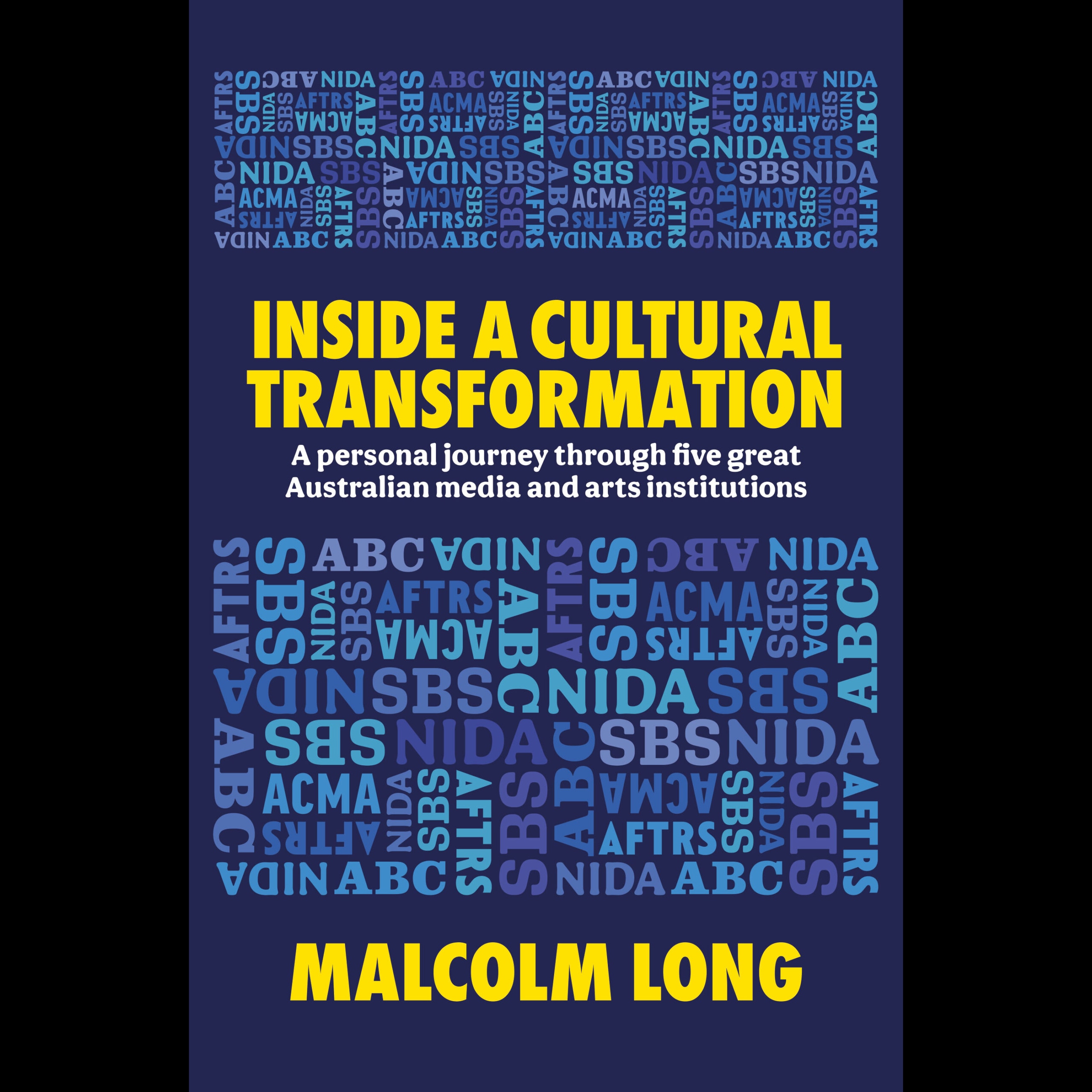
Since the 1960s five public media and arts organisations have been key players in the emergence of a uniquely Australian national identity. They are the ABC, Australia’s multicultural broadcaster SBS, the renowned performing arts school NIDA, AFTRS, the world-leading film, television and radio school, and Australia’s media regulator, the Australian Communications and Media Authority, ACMA. The collective impact of these institutions as builders of culture for Australia is a largely untold though important story. Malcolm Long tells the tale having been a leader in each of them and he explores their uncertain future in today’s era of global digital media.
Episode information is provided by the publisher. Listening takes place on the publisher’s service.
What you’re about to hear is a conversation between myself and Dr. Aseem Malhotra, a renowned consultant cardiologist, and close friend of RFK Jr.. I mention that upfront to address the elephant in the room. Our conversation centers around the latest research that colleagues and I have published on LDL cholesterol, ApoB, and their implications for heart disease, particularly in the context of metabolic health. Why are these new findings so important for understanding cardiovascular risk? Is High LDL and ApoB dangerous in the context of Metabolic Health? How can meditation impact heart disease prevention and overall heart health? Why does the scientific community move slowly when it comes to adopting new research? I encourage you to keep an open mind. Scientific narratives, health models, and medical practices evolve as new data emerges. This is the essence of the scientific method. Please Watch THIS Video: https://youtu.be/a_ROZPW9WrY NEW Paper: https://www.jacc.org/doi/10.1016/j.jacad
In 1620, a small ship called the Mayflower crossed the Atlantic carrying English settlers in search of a new life. Their arrival in North America became one of the most familiar stories in American history, but the reality behind the legend was far more complicated than the traditional Thanksgiving tale suggests. Discover why the Pilgrims left England, what their dangerous voyage was really like, and how they survived their first winter in an unfamiliar land. Explore their encounters with the Wampanoag people, the role of Tisquantum, also known as Squanto, and the assistance that helped the struggling settlers establish their colony. Uncover what happened at the harvest gathering of 1621, who actually attended, what was served, and how this event became connected to the modern Thanksgiving holiday. Follow the history beyond the familiar celebration and discover the people, cultural encounters, and historical realities behind the Mayflower story. Boring History for Sleep — Soft stories
Human DNA editing is finally here. Check out the new WHOOP here! https://join.whoop.com/cleo There is a microscopic technology that now gives us the power to edit our own genes while we’re alive. To cure certain diseases, possibly prevent others, or boost what our bodies can do… or maybe, one day give our kids abilities no one has ever had before… effectively putting evolution into our hands. This is not some sci-fi future! We’re already using this technology in real medical treatments in plants to grow new crops and in animals to create new species! Just yesterday, news broke that a baby’s life was saved using personalized gene editing that fixed one tiny error in its DNA. This is truly “huge if true.” Deciding how we use this new superpower may be the biggest challenge we have ever faced - and the biggest opportunity to reduce human suffering. This tool is called CRISPR. Dr. Jennifer Doudna won the Nobel Prize for discovering it. So, in this third episode of Huge Conversations, Dr. D
Explore how the Hubble Space Telescope reveals the Universe, from iconic images to major discoveries, and how it complements the James Webb Space Telescope. "ASTROMAN: the Dark Sky Guardian" is a podcast channel that aims to explore popular science in multiple disciplines and research on interdisciplinary approaches, such as sustainability, dark-sky protection, astrophotography, space exploration, astronomy innovation, inclusive science communication, and STEAM Education by integrating science and arts. Exodus Chun-Long Sit, also known as the ASTROMAN, is a transmedia astronomy educator, popular science author, STEAM educator, and science communicator in Hong Kong. He is recently the National Astronomy Education Coordinator (Chair of Hong Kong, China) of the International Astronomical Union and President of Starrix. He was also an International Committee Member of the Dark Sky International, regularly organizing public lectures at the Hong Kong Space Museum and the Hong Kong Science Mu
This is a Grave Talks CLASSIC EPISODE! For Melissa Clevenger, the spirit world has never been a distant mystery—it has been a lifelong reality. Since the age of five, Melissa has been able to see and hear spirits. But her early encounters weren’t comforting or controlled. The voices didn’t ask permission. The apparitions didn’t wait for understanding. What began as terrifying childhood experiences slowly evolved into something she could manage—and eventually embrace. As she matured, the chaos of those early years transformed into meaningful communication, guiding her toward a deeper understanding of her abilities and the messages coming through. Today, Melissa shares her journey from fear to purpose, reflecting on what it means to live with heightened sensitivity and dedicate her life to connecting the living with those who have passed on. On this episode of The Grave Talks, we explore the reality of growing up with psychic abilities, the challenges of navigating unseen energies, and t
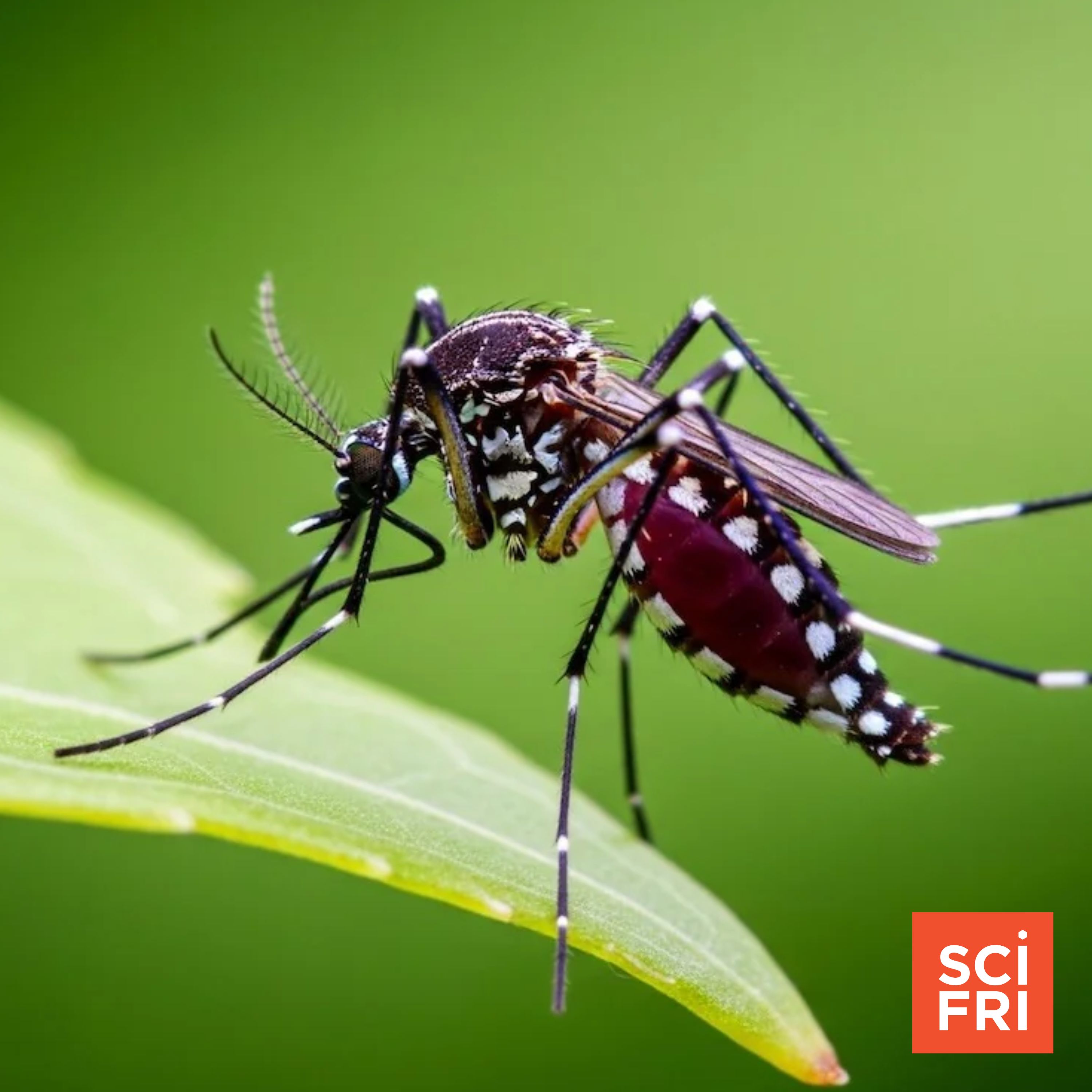
In Florida, three counties have declared states of emergency due to rising cases of dengue (https://www.sciencefriday.com/segments/floridas-dengue-outbreak/)—a viral infection spread by mosquitos carrying the dengue virus. There have been around 1,000 cases (https://www.cdc.gov/dengue/data-research/facts-stats/current-data.html) in the state this year, making it the largest outbreak (https://apnews.com/article/dengue-virus-outbreak-florida-7f0bda2b0a1e7895e834010f38cedb1e) in the continental U.S. in decades. But this is part of a larger story. Over the last couple of decades, the number of dengue cases has surged globally, and dengue is becoming more common in places it hasn’t historically been. So what’s behind these shifts? And what public health measures should we be thinking about? Flora chats about this with epidemiologist Gabriela Paz-Bailey, chief of CDC’s dengue branch in San Juan, Puerto Rico. Guest: Dr. Gabriela Paz-Bailey is an epidemiologist and chief of the dengue branch i
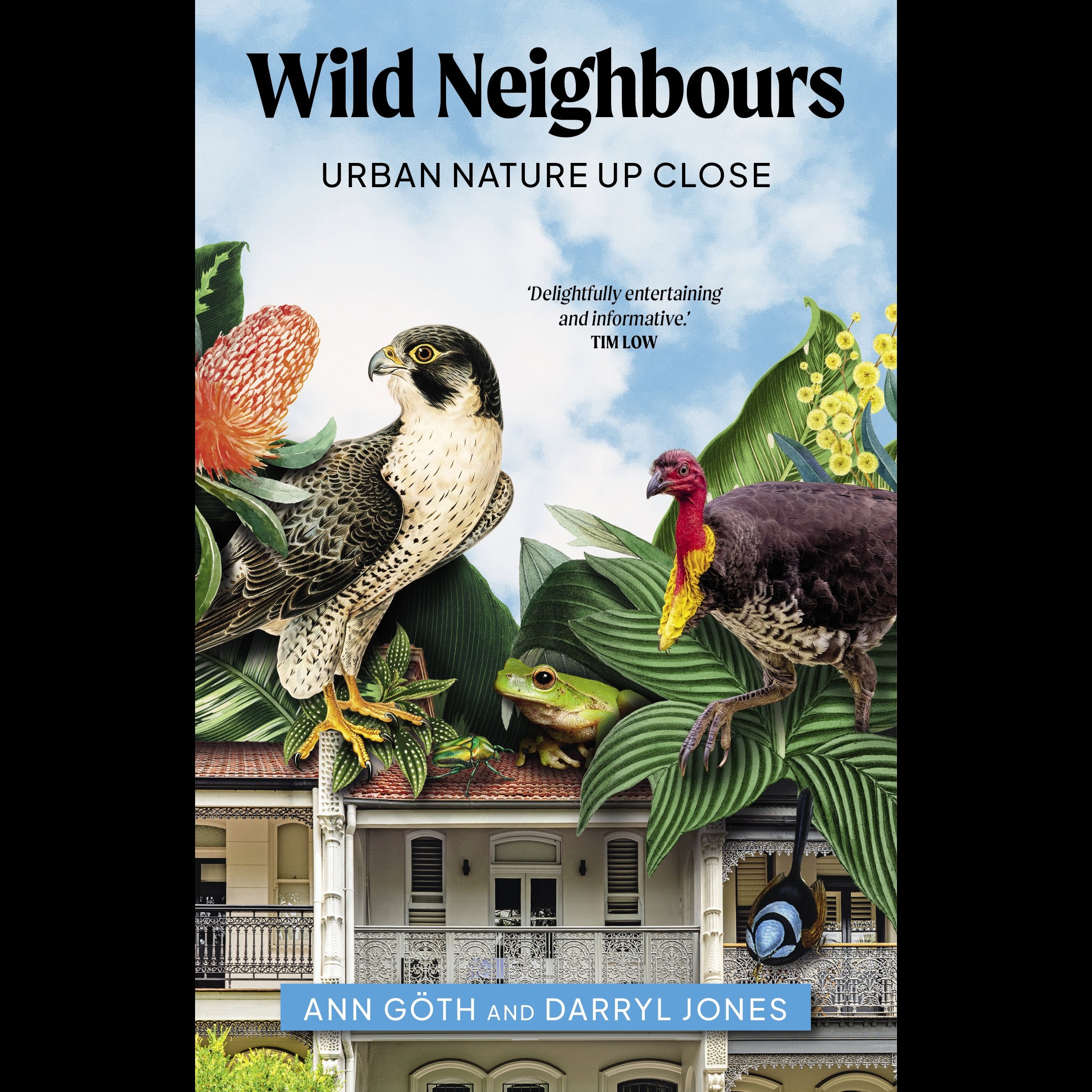
Birds, possums, blue-tongued lizards, all populate our cities and getting to know them is a project of ecologist Darryl Jones and science teacher Ann Göth. Wild Neighbours explores the habits, personalities, quirks, ingenuity and everyday dramas of the animals and plants that live among us.
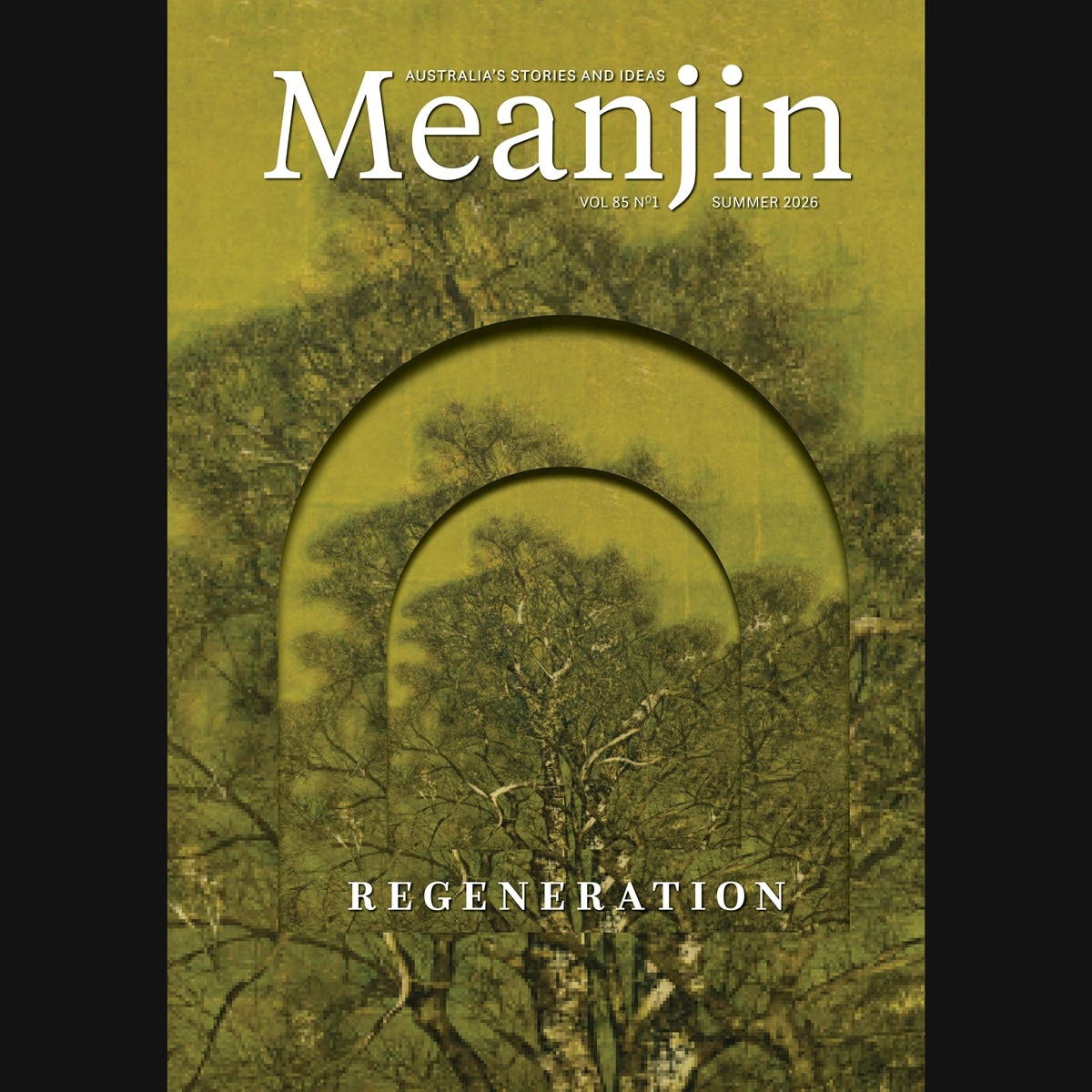
It was founded in 1940 as a home for Australian poetry, fiction, essays, memoir, and criticism. Its name comes from a First Nations word for the area around central Brisbane. Meanjin was published for many years by Melbourne University Press and closed in 2025. But in 2026 it is reemerging, published by Queensland University of Technology with editor Ashley Hay.
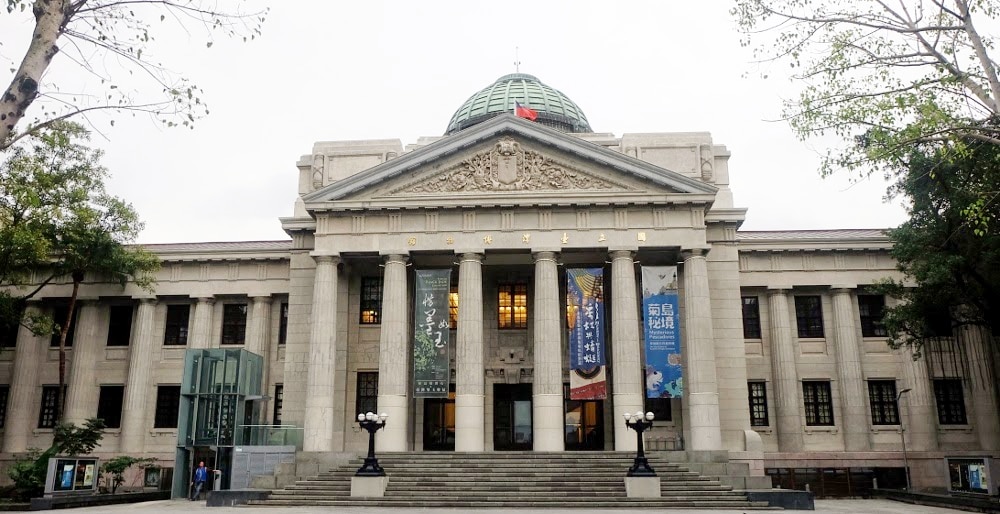
While interest in science amongst Australian school children is sometimes questioned, we contrast Australia with the situation in Taiwan. Fang Hui-Shih from the National Taiwan Museum describes interest in science amongst her country’s students as strong. Being educated, 90 per cent of the population accept the science of climate change, and the country has a strong community of citizen scientists.
Cross-party cooperation is worthwhile even when it disappoints committed party supporters.
Share your view, then see how readers voted. No sign-in required. This poll is shared across stories.
Do you agree or disagree?
Common Quandary
A Common Quandary to discuss
Another conversation to explore, separate from this news story.
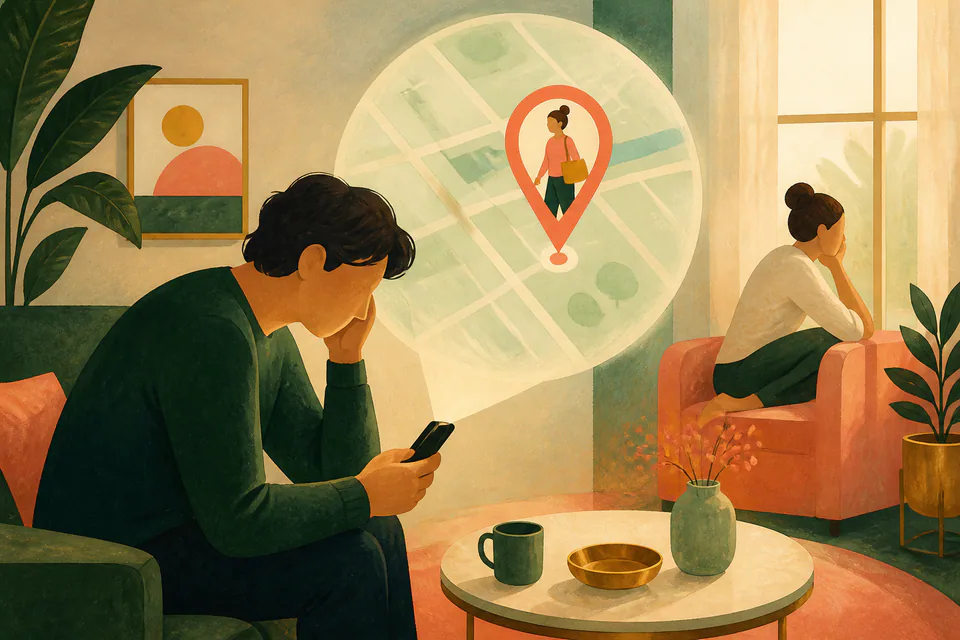
Your partner checks your location whenever you reply slowly. Is that caring or creepy?
A couple shares live phone locations for convenience and safety. One partner begins checking the map whenever a message goes unanswered, even though they have never agreed on when checking is appropriate.
Does granting access also grant permission to monitor?