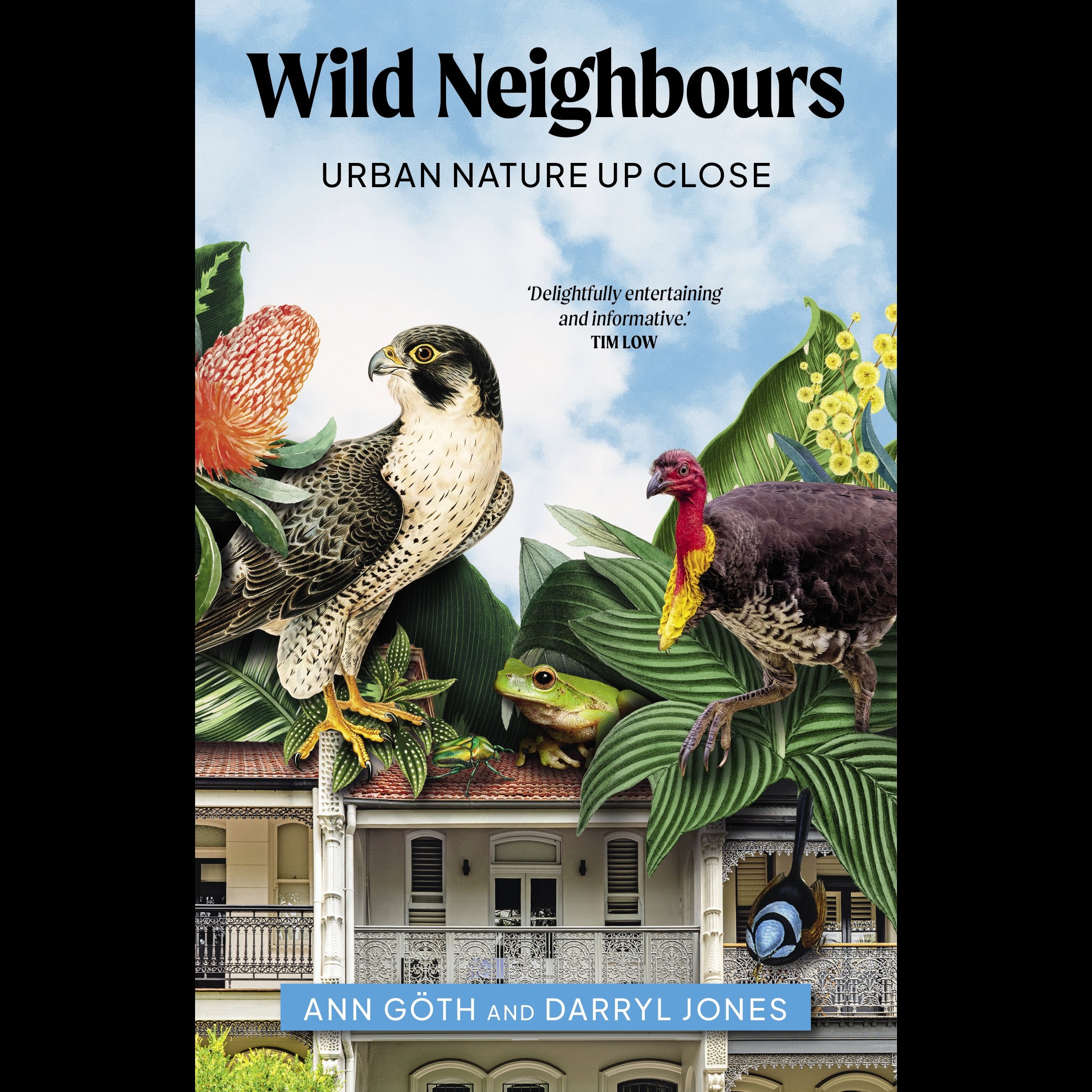
Birds, possums, blue-tongued lizards, all populate our cities and getting to know them is a project of ecologist Darryl Jones and science teacher Ann Göth. Wild Neighbours explores the habits, personalities, quirks, ingenuity and everyday dramas of the animals and plants that live among us.
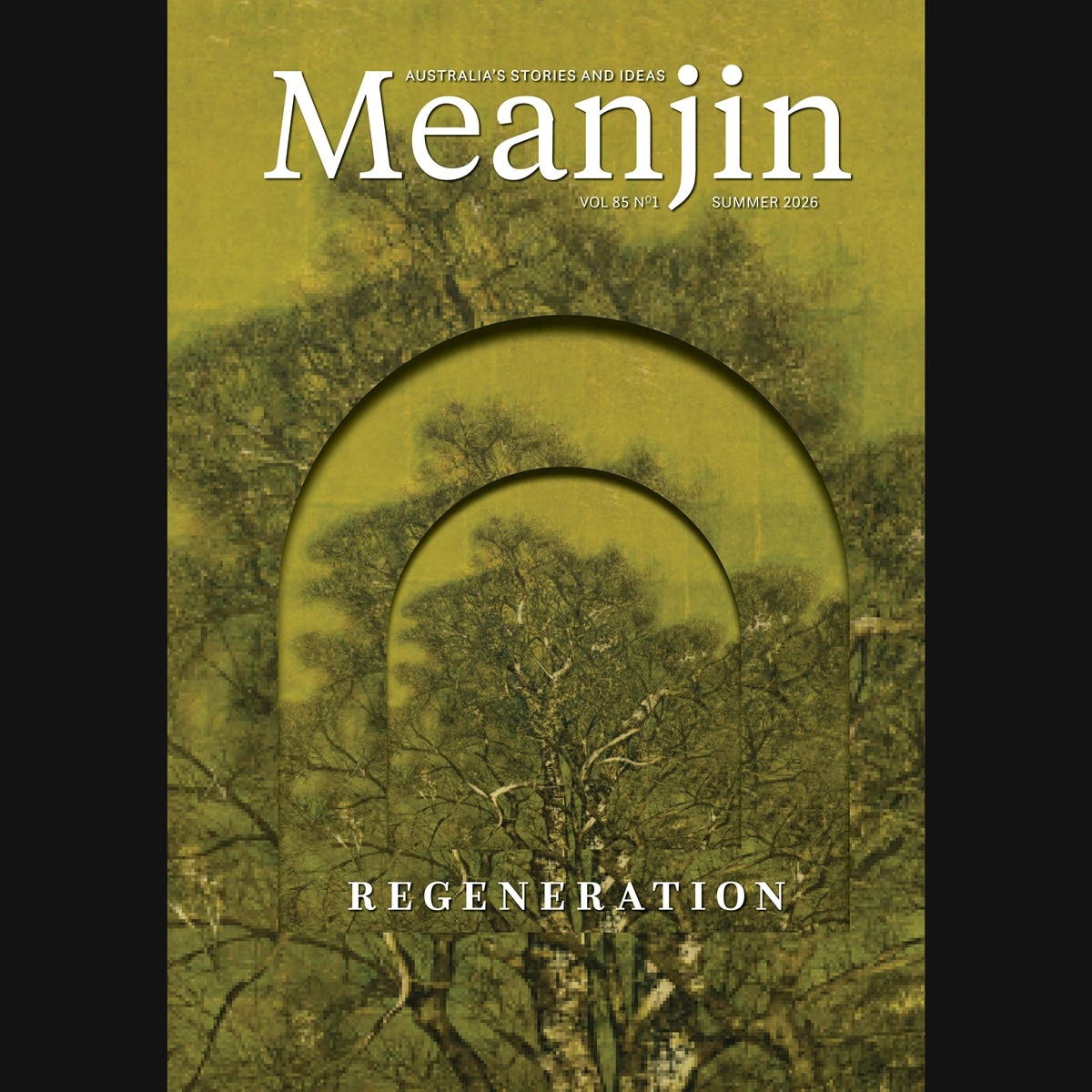
It was founded in 1940 as a home for Australian poetry, fiction, essays, memoir, and criticism. Its name comes from a First Nations word for the area around central Brisbane. Meanjin was published for many years by Melbourne University Press and closed in 2025. But in 2026 it is reemerging, published by Queensland University of Technology with editor Ashley Hay.
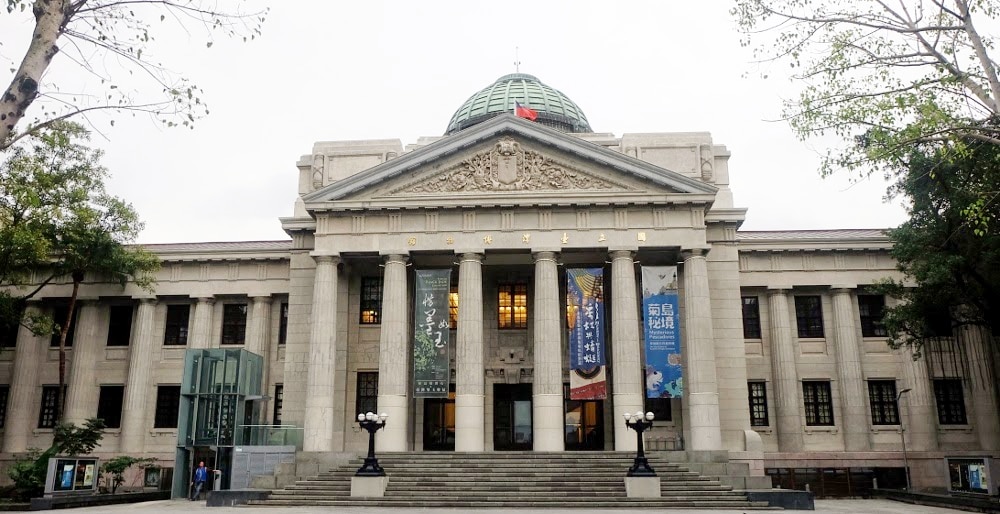
While interest in science amongst Australian school children is sometimes questioned, we contrast Australia with the situation in Taiwan. Fang Hui-Shih from the National Taiwan Museum describes interest in science amongst her country’s students as strong. Being educated, 90 per cent of the population accept the science of climate change, and the country has a strong community of citizen scientists.
Australian Museum director Kim McKay says the site of the present museum, founded in 1827 opposite St Mary’s Cathedral in Sydney, was the old convicts’ garden where their food was grown. McKay recalls discoveries made by museum scientists over the decades and describes how they have enhanced the nation’s education and culture.
We note the passing of Professor John Carmody, UNSW lecturer and researcher in the School of Physiology and Pharmacology and a prolific broadcaster on science and music on ABC Radio. On Ockham’s Razor he asked whether Australians relish science as much as they do sport. His answer was a resounding no!
Sections of rock are completely missing from our geological record across continents. The great unconformity spans just over a billion years of history, leaving out critical periods in the evolution of life. Jonathan Webb speaks with Associate Professor Nicolas Flament about this geological puzzle and what could have caused it. You can binge more episodes of the Lab Notes podcast with science editor and presenter Jonathan Webb on the ABC Listen app (Australia). You'll find episodes on animal behaviour, human health, space exploration and so much more. Get in touch with us: [email protected] Featuring: Associate Professor Nicolas Flament, University of Wollongong Further information: The deep Earth origin of the Great Unconformity (https://www.nature.com/articles/s41586-026-11156-5) This episode of Lab Notes was produced on the lands of the Gadigal, Ngunnawal and Ngambri people.
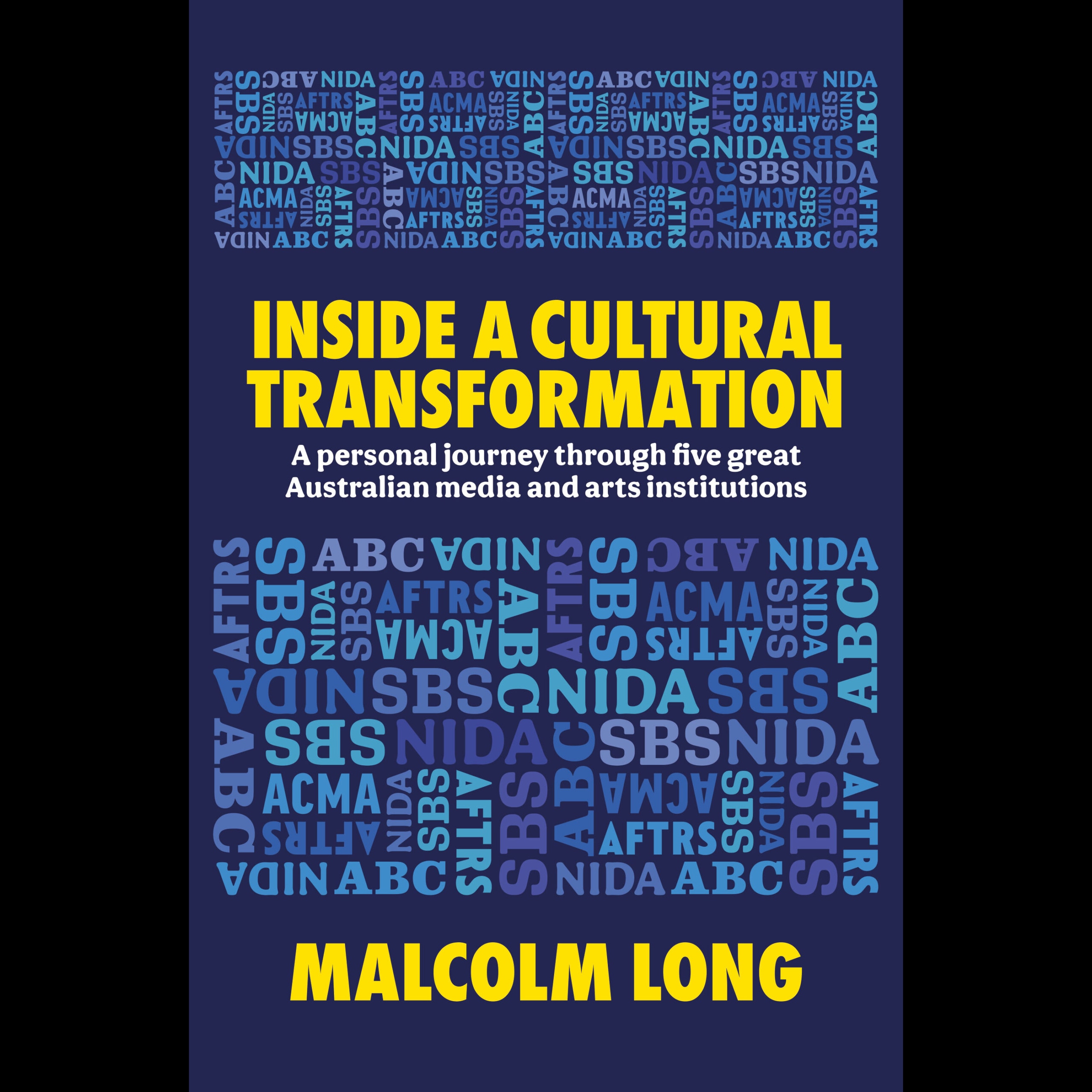
Since the 1960s five public media and arts organisations have been key players in the emergence of a uniquely Australian national identity. They are the ABC, Australia’s multicultural broadcaster SBS, the renowned performing arts school NIDA, AFTRS, the world-leading film, television and radio school, and Australia’s media regulator, the Australian Communications and Media Authority, ACMA. The collective impact of these institutions as builders of culture for Australia is a largely untold though important story. Malcolm Long tells the tale having been a leader in each of them and he explores their uncertain future in today’s era of global digital media.
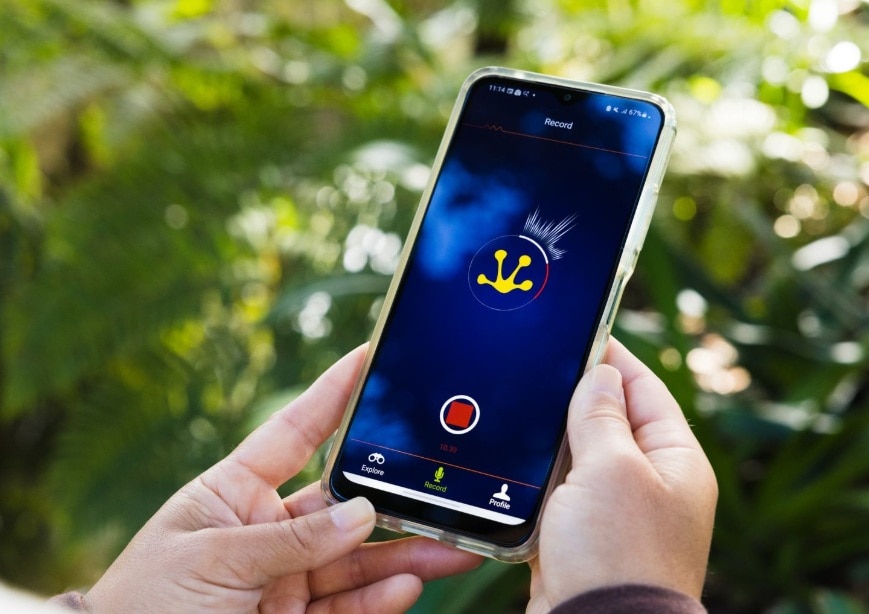
Frog ID is an initiative of The Australian Museum in Sydney where anyone, anywhere in Australia can record frog calls using a phone app. The frog is then properly identified and positioned. Over time, the data shows how frogs are responding to changes in their environment and assists conservation efforts.
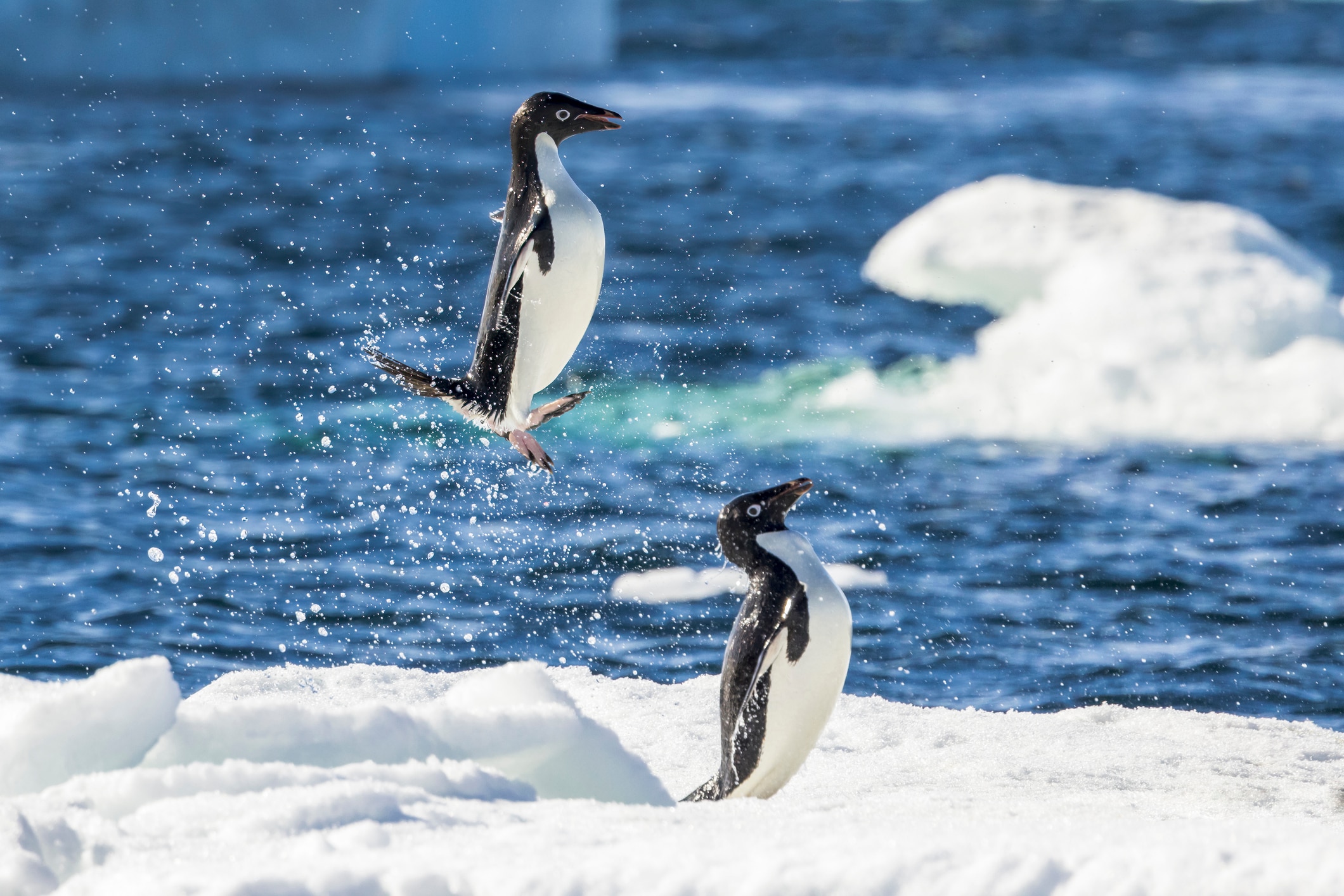
A record kept by scientists at the UK’s Natural History Museum about a century ago, shows penguin behaviour so extreme that it was left unpublished. It was written in Greek so fewer English-speaking people would understand it. George Murray Levick’s report described homosexual acts, sexual abuse of chicks and attempts by male penguins to mate with dead females. Could those ‘formally dressed’ Antarctic birds we love so much really be out of control? Present day science has other answers.
Professor Jim Falk of Melbourne looks at crumbling connections where there used to be unity. His concern is that issues being treated separately such as immigration, food supplies and climate, could affect each other adversely if not thought of as a whole, thus leading to even more chaos. The answer is scientific systems analysis. Jim Falk argues the case.
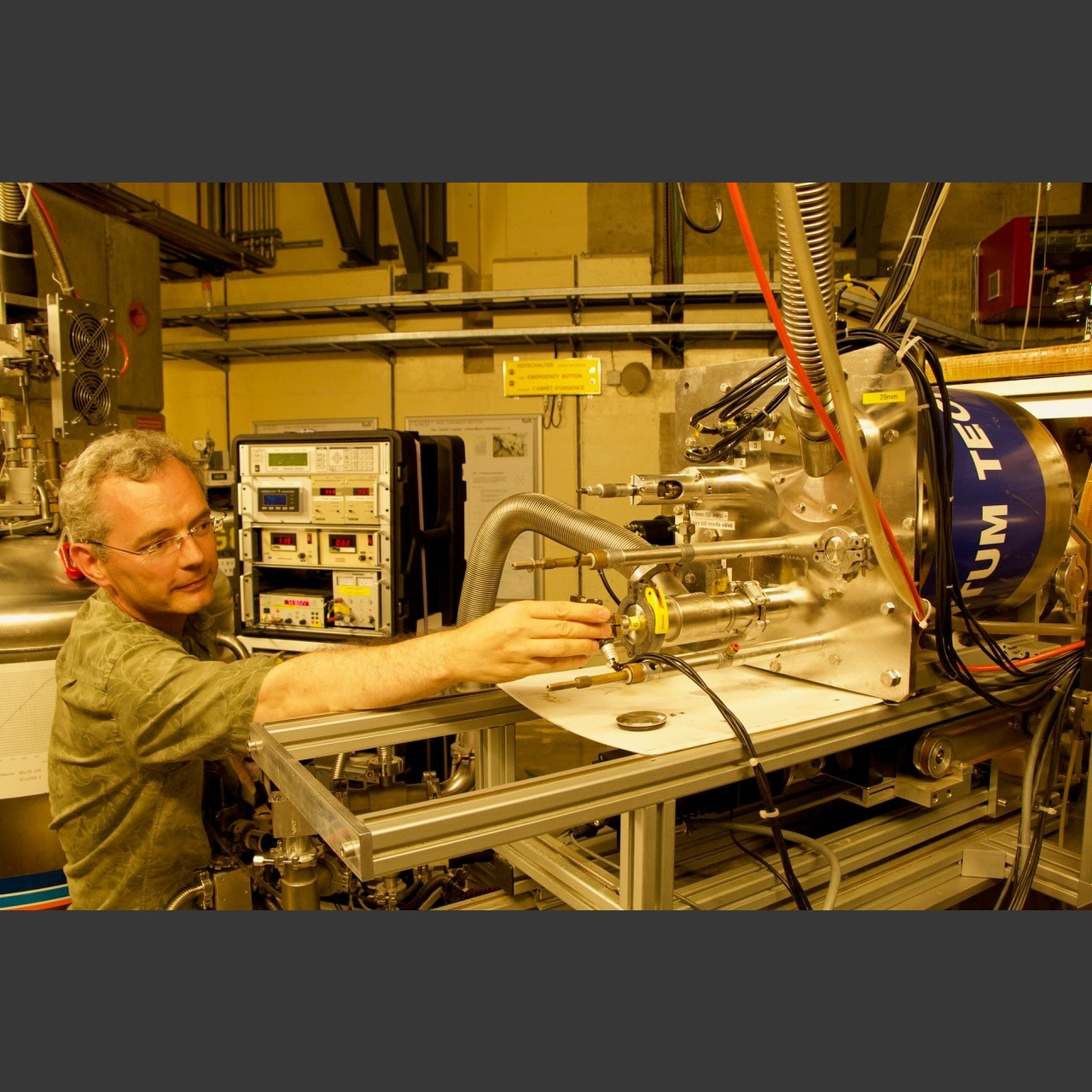
Atomic particles are extraordinary enough, winding left or right, spinning this way or that, entangling with each other though worlds apart. But now there’s more. Professor of Physics at Oxford University, Stephen Blundell tells us that particles are spinning in ways never noticed before. His team is analysing them to find new combinations – a new kind of chemistry! This could mean an entirely different way to make materials.
66 years ago, three researchers published a paper in the Journal Science titled Doomsday: Friday, 13 November, A.D. 2026. In it, they predicted the end of the world, but a few assumptions they made make the event unlikely. Jonathan Webb unravels this prediction with our myth-busting science reporter, Ellen Phiddian, explaining why we shouldn't worry… hopefully. You can binge more episodes of the Lab Notes podcast with science editor and presenter Jonathan Webb on the ABC Listen app (Australia). You'll find episodes on animal behaviour, human health, space exploration and so much more. Get in touch with us: [email protected] Featuring: Ellen Phiddian, science reporter Further information: This episode of Lab Notes was produced on the lands of the Gadigal, Ngunnawal and Ngambri people.
We don't know a lot about deep-sea eels, so when 2.8 million of them are found in the same place every year, scientists (and science reporters) get excited. Why are they there? Where are they coming from, and why should we care about these creatures from the depths? Jonathan Webb dives into this world of eels off the coast of Tasmania with environment reporter Peter de Kruijff. You can binge more episodes of the Lab Notes podcast with science editor and presenter Jonathan Webb on the ABC Listen app (Australia). You'll find episodes on animal behaviour, human health, space exploration and so much more. Get in touch with us: [email protected] Featuring: Peter de Kruijff, environment reporter Further information: Australia's giant spawning eel ball estimated to contain 2.8 million eels (https://www.abc.net.au/news/science/2026-10-28/australia-biggest-eel-ball-2-8-million-off-tasmania/107309716) This episode of Lab Notes was produced on the lands of the Gadigal, Ngunnawal and Ngambri peo