Listen through the publisher, then discuss the episode here or arrange an in-person Roundtable. Your city determines where to meet.
Roundtables are designed for groups of four, with a shared subject and room for everyone to speak. Come for discussion, with no dating expectation.
Professor Jim Falk of Melbourne looks at crumbling connections where there used to be unity. His concern is that issues being treated separately such as immigration, food supplies and climate, could affect each other adversely if not thought of as a whole, thus leading to even more chaos. The answer is scientific systems analysis. Jim Falk argues the case.
Episode information is provided by the publisher. Listening takes place on the publisher’s service.
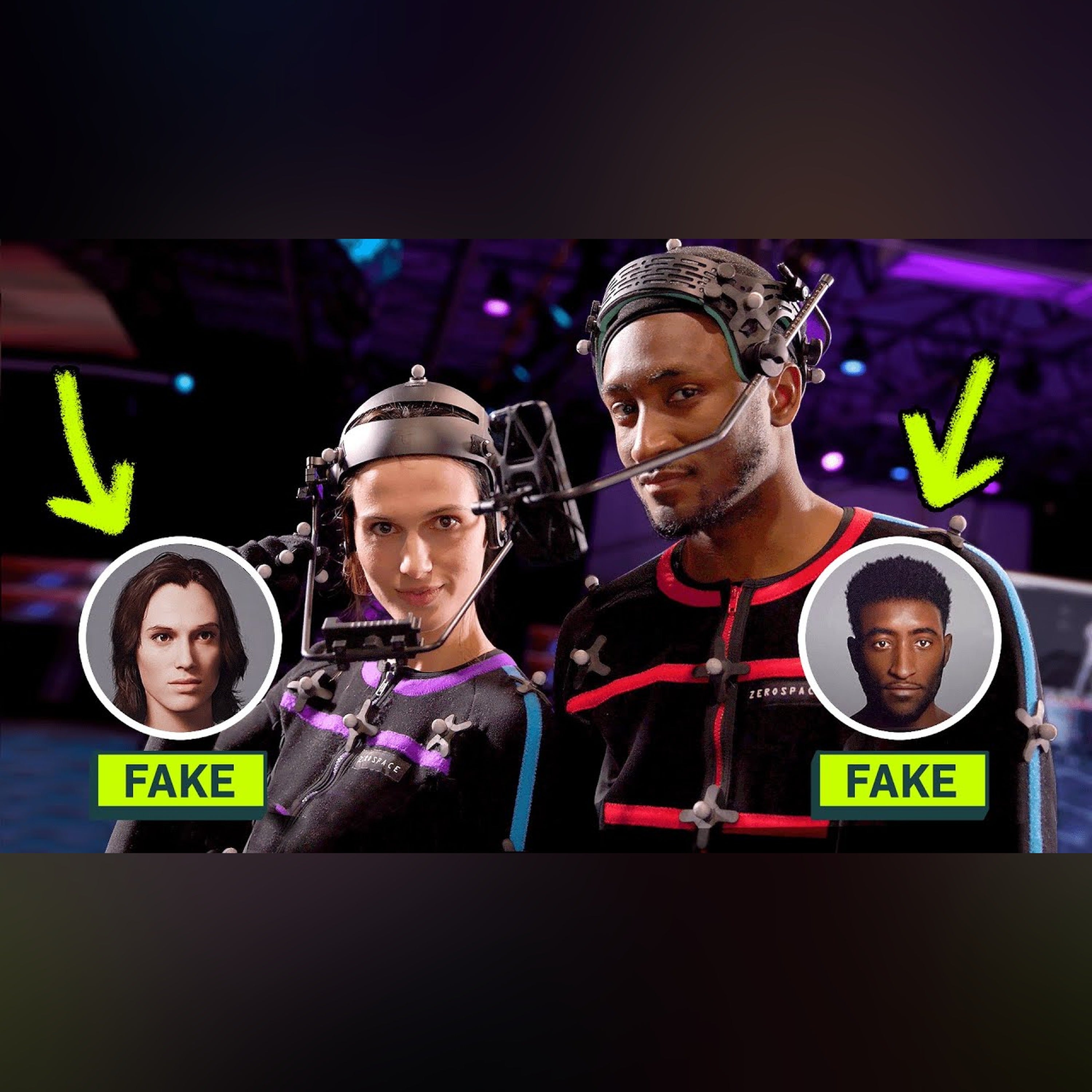
This new tech is changing how movies get made. So @mkbhd and I tested it out... Watch MKBHD's video: https://youtu.be/RM7SobH8ZO0 I’ve been obsessed with sci-fi movies since I was a kid. I love being transported to another world. But lately, I’ve been wondering: How do those worlds look so… REAL? The tech behind movies has exploded in complexity and realism, changing how stories come to life on screen. Luckily, at the same time, those tools are becoming more and more available to more people telling stories. It’s not just blockbusters like Avatar 2 or Avengers or Dune. It’s also smaller budget films like Everything Everywhere All at Once or even… YouTube creators? In this video, Marques Brownlee and I test out 3 movie-making tools that are changing how movies, shows, and maybe even YouTube videos (??) get made. We’re at ZeroSpace Studios in New York to show you how each of these crazy technologies work - and how you might be able to use them. Along the way, we hit big questions like: W
View pictures and support us on Patreon(https://www.patreon.com/user?u=73787379) This episode examines documented black bear encounters involving hikers, hunters, campers, homeowners, and backcountry workers. These incidents range from surprise encounters and defensive attacks to prolonged confrontations where bears returned repeatedly, testing human endurance, decision-making, and survival instincts.Black bears are often described as shy or non-aggressive, but these cases reveal how quickly circumstances can change when food sources, cubs, human behavior, or environmental pressure collide. Each story is carefully researched and presented to highlight what went wrong, what saved lives, and what these encounters reveal about black bear behavior in the wild.
Thank you to Raycon for supporting PBS. Brought to you by Raycon. There are cosmic events so powerful that they leave permanent marks on the fabric of the universe itself. Imagine two colossal black holes spiraling into each other, yes they send ripples in the fabric of spacetime—gravitational waves that we’ve only recently learned to sense. Ripples pass, leaving the pond … or the universe … unchanged when they’re gone. But ripples aren’t the only type of wave. There’s another type of wave that leaves a permanent mark—a memory etched in the fabric of the universe. They’re akin to gravitational tsunamis, and we’re on the verge of being able to detect them. Sign Up on Patreon to get access to the Space Time Discord! PBS Member Stations rely on viewers like you. To support your local station, go to:http://to.pbs.org/DonateSPACE Check out the Space Time Merch Store Search the Entire Space Time Library Here: https://search.pbsspacetime.com/ Hosted by Matt O'Dowd Written by Christopher Polla
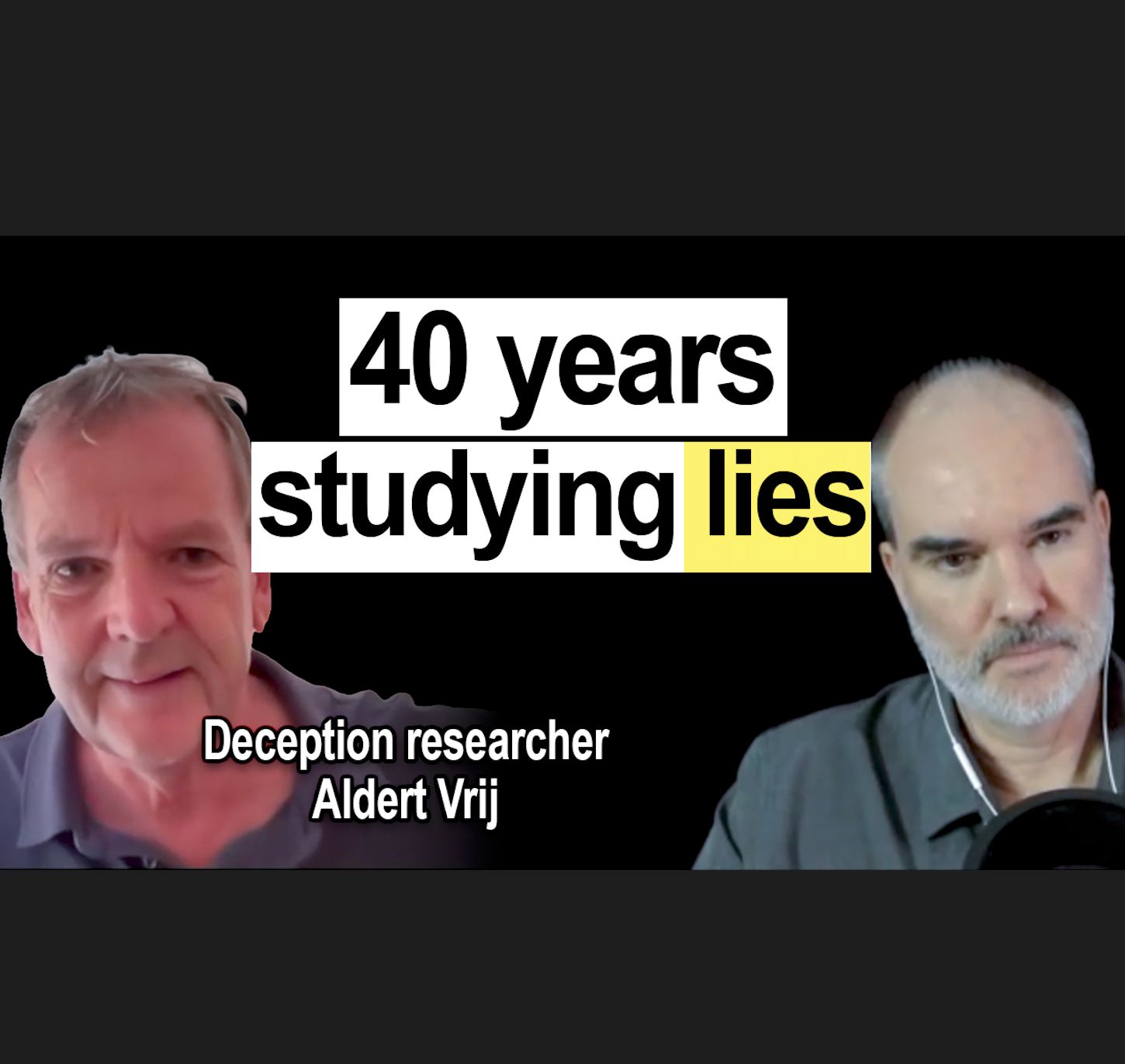
What actually works when it comes to detecting lies, and why are so many popular ideas about reading people and nonverbal behavior at odds with the scientific research? I talk with Aldert Vrij, one of the world's leading deception-detection researchers, who has spent almost four decades studying these topics. We discuss why what people say is far more revealing than their body language; why the perceived “sexiness” of reading nonverbal behavior has contributed to widespread myths and misconceptions; whether vocal behaviors like pitch, volume, and hesitation contain meaningful clues; and whether there's value in analyzing minor word choices and turns of phrase, as is done in so-called “statement analysis.” We discuss Paul Ekman's legacy as a source of faulty ideas about deception, micro-expression-based deception detection training, and the strategies that popular “body language experts” use to appear scientifically credible while simultaneously promoting ideas that conflict with the sc
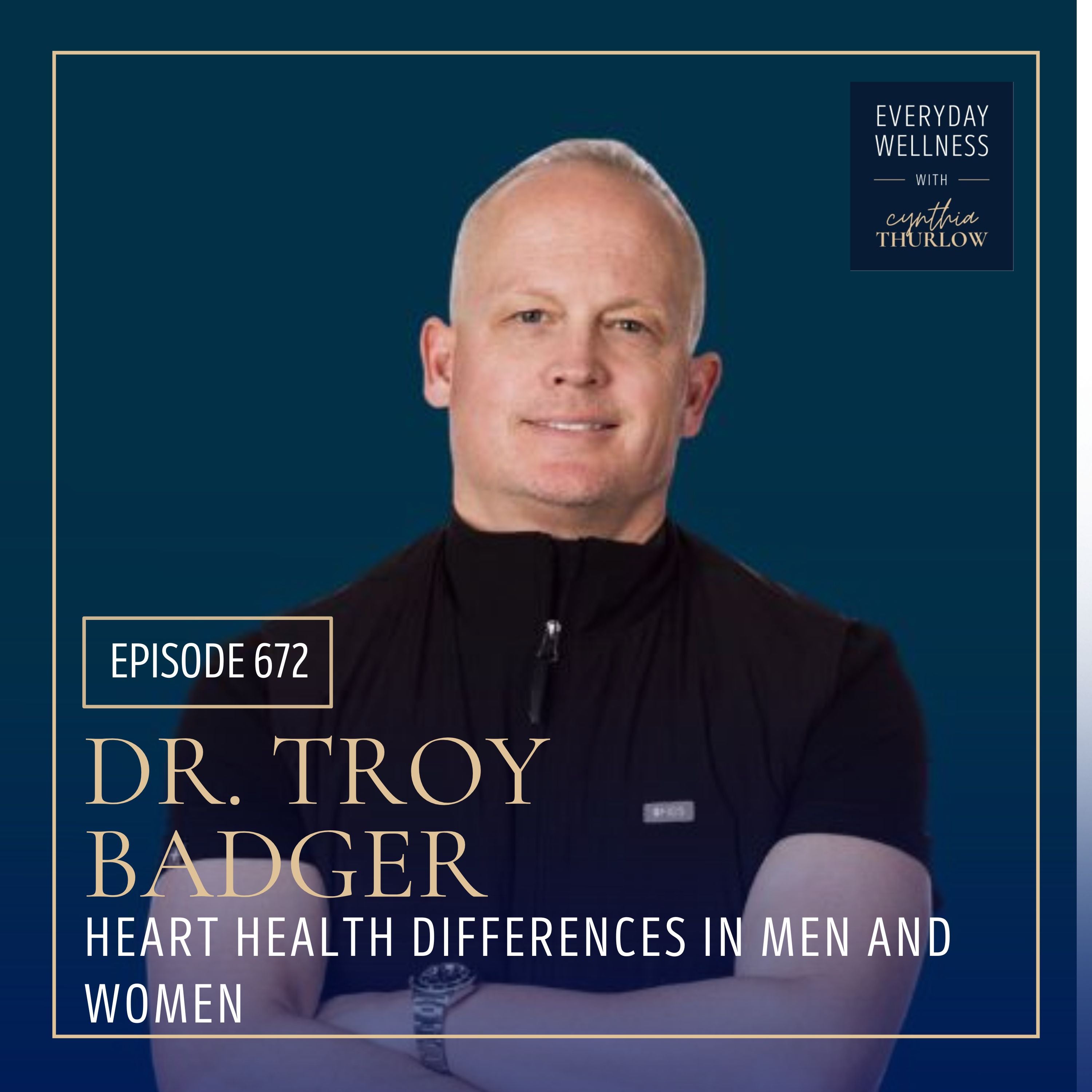
Today, I’m honored to connect with Dr. Troy Badger. He is a board-certified cardiologist and interventionalist and the founder of Cardiostrong, a concierge preventive cardiology clinic in Provo, Utah, focused on reducing cardiovascular risk, optimizing metabolic health, and improving strength and cardiorespiratory fitness for executives and athletes. In today’s conversation, we discuss Dr. Badger’s gender- and age-specific approach to heart health, including treatment differences for men and women, and diagnoses such as INOCA, SCAD, vasospastic disease, and Takotsubo. We examine emotions and their influence on heart health, coronary ischemia and cardiomyopathies, labs and diagnostics, how Dr. Badger assesses risk in his patients, and the differences between a CAC and a CCTA. Dr. Badger also shares the labs he finds essential for all patients and discusses the role of VO2 Max, cardiovascular training, and lifestyle—specifically nutrition, the use of GLP-1 drugs, and a multidisciplinary
Birds, possums, blue-tongued lizards, all populate our cities and getting to know them is a project of ecologist Darryl Jones and science teacher Ann Göth. Wild Neighbours explores the habits, personalities, quirks, ingenuity and everyday dramas of the animals and plants that live among us.
It was founded in 1940 as a home for Australian poetry, fiction, essays, memoir, and criticism. Its name comes from a First Nations word for the area around central Brisbane. Meanjin was published for many years by Melbourne University Press and closed in 2025. But in 2026 it is reemerging, published by Queensland University of Technology with editor Ashley Hay.
While interest in science amongst Australian school children is sometimes questioned, we contrast Australia with the situation in Taiwan. Fang Hui-Shih from the National Taiwan Museum describes interest in science amongst her country’s students as strong. Being educated, 90 per cent of the population accept the science of climate change, and the country has a strong community of citizen scientists.
Classroom technology should prove educational value before becoming standard.
Share your view, then see how readers voted. No sign-in required. This poll is shared across stories.
Do you agree or disagree?
Common Quandary
A Common Quandary to discuss
Another conversation to explore, separate from this news story.
You wear an expensive outfit once and return it spotless. Clever or dishonest?
You buy an expensive outfit for a single event, keep it spotless, and return it the next day. The store's generous policy allows returns without asking whether an item was worn.
Does exploiting a policy differ from breaking a rule?