Listen through the publisher, then discuss the episode here or arrange an in-person Roundtable. Your city determines where to meet.
Roundtables are designed for groups of four, with a shared subject and room for everyone to speak. Come for discussion, with no dating expectation.
View full lesson: http://ed.ted.com/lessons/the-loathsome-lethal-mosquito-rose-eveleth Uploaded 02-12-13 Everyone hates mosquitoes. Besides the annoying buzzing and biting, mosquito-borne diseases like malaria kill over a million people each year (plus horses, dogs and cats). And over the past 100 million years, they've gotten good at their job -- sucking up to three times their weight in blood, totally undetected. So shouldn't we just get rid of them? Rose Eveleth shares why scientists aren't sure. Lesson by Rose Eveleth, animation by Karrot Animation.
Episode information is provided by the publisher. Listening takes place on the publisher’s service.
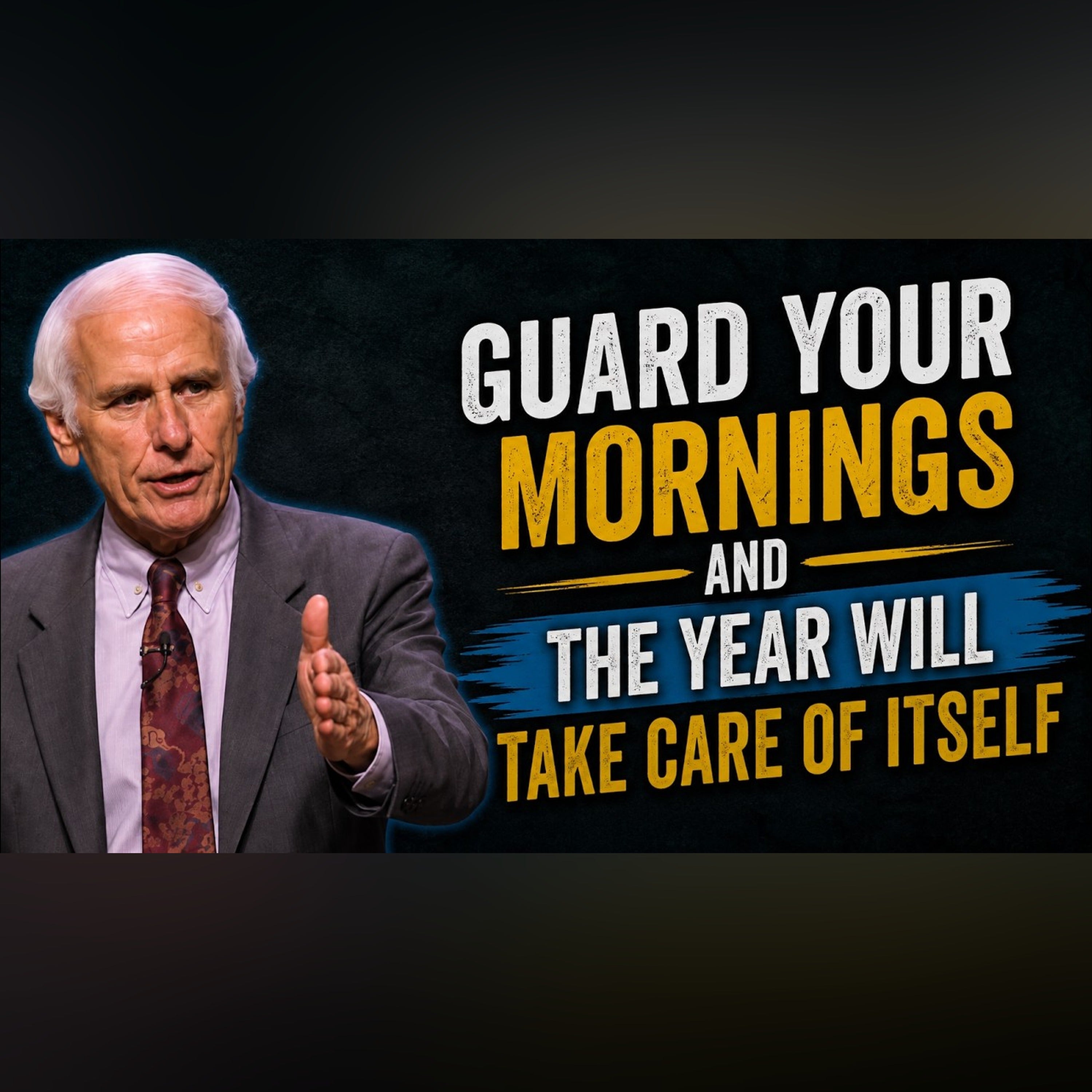
I know it sounds like an exaggeration. It sounds like the kind of thing a man says to sound wise. But I have tested it against the lives of people who succeeded and people who struggled, and the pattern is so consistent it stopped surprising me a long time ago. Uploaded 23-08-26 The ones who built something lasting almost all had a grip on their mornings. They owned the first hour. They did not let the day happen to them. They happened to the day. And the ones who felt forever behind had lost their mornings without ever noticing they had lost them. A morning does not announce its importance. It slips by so quietly that most people never stop to ask what happened to it. And what slips away with it is the one stretch of the day when you had the clearest access to yourself. Here is the truth: whatever you give your freshest attention to, you have declared to be most important. Most people, without ever deciding to, have crowned their interruptions. This seminar unpacks the single mechanic
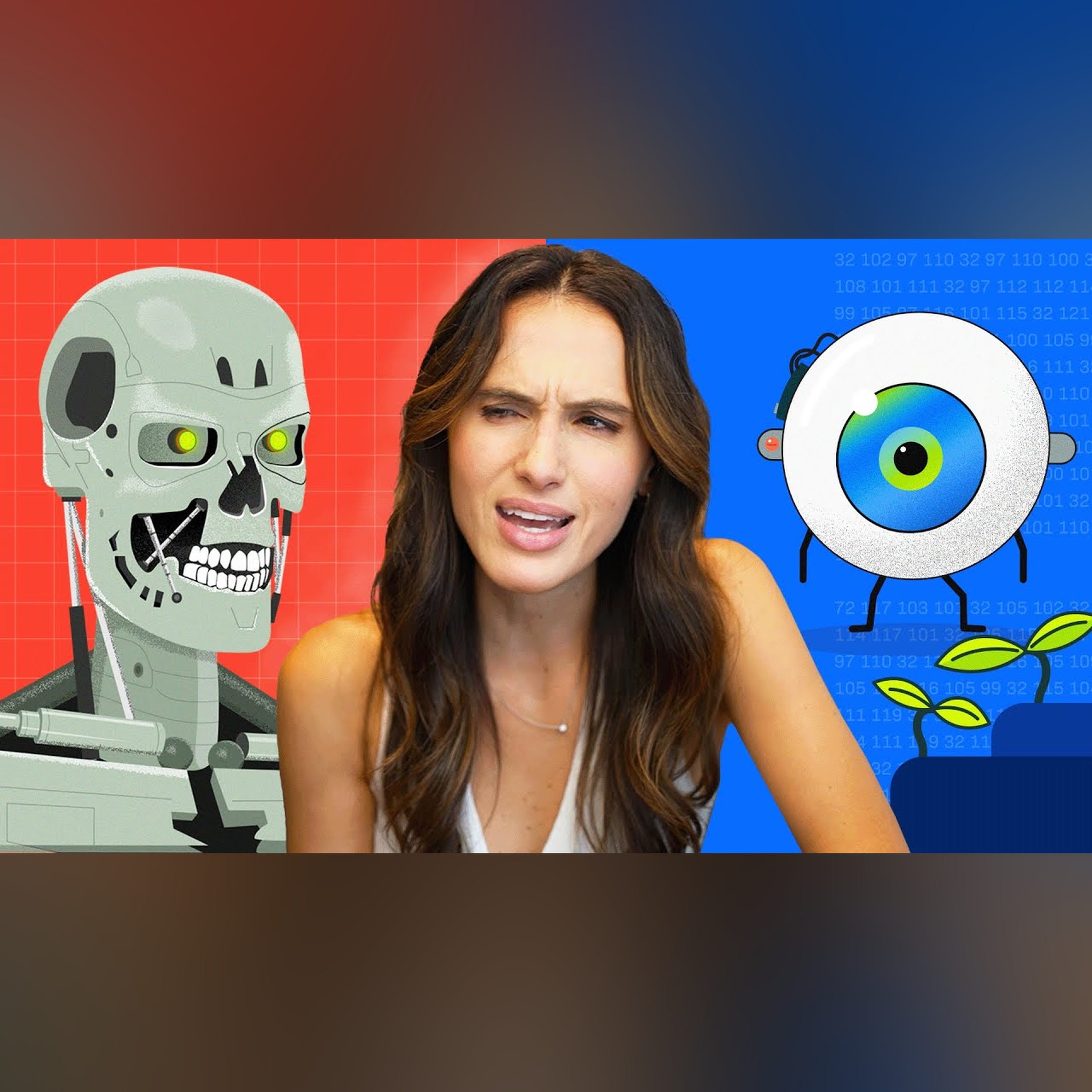
AI is here. Now what? Everyone’s talking about artificial intelligence and machine learning. There are lots of names thrown around - OpenAI’s ChatGPT and DALLE-2, Google’s Bard, Meta’s LLaMa 2, Midjourney, AlphaFold… Right now, we’re in this weird moment where lots of smart people agree we’re on the cusp of a truly world-changing technology. But some seem to be saying it's going to lead to human extinction while others are saying it’s “more profound than fire.” But it all feels so VAGUE. I want to know: How specifically would AI kill me? Or totally transform my life for the better? In this video, that’s what I’m going to try to learn. We dive into what the most extreme bad and good AI futures actually look like, so that you and I can get ready. And more importantly, so we can make sure that we get our real future RIGHT. Chapters: 00:00 Why is AI so confusing? 1:13 What is AI? 2:37 Why is everyone talking about AI now? 5:12 Why is AI dangerous? 6:22 How would AI kill me? 8:08 Should we
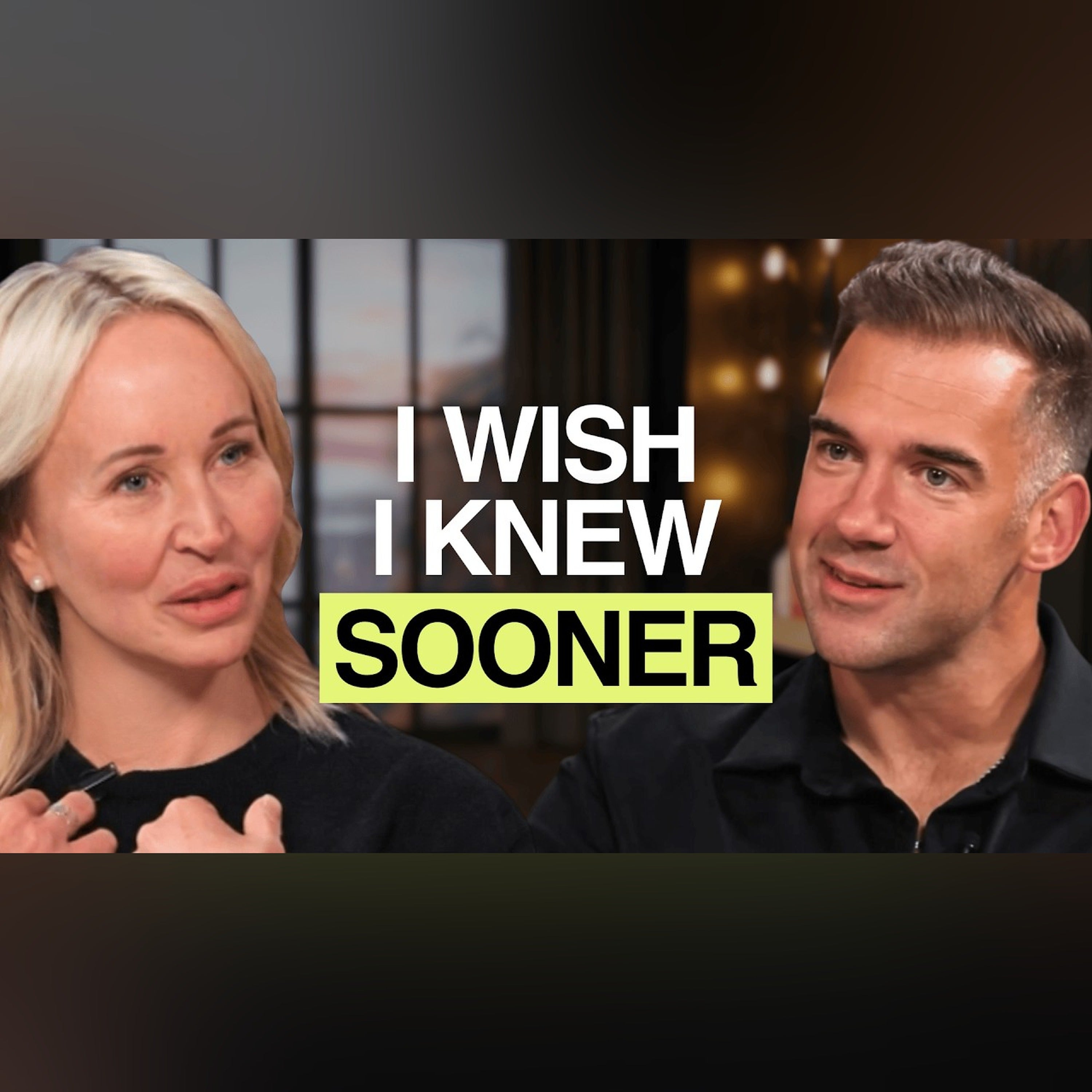
What if everything you've been chasing was already inside you? It took me 40 years to understand that happiness isn't somewhere in the future, it's here, in this moment. As a younger woman, I avoided pain, resisted it, distracted myself from it. What I know now is that pain doesn't break us. It rearranges us. And on the other side of it is something I wouldn't trade for anything, lived wisdom, inner comfort, and a clarity that simply cannot be rushed. Uploaded 04-03-26 In this conversation with @lewishowes, I share what I wish I had known decades sooner: about fulfillment, presence, the gift hidden inside our most difficult moments, and why it might just be the simplest things that wake us up the most. Watch more videos like this How To End Self Sabotage with 1 Simple Choice: https://youtu.be/-0Ln4-h4LQQ Do This When You Feel Triggered and Your Life Will Transform: https://youtu.be/h7YylJ3nuok Creating Moments of Stillness in the Chaos: https://youtu.be/eR6e50AmeRY Turning Towards Fear
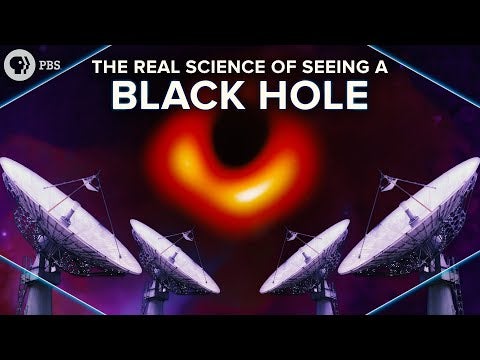
You can learn more about CuriosityStream at https://curiositystream.com/spacetime Uploaded 01-05-19 PBS Member Stations rely on viewers like you. To support your local station, go to: http://to.pbs.org/DonateSPACE How do you take a picture of a black hole and what can we learn from it? Our first ever actual bona fide photo of a black hole, made by the Event Horizon Telescope and revealed to the world in a press conference on April 10th. Since then it’s got plenty of coverage, because … I mean look at it. It’s a freaking black hole. It’s black, it’s holey, it’s everything we hoped it would be. Now that the giddiness has subsided and I personally have stopped spending hours on end staring at a black spot, we can take a breath and actually look at the real science here and discuss exactly how a picture like this could be taken and what we can learn from it. Check out the new Space Time Merch Store! Support Space Time on Patreon Need a Black Hole Refresher #Blackhole #astrophysics #spaceti
Master the skills that change lives — enroll in your free human behavior course today: https://nci.university/learn Uploaded 14-03-26 During the first ninety seconds of any interaction, a window opens in the human brain that most people never notice. A specific sequence of neurological events unfolds — predictable, exploitable, and almost never taught outside of military and intelligence training. Very few people alive understand the full mechanics of what happens inside that window. Only operators, interrogators, and behavioral scientists with the right access have ever had this mapped out for them. Someone made sure it stayed that way. Every interaction you've ever had — every negotiation, every first impression, every moment you walked into a room — was governed by this sequence. You were either running it or it was being run on you. Most people spend their entire lives on the receiving end without ever knowing it. Language is the delivery system. But language isn't where it starts.
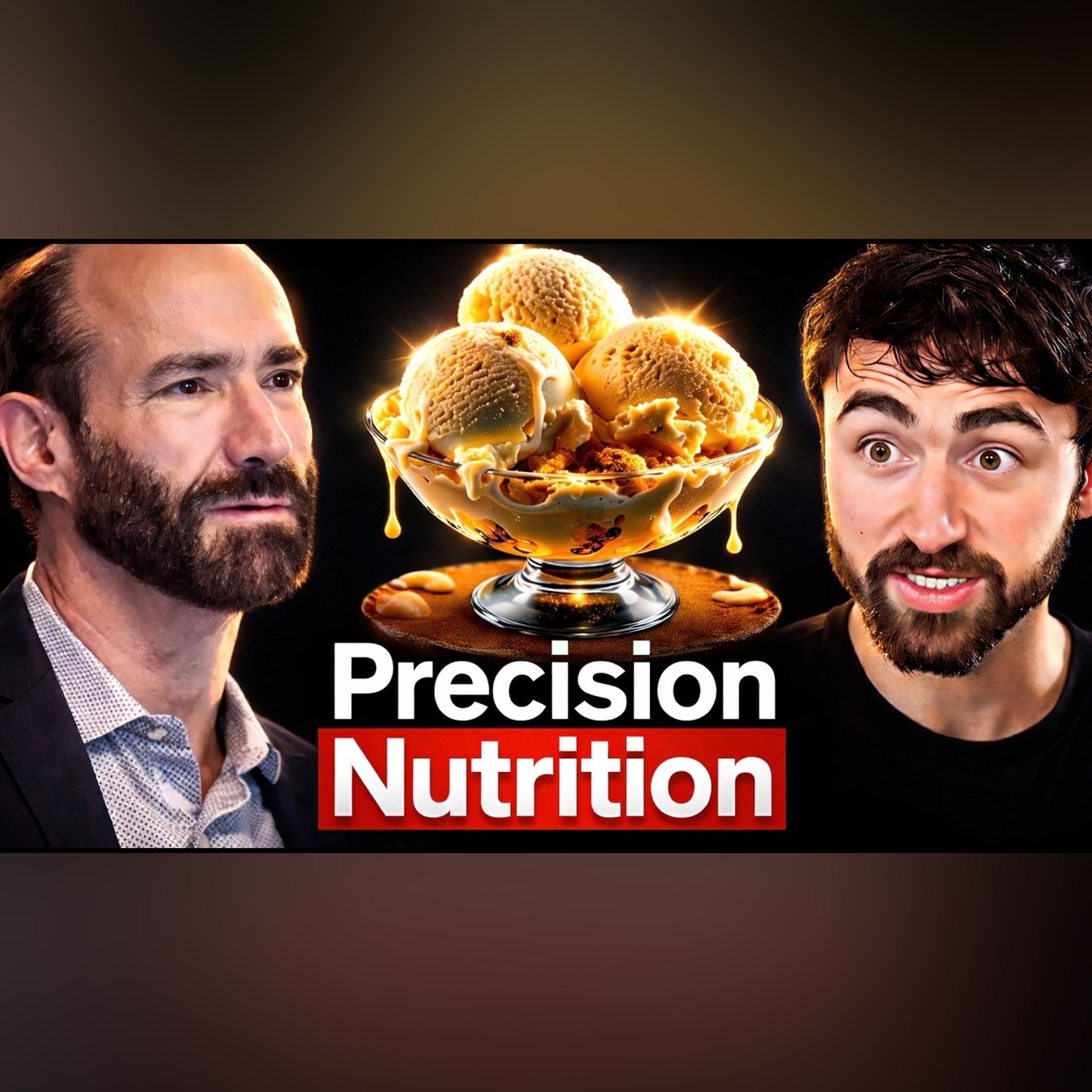
StayCurious Newsletter on Snyder’s Fiber Randomized Controlled Trial: https://staycuriousmetabolism.substack.com/p/fiber-is-good-for-you-is-lazy-science?r=40ekz2 StayCurious Newsletter on Inulin and Fructose Resistance: https://staycuriousmetabolism.substack.com/p/the-fiber-that-fights-fat-how-inulin?r=40ekz2 Snyder Interview 1, Four Types of Diabetes: https://youtu.be/mCrc4gfbK2o Snyder Interview 2, Most Viral Aging Study: https://youtu.be/kMpGkg4zMOU Snyder Interview 3, Most Beautiful Exercise Study: https://youtu.be/_9ywulQF2Ho Why does the same food spike one person’s blood sugar while barely affecting another? In this fourth conversation with Stanford’s Professor Michael Snyder, we explore new research on individualized glycemic responses, insulin resistance subtypes, and why one-size-fits-all nutrition advice keeps failing. From rice spiking glucose more than ice cream, to the power of the grape-to-potato ratio, and beyond, this discussion reveals how metabolism, microbiome, immu
Damon Horowitz reviews the enormous new powers that technology gives us: to know more -- and more about each other -- than ever before. Drawing the audience into a philosophical discussion, Horowitz invites us to pay new attention to the basic philosophy -- the ethical principles -- behind the burst of invention remaking our world. Where's the moral operating system that allows us to make sense of it? (Filmed at TEDxSiliconValley.) Uploaded 08-08-13 Talk by Damon Horowitz.
View full lesson: http://ed.ted.com/lessons/how-to-defeat-a-dragon-with-math-garth-sundem Having trouble remembering the order of operations? Let's raise the stakes a little bit. What if the future of your (theoretical) kingdom depended on it? Garth Sundem creates a world in which PEMDAS is the hero but only heroic when in the proper order. Lesson by Garth Sundem, animation by Mark Phillips.
View full lesson: http://ed.ted.com/lessons/the-secret-lives-of-baby-fish-amy-mcdermott Uploaded 11-08-14 Coral reef fish, like the yellow tang surgeonfish, begin life in a fascinating and weird way – as tiny floating larvae! These babies are capable of drifting thousands of miles on ocean currents, far from the reefs where they were born. Amy McDermott describes how these tiny trekkers travel across vast oceans, searching for the far-flung reefs they will one day call home. Lesson by Amy McDermott, animation by Reflective Films.
Keeping food affordable should not require producers to work for an unsustainable income.
Share your view, then see how readers voted. No sign-in required. This poll is shared across stories.
Do you agree or disagree?
Common Quandary
A Common Quandary to discuss
Another conversation to explore, separate from this news story.
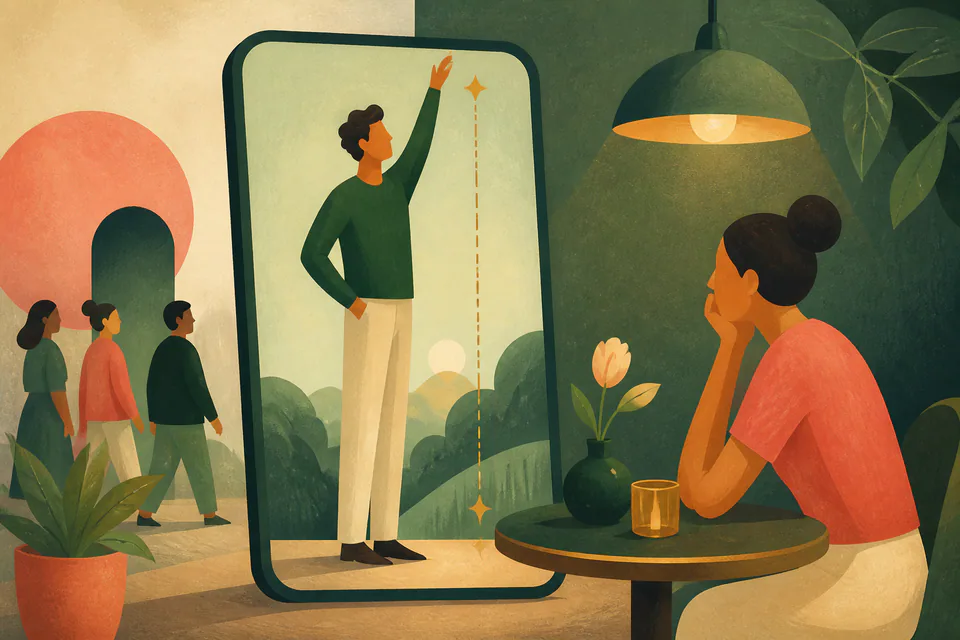
Everyone exaggerates on dating apps. Are two imaginary inches harmless?
A friend adds two inches to their listed height because they believe filters exclude them before personality has a chance. They plan to be charming enough that a date will not care once they meet in person.
Can deception be a fair response to superficial gatekeeping?