English-language podcasts

PBS Space Time

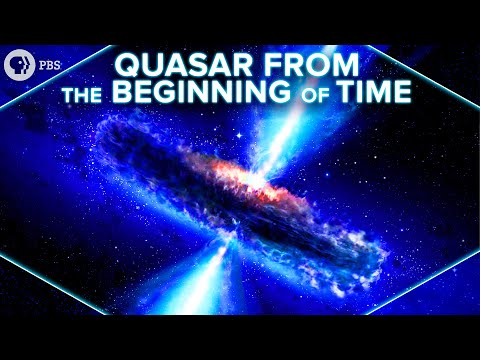
The Quasar from The Beginning of Time | STELLAR
12 min

Listen through the publisher, then discuss the episode here or arrange an in-person Roundtable. Your city determines where to meet.

Roundtables are designed for groups of four, with a shared subject and room for everyone to speak. Come for discussion, with no dating expectation.

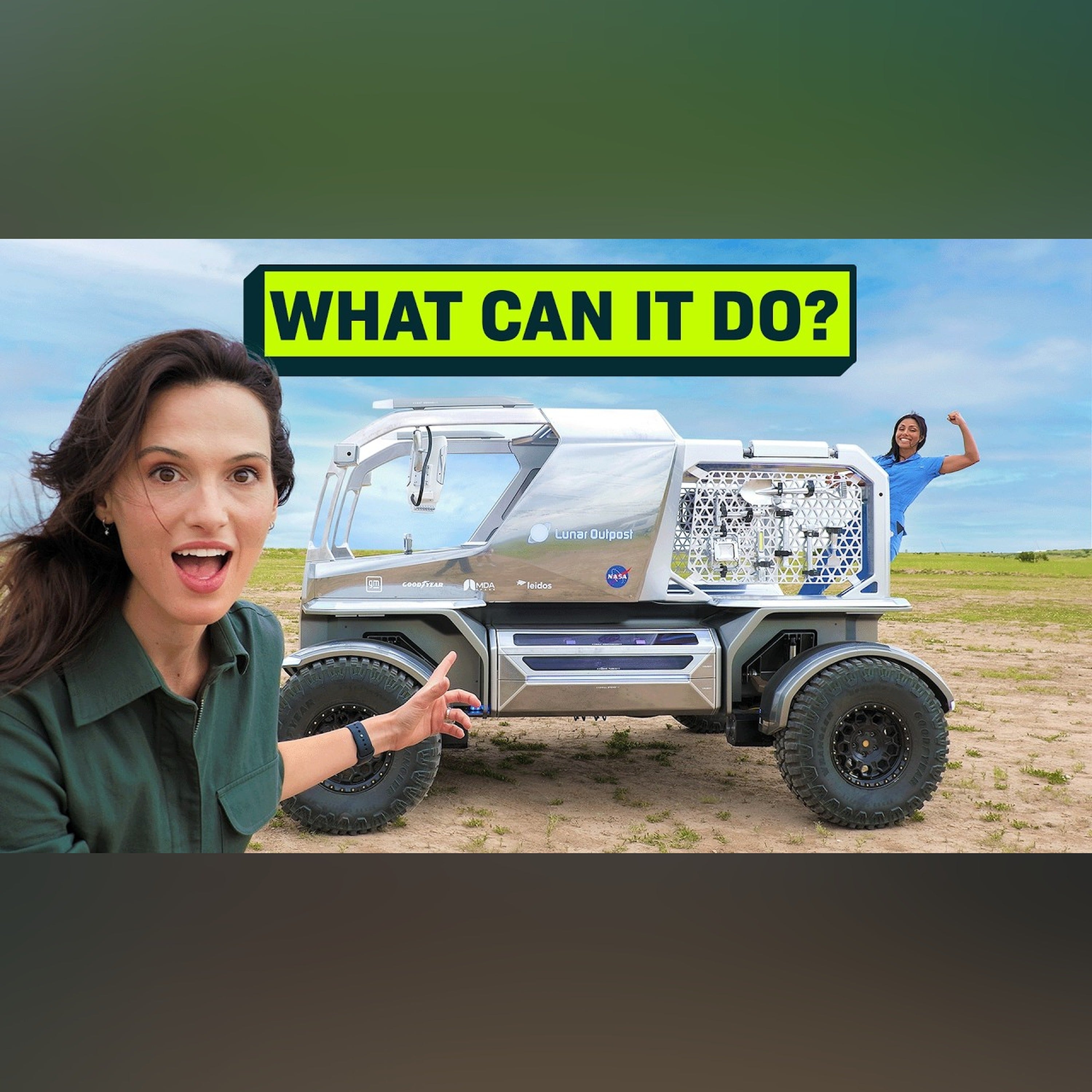
Thank you to Draper and its "We Hack the Moon" initiative for supporting PBS Digital Studios. Learn more at https://wehackthemoon.com. (https://wehackthemoon.com./) Uploaded 20-06-19 PBS Member Stations rely on viewers like you. To support your local station, go to: http://to.pbs.org/DonateSPACE Check out Physics Girl visit LIGO to see where they discovered Gravitational Waves Recently, the oldest quasar ever seen was discovered by the Gemini North telescope in Hawaii, the Magellan Telescopes at Las Campanas Observatory in Chile, as well as the Large Binocular Telescope in Arizona. In this first episode of the PBS DS mini-series, STELLAR, Matt travels to the top of Mauna Kea to visit the Gemini North telescope and see just how they found this ancient Quasar and it’s massive black hole. Stellar is a brand new miniseries done in collaboration with Dianna Cowern from @Physics Girl and Joe Hanson from @It's Okay To Be Smart Over six episodes we travel to some of the world's most important telescopes, go inside amazing space research centers, and talk with brilliant scientists. Next up, Dianna from Physics Girl visits LIGO observatory in Washington that detected the very first gravitational waves. Then Joe Hanson visits one of the telescopes that was part of world spanning Event Horizon Telescope. You'll be able to see future episodes on the Physics Girl and It’s Okay to be Smart YouTube channels, as well as the PBS Digital Studios Facebook page. Stellar is a part of the PBS Summer of Space. There will be lots of awesome space-related content all summer long on PBS. See what's happening at https://www.pbs.org/summer-of-space/ #SummerOfSpacePBS #astrophysics #space Special Thanks to Joy Pollard and Gemini Observatory for all their help making this episode. Check out the new Space Time Merch Store! Support Space Time on Patreon Hosted by Matt O'Dowd Written by: Sophia Chen, Matt O'Dowd, Andrew Kornhaber, Eric Brown Directed by: Eric Brown and Andrew Kornhaber Producer: Randa Eid Director of Photography: Eric Brouse Sound: Tobi Nova Production Assistant: Anna Bosketti Editing: Pavel Ezrohi Graphics: Murilo Lopes Assistant Editing: Daniel Sircar Produced By: Kornhaber Brown

Episode information is provided by the publisher. Listening takes place on the publisher’s service.

Listen at the source ↗

Featured places to meet in Palo Alto, CA

Explore these places and arrange a conversation through ThinkMatch.

City guide for Palo Alto, CA

More from PBS Space Time

PBS Space Time

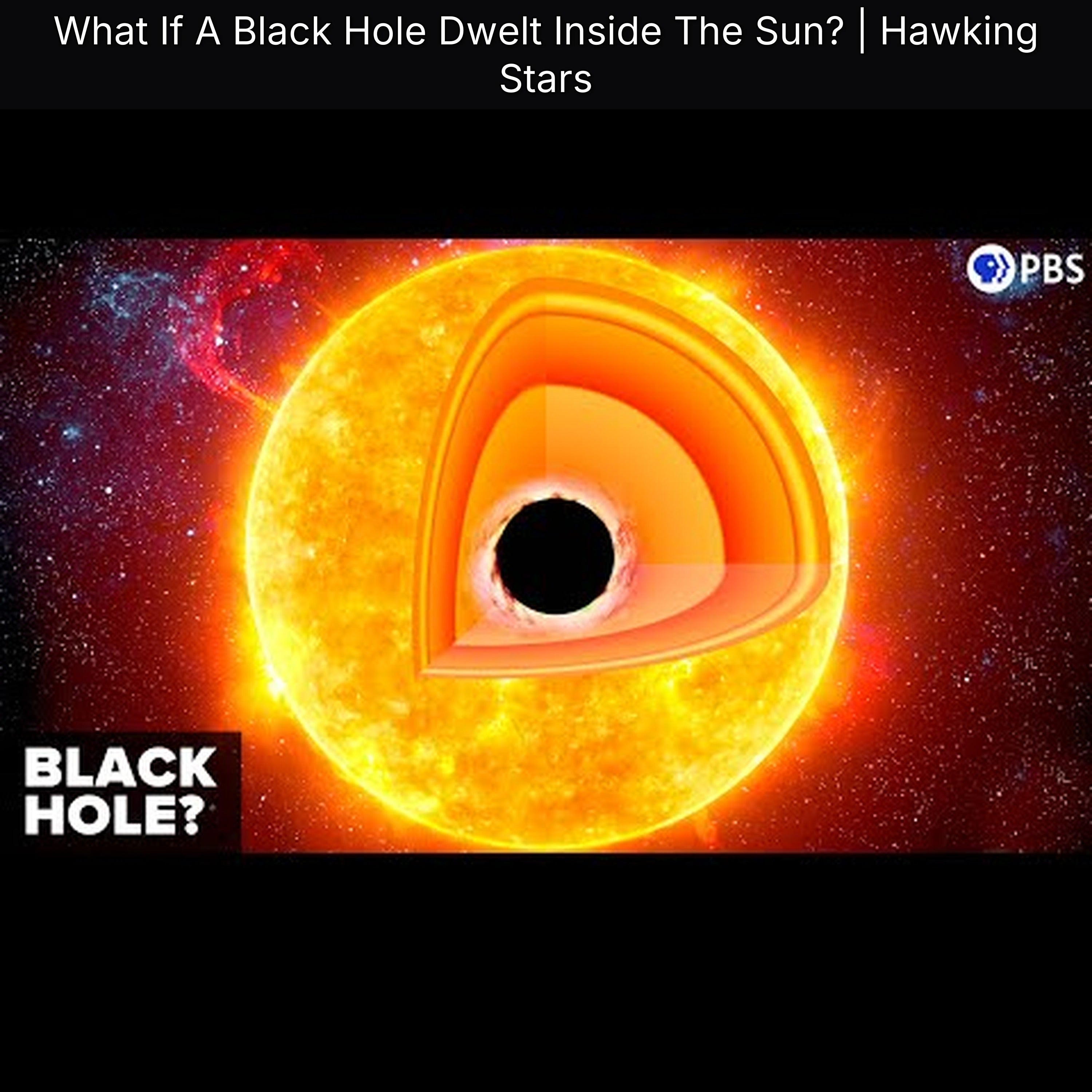
What If A Black Hole Dwelt Inside The Sun? | Hawking Stars

24 min

PBS Member Stations rely on viewers like you. To support your local station, go to:http://to.pbs.org/DonateSPACE Sign Up on Patreon to get access to the Space Time Discord! A fun nightmare sci-fi scenario is the sun being consumed by a black hole. Fortunately the chance of a black hole randomly wandering into our solar system is pretty tiny. That’s good news. But what if it’s already here, hiding in the core of the Sun and slowly eating it from the inside out? Hawking Stars Journal Papers: Search the Entire Space Time Library Here: https://search.pbsspacetime.com/ Hosted by Matt O'Dowd Written by Matt Caplan & Matt O'Dowd Post Production by Leonardo Scholzer, Yago Ballarini & Stephanie Faria Directed by Andrew Kornhaber Associate Producer: Bahar Gholipour Executive Producers: Eric Brown & Andrew Kornhaber Executive in Charge for PBS: Maribel Lopez Director of Programming for PBS: Gabrielle Ewing Assistant Director of Programming for PBS: John Campbell Spacetime is produced by Kornhaber

Discuss this episode

PBS Space Time

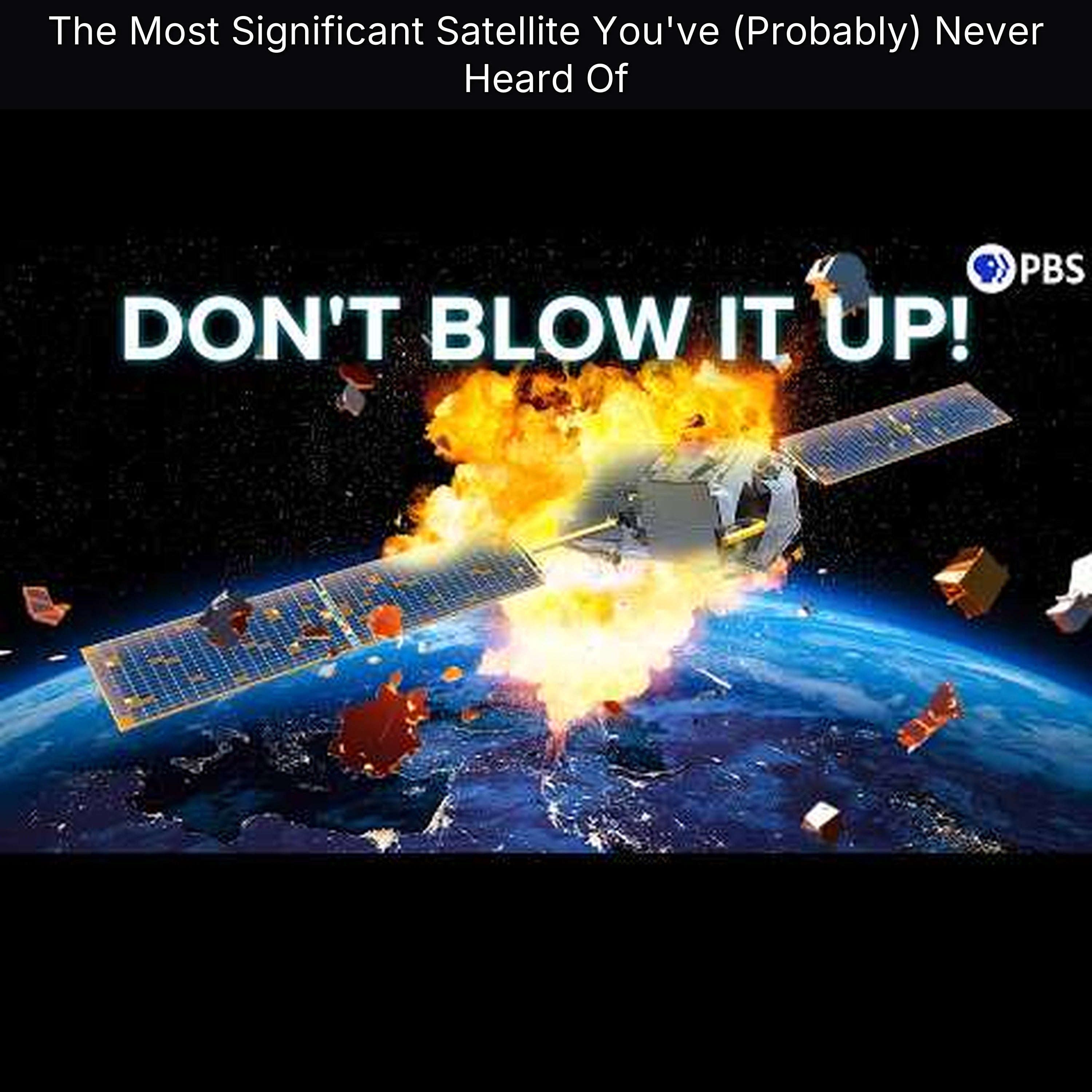
The Most Significant Satellite You've (Probably) Never Heard Of

20 min

Remove your personal information from the web at https://joindeleteme.com/SPACETIME One of the most important reasons we go to space is to know our own planet better. Today I'm going to tell you about an orbiting facility that literally watches Earth's biosphere breath and grow and die with incredible resolution. I'll talk about its profound existential and economic importance, and about why it's in danger of being lost. PBS Member Stations rely on viewers like you. To support your local station, go to:http://to.pbs.org/DonateSPACE Sign Up on Patreon to get access to the Space Time Discord! Check out the Space Time Merch Store Pale Blue Dot By Carl Sagan Search the Entire Space Time Library Here: https://search.pbsspacetime.com/ Hosted by Matt O'Dowd Written by Fernando Franco Félix & Matt O'Dowd Post Production by Leonardo Scholzer, Yago Ballarini & Stephanie Faria Directed by Andrew Kornhaber Associate Producer: Bahar Gholipour Executive Producer: Andrew Kornhaber Executive in Charge

Discuss this episode

PBS Space Time

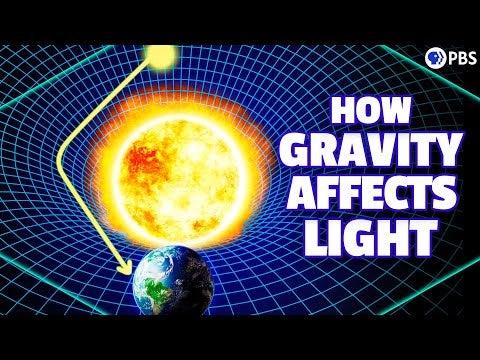
How Does Gravity Affect Light?

18 min

PBS Member Stations rely on viewers like you. To support your local station, go to: http://to.pbs.org/DonateSPACE ↓ More info below ↓ Uploaded 09-03-21 We know that gravity exerts its pull on light, and we have an explanation for why. Actually, we have multiple explanations that all predict the same thing. And at first glance, these explanations seem to describe completely different causes. So what is the true connection between light and gravity, or is truth, in fact, entirely relative? Sabine Hossenfelder's episode "Do we travel through time at the speed of light?" Check out the Space Time Merch Store Hosted by Matt O'Dowd Written by Matt O'Dowd Graphics by Leonardo Scholzer, Yago Ballarini, Pedro Osinski, Adriano Leal and Stephanie Faria GFX Visualizations: Katherine Kornei Directed by Andrew Kornhaber Assistant Producer: Setare Gholipour Executive Producers: Eric Brown and Andrew Kornhaber "FREE GMC Motorhome reimagined low poly" (https://skfb.ly/6XxAN) by Karol Miklas is licensed

Discuss this episode

Community Poll

Schools should restrict personal phone use during lessons.

Share your view, then see how readers voted. No sign-in required. This poll is shared across stories.

Do you agree or disagree?

Choose one answer

Common Quandary

A Common Quandary to discuss

Another conversation to explore, separate from this news story.

Someone you love asks, “Do you think I’ll be okay?” What if you do not?

A relative with a poor prognosis asks whether you think they will recover. They seem to need reassurance, but you believe the odds are very low and do not want to spend the remaining time pretending.

Can preserving hope justify saying more than you believe?

Explore this quandary