Listen through the publisher, then discuss the episode here or arrange an in-person Roundtable. Your city determines where to meet.
Roundtables are designed for groups of four, with a shared subject and room for everyone to speak. Come for discussion, with no dating expectation.
Most people hate mosquitoes, but biotechnologist and TED Fellow Felix Hol thinks they're beautiful. He takes us inside his lab, where his team developed some unusual ways to study how these blood-sucking insects find us and feed so fast. He also explains why insecticides may send certain mosquitoes into overdrive — and how we can find smarter ways to curb the diseases they spread. (Following his story, pulled from a short film he made for TED, Hol speaks with Lily James Olds, director of the TED Fellows program, on why he’s relying on open source to share data and how he’s excited to learn more about mosquitoes navigating different temperature landscapes.) Hosted on Acast.
Episode information is provided by the publisher. Listening takes place on the publisher’s service.
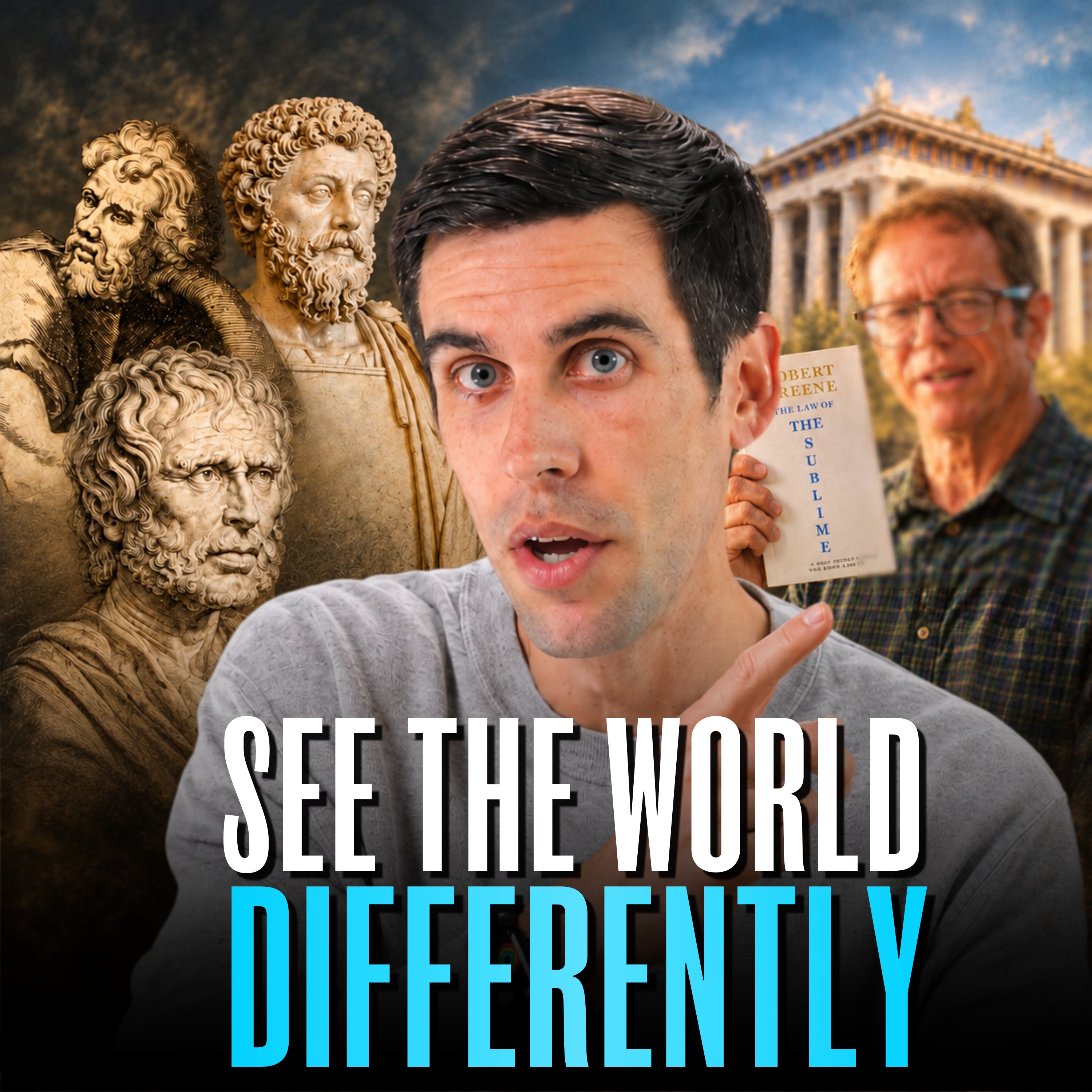
We spend so much time caught up in the demands of everyday life that we forget to appreciate how extraordinary it is to be alive. Inspired by Robert Greene's new book, The Law of the Sublime (https://www.thepaintedporch.com/products/the-law-of-the-sublime?_pos=13&_sid=e0d7a8c03&_ss=r), Ryan explores what the Stoics understood about finding beauty in the ordinary, seeing life from a different perspective, recognizing our connection to something bigger than ourselves, and remembering just how lucky we are to be alive. Watch this episode (https://www.youtube.com/watch?v=eCjqWcbsK1M) on YouTube: https://www.youtube.com/watch?v=eCjqWcbsK1M Watch the NEW Robert Greene Daily Stoic Podcast Episode HERE (https://www.youtube.com/watch?v=Kp_wYiuPD_o): https://www.youtube.com/watch?v=Kp_wYiuPD_o If you want to get your own dedicated privacy specialist and an emergency threat response team who can protect the privacy of you and your family, go to https://incogni.com/dailystoic Hosted on Acast.
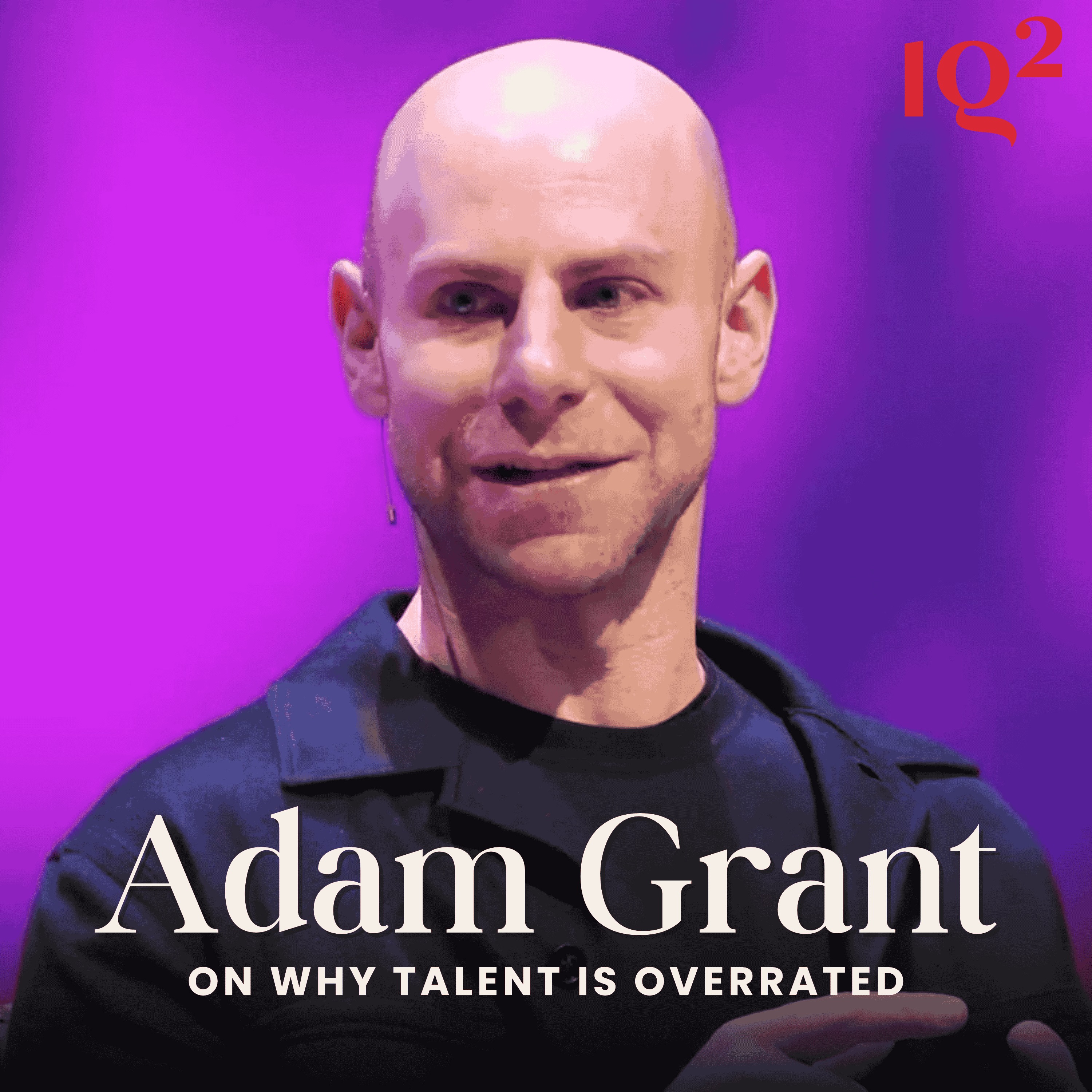
Adam Grant is one of the most sought after organisational psychologists in the world. He has provided expert advice to many of the world’s greatest business leaders, including Bill Gates and Sheryl Sandberg, equipping them with the mental tools to find motivation and meaning, rethink assumptions, and achieve greatness in their business and personal lives. In January 2024 Grant came to the Intelligence Squared stage for a rare, exclusive London event where he shared his revolutionary framework for how we can all exceed the expectations and aspirations we have set for ourselves. Drawing on his new book Hidden Potential he explained that despite living in a world that tends to admire people who start out with innate talent, there is clear scientific evidence that we can all bridge the biology gap and improve ourselves dramatically. In conversation with economist and FT columnist Tim Harford, Grant wove together groundbreaking evidence, surprising insights, and vivid story telling to take
Johannes Vermeer painted about three dozen pictures that we know of. He had eleven children, died in debt in 1675, and was more or less forgotten for two centuries. And yet, the Girl with a Pearl Earring, The Milkmaid, his View of Delft have become some of the most famous paintings in history. Reflecting on seeing Vermeer's interpretation of the Dutch city Proust said "Ever since I saw the View of Delft in the museum in The Hague, I have known that I had seen the most beautiful painting in the world." But it's not just beauty that the painter imbued onto the world, art critic Andrew Graham Bell says that Vermeer "is the painter who holds up the beacon to humanity of where humanity should go, and that has been forgotten." In this episode our art critic Michael Prodger is joined by Andrew Graham-Dixon to discuss his latest book - Vermeer: A Life Lost and Found. Hosted on Acast.
Today, Mel is doing something she's never done before on The Mel Robbins Podcast. She's bringing members of her team into the studio for live coaching with world-renowned communications expert Vinh Giang. Vinh is known for teaching millions of people online how to stop sounding insecure, speak more clearly, and get people to listen when you talk. And when you hear him coaching today, it will be like he’s coaching you. One person freezes when they're put on the spot. Another can't stop interrupting people. Someone else has great ideas but stays quiet because they're afraid of being judged. Does any of that sound familiar? And Vinh isn't just giving advice. He's coaching real people through practical exercises, right there in the studio, so you can hear the difference and start making those same changes in your own life. As Mel says, put yourself in their shoes. As Vinh works with each person, you'll recognize things you struggle with, too. You'll learn: -What to do when your mind goes b
Is the Republican Party heading for a major reckoning in 2028? Dave Rubin joins The Chicks on the Right for a brutally honest conversation about Trump's final two years, the future of the GOP, and the growing divisions threatening conservatives. Dave weighs in on the Republican Party's recent election losses, whether JD Vance, Marco Rubio, or Ron DeSantis can carry Trump's agenda forward, and why he's increasingly concerned about the political direction of America. The conversation heats up as Dave takes on Nick Fuentes, the rise of extremist voices on the right, and the socialist movement gaining influence within the Democratic Party. He also discusses radical Islamism, antisemitism, the dangers of online outrage, and why he believes Western civilization faces serious challenges. Plus, with cyberattacks, banking disruptions, and nationwide outages raising concerns, Dave shares his thoughts on whether Americans should be preparing for more chaos. And don't miss the lighter side of Dave
DISCOVER GRAD SCHOOL: https://nci.university/home-v2?utm_source=chase_youtube&utm_medium=social_video&utm_campaign=nci4_promo (https://nci.university/home-v2) Uploaded 02-05-26 LEARN ABOUT NCI LEVEL 2: https://nci.university/nci-2?utm_source=chase_youtube&utm_medium=social_video&utm_campaign=nci2_promo (https://nci.university/nci-2) There’s a moment in every conversation where everything gets decided. It happens before logic. Before persuasion. Before anyone thinks they’re “in control.” And most people miss it completely. That’s why conversations feel unpredictable… Why people react in ways that don’t make sense… Why you can say the right thing — and still lose the room. Because the outcome was already set. This video breaks down the hidden structure behind human interaction: * how conversations organize themselves before words matter * how frames control behavior without force * how categories decide what’s allowed (and what isn’t) * how identity and metaphor quietly shape every respo
The proliferation of dating apps have people thinking romance is dead. But is that what romance really is? In today’s Sunday Pick, we bring you another episode of the TED podcast, Corner Piece, where host Melissa sets out to discover the true definition of romance, and if it’s even achievable in modern life. She interviews Professor Carrie Jenkins to understand the biological and social foundations of romantic love, the core cultural narratives we construct about romance, and whether romance itself is exclusive to relationships. Find more episodes of Corner Piece here: https://link.mgln.ai/u4mZ9C Hosted on Acast.
For guitarist and TED Fellow Fabiola Reyna, music is first and foremost a way of connecting — to ourselves, our ancestors and each other. They take us inside their creative process, discussing why great music starts with intuition, how they turned love and grief into an album and how they’re building space for people who feel stuck between cultures. Hosted on Acast.
AI data centers are popping up across the US — and the people living next to them are increasingly upset. Brian Janous, whose company finds land for some of the biggest data centers, hears those objections firsthand. He proposes a solution that would change who benefits from the AI boom, putting a bigger share of the wealth directly into the hands of local communities. Hosted on Acast.
Sporting rivals should be able to enjoy competition without hostility between supporters.
Share your view, then see how readers voted. No sign-in required. This poll is shared across stories.
Do you agree or disagree?
Common Quandary
A Common Quandary to discuss
Another conversation to explore, separate from this news story.
One coffee, four hours, last table. Can the café ask you to leave?
A neighborhood café has become a popular remote workplace. Some guests buy one drink and occupy tables for hours, while families and friends regularly leave because they cannot sit together.