English-language podcasts

TED-Ed

Three ways the universe could end - Venus Keus
7 min

Listen through the publisher, then discuss the episode here or arrange an in-person Roundtable. Your city determines where to meet.

Roundtables are designed for groups of four, with a shared subject and room for everyone to speak. Come for discussion, with no dating expectation.

Our universe started with the Big Bang, but how will it end? Explore cosmologists’ three possible scenarios: the Big Crunch, the Big Freeze and the Big Rip. Uploaded 19-02-19 -- We know about our universe’s past: the Big Bang theory predicts that all matter, time and space began about 14 billion years ago. And we know about the present: scientists’ observations of galaxies tell us that the universe is expanding at an accelerated rate. But what about the future? Do we know how our universe is going to end? Venus Keus explores cosmologists’ three possible scenarios. Lesson by Venus Keus, directed by Antimatter Studio. Sign up for our newsletter: http://bit.ly/TEDEdNewsletter Support us on Patreon: http://bit.ly/TEDEdPatreon Find us on Twitter: http://bit.ly/TEDEdTwitter Peep us on Instagram: http://bit.ly/TEDEdInstagram View full lesson: https://ed.ted.com/lessons/three-ways-the-universe-could-end-venus-keus Thank you so much to our patrons for your support! Without you this video would not be possible! Stina Boberg, Mariana Ortega, Anthony Wiggins, Hoai Nam Tran, David Petrovič, Lowell Fleming, Anuj Tomar, Sunny Patel, Vijayalakshmi, Devesh Kumar, Uday Kishore, Aidan Forero, Leen Mshasha, Allan Hayes, Thomas Bahrman, Vaibhav Mirjolkar, Tony, Michelle, Katie and Josh Pedretti, Erik Biemans, Gaurav Mathur, Sameer Halai, Hans Peng, Tekin Gültekin, Hector Quintanilla, Raheem , Penelope Misquitta, Ravi S. Rāmphal, Fahad Nasser Chowdhury, Marin Kovachev, Roman Pinchuk, Maria Lerchbaumer, Edgar Campos Barrachina, Dianne Palomar, The Brock, Curtis Light, Ernest Chow, Liana Switzer, Maija Chapman, Pamela Harrison, Mighterbump , Beatriz Inácio, Robert Hargis, Soma Ali, Mark wisdom, Ai Ejima, Irindany Sandoval, William Bravante, Elizabeth Parker, Sai Krishna Koyoda, Therapist Gus and Samuel Barbas;

Episode information is provided by the publisher. Listening takes place on the publisher’s service.

Listen at the source ↗

Featured places to meet in Palo Alto, CA

Explore these places and arrange a conversation through ThinkMatch.

City guide for Palo Alto, CA

More from TED-Ed

TED-Ed

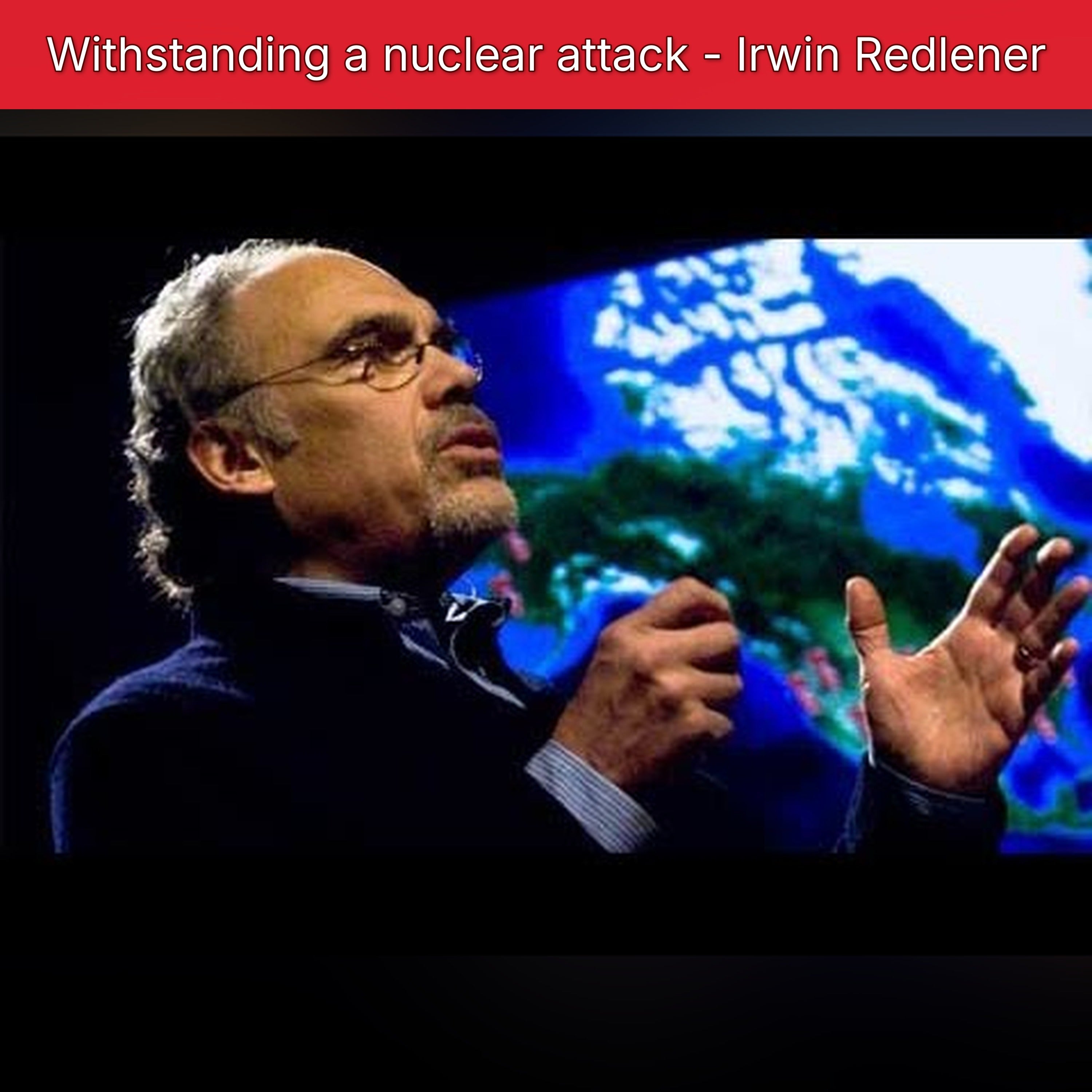
Withstanding a nuclear attack - Irwin Redlener

33 min

View full lesson: http://ed.ted.com/lessons/surviving-a-nuclear-attack-irwin-redlener The face of nuclear terror has changed since the Cold War, but disaster-medicine expert Irwin Redlener reminds us the threat is still real. He looks at some of history's farcical countermeasures and offers practical advice on how to survive an attack. Talk by Irwin Redlener.

Discuss this episode

TED-Ed

The true reason polio poses such a threat

10 min

Explore what makes polio so dangerous, what is causing the 21st century resurgence of cases, and how we can eradicate the disease. -- In 1952, polio was everywhere: killing or paralyzing roughly half a million people annually. Yet just 10 years later, paralytic polio cases in the US dropped by 96% and we were on track to get rid of polio for good. But in recent years, the virus started striking back. So, what’s behind these recent spikes? Explore the dangers of poliovirus and the possibility of eradicating this deadly disease. Directed by Anton Bogaty. This video made possible in collaboration with Gates Ventures Learn more about how TED-Ed partnerships work: https://bit.ly/TEDEdPartner A special thanks to Ananda Bandyopadhyay, Amber Zeddies, and Kathleen O'Reilly who provided information and insights for the development of this video. Support Our Non-Profit Mission ---------------------------------------------- Support us on Patreon: http://bit.ly/TEDEdPatreon Check out our merch: htt

Discuss this episode

TED-Ed

How to fool a GPS - Todd Humphreys

21 min

Todd Humphreys forecasts the near-future of geolocation when millimeter-accurate GPS "dots" will enable you to find pin-point locations, index-search your physical possessions ... or to track people without their knowledge. And the response to the sinister side of this technology may have unintended consequences of its own. (Filmed at TEDxAustin.) Uploaded 26-06-13 Talk by Todd Humphreys.

Discuss this episode

Community Poll

Reports of research should distinguish clearly between association and proven causation.

Share your view, then see how readers voted. No sign-in required. This poll is shared across stories.

Do you agree or disagree?

Choose one answer

Common Quandary

A Common Quandary to discuss

Another conversation to explore, separate from this news story.

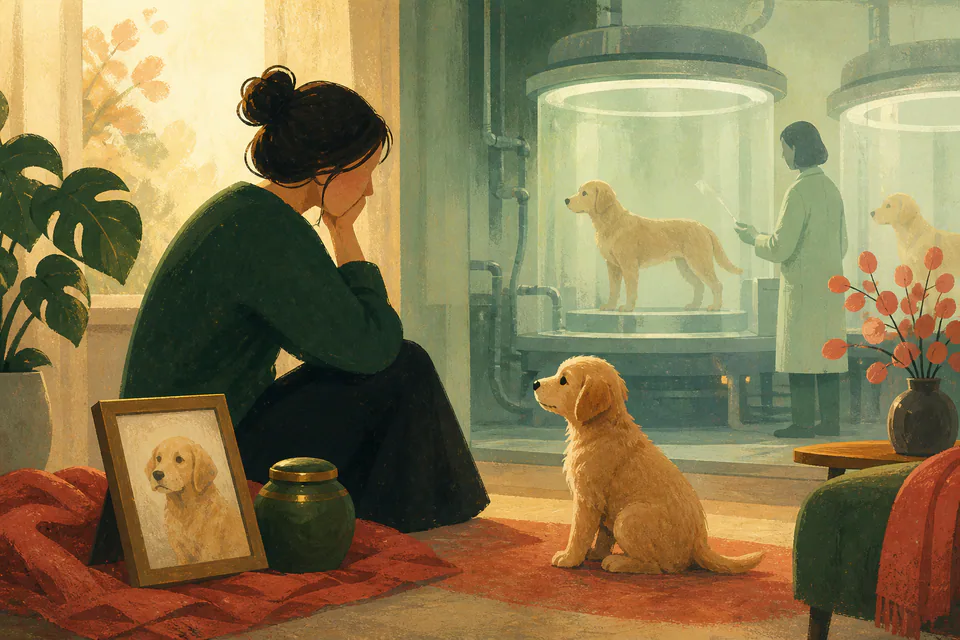
You can clone the best dog you ever had. Would you?

After a beloved dog dies, its owner can afford to have it cloned. The procedure is legal and improving, but it uses animals as surrogates and will not recreate the original dog's memories or personality.

What do our obligations to animals permit us to create for our own comfort?

Explore this quandary