English-language podcasts

TED-Ed

Uncovering the brain's biggest secret - Melanie E. Peffer

8 min

Listen through the publisher, then discuss the episode here or arrange an in-person Roundtable. Your city determines where to meet.

Roundtables are designed for groups of four, with a shared subject and room for everyone to speak. Come for discussion, with no dating expectation.

Explore how a scientist and artist discovered how our brains transmit signals throughout the body, and laid the foundation for modern neuroscience. Uploaded 08-02-21 -- In the 1860s, scientists believed they were on the verge of uncovering the brain’s biggest secret: how the brain’s signals travel through the body. They believed these impulses travelled uninterrupted along a massive web of tissue. But soon, a young artist would cut down this hypothesis, and sketch a bold new vision of how our brains work. Melanie E. Peffer details the discoveries of Golgi and Cajal. Lesson by Melanie E. Peffer, directed by Artrake Studio. Support Our Non-Profit Mission ---------------------------------------------- Support us on Patreon: http://bit.ly/TEDEdPatreon Check out our merch: http://bit.ly/TEDEDShop ---------------------------------------------- Connect With Us ---------------------------------------------- Sign up for our newsletter: http://bit.ly/TEDEdNewsletter Find us on Twitter: http://bit.ly/TEDEdTwitter Peep us on Instagram: http://bit.ly/TEDEdInstagram ---------------------------------------------- Keep Learning ---------------------------------------------- View full lesson: https://ed.ted.com/lessons/the-artist-who-won-a-nobel-prize-in-medicine-melanie-peffer Dig deeper with additional resources: https://ed.ted.com/lessons/the-artist-who-won-a-nobel-prize-in-medicine-melanie-peffer#digdeeper (https://ed.ted.com/lessons/the-artist-who-won-a-nobel-prize-in-medicine-melanie-peffer) Animator's website: https://www.artrake.com/ ---------------------------------------------- Thank you so much to our patrons for your support! Without you this video would not be possible! Eduardo Briceño, Christophe Dessalles, Heather Slater, Yuh Saito, Fabian Amels, Sandra Tersluisen, Zhexi Shan, Bárbara Nazaré, Josh Engel, Andrea Feliz, Victor E Karhel, Sydney Evans, Latora Slydell, Noel Situ, emily lam, Sid, Jordan Tang, Kent Logan, Alexandra Panzer, Declan Manning, varun, Cindy Flores, Anantha RamaKrishnan, Javier Aldavaz, Ivan Yeung, Jaime Camacho, Irene Au, Shannon Lee, Роман Валесюк, LunarQueen, Iza, Brian Elieson, Paul, Grayson Garbarino, Oge O, Weronika Falkowska, Stefano Esposito, Jan M. Brandt, Harshal, Nevin Spoljaric, Christine, Yvonne Feijoo, Sid Chanpuriya, Arjay Arcinue Dineros, RAD, Anoom Yasmin, Laura Johnson, Anoop Varghese and David Yastremski.

Episode information is provided by the publisher. Listening takes place on the publisher’s service.

Listen at the source ↗

Featured places to meet in Palo Alto, CA

Explore these places and arrange a conversation through ThinkMatch.

City guide for Palo Alto, CA

More from TED-Ed

TED-Ed

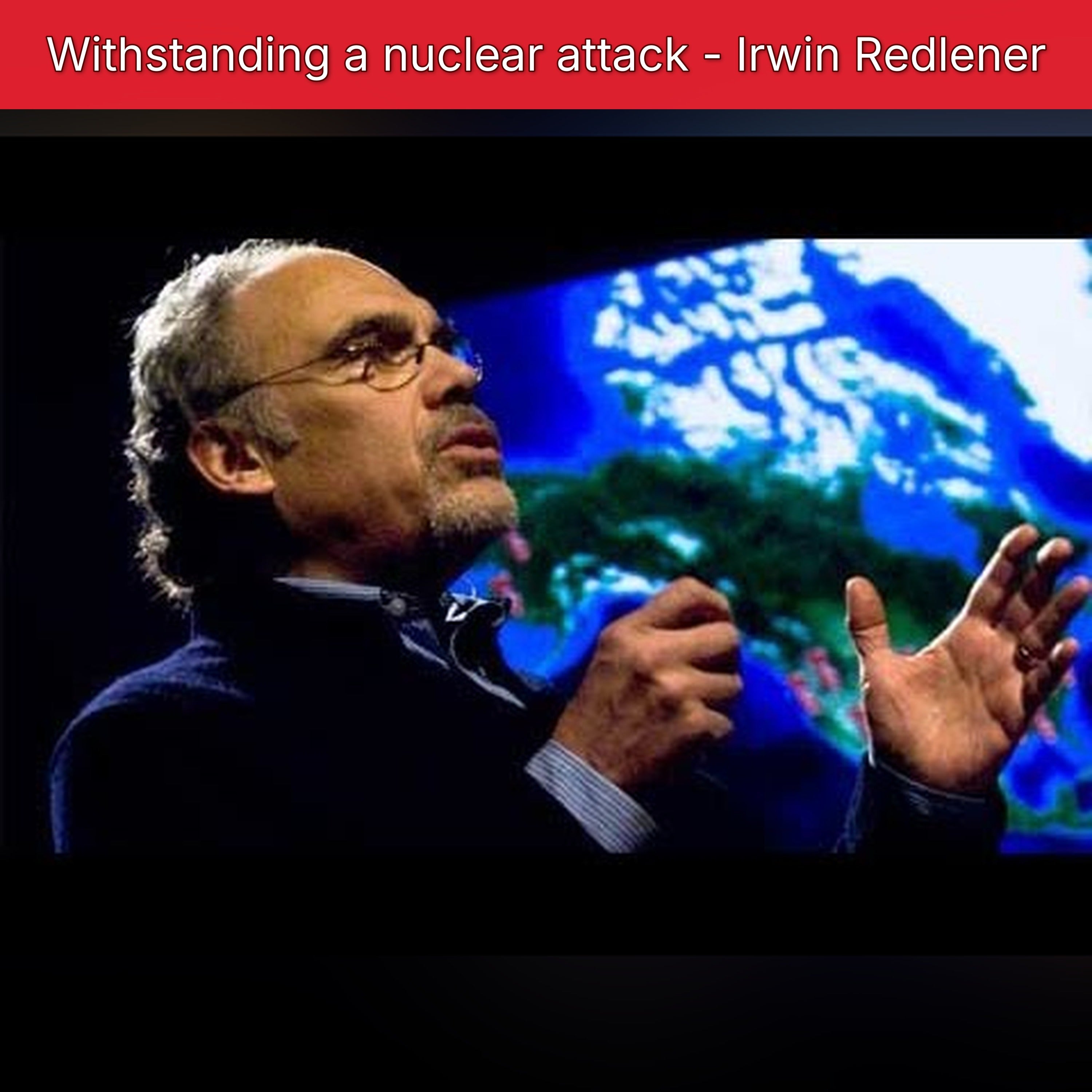
Withstanding a nuclear attack - Irwin Redlener

33 min

View full lesson: http://ed.ted.com/lessons/surviving-a-nuclear-attack-irwin-redlener The face of nuclear terror has changed since the Cold War, but disaster-medicine expert Irwin Redlener reminds us the threat is still real. He looks at some of history's farcical countermeasures and offers practical advice on how to survive an attack. Talk by Irwin Redlener.

Discuss this episode

TED-Ed

The true reason polio poses such a threat

10 min

Explore what makes polio so dangerous, what is causing the 21st century resurgence of cases, and how we can eradicate the disease. -- In 1952, polio was everywhere: killing or paralyzing roughly half a million people annually. Yet just 10 years later, paralytic polio cases in the US dropped by 96% and we were on track to get rid of polio for good. But in recent years, the virus started striking back. So, what’s behind these recent spikes? Explore the dangers of poliovirus and the possibility of eradicating this deadly disease. Directed by Anton Bogaty. This video made possible in collaboration with Gates Ventures Learn more about how TED-Ed partnerships work: https://bit.ly/TEDEdPartner A special thanks to Ananda Bandyopadhyay, Amber Zeddies, and Kathleen O'Reilly who provided information and insights for the development of this video. Support Our Non-Profit Mission ---------------------------------------------- Support us on Patreon: http://bit.ly/TEDEdPatreon Check out our merch: htt

Discuss this episode

TED-Ed

How to fool a GPS - Todd Humphreys

21 min

Todd Humphreys forecasts the near-future of geolocation when millimeter-accurate GPS "dots" will enable you to find pin-point locations, index-search your physical possessions ... or to track people without their knowledge. And the response to the sinister side of this technology may have unintended consequences of its own. (Filmed at TEDxAustin.) Uploaded 26-06-13 Talk by Todd Humphreys.

Discuss this episode

Community Poll

Lawmakers should review laws when their real effects differ from the original promises.

Share your view, then see how readers voted. No sign-in required. This poll is shared across stories.

Do you agree or disagree?

Choose one answer

Common Quandary

A Common Quandary to discuss

Another conversation to explore, separate from this news story.

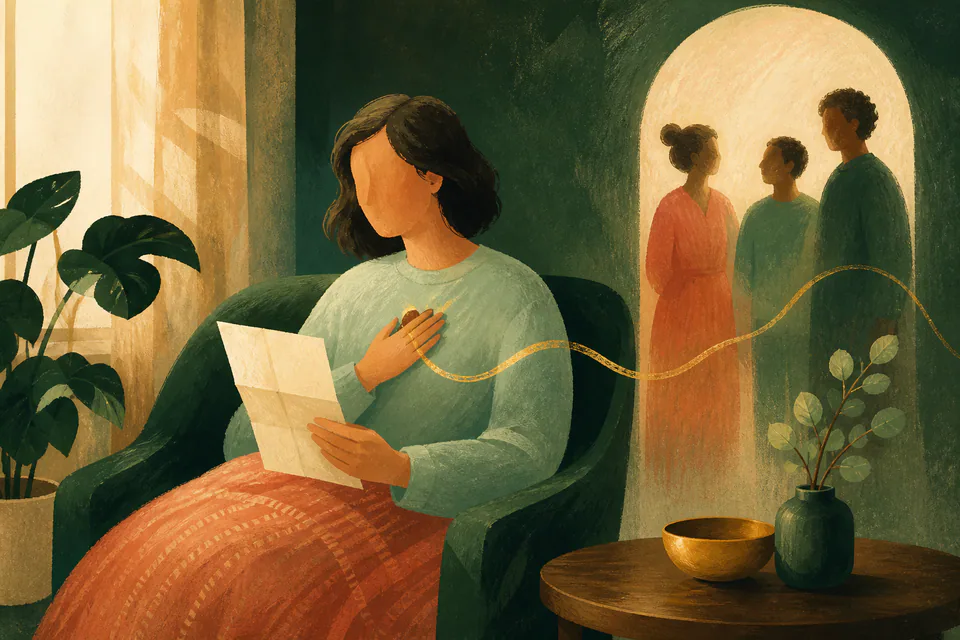
A donor's family wants to hear their loved one's heart beating in you. Do you meet them?

A transplant recipient receives a letter from the donor's family asking to meet. The recipient feels profound gratitude but also discomfort and wants their recovery to remain private and separate from another family's grief.

Can receiving an extraordinary gift create a personal obligation to strangers?

Explore this quandary