Listen through the publisher, then discuss the episode here or arrange an in-person Roundtable. Your city determines where to meet.
Roundtables are designed for groups of four, with a shared subject and room for everyone to speak. Come for discussion, with no dating expectation.
On July 23, 1984, Carolyn Merricks’s sister went to check on her after she couldn’t reach her. She found Carolyn murdered inside her St. Petersburg, Florida, apartment. Just a year earlier, Carolyn had been named Bunny of the Year at the Suncoast Playboy Club. She was also a mother to a ten-year-old son. For decades, Carolyn’s murder remained unsolved. In March 2026, a local news report revealed that detectives were using new forensic methods to reexamine evidence from the original investigation. In this episode of Black Girl Gone, I tell Carolyn’s story and look at what might finally help her family get answers.
Episode information is provided by the publisher. Listening takes place on the publisher’s service.
The ransom note was discovered inside the Ramsey home, written on paper investigators traced to a household notepad. Nearly thirty years later, John Ramsey is pressing police to test more evidence. How can investigators reconcile what happened inside that house with what new forensic technology might finally reveal? Tony Brueski brings Producer Todd and Lisa into the conversation about JonBenét Ramsey’s still-unsolved 1996 murder. The ransom note demanded $118,000, a figure close to John’s prior bonus. Investigators found what appeared to be the beginning of another note in the same pad. Patsy Ramsey called police that morning; John later discovered his daughter’s body in a basement room. These details remain consequential, but they do not identify a killer. John says several items initially returned from labs were not tested and wants additional DNA analysis of the note and other objects. Boulder Police dispute the idea they are ignoring viable evidence. At a November 2026 briefing, o
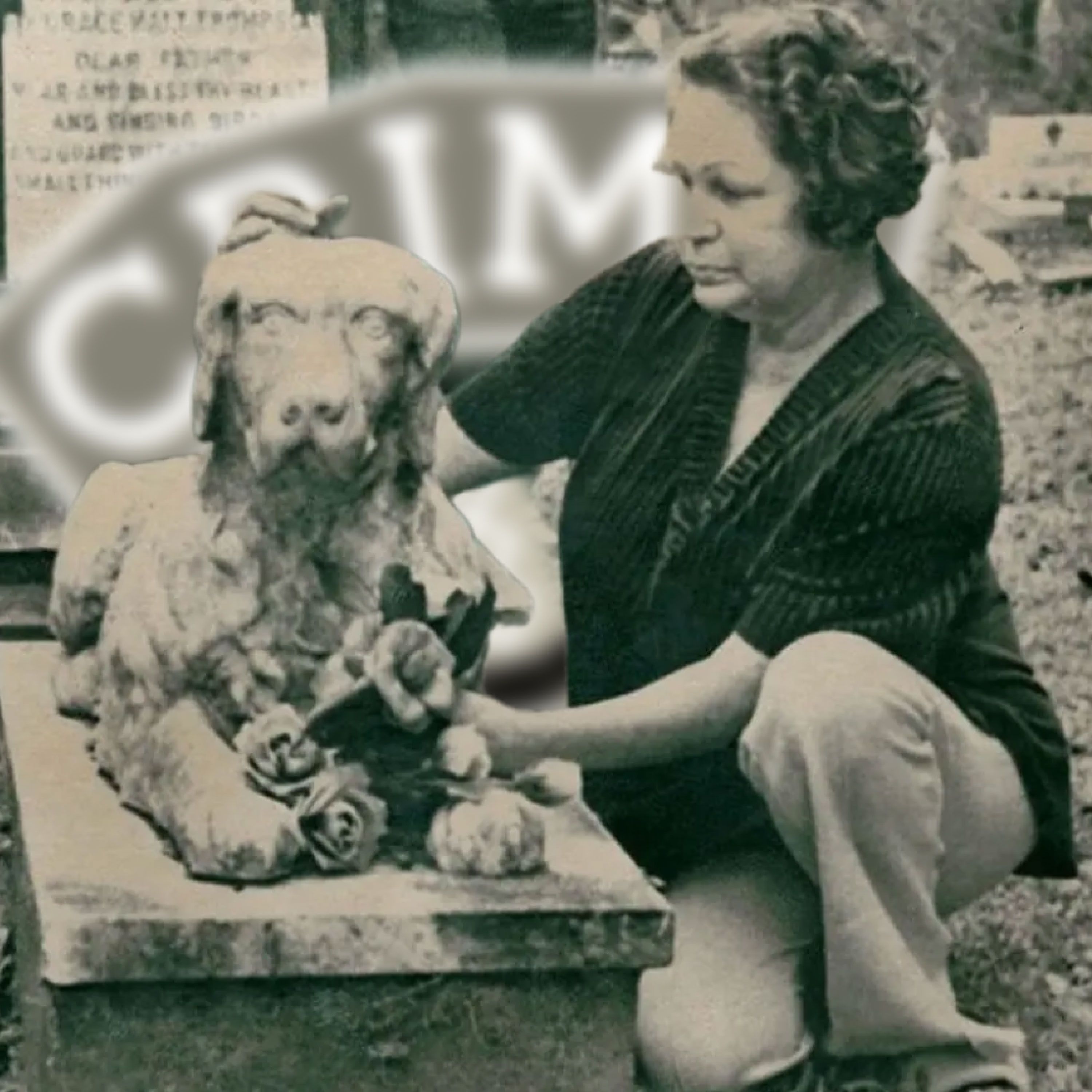
In 1985, when the body of 61-year-old Dorothy Lou Thompson was discovered in the Mississippi River, authorities assumed her murder was somehow connected to her unusual family business. For years her late mother ran a pet cemetery on an abandoned sugar cane plantation, which neighbors found both odd and eerie. While a handful of suspects emerged, the murder case soon went cold. Decades later, witnesses came forward to report what they knew about the homicide. What convinced them to finally tell their stories? They said they were visited by Dorothy’s ghost. The HBO Documentary series “The Pet Cemetery Murders: A Ghost Story” leans into the spooky elements of this Southern Gothic tale. The case goes beyond the homicide and its creepy crime scene, tying historical stories of violence within the family and this community, made for those who like their true crime served with a dash of the supernatural. OUR SPOILER-FREE REVIEWS OF "THE PET CEMETERY MURDERS" BEGIN IN THE FINAL 11 MINUTES OF TH
In the fall of 1982, seven people in the Chicago area died after taking Tylenol capsules that had been laced with cyanide. The victims ranged from a 12-year-old girl to a young mother who had just given birth. None of them knew each other, and none of them had any idea what was in the bottles sitting in their medicine cabinets. The killings triggered a nationwide panic, transformed how every over-the-counter medication is packaged, and gave rise to the term "product tampering" as a federal crime. But more than four decades later, no one has ever been charged with the murders. In today's second episode of Conspiracies & the Unknown, Carter Roy revisits one of the most chilling unsolved cases in American history, the suspects who came and went over the years, and the question that still haunts investigators: who walked into those stores, and why did they choose Tylenol? And for more cases just like this one, be sure to check out the Crime House Original, Murder: True Crime Stories. Need
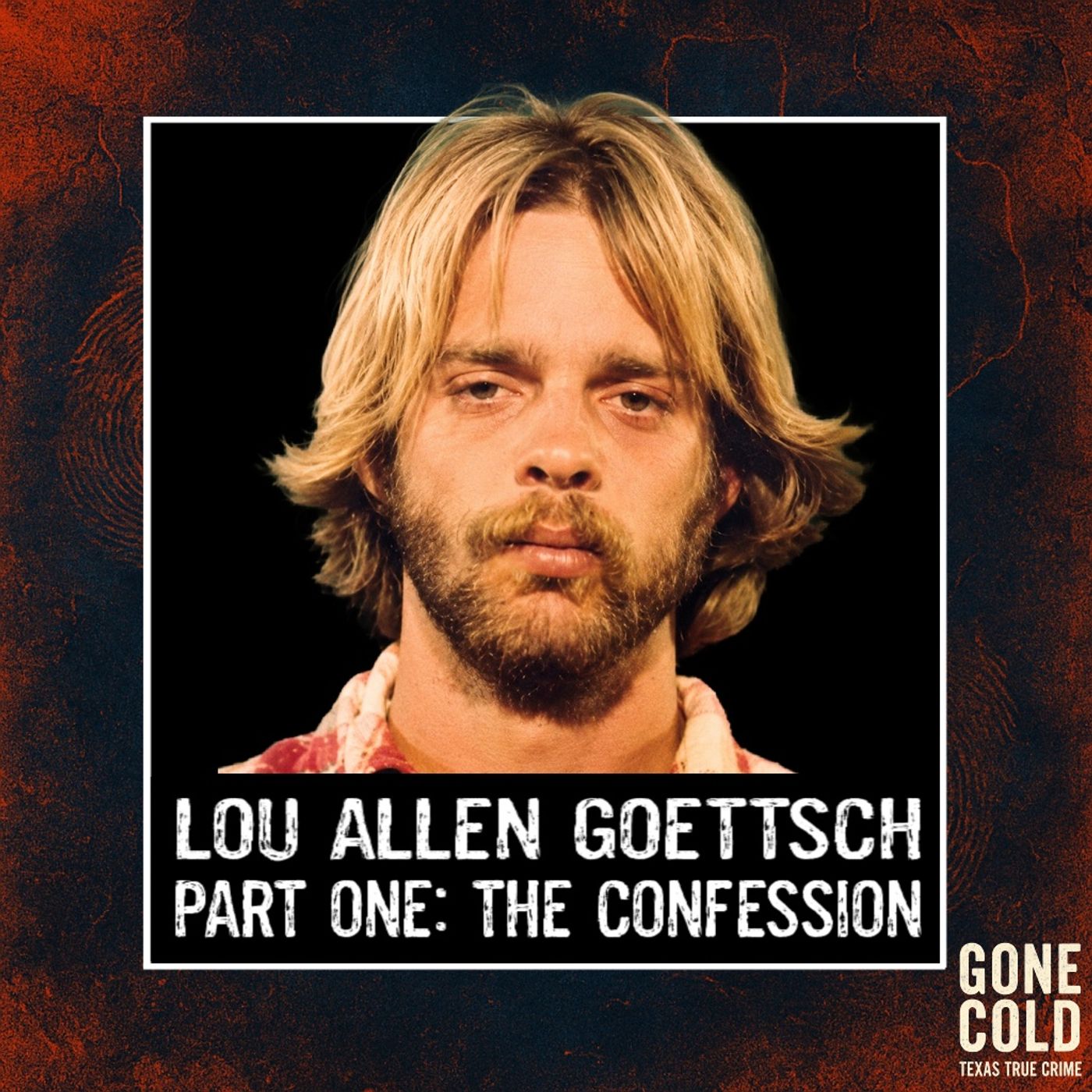
On March 31st, 1981, twenty-one-year-old Lou Allen Goettsch had it made. A couple days earlier, he received a decent sized settlement check for a work injury he’d sustained earlier in the year, opened up a checking account, and put a deposit and first month’s rent on a new apartment. Then, he vanished into thin air. Since the disappearance wasn’t reported for two months, Abilene, Texas Police had a hard time figuring out where to start searching for the young man. In fact, there were absolutely no clues that cut them a break in that department. That year, two other young adults disappeared from Abilene, further complicating and taking resources away from one another. Twelve years after he disappeared, a man confessed to Lou’s murder. Part one of two. If you have any information about the disappearance of Lou Allen Goettsch, please contact Abilene Crime Stoppers at 800-868-8477. You can support Gone Cold: Texas True Crime and listen to the show ad-free at patreon.com/gonecoldpodcast Fin
On the morning of December 16th, 1998, 33-year-old Ronda Reynolds, a former Washington State trooper, was found dead in a closet at her home in Toledo, Washington, less than a year into her second marriage. Her husband Ron called 911 to report a suicide, but the details at the scene troubled investigators from the start: the gun's position kept changing, Ron's hands were never tested for gunshot residue, and Ronda had been booked on a flight home to Spokane that morning. This episode contains discussions of suicide, pregnancy loss, and sexual harassment. Follow Murder: True Crime Stories for Part 2 of this episode: https://pod.link/1745145932 To hear episodes ad-free, subscribe to Crime House+. Need More to Binge? Follow me on Social Instagram: @Crimehouse (https://www.instagram.com/crimehouse/) TikTok: @Crimehouse (https://www.tiktok.com/@crimehouse) X: @crimehousemedia (https://x.com/crimehousemedia)
In December 1998, 33-year-old Ronda Reynolds, a former Washington State trooper, was found dead in her home in Toledo, Washington. Her husband said she took her own life, but her mother, Barb Thompson, spent nearly 13 years fighting to prove otherwise, through lawsuits, forensic testing, and a rare public inquest that ultimately named two suspects. This episode covers the legal battle that changed Ronda's death certificate and why no one has ever been charged. Content warning: this episode discusses suicide. Want all 2 parts of every case all at once? Need More to Binge? Follow me on Social Instagram: @Crimehouse (https://www.instagram.com/crimehouse/) TikTok: @Crimehouse (https://www.tiktok.com/@crimehouse) X: @crimehousemedia (https://x.com/crimehousemedia)
In this episode of Afterthoughts, Amara and Jason discuss the murder of twelve-year-old Lori Paige, the warning signs before her disappearance, and how being labeled a runaway shaped the response to her case. They also reflect on the questions left unanswered after her father, who was charged with her murder died before trial.
On June 3, 2023, twelve-year-old Lori Paige was reported missing from her home in Tallahassee, Florida. She had just finished sixth grade. Police initially classified her as a runaway, but as the months passed, the search for Lori crossed state lines. It would take nearly two years to find her, and evidence uncovered during the search would point investigators to the person they believed had killed her. In this episode of Black Girl Gone, I tell Lori’s story and look at what can be overlooked when a missing child is labeled a runaway. Thank you to this episode’s sponsors, EarnIn, Shopify, Lola Blankets, and BetterHelp. Use code GIRLGONE with any of these sponsors to support our show.
Retraining programs should provide financial support as well as new skills.
Share your view, then see how readers voted. No sign-in required. This poll is shared across stories.
Do you agree or disagree?
Common Quandary
A Common Quandary to discuss
Another conversation to explore, separate from this news story.
One sibling did years of caregiving. Should they get more of the inheritance?
One sibling lives near an aging parent and handles appointments, errands, and emergencies. The others live far away, call regularly, and assume the nearby sibling will receive the same inheritance despite years of unpaid work.
When does family care become labor that should be repaid?