USCA, Tenth Circuit Lyman v. Henderson, Case No. 26-4014
Listen through the publisher, then discuss the episode here or arrange an in-person Roundtable. Your city determines where to meet.
Roundtables are designed for groups of four, with a shared subject and room for everyone to speak. Come for discussion, with no dating expectation.
Voting Rights: May citizens sue to obtain private or withheld voter-roll records under the National Voter Registration Act without showing additional harm? - Argued November 17, 2026 Arguing Counsel Kaylan Phillips (Public Interest Legal Foundation), for Lyman Erin Middleton, for the lieutenant governor
Episode information is provided by the publisher. Listening takes place on the publisher’s service.
The Ninth Circuit hears Eagleman versus NaphCare, a dispute about medical leave and the loss of a job. Eagleman sent doctor's notes requesting more time away from work. NaphCare fired her after leave it had designated under federal family-and-medical-leave law ended. She sued under California's Fair Employment and Housing Act, alleging disability discrimination, retaliation, and failures to accommodate her or discuss possible accommodations. The district court gave NaphCare summary judgment, ending those claims without a trial. It concluded that she could not do her job even with an accommodation. Eagleman will argue that a jury should resolve conflicting evidence about her leave request, her expected return, and what the company knew when it fired her. NaphCare will contend that the request amounted to indefinite leave and that holding the job open created an undue hardship. Listen for the difference between a request for additional recovery time and an inability to return at all, and
Twenty-one decisions in the Federal Courts edition for Friday 20 November 2026: two from the Full Court of the Federal Court and nineteen from the Federal Court of Australia. The opening story: a software copyright case settled by a deed whose release operated from execution, so there was no matter left and the Court had no jurisdiction to give the judgment the deed called for; and a contracted submitting notice cannot be used to manufacture a precedent. Then an anti-anti-suit injunction against a Virginia petition, a scheme convening checklist, confidentiality orders and a generative AI order, two worked practice examples, two migration rulings, and the registry. Both Full Court rulings were covered in today's Courts of Appeal brief and are listed below. Practice and Procedure Desk (opening story). Dassault Systemes SolidWorks Corporation v Inspired Living Developments Pty Ltd [2026] FCA 1763 (Moore J, 20 November 2026) - Signal: Practice and Procedure. A settlement deed releasing all
DOCKET ALERTS: The Fifth Circuit is wilding out again. It just ruled (https://www.ca5.uscourts.gov/opinions/pub/24/24-10386-CV1.pdf) that it's illegal for the US House to use proxy voting, and, thus, the Pregnant Workers Fairness Act is unenforceable in Texas. AG Todd Blanche's chief of staff Jordan Fox is threatening to hook the entire DOJ leadership team up to a polygraph if someone doesn't cop to leaking. This information immediately leaked (https://news.bloomberglaw.com/us-law-week/doj-chief-of-staff-threatens-trump-appointees-with-polygraphs) to Ben Penn at Bloomberg Law. DOOFUS OF THE DAY: Nvidia. You already know why. MAIN SHOW: Trump's arch is enjoined in two (https://www.courtlistener.com/docket/72301112/lemmon-v-trump/) courts (https://www.courtlistener.com/docket/74940971/county-board-of-arlington-county-virginia-v-national-park-service/). But will SCOTUS leap in to give the president what he wants again? Andrew Torrez uses Grand Theft Auto 6 to teach contracts (https://www.
Three of the Justice Department's most senior officials resigned within 72 hours of the 2026 midterm elections. Harmeet Dhillon, who ran the Civil Rights Division, left after failing to force 30 states to hand over voter rolls. John Eisenberg, who oversaw national security and the leak investigation into journalists, stepped down. And Jason Reding Quiñones, the U.S. Attorney for the Southern District of Florida who was leading the so-called "grand conspiracy" investigation into Trump's perceived enemies, quit abruptly. Democrats are about to take control of Congress. The officials who might have been called to testify are leaving before the subpoenas arrive. This episode breaks down who left, why, and what it means for the investigations that remain. General information only, not legal advice. Based on public records and news reports. Thanks for listening to Gavel & Gazette. Legal news, explained. General information only, not legal advice. This episode includes AI-generated content.
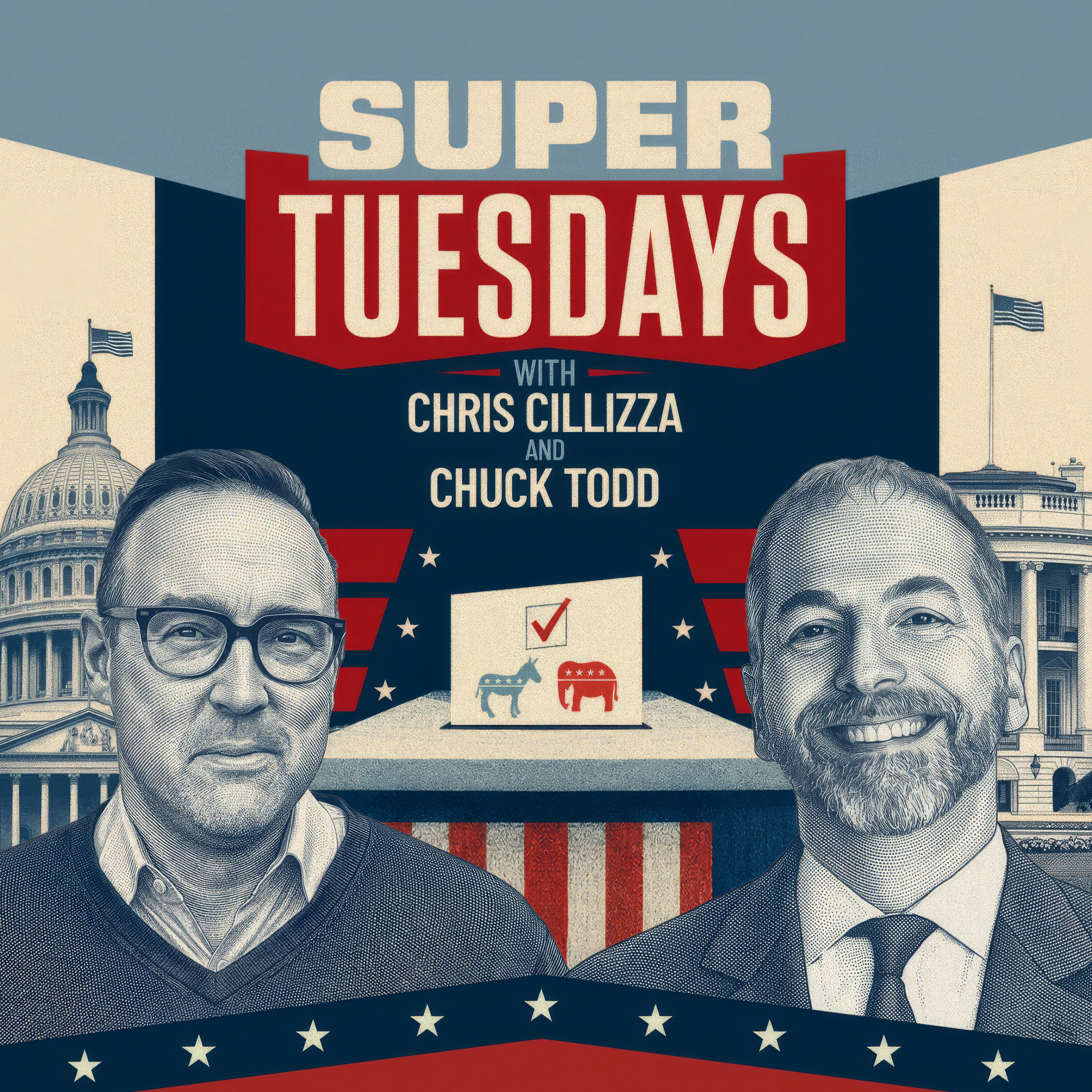
The President of the United States told CNBC "I made the deal," and Chuck Todd's answer is that there's only one word left for it: kleptocracy. Nvidia's board unanimously reinstated Jensen Huang on Monday after Trump lobbied directors directly and indirectly — a reversal of the board's own position a week earlier, decided Sunday afternoon without consulting senior leadership, including the interim CEO. Chuck's read is that the simplest explanation is the right one: Trump has disclosed heavy Nvidia trading, lost money when the stock slid, and found the one lever he could still pull. Chris presses on why a tech industry that just watched voters repudiate insiderism would invite this much scrutiny. Then: whether the only exit left for Republicans is to excise Trump outright, the doctored image Trump posted to celebrate, the DNC's 12 new primary debates, and a long Thanksgiving close with three turkeys and the lost art of peanut butter pie. Timeline: 00:00 Thanksgiving creep, the NFL's cal
A fake job interview helped open the door to a reported $6.3 billion theft from Binance. The FBI attributed the heist to North Korea, which has used cryptocurrency theft to raise revenue and evade sanctions. This week, former federal prosecutor Maya Song joins Frank Cilluffo to explain why tracing stolen cryptocurrency is easier than getting it back, what prosecutors need to turn an attribution into a criminal case, and how companies and law enforcement can work together to limit the damage after a breach. Main Topics The fake recruiting scheme the led to $6.3B loss The theft and fraudulent IT work funding North Korea Tracing, freezing, and recovering stolen cryptocurrency Public attribution and the evidence needed for an indictment When companies should contact law enforcement How indictments and asset seizures can disrupt future operations Key Quotes "Law enforcement generally, when it comes to the cybercrime threat, they have at the federal level taken an attitude of deter, disrupt,
Free Press: Was DOD's revised escort program unconstitutional retaliation against members of the press who protested the escort requirement? - Argued November 16, 2026 Panel Henderson, Millett, Rogers Arguing Counsel Sean R. Janda (DOJ) Theodore J. Boutrous Jr.
Labor: May a former Chinese prisoner sue Milwaukee Tool for allegedly selling gloves made with forced prison labor in China? - Argued November 4, 2026 Panel Chief Judge Michael B. Brennan, Circuit Judge Kenneth F. Ripple, Circuit Judge Joshua P. Kolar
First Amendment: May a public law school discipline and report a student to the bar for allegedly celebrating Charlie Kirk’s assassination? - Argued November 2, 2026 Panel Judge Carolyn Dineen King, Judge Jerry E. Smith, Judge Irma Carrillo Ramirez
Environmental monitoring data should be accessible to affected communities.
Share your view, then see how readers voted. No sign-in required. This poll is shared across stories.
Do you agree or disagree?
Common Quandary
A Common Quandary to discuss
Another conversation to explore, separate from this news story.
Someone reserves the best gym machine with a towel. When may you move it?
At a crowded gym, a towel has occupied the most popular machine for fifteen minutes while its owner chats across the room. Gym rules prohibit reserving equipment, but everyone occasionally steps away between sets.
How long may convenience masquerade as continued use?