When he was ten years old, a boy made an unusual new friend. She was about his age, had a name, a personality, and stories about her family. For nearly a year, she would appear at his house to play, and during a particularly difficult time in his childhood, she seemed determined to protect him. But there was something different about this little girl. Nobody else appeared to see her, and there were strange limitations on where she could go. Eventually, she told him she had to leave, but promised she would always try to look out for him. As he grew older, he began questioning whether she'd ever existed outside his imagination. Then, more than a decade later, something extraordinary happened that made him reconsider everything he thought he knew about his childhood friend. Could a friendship continue beyond death? And if spirits really exist, do they remain forever the age they were when they died? #RealGhostStoriesOnline #TrueGhostStories #GhostlyFriend #ChildhoodGhosts #ImaginaryFriend
As a young mother preparing for her first baby, she was delighted when her husband's grandparents offered her an old oak rocking chair. After stripping away layers of paint and restoring it, she placed it in the living room, where she spent countless nights rocking her newborn son. But soon, she began hearing the chair's unmistakable creaking long after everyone had gone to bed. Her husband never found anything unusual, yet the sound continued. Then one night, she woke on the couch to hear the chair rocking behind her—and caught a glimpse of something heartbreaking. Unable to live with the experience, she returned the chair to the grandparents. Their strangely unsurprised reaction, followed by something they revealed about its history, raised an unsettling question: Had another mother's grief remained attached to the chair all those years? #RealGhostStoriesOnline #HauntedRockingChair #HauntedAntiques #HauntedObjects #GhostlyApparitions #SpiritAttachments #ParanormalEncounters #HauntedF
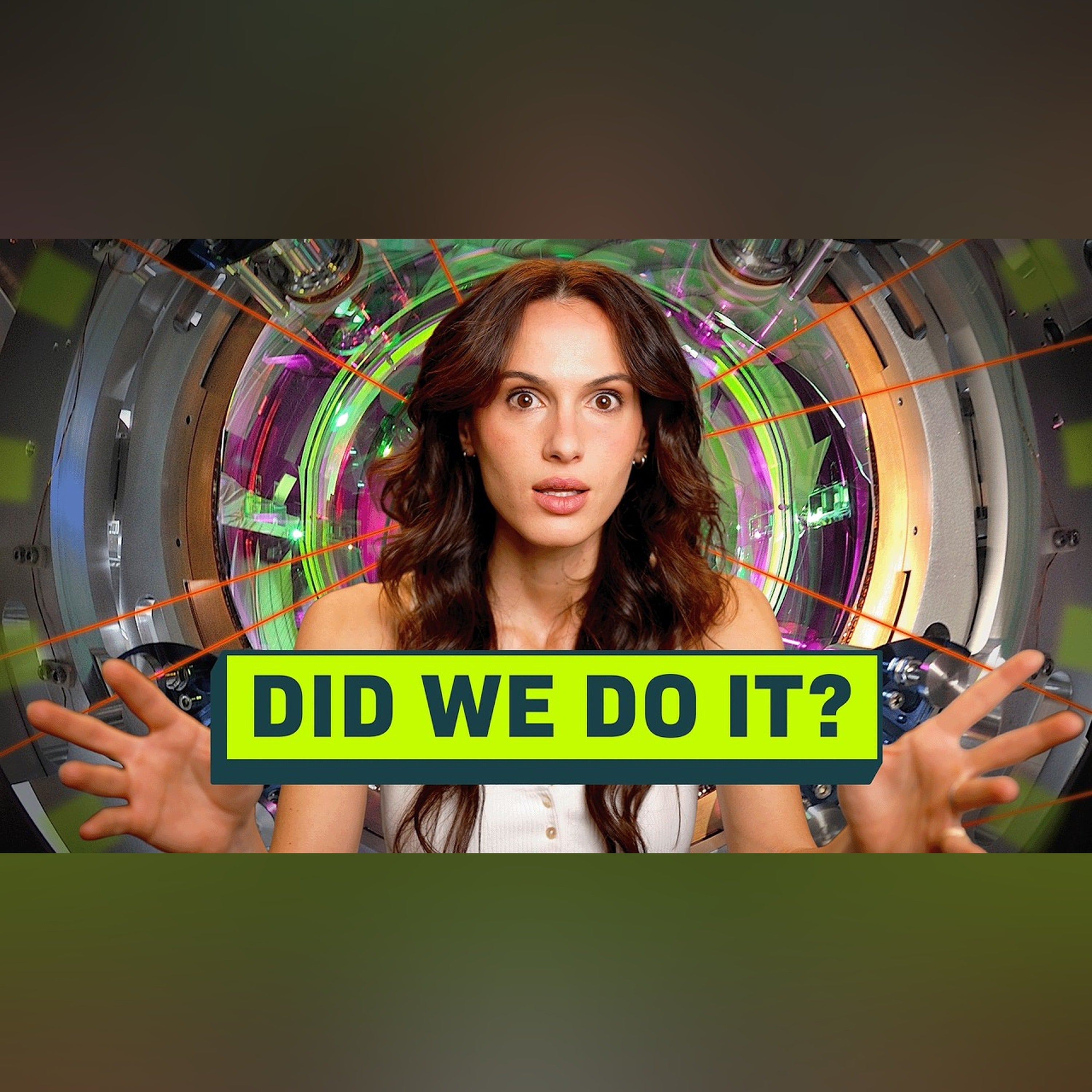
This machine found something scientists thought was impossible… If you want to talk to Mico, go to this link: https://bit.ly/CleoAbram-Copilot In the middle of the desert, miles from any city, are two HUGE concrete tubes. They’re part of a giant machine running the most precise experiment humans have ever built… Each tube is 4 kilometers long, and inside there’s a big metal pipe. And at the end of each pipe, scientists place some of the smoooooothest mirrors ever made. And then they fire a powerful laser that gets split down each tube, bouncing it back and forth… building up more and more power… until… they bring those beams back together… to discover something that just 100 years ago scientists thought was impossible to find! Finding it took hundreds of scientists and over a billion dollars. But what did we find?? And what’s the cutting edge we’re finding NOW that makes those scientists want to build… AN EVEN BIGGER ONE? Let me show you… Chapters 00:00 What's the most precise experime
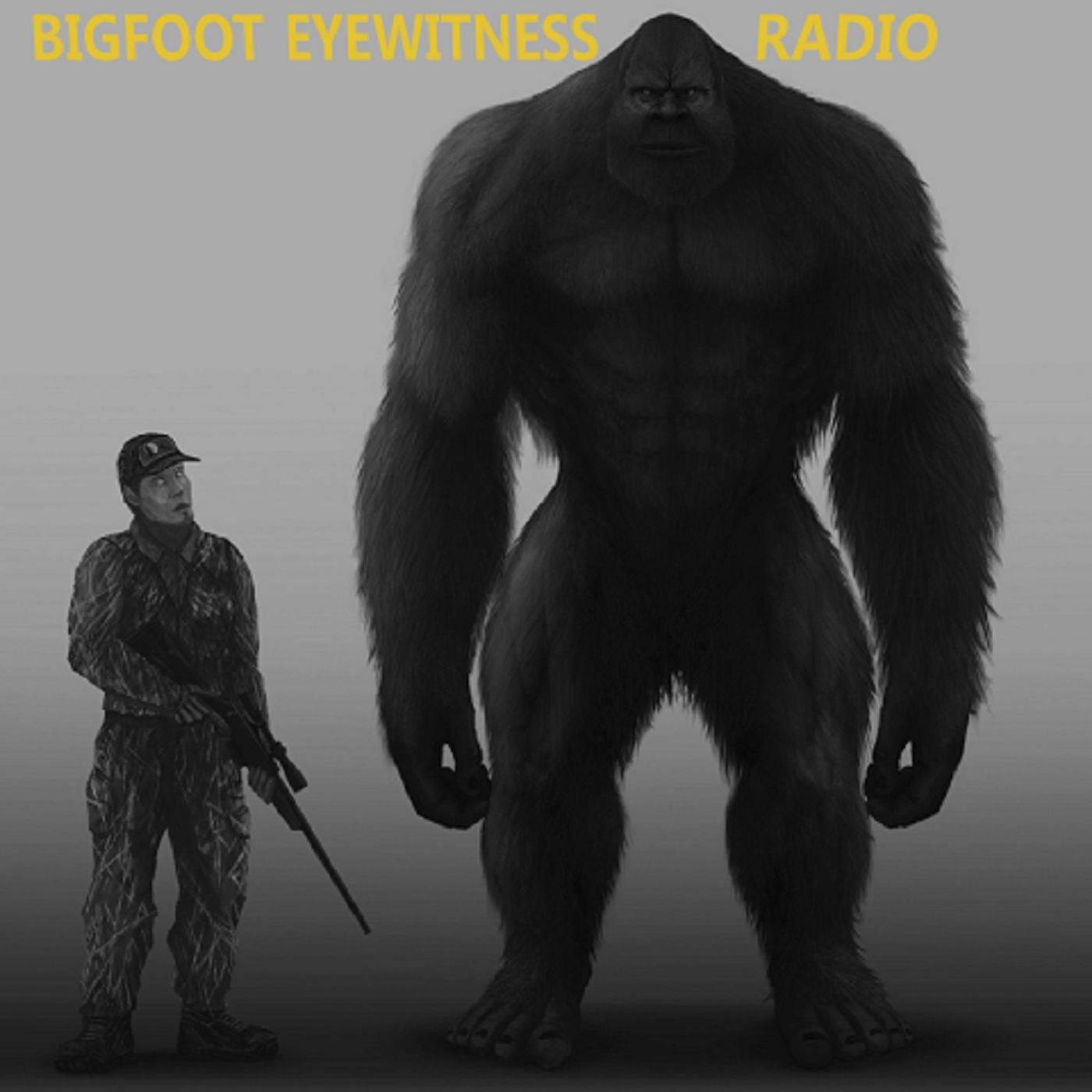
For most of her life, Emily Mayles, tonight's guest, felt right at home in the woods of southeastern Ohio. Whether she was mushroom hunting, digging ginseng, or simply enjoying the outdoors, being surrounded by nature was something she loved. That all changed after a series of terrifying experiences convinced her that something enormous and mysterious was lurking in the forests near her home. Emily's first frightening experience happened in March of 2020, when an unbelievably powerful scream erupted from the woods behind her house. The sound was so terrifying that she found herself practically paralyzed with fear. Years later, she and her husband heard something equally disturbing while standing on their back deck. This time, however, the sounds seemed to be coming from multiple locations. As frightening as those experiences were, neither could have prepared Emily for what she would witness on the Fourth of July, while riding through the Ohio countryside on the back of her husband's mo
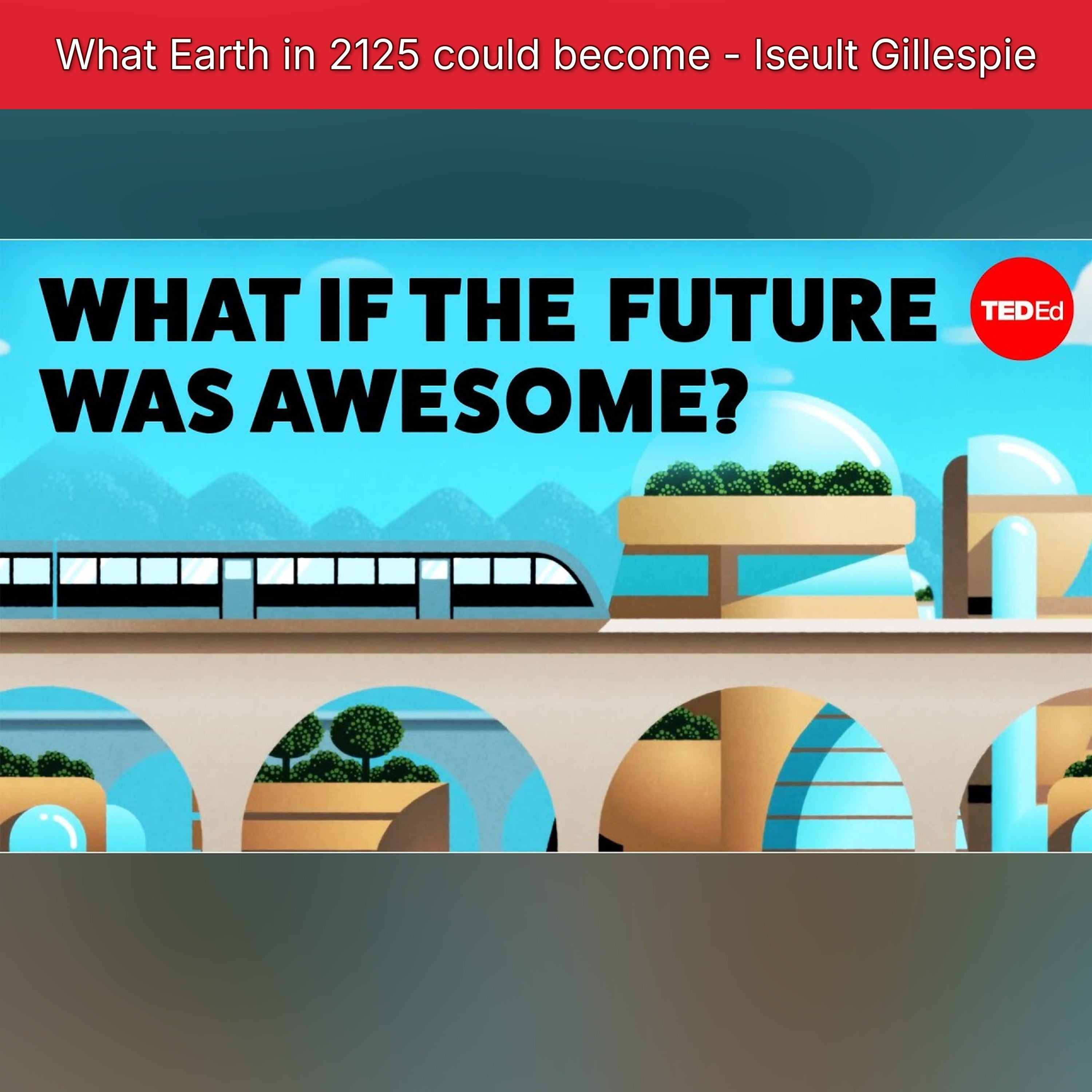
What could our future look like if we harness our technology to create a sustainable world? Take a look at the possibilities. -- Faced with the realities of current crises, it’s easy to assume our world is headed in a bleak direction. But there’s good reason to be hopeful— with developments in science and technology, a positive future is more viable than ever before. So, what if the future was awesome? Iseult Gillespie explores what three cities could look like in 100 years if we harness the tools we have at our disposal. Lesson by Iseult Gillespie, directed by Devin Clark, Augenblick Studios. This video made possible in collaboration with Speed & Scale Learn more about how TED-Ed partnerships work: https://bit.ly/TEDEdPartner Support Our Non-Profit Mission ---------------------------------------------- Support us on Patreon: http://bit.ly/TEDEdPatreon Check out our merch: http://bit.ly/TEDEDShop ---------------------------------------------- Connect With Us ---------------------------
In Brought to You By: How Corporations Warped the Truth, Conned the Public, and Broke Democracy (https://bookshop.org/a/12343/9781639736331), Amy Westervelt exposes the plot hidden within the familiar story of science denial. Over the last century, Big Industry has built a vast apparatus of think tanks, lobbyists, sponsored university labs, and obliging news networks to con the public and fool decision-makers, poisoning the informational ecosystem and warping the nature of truth along the way. With her signature wit and incisiveness, Westervelt introduces the masterminds of corporate misinformation: Herb Schmertz, the public relations pioneer who made Mobil “the thinking man's oil company;” Richard Edelman, the PR guy who helped the dairy industry vilify oat milk; David Petraeus, the disgraced spy chief using counter-insurgency tactics to discredit climate science; and many more. She shows how these company men have worked to usher in an era of unprecedented corporate control. Only by
We are a nation of nature lovers in the UK, but the UK is one of the most nature depleted countries in Europe. Gardens occupy more space than nature reserves and we’ve talked on the podcast before about the huge potential of our gardens as a vital habitat for our wildlife. There’s lots we can do to help wildlife and garden birds, including feeding birds - you will hear that around half a million people in the UK feed birds in their gardens, and we spend millions of pounds on bird food every year. However, for a few species, the way we feed, and the type of food that we’re offering could be contributing to their decline. For example greenfinch numbers have declined 65% in the last 30 years, and are one of the garden birds that has been worst affected by a disease called Trichominosis which can be spread at feeders. Today’s episode is a conversation with Charlotte Ambrose from the RSPB, all hear about the small tweaks you can make to what and how you feed the birds in your garden can hel
Consumption, or overconsumption, is a recurring theme here on the podcast, and I would suggest that we could get a long way towards a more sustainable society if we, collectively, found ways to rein that in. Did you know? 22 million furniture items a year are thrown away each year in the UK, which equates to 60,000 pieces of furniture every single day 3.83 million items of clothing a day are thrown away And 22 billion pairs of shoes every year In a world of ever faster consumption, how do we slow down and re-connect with our stuff again? Seeing the value not only in the items, whether that clothes, or furniture, or tech, but also in the work and resources that went into making them, and valuing it enough to keep it in use for as long as possible. Which is where repair comes in. Todays guests are Gem and Ally from We Are Repairs, who are on a mission to normalise repair, to make it as easy as buying new, and to help us all to slow down our consumption, not only to help avoid waste, but
Travel providers should disclose meaningful environmental impacts alongside prices.
Share your view, then see how readers voted. No sign-in required. This poll is shared across stories.
Do you agree or disagree?
Common Quandary
A Common Quandary to discuss
Another conversation to explore, separate from this news story.
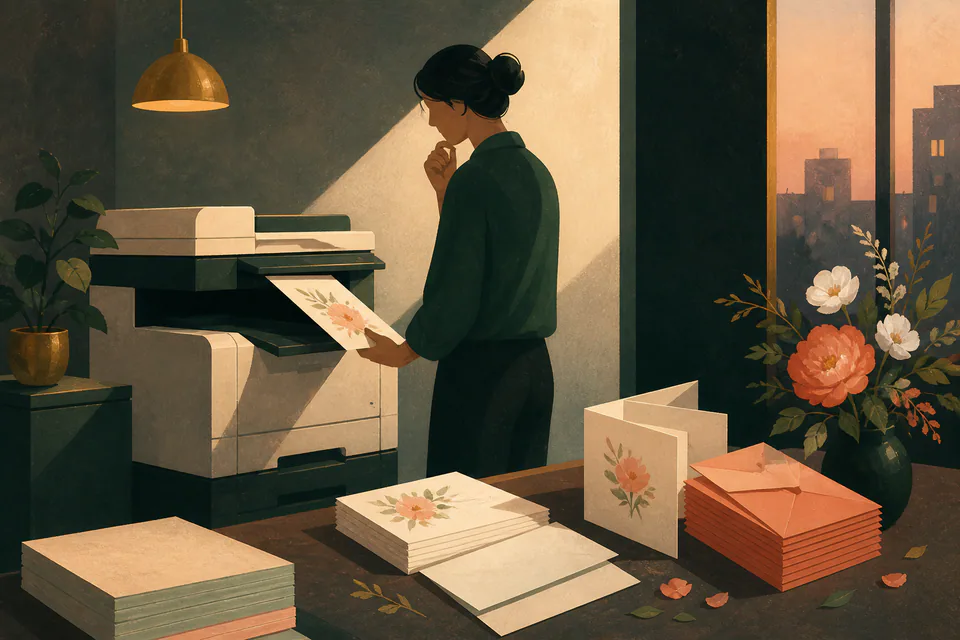
The company printer sits idle all day. Can you print two hundred wedding invitations?
Your office has a fast color printer that is rarely used, and supplies are ordered automatically. Printing your wedding invitations after hours would save substantial money. Personal use is technically prohibited but routinely ignored for small jobs.
When does an insignificant workplace perk become taking?